The Department of Veterans Affairs issued a new rule limiting VA-authorized abortions to ectopic pregnancies, miscarriages and situations where continuing the pregnancy would endanger the patient’s life. Veterans, VA clinicians and reproductive-rights groups warn the policy endangers women’s health and undermines trust—especially for survivors of military sexual trauma. VA officials cite a Department of Justice opinion as the legal basis, while Democrats in Congress are pursuing legislation and other efforts to restore abortion services and counseling in VA care.
Doctors and Veterans Say VA’s New Near-Total Abortion Rule Threatens Women’s Health
The seal for the Department of Veterans Affairs stands at the door of its headquarters in Washington, DC, on February 20, 2025. - Brian Snyder/Reuters/File
Lauren Feringa, a retired Army National Guard combat medic, says exposure to toxins and concussive blasts during deployments contributed to long-term reproductive health complications. Although she carried two pregnancies to term, Feringa says she underwent three abortions paid for by the Department of Veterans Affairs after doctors determined the fetuses were nonviable or that continuing the pregnancies endangered her health.
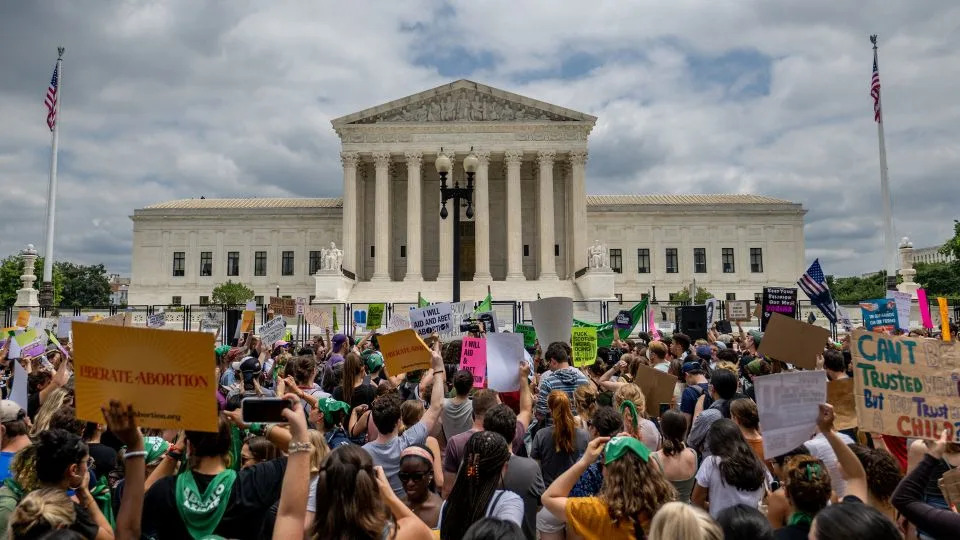
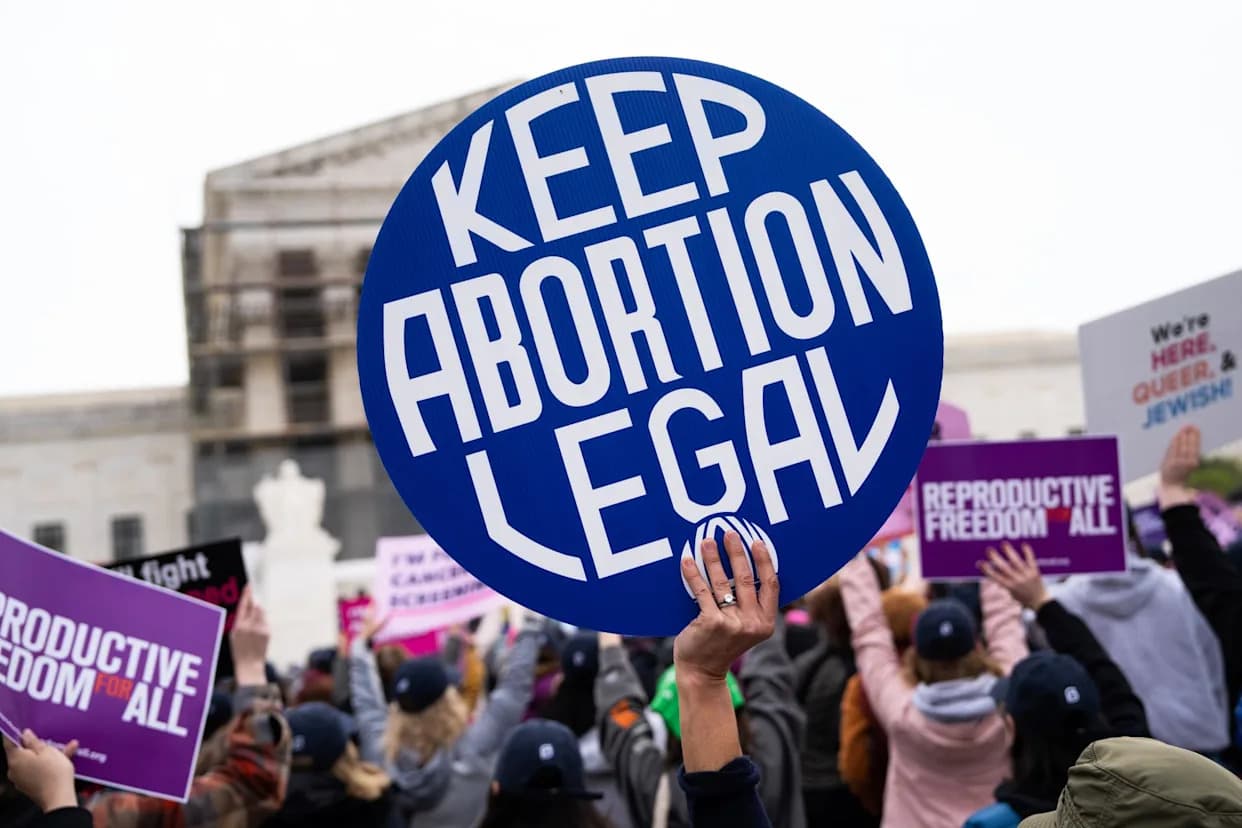
People protest in response to the Dobbs v Jackson Women's Health Organization ruling in front of the Supreme Court on June 24, 2022 in Washington, DC. The Court's decision in Dobbs v Jackson Women's Health overturns the landmark 50-year-old Roe v Wade case and erases a federal right to an abortion. - Brandon Bell/Getty Images
What the New VA Rule Changes
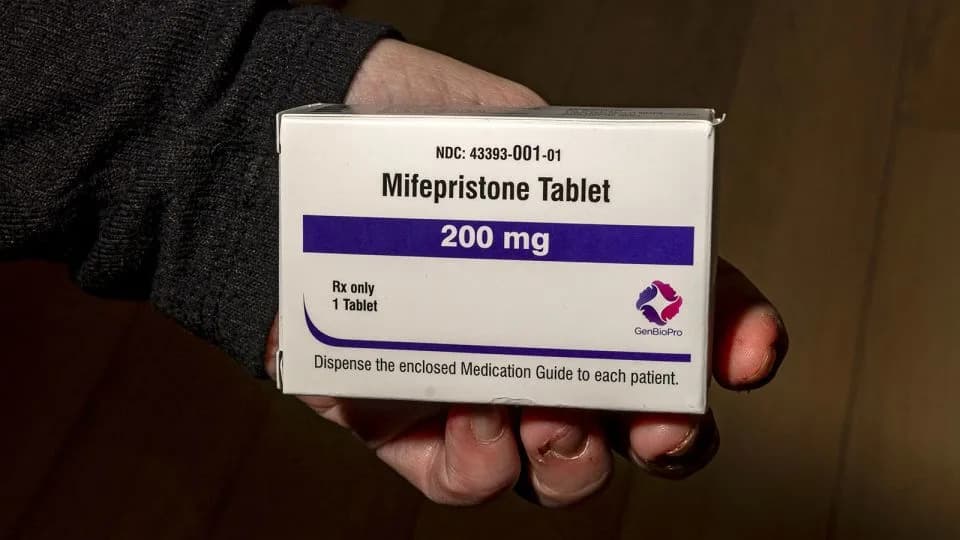
On New Year’s Eve, the Department of Veterans Affairs quietly published a new rule that sharply limits abortion services at VA facilities. Under the policy, the VA will authorize abortions only in narrow circumstances: ectopic pregnancies, miscarriage management, or when a physician determines a pregnant person’s life would be endangered by continuing the pregnancy. The rule removes explicit authorization for abortions in cases of rape and incest and rescinds broader maternal-health criteria that had been permitted under a previous VA policy.
The US Department of Veterans Affairs seal is stands at the headquarters in Washington, DC, on May 10, 2013. - Andrew Harrer/Bloomberg/Getty Images
Veterans, Clinicians, and Advocates React
Veterans, VA clinicians and reproductive-rights advocates have condemned the change, saying it will harm women — particularly survivors of military sexual trauma — and erode trust in VA health care. Many clinicians worry the new rule will chill evidence-based counseling and make providers reluctant to authorize care out of fear of reprisal or legal uncertainty.
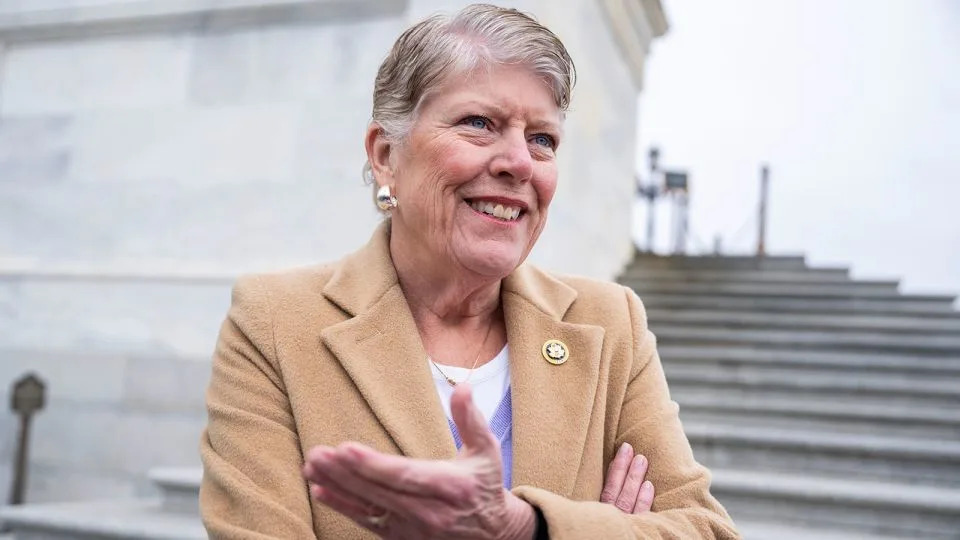
Rep. Julia Brownley, D-Calif., talks with reporters outside the US Capitol on January 9. - Tom Williams/CQ-Roll Call, Inc./Getty Images
“This is all insane,” Feringa said, calling the policy dystopian and arguing that women should retain authority over their own bodies. “You’re not going to provide care for a woman who’s been raped?”
National Nurses United, representing roughly 13,500 nurses at nearly two dozen VA facilities, called the policy "misogynistic, dangerous, and discriminatory," and reproductive-rights groups described it as "devastating" to veterans who rely on the VA for care.

Sen. Tammy Duckworth listens during a news conference at the U.S. Capitol Building on January 6, in Washington, DC. - Anna Moneymaker/Getty Images/File
Legal Rationale and Political Fight
The VA says the change was driven by a Department of Justice opinion concluding the VA is not legally authorized to provide abortions, though the department’s rule clarifies that procedures necessary to save a pregnant veteran’s life are not considered abortions under relevant federal law and therefore remain permissible. Agency spokesman Peter Kasperowicz did not elaborate publicly on why rape and incest were excluded from permitted circumstances.
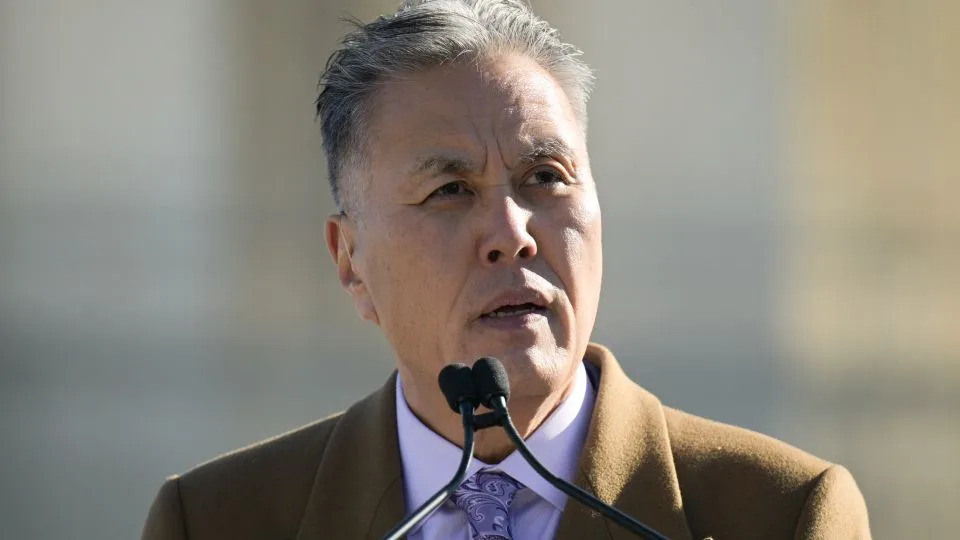
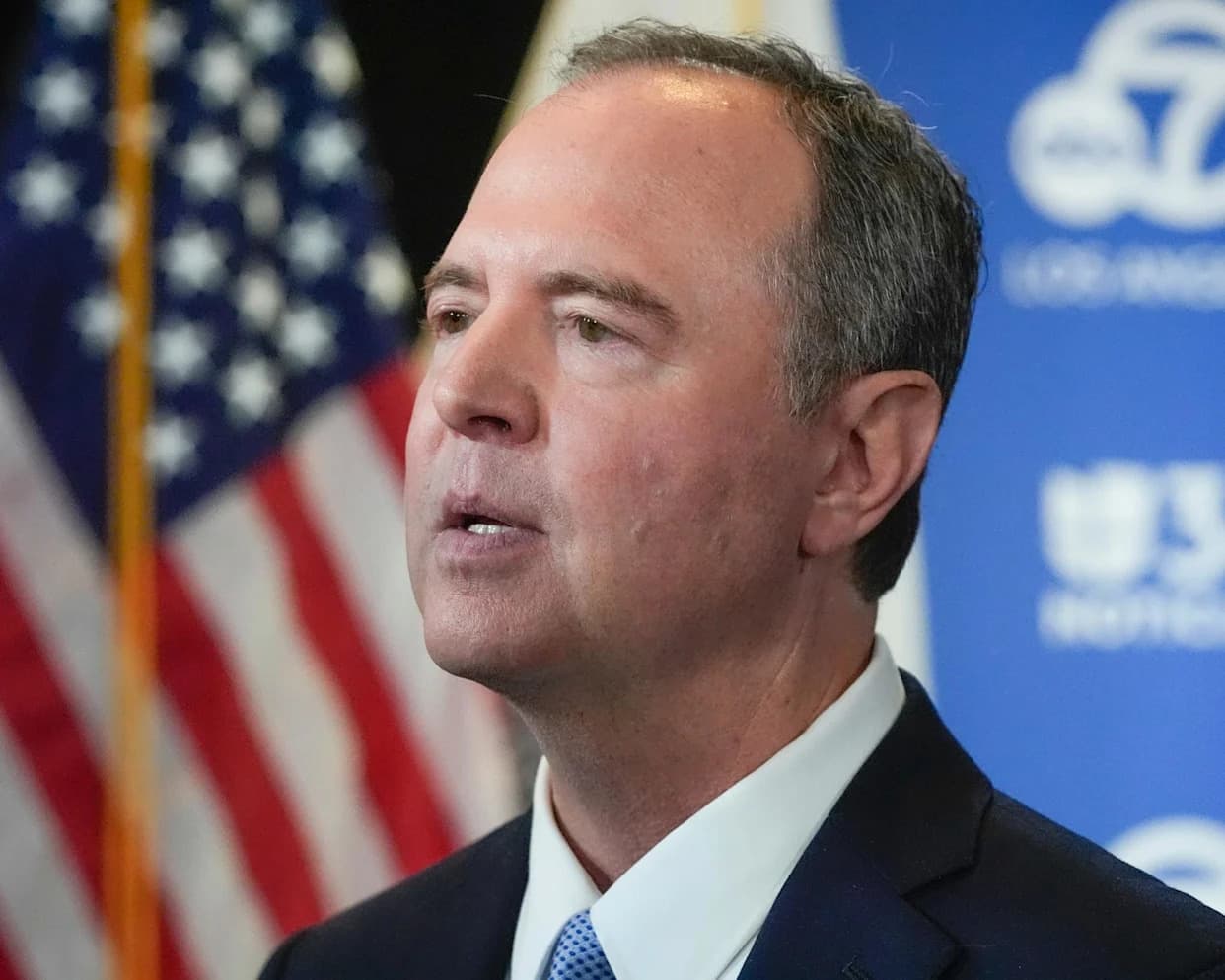
Rep. Mark Takano speaks outside the US Supreme Court on January 13, in Washington, DC. - Oliver Contreras/AFP/Getty Images/File
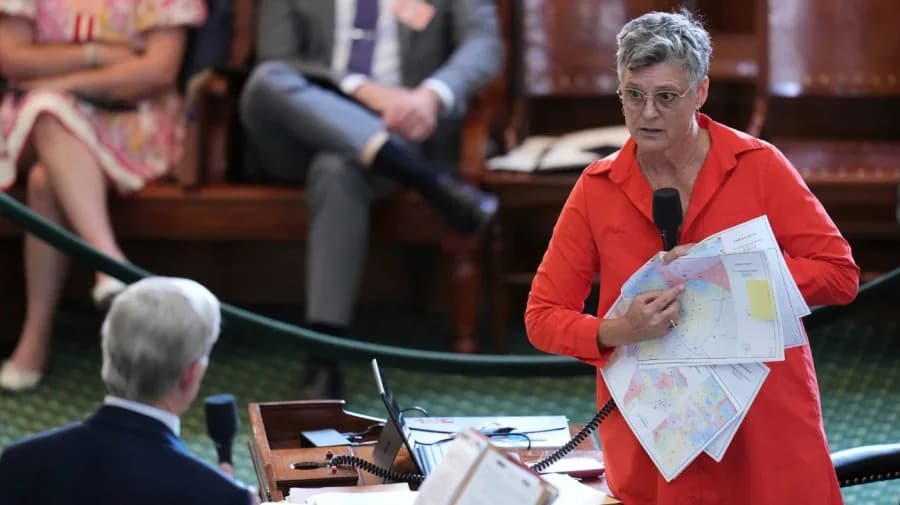
Democrats in Congress have introduced bills to restore authorization for abortion and abortion counseling across the VA health system, and Senate and House Democrats have announced efforts to overturn the rule. VA Secretary Doug Collins is scheduled to appear on Capitol Hill to answer questions about VA health care and the policy change.
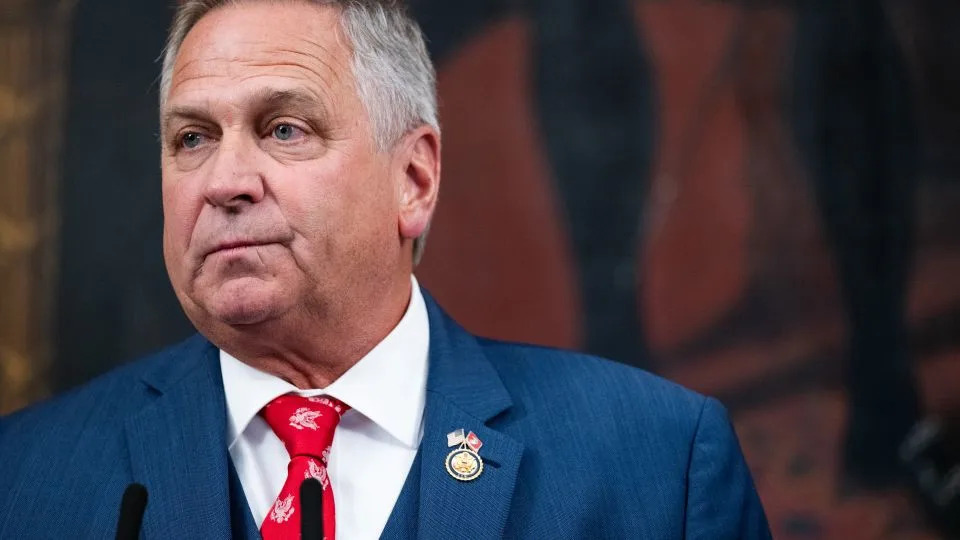
Rep. Mike Bost is seen during a news conference at the US Capitol in Washington, DC, on October 9, 2025. - Annabelle Gordon/Bloomberg/Getty Images/File
Broader Implications
Advocates point out that the VA’s new restrictions could leave veterans with fewer options than people in the federal Bureau of Prisons system, which allows federal funding for abortions in cases of rape, incest or when the pregnancy endangers the woman’s life. The change also comes against a backdrop of high rates of sexual assault in the armed forces: a 2023 Pentagon survey estimated that 7% of women service members experienced unwanted sexual contact in the prior year.
VA clinicians warn the narrower policy could delay care and create dangerous barriers for patients whose pregnancies pose serious—but not immediately life-threatening—health risks, such as severe hypertension, renal disorders or serious mental-health conditions. Lawmakers and advocacy groups remain sharply divided, and litigation or congressional action could follow.
What’s next: The new rule is effective immediately and applies to all VA facilities nationwide. VA leaders now face scrutiny on Capitol Hill and possible legislative and legal challenges from opponents seeking to restore broader access to abortion services within the VA system.
Help us improve.