Substance use disorder affects about 20 million Americans and costs roughly $820 billion annually. HHS is shifting from symptom-only responses to a prevention- and recovery-focused agenda that emphasizes community connection, early intervention, and evidence-based care. New actions include the $100 million Streets initiative, $794 million in SAMHSA block grants for 2026, $10 million for court-ordered outpatient treatment, expanded use of medication-assisted treatment in child-risk cases, and guidance to include faith-based recovery providers.
Prevent Addiction Before It Takes Hold: HHS Launches 'Streets' Initiative and Major Recovery Funding
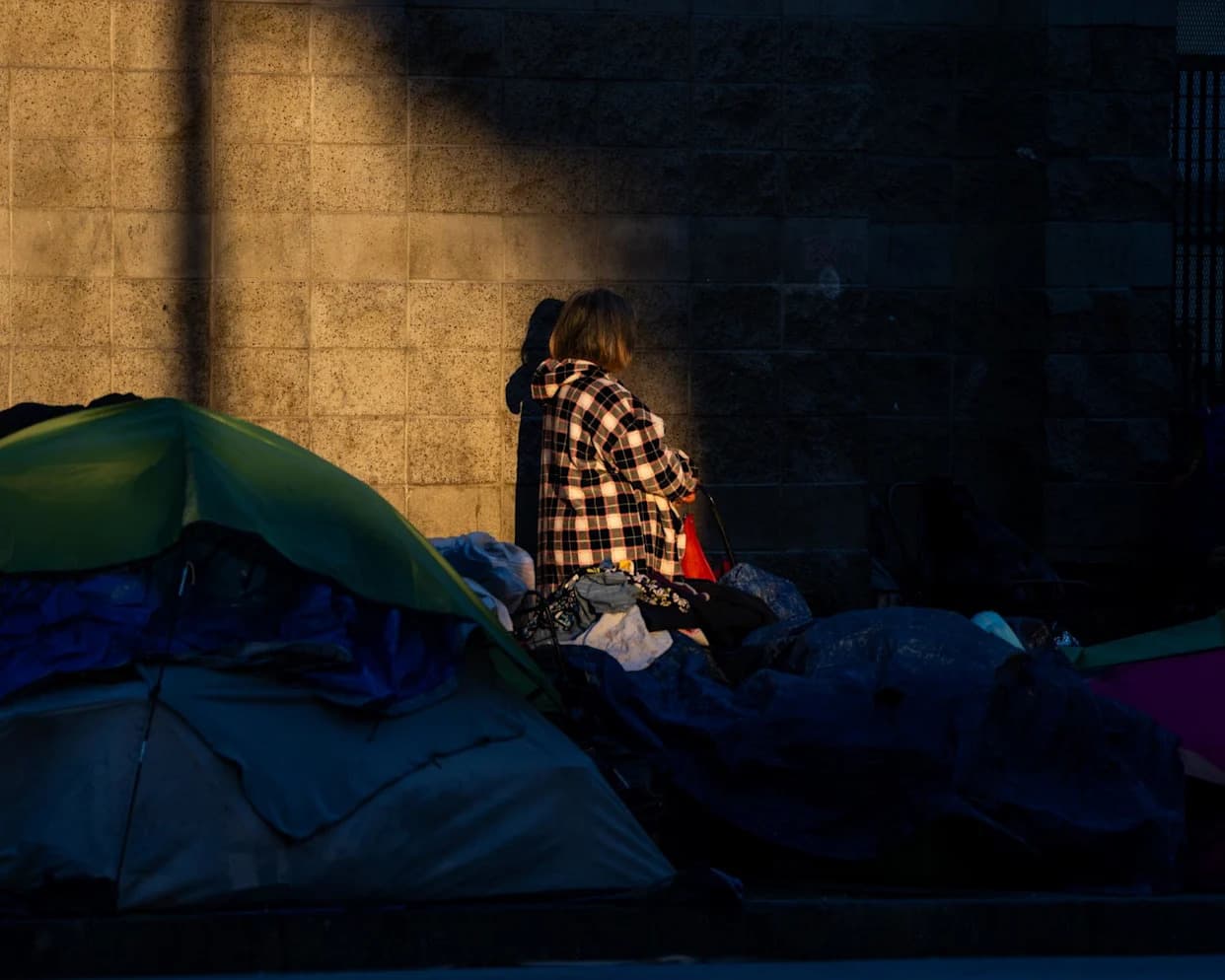
Substance use disorder is a quiet but widespread crisis in the United States. It affects roughly 20 million Americans, costs taxpayers an estimated $820 billion each year, and shows up in ways we sometimes fail to connect: untreated mental illness, crime, and homelessness.
This is more than a policy matter for me — it is personal. I have struggled with addiction and understand the shame, isolation, and desperation that often accompany it. My life could have followed a very different path, but timely interventions by loved ones and access to preventative supports helped me reclaim my life. Reaching people earlier, before addiction takes hold, is essential to preventing needless tragedy.
Substance use disorders develop when the body becomes dependent on drugs or alcohol. While addiction involves biological and chemical processes, social isolation and untreated mental illness frequently lie at the root. Restoring human connection is central to recovery.
Why Prevention Matters
The focus on treating the symptoms of addiction — while important — is not enough. During the prior administration years, overdose deaths surged: nearly 114,000 people died of overdose from 2022 to 2023. With accidental drug overdose now the leading cause of death for Americans under 45, and roughly one in ten Americans affected by alcohol use disorder, we cannot afford to wait until crisis points to act.
What the Department of Health and Human Services Is Doing
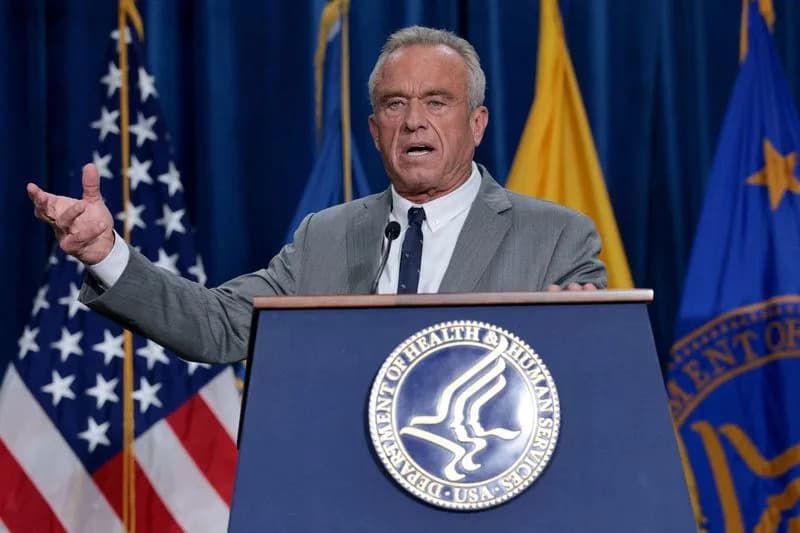
In accordance with President Trump’s "Great American Recovery" executive order, I have announced a set of HHS actions aimed at shifting emphasis toward prevention, recovery, and community-based supports. These steps prioritize evidence-based care and community connection alongside lifesaving clinical interventions.
- Streets Initiative — $100 Million: We are launching Safety Through Recovery, Engagement, and Evidence-based Treatment and Supports ("Streets"). Streets will invest $100 million across eight regions to guide people from crisis through recovery toward stability and self-sufficiency. This builds on last year’s $45 million investment to expand sober housing for young adults in early recovery from opioid or stimulant use disorders.
- Sober Housing Expansion: Sober housing offers a therapeutic, alcohol- and drug-free environment where residents can build stability, work toward independence, and reintegrate into community life. These environments help people sustain recovery while pursuing employment, education, and family reunification.
- SAMHSA Block Grants — $794 Million: The Substance Abuse and Mental Health Services Administration (SAMHSA) will distribute $794 million in its first 2026 block grant allocation: $319 million for comprehensive community mental health services (adults with serious mental illness and children with serious emotional disturbance) and $475 million for the Substance Use Prevention, Treatment, and Recovery Services Block Grant.
- Community-Based Outpatient Treatment — $10 Million: HHS is providing $10 million to support court-ordered outpatient treatment programs. Outpatient care helps keep families together, reduces psychiatric hospitalizations, lowers incarceration rates, and decreases the risk of homelessness.
- Earlier Intervention With Medication-Assisted Treatment (MAT): States will be allowed to use federal funds for FDA‑approved medication-assisted treatment in cases where a parent's substance use disorder places a child at immediate risk of entering foster care. This policy aims to stabilize parents and prevent unnecessary family separations.
- Support For Faith-Based Organizations: HHS will issue guidance encouraging providers to welcome full participation by faith-based organizations. Faith-based recovery programs are effective for many people, and we will support approaches that demonstrably work.
Evidence, Not Ideology
These policies are grounded in hard-earned lessons and a renewed commitment to evidence-based practice. Prevention and recovery are our top priorities, and our approach is guided by what works in communities: early intervention, coordinated mental health care, safe housing, medication when appropriate, and social supports that restore connection.
"Recovery begins before addiction takes hold — with connection, community, and timely support."
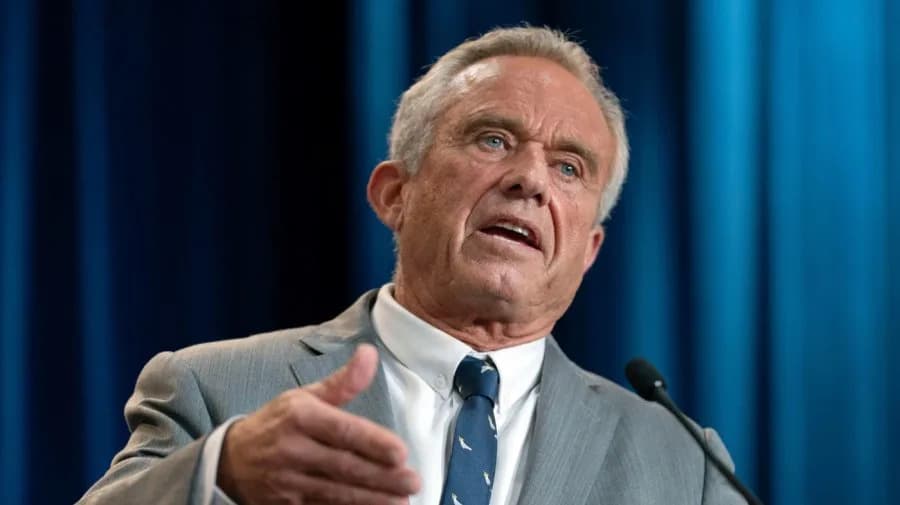
Robert F. Kennedy, Jr. is the 26th Secretary of the U.S. Department of Health and Human Services.
Help us improve.