The Disruptive Experimental Electric Propulsion (DEEP) Lab has opened at Harwell Campus to develop and test electric satellite engines. Built by Magdrive, the £3.8m facility received £1.8m from the UK Space Agency and will be accessible to start-ups, aerospace companies and researchers. The site includes specialist infrastructure such as a 2-metre vacuum chamber for thruster testing and is intended to accelerate UK innovation in electric propulsion.
UK Opens DEEP Lab at Harwell to Advance Electric Satellite Engines
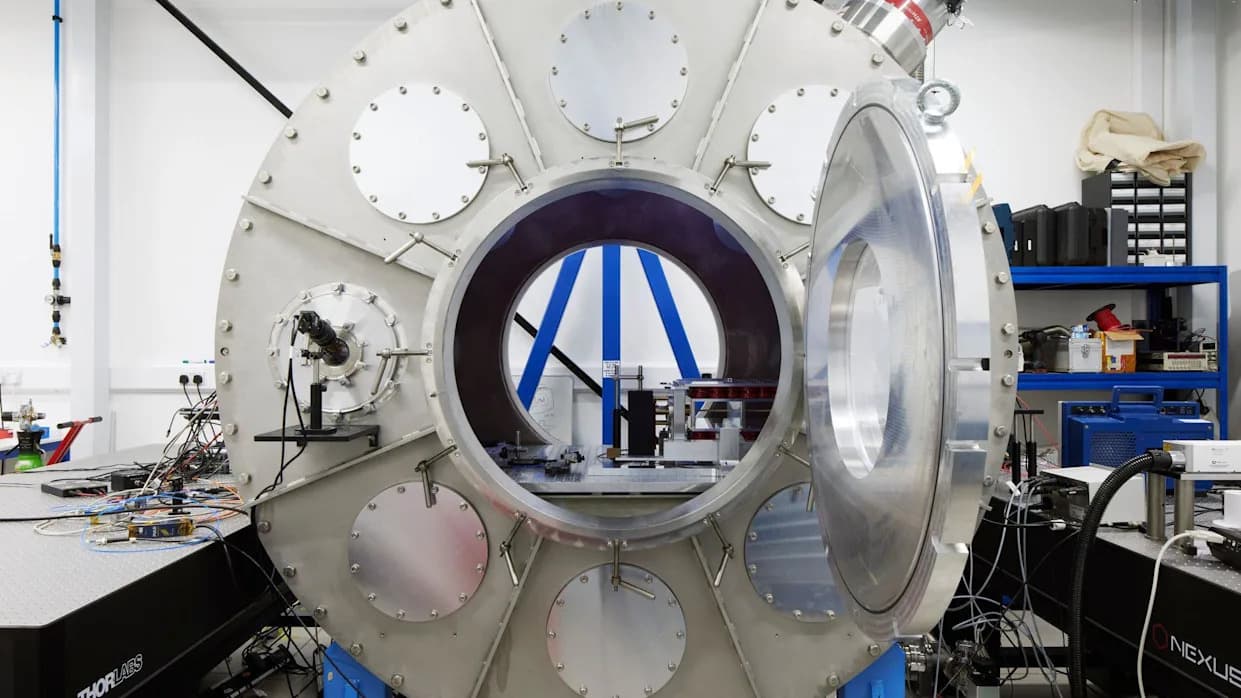
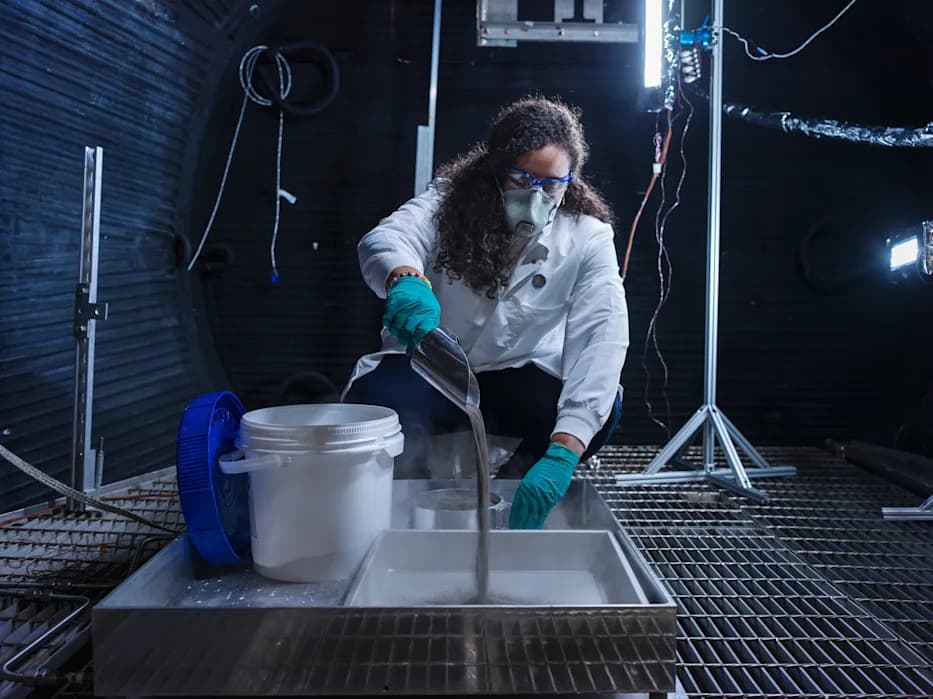
The new £3.8m lab is based on Harwell Campus, in Oxfordshire [Jack Hobhouse]
A new laboratory to develop and test electric propulsion systems for satellites — the Disruptive Experimental Electric Propulsion (DEEP) Lab — has opened at the Harwell Campus in Oxfordshire.
Built by space-technology company Magdrive, the £3.8m facility received a £1.8m part-funding contribution from the UK Space Agency. It will be available to start-ups, established aerospace firms and academic researchers seeking specialist testing infrastructure for electric thrusters.
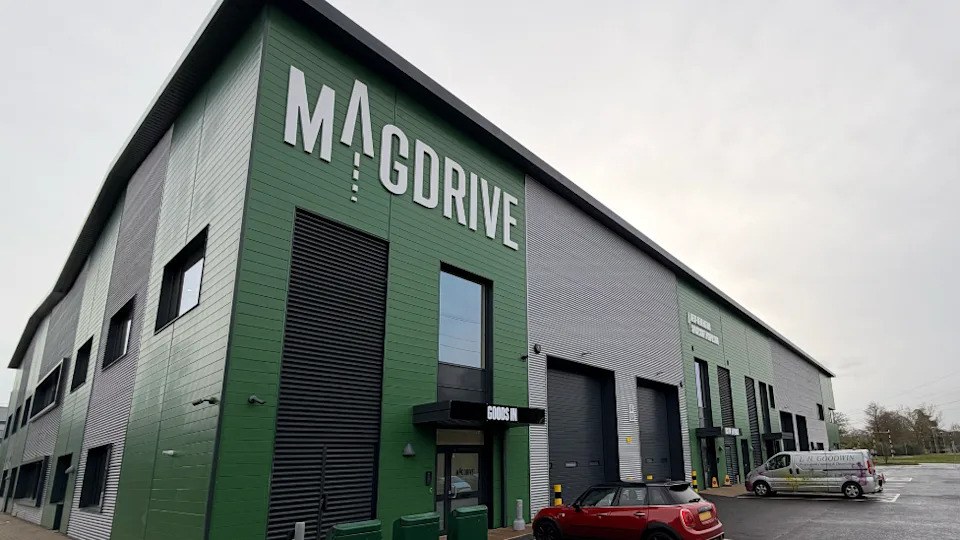
The new facility was part funded by the UK Space Agency [UK Space Agency]
What the Facility Offers
The DEEP Lab houses a range of purpose-built facilities to accelerate development and validation of electric propulsion systems. Key infrastructure includes a 2-metre-wide vacuum chamber for thruster testing, dedicated test bays, and collaboration spaces intended to help developers scale prototypes toward flight readiness.
Why Electric Propulsion Matters
Electric propulsion enables satellites to manoeuvre, maintain and adjust orbits, and extend mission lifetimes while consuming far less propellant than conventional chemical rockets. These efficiencies support longer missions, more agile on-orbit operations and more cost-effective satellite constellations.
Space Minister Liz Lloyd said: "Electric propulsion is shaping the future of how we operate in space. By opening its doors to the wider space community, the DEEP Lab will accelerate the pace of discovery and help cement the UK's reputation as a global leader in space technology."
Dr Paul Bate, chief executive of the UK Space Agency, described the investment as "a fantastic example of how targeted investment can deliver real impact", adding that accessible testing capabilities will help accelerate innovation across the industry.
Mark Stokes, co-founder and CEO of Magdrive, said the facility would "create new opportunities for collaboration and discovery" and provide users with pragmatic routes to test and mature propulsion systems.
By combining public investment with private-sector expertise, the DEEP Lab aims to lower barriers for smaller companies and university teams, increase domestic testing capacity and strengthen the UK's position in the global space supply chain.
Help us improve.