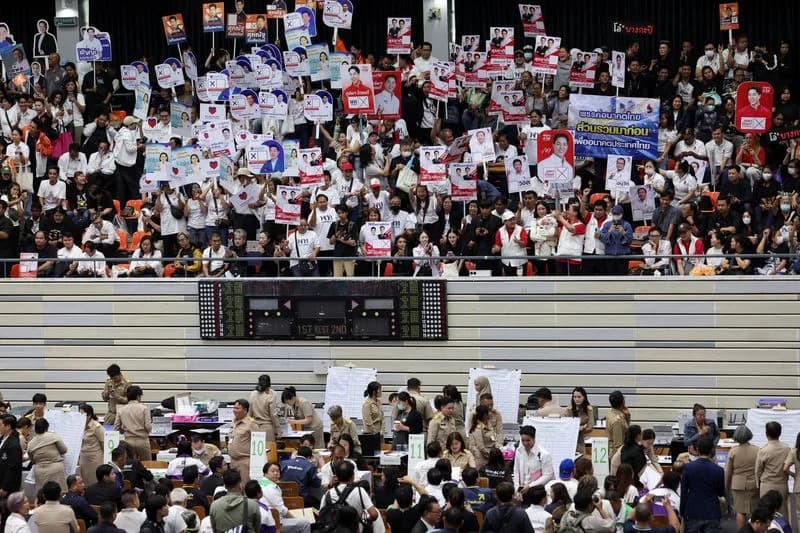
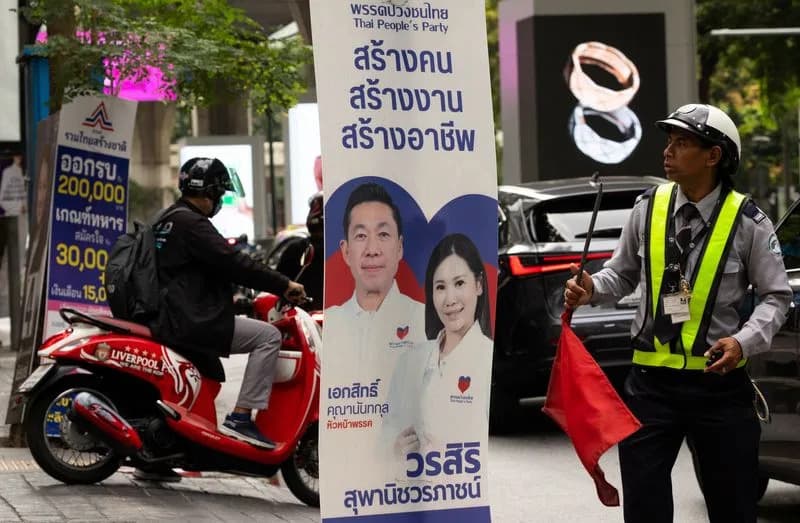
The Feb. 8 referendum in Thailand asks voters whether to replace the 2017 constitution, which critics say concentrates power in unelected institutions and weakens democratic checks. Voters can choose "Yes", "No" or "No opinion"; a "Yes" majority would authorize parliament to begin drafting a new charter. Key issues include the 200-member Senate's selection and the powers of unelected bodies. If approved, two more referendums would be required and the full process could take at least two years; a "No" result would keep the current charter while leaving open targeted parliamentary amendments.
Explainer: Why Thai Voters Will Decide Whether to Replace the 2017 Constitution
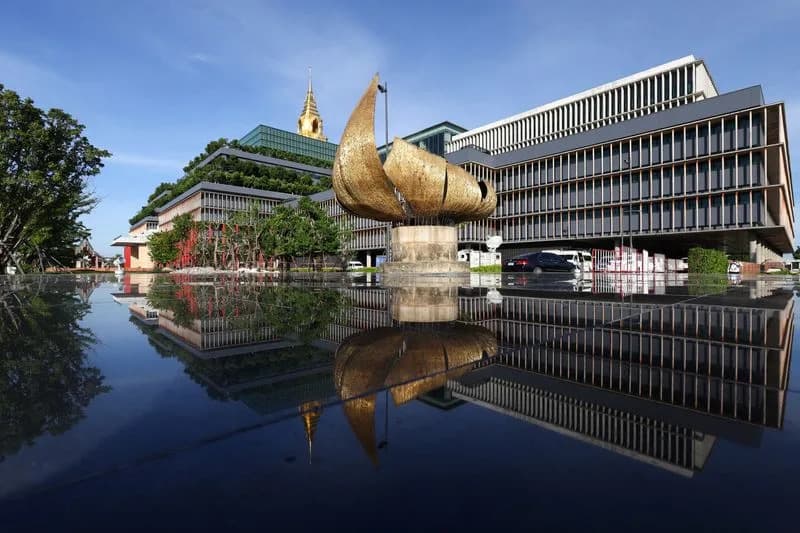
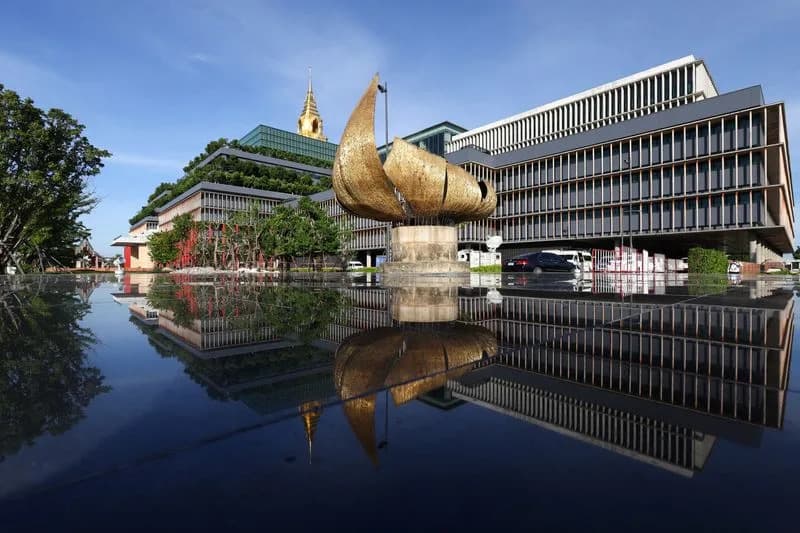
A generic view of Thailand's parliament in Bangkok, Thailand, July 13, 2023. REUTERS/Athit Perawongmetha
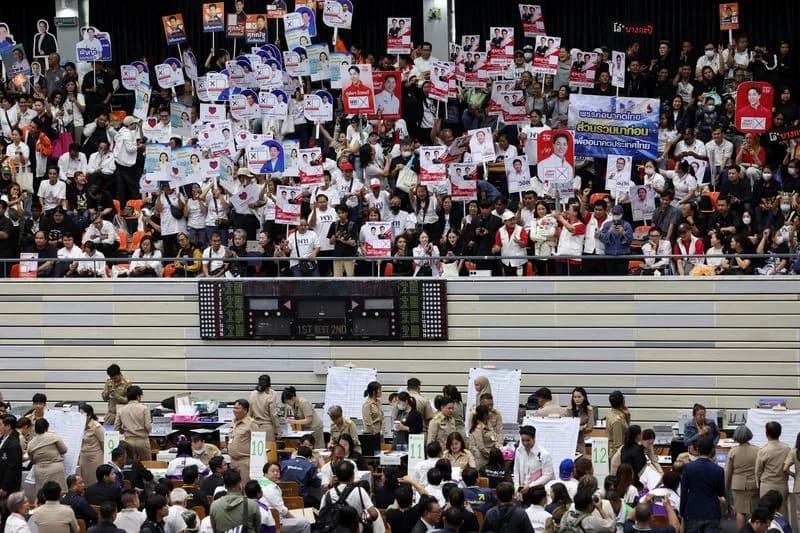
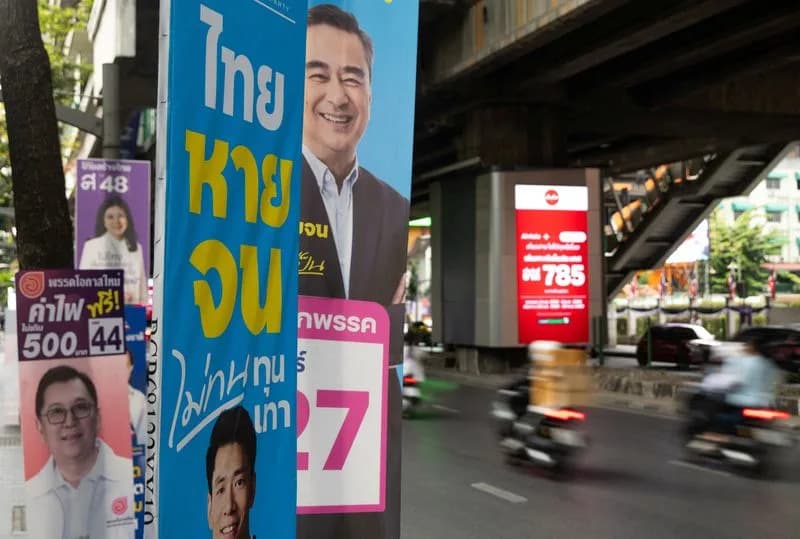
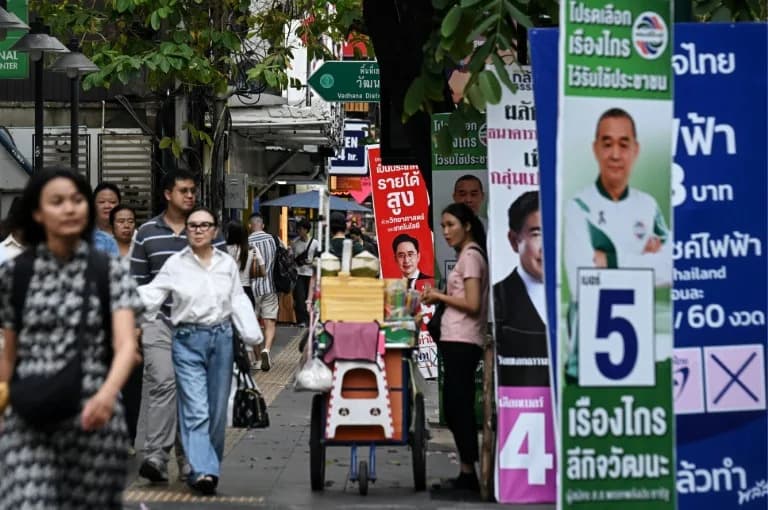
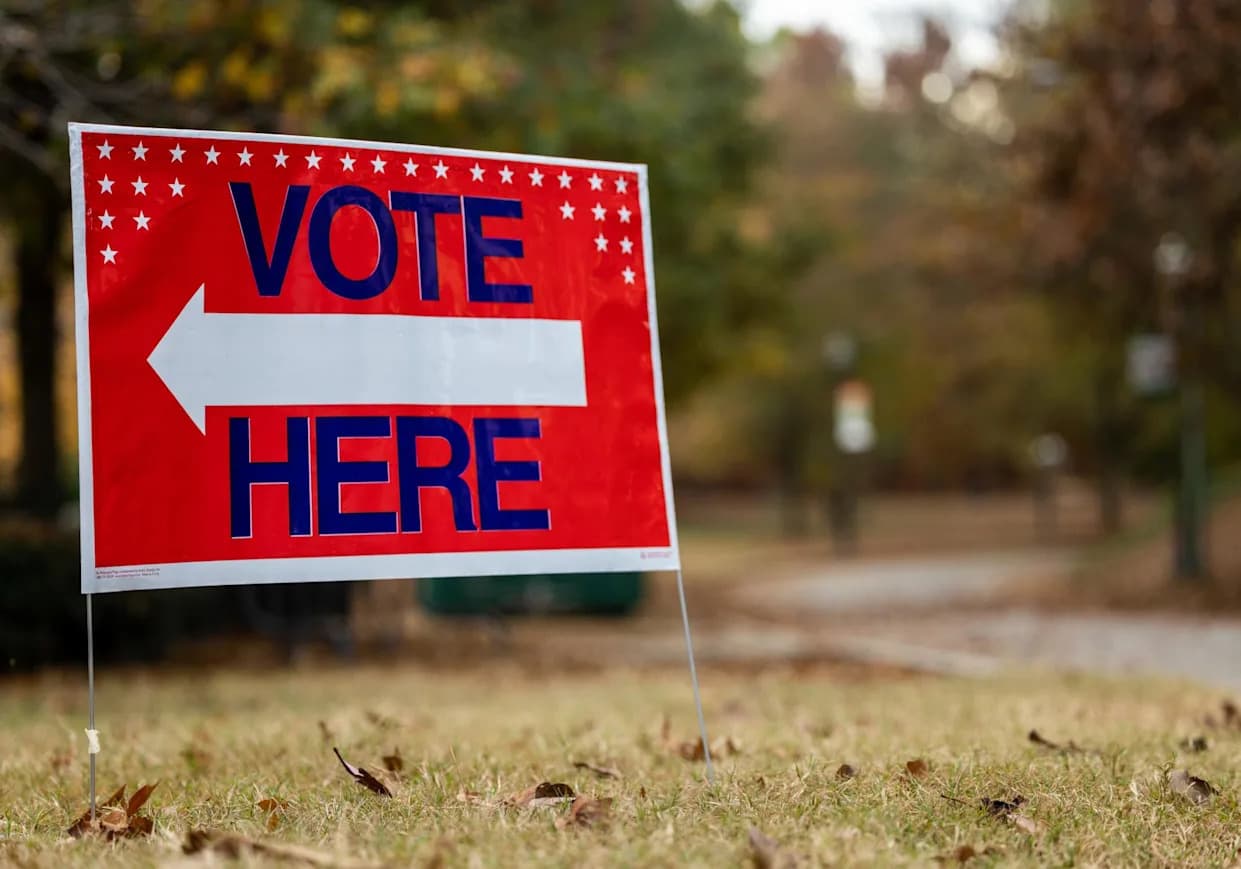
BANGKOK — On Feb. 8, Thai voters will cast ballots in a general election and simultaneously decide in a referendum whether to replace the current 2017 constitution with an entirely new charter.
What Is The Referendum?
The ballot asks one question: "Do you approve that there should be a new constitution?" Voters may choose "Yes", "No" or "No opinion." A majority "Yes" would give the next parliament a public mandate to begin drafting a new national constitution. A majority "No" would leave the 2017 charter in place; that constitution was drafted by a military-appointed committee after the 2014 coup.
Unlike previous referendums in 2007 and 2016 — which asked voters to endorse specific post-coup draft constitutions — this vote asks only whether the country should start a fresh, public drafting process.
Why It Matters
Thailand has had about 20 constitutions since the end of absolute monarchy in 1932, with many changes following military interventions. Critics contend the 2017 charter concentrates power in unelected institutions, weakens democratic checks and curtails civil liberties.
At the center of these concerns is the Senate. Its 200 members are selected through a largely indirect process that gives limited direct public input and allows established networks to shape its composition. The Senate has key oversight roles in lawmaking and the authority to appoint judges to the Constitutional Court and other unelected bodies. Those bodies have at times dissolved political parties and banned elected leaders from office, critics say.
Opponents of the current balance of power trace it to a long-running clash between a conservative, royalist establishment backed by the military and popular political movements associated with former premier Thaksin Shinawatra. Critics also argue the charter subordinated civil rights to state security and public morality.
Who Supports And Who Opposes Change?
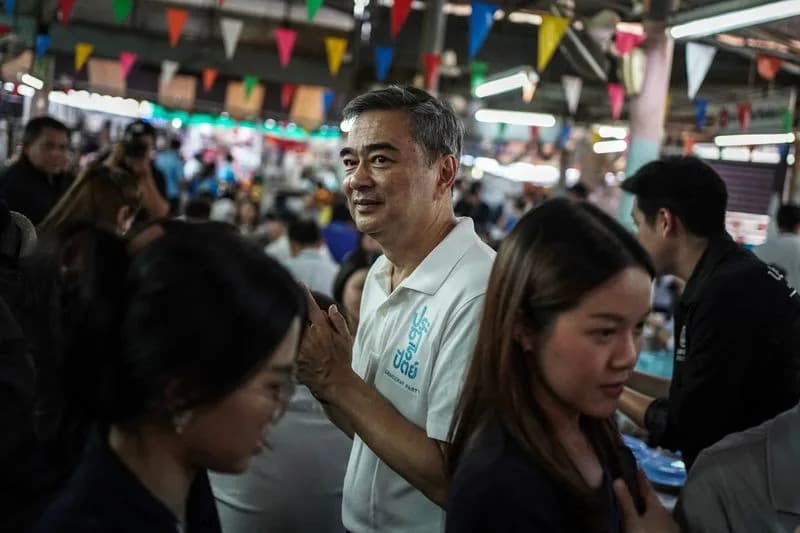
Most mainstream parties — including the ruling Bhumjaithai Party and opposition parties such as the People’s Party and Pheu Thai — support starting a new drafting process and are urging supporters to vote "Yes." Bhumjaithai has stressed, however, that any changes should not alter provisions related to the monarchy.
Resistance comes mainly from ultra‑conservative figures and pro‑military parties such as the United Thai Nation Party, which backed former junta leader Prayuth Chan‑ocha. That party’s influence has declined: it won just 36 of 500 seats in the last election.
What Happens Next?
If a majority votes "Yes," lawmakers and the incoming government can begin a multi-step process in parliament. Adopting a new constitution would require two further referendums: one to approve the framework and rules for drafting the charter and a final referendum to ratify the completed draft. Experts say the process could take at least two years from the initial approval.
If the referendum is rejected, parliament still retains the power to propose and pass amendments to individual articles of the existing constitution.
Reporting: Panu Wongcha-um. Edited for clarity and flow.
Help us improve.