Voters in Thailand's Feb. 8 general election will also decide via referendum whether to begin drafting a new constitution to replace the 2017 charter. A majority "Yes" would initiate a multi-stage process requiring two further referendums to approve the drafting process and ratify a final draft; experts say it could take at least two years. Critics argue the 2017 constitution strengthens unelected institutions, notably a 200-member Senate selected indirectly, and limits democratic checks and civil liberties. Major mainstream parties back starting a new drafting process while ultra-conservative, pro-military forces oppose it.
Thailand’s Feb. 8 Referendum: Will Voters Replace the 2017 Constitution?

A generic view of Thailand's parliament in Bangkok, Thailand, July 13, 2023. REUTERS/Athit Perawongmetha
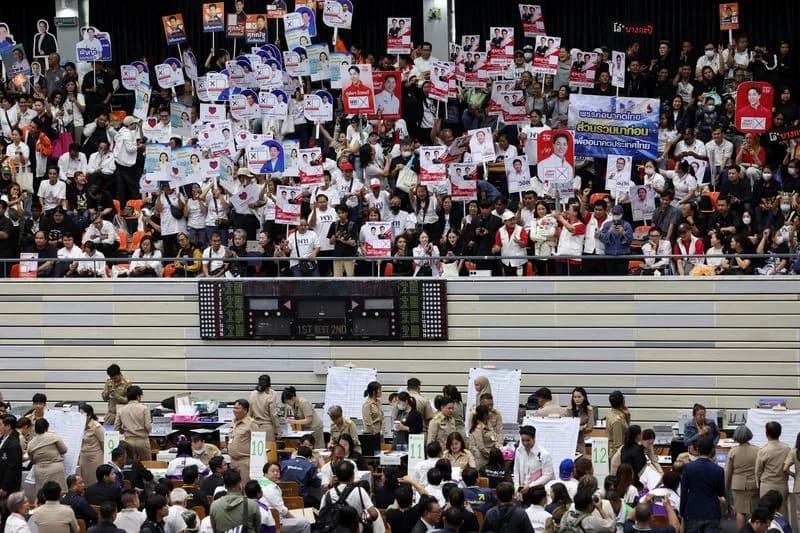
BANGKOK, Jan 30 — Voters in Thailand's general election on Feb. 8 will also face a referendum asking whether the 2017 constitution should be replaced with a new national charter. The ballot poses a single question: "Do you approve that there should be a new constitution?" Voters may answer "Yes", "No" or "No opinion".
What The Referendum Would Do
A majority "Yes" would give parliament a public mandate to begin a formal constitutional-drafting process. That parliamentary work would first establish the framework, principles and the body responsible for drafting the new charter. If this initial stage is approved, two further referendums are required: one to approve the drafting process and a final one to ratify the completed draft. Experts say the full process could take at least two years.
Why It Matters
Since the end of absolute monarchy in 1932, Thailand has had 20 constitutions, with many changes following military takeovers; critics note there have been 13 successful coups over the last 94 years. Opponents of the 2017 constitution argue it entrenches unelected power, weakens democratic checks and narrows civil liberties by subordinating rights to state security and public morality.
The Role Of The Senate And Unelected Institutions
Central to these concerns is the Senate, a 200-member upper house chosen through a largely indirect selection process with limited public participation. The Senate plays an oversight role in legislation and participates in appointments to bodies such as the Constitutional Court. It also has influence over party dissolution cases and the potential banning of political leaders from office. Critics say these powers give unelected institutions outsized influence over Thailand's political life.
Supporters And Opponents
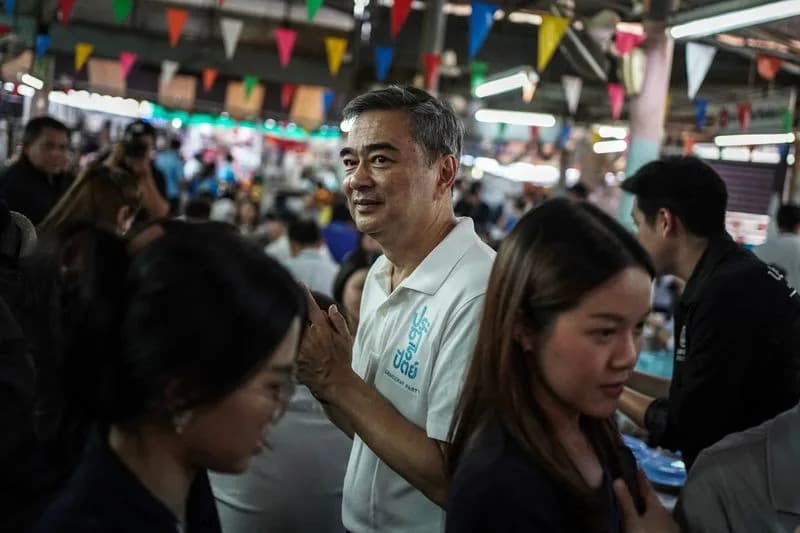
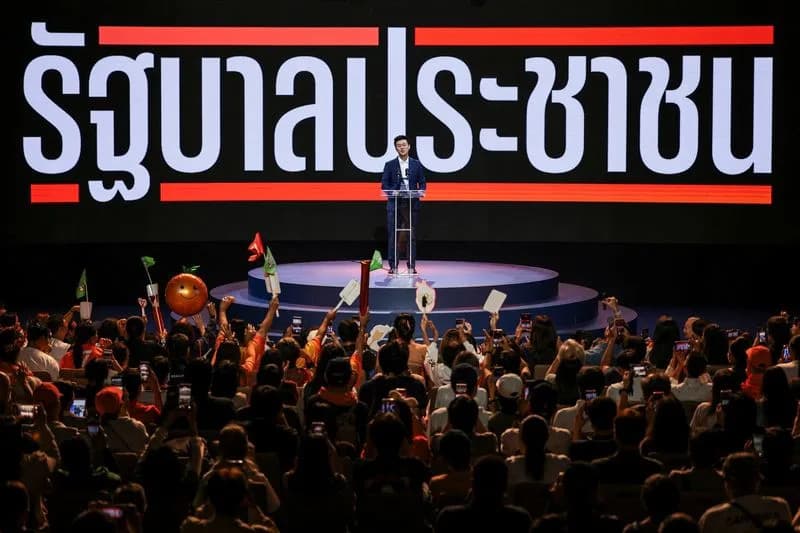
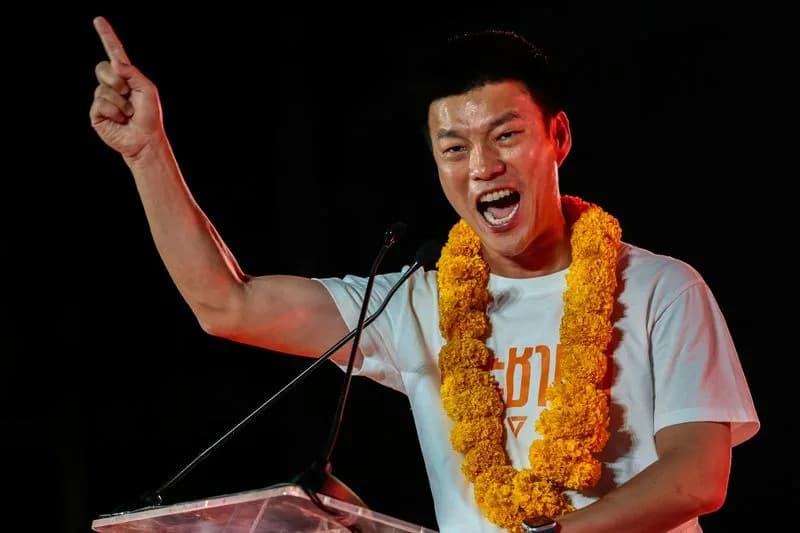
Most mainstream parties — including the ruling Bhumjaithai Party and opposition groups like the People's Party and Pheu Thai — support launching a fresh constitutional process and are encouraging a "Yes" vote. Bhumjaithai has emphasised that any amendments should not alter provisions related to the monarchy. Opposition to change primarily comes from ultra-conservative and pro-military groups, such as the United Thai Nation Party, which has seen its influence decline since backing former junta leader Prayuth Chan-ocha.
Possible Outcomes And Next Steps
If "Yes" prevails, the incoming government and lawmakers would set out a drafting framework and appoint those responsible for writing the charter, followed by a referendum to approve that process and a final referendum to ratify the draft. If "No" wins, the 2017 constitution remains in effect, though parliament can still pursue amendments to individual articles through the regular legislative process.
Reporting by Panu Wongcha-um; edited for clarity.
Help us improve.