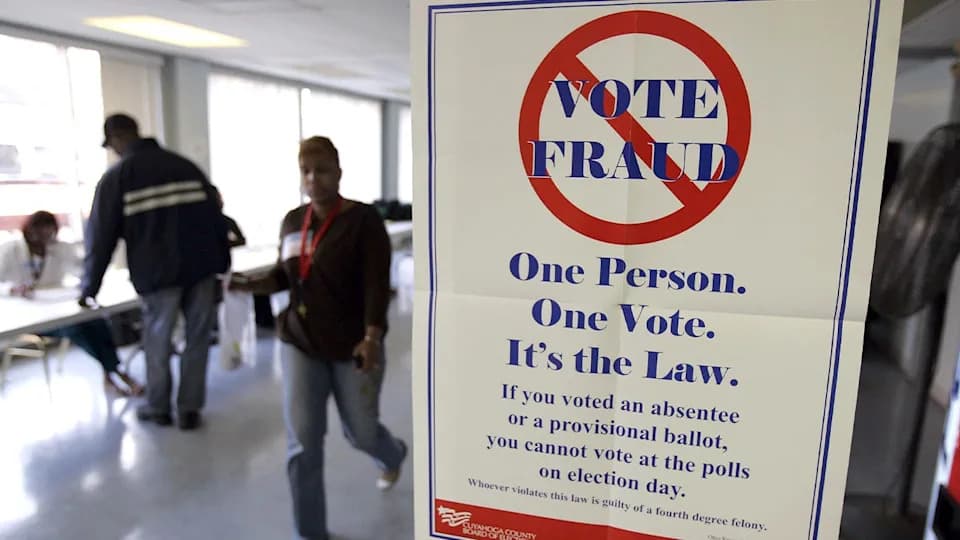
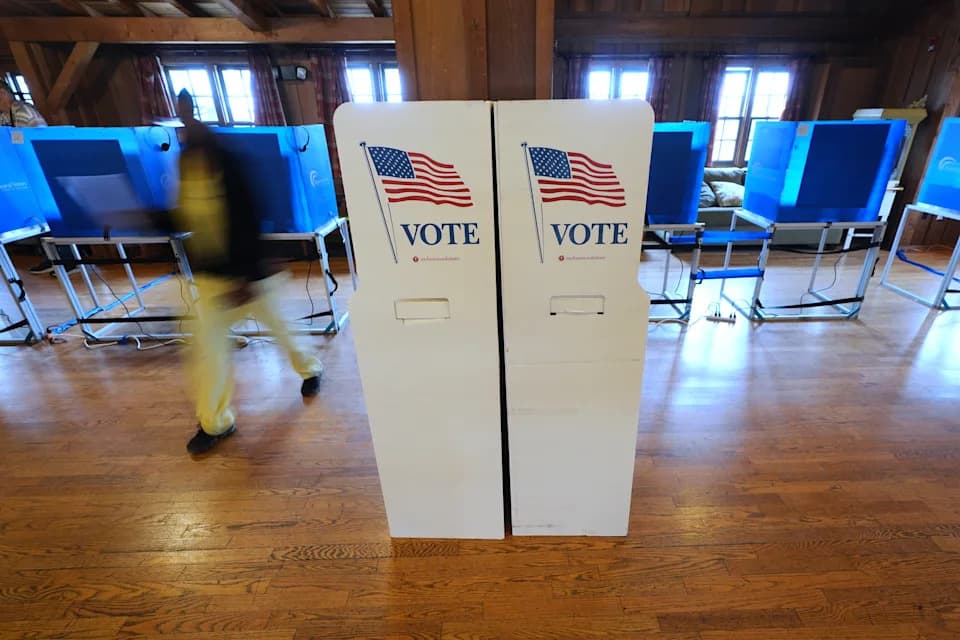
Last-minute changes to voting rules would be chaotic and unfair. Nearly 20,000 election officials are already completing essential preparations — signature checks, training, recruiting and voter outreach — so sweeping procedural changes now would risk disenfranchisement and operating failure. Bills like the SAVE Act and the Make Elections Great Again Act would impose stricter ID requirements and curb universal vote-by-mail, but their implementation is too late for November and would likely undermine public confidence.
The Coin Toss Is Over: Why It's Too Late To Rewrite Rules For November's Vote
Imagine this Sunday the captains of the Seattle Seahawks and the New England Patriots meet at midfield for the coin toss. Just before the flip, a league official announces: three downs instead of four, touchdowns worth eight points, and 20-minute quarters instead of 15.
Both teams would be thrown into confusion. The 70,000 fans in Levi's Stadium and the roughly 200 million viewers worldwide would struggle to absorb the sudden rule changes, and the losing side’s supporters would howl that the game had been stolen.
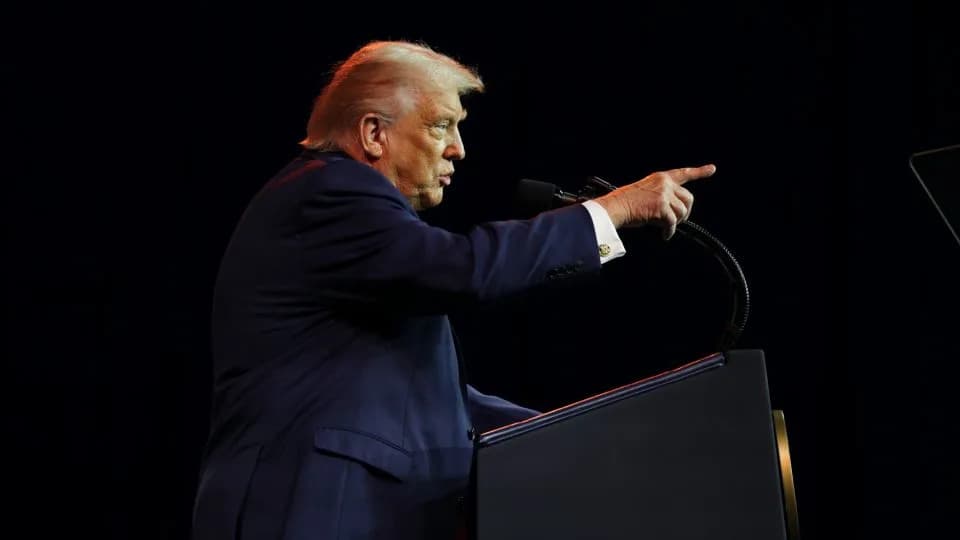
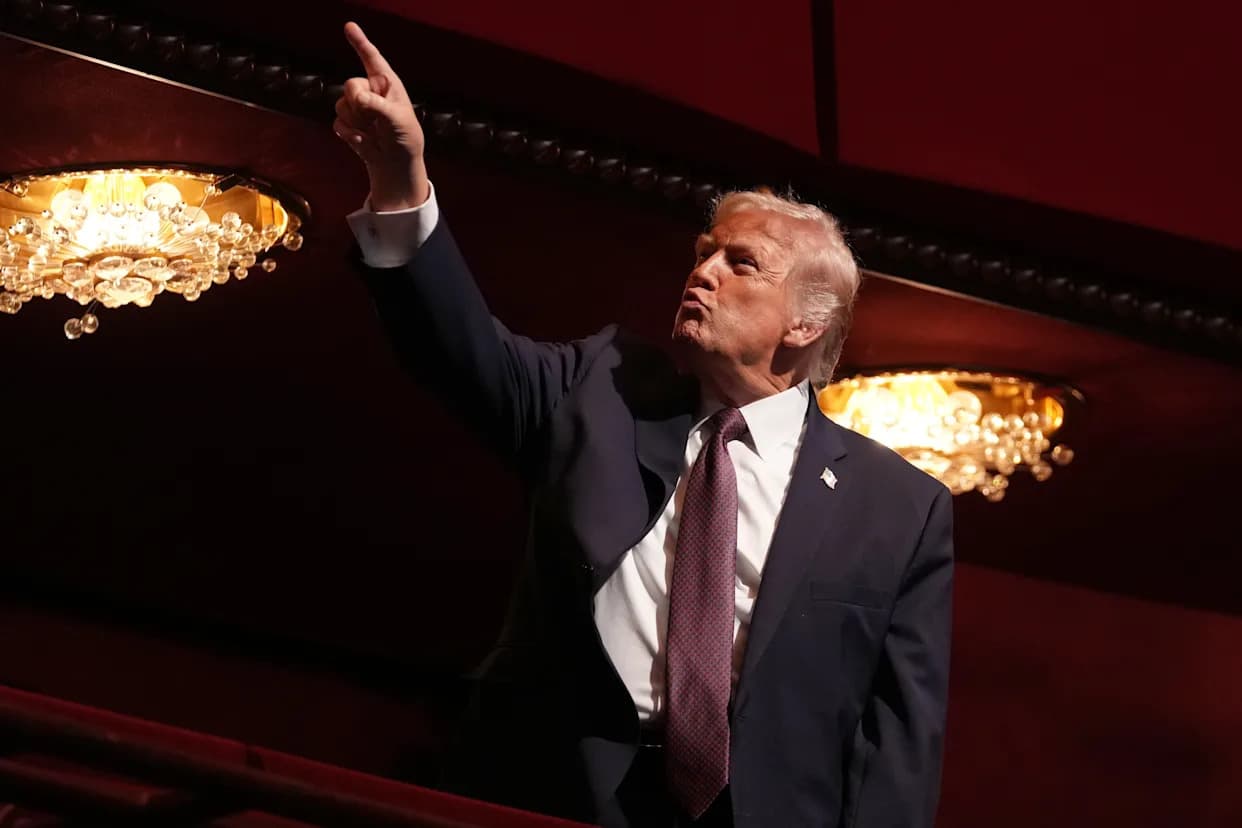
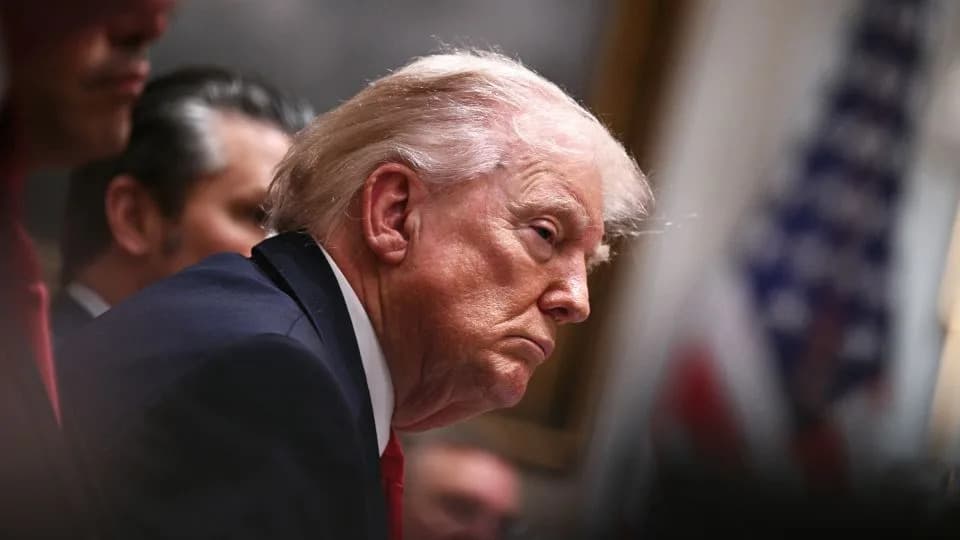
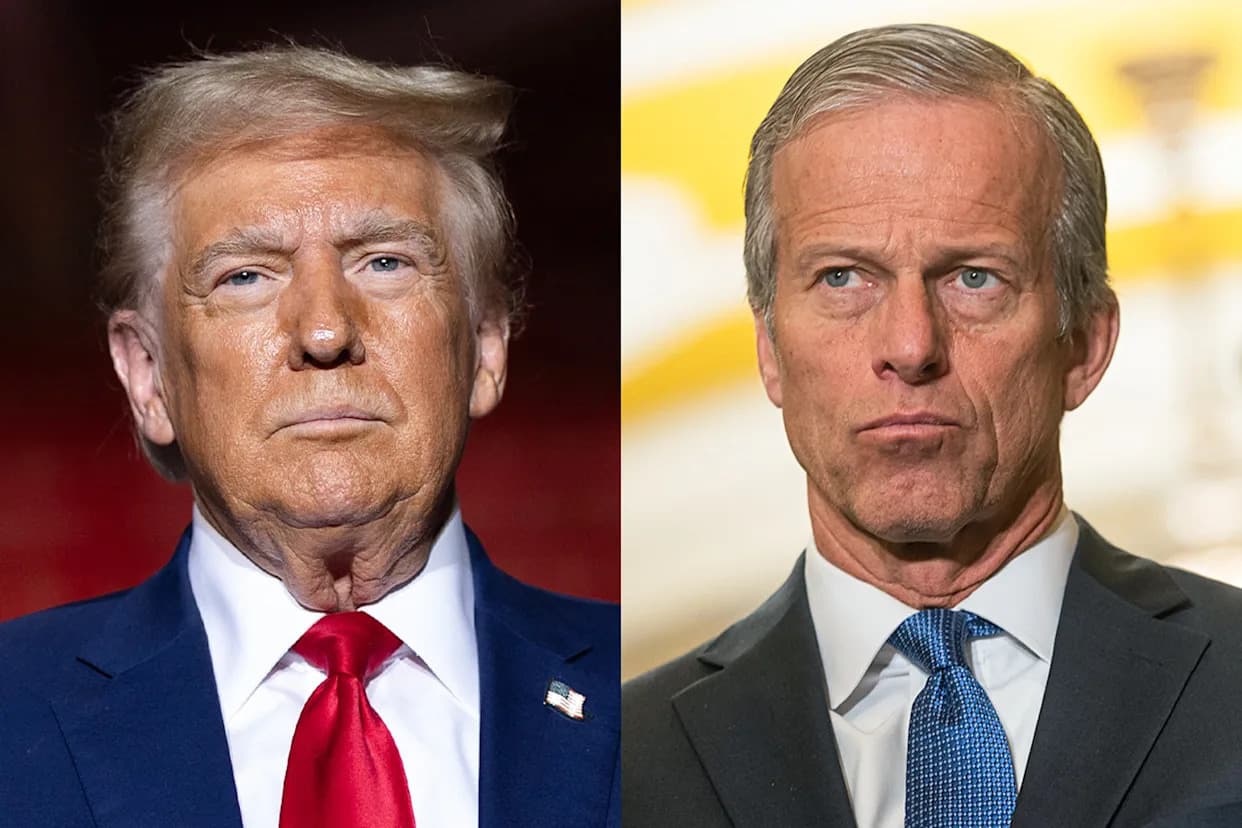
That sports metaphor captures the stakes for American elections today. President Donald Trump and some congressional Republicans are proposing major changes to how Americans vote just weeks or months before the November election — a move many election administrators and judges say is both impractical and dangerous.
What Election Officials Are Already Doing
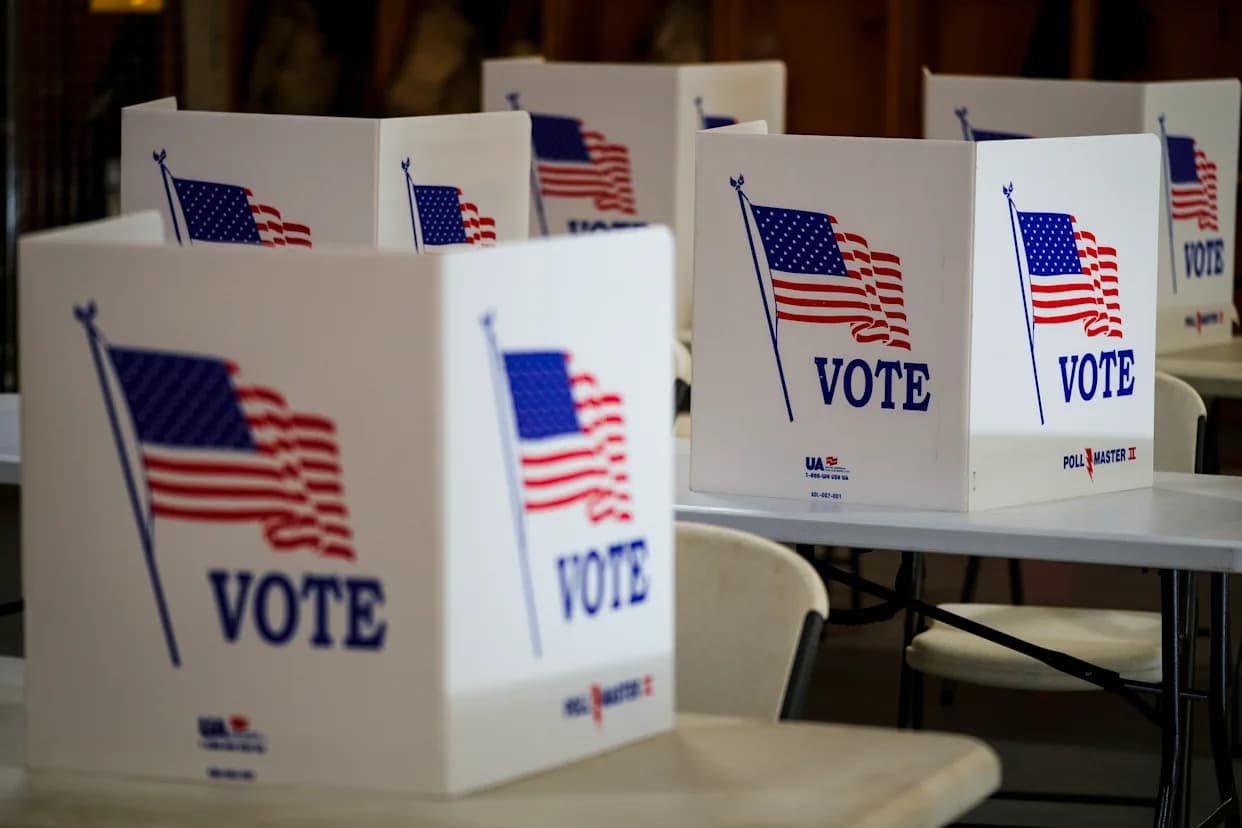
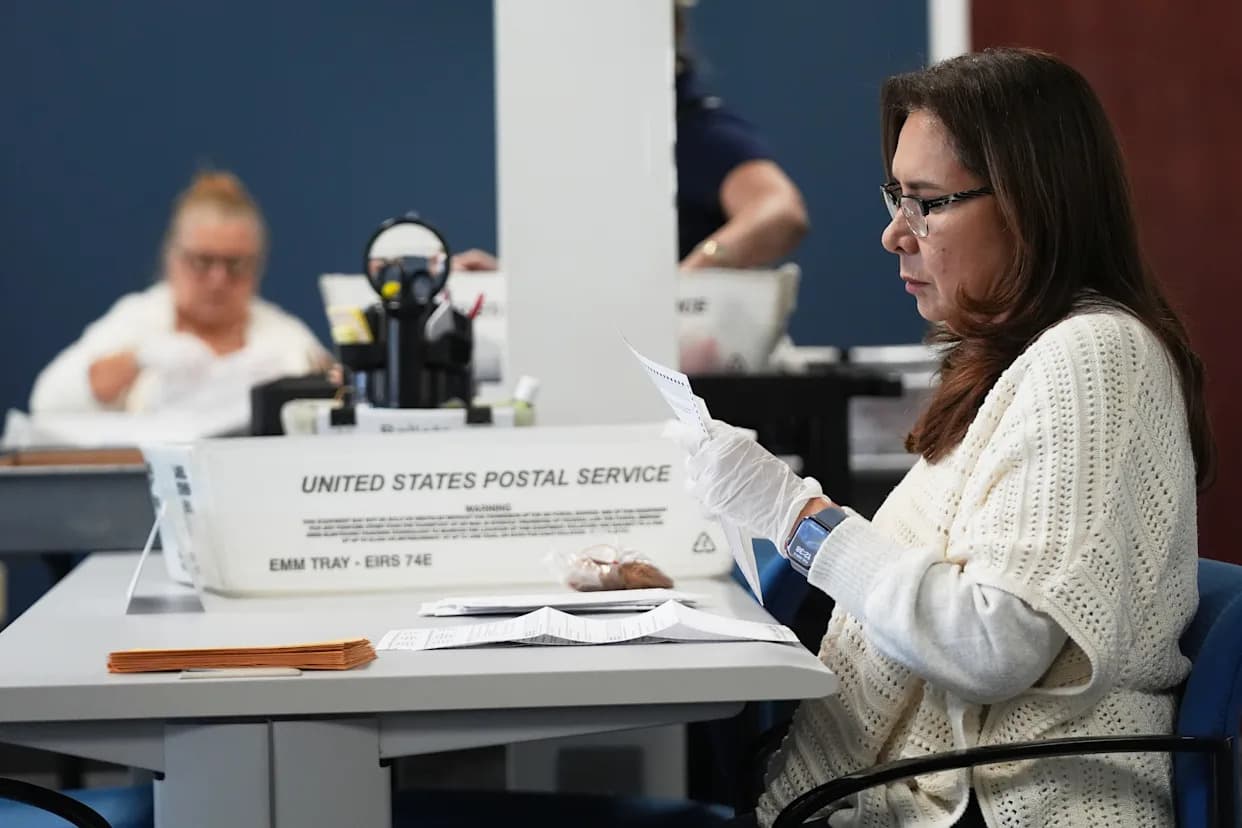
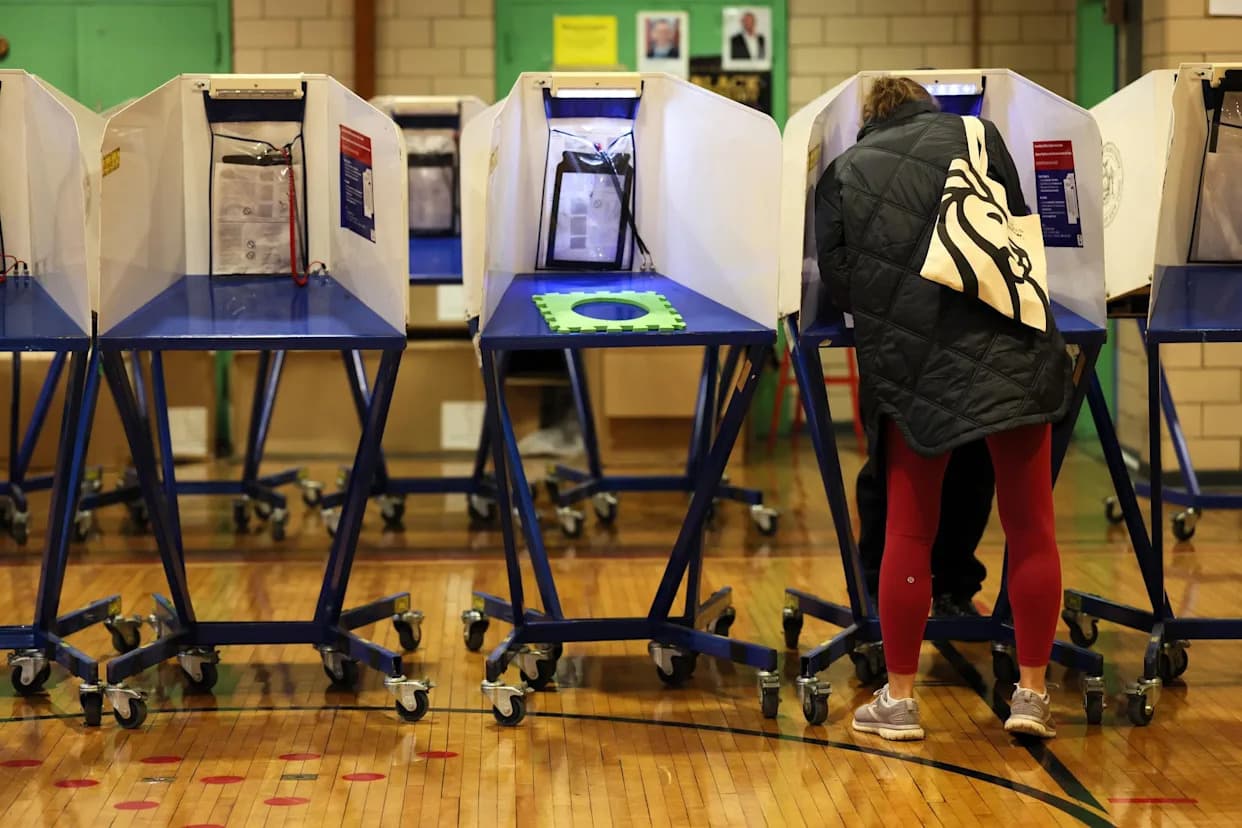
For nearly 20,000 local election administrators across the country, preparations are already well underway. Offices from Seattle to Miami are verifying candidate petition signatures, finalizing training guides for poll workers and election judges, mailing address-confirmation postcards to voters who haven't voted recently, and recruiting temporary staff and volunteers. The nationwide "Help America Vote Day" recruitment drive took place in late January.
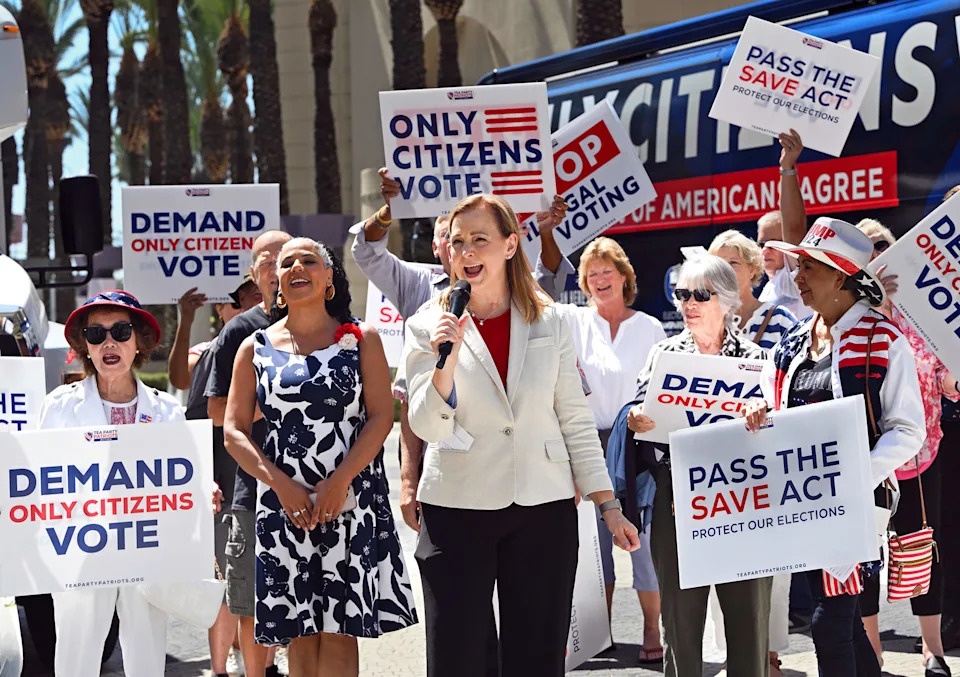
Jenny Beth Martin, honorary chairman of Tea Party Patriots Action, center, joins other supporters of the SAVE Act as Tea Party Patriots Action launches a nationwide, three-week bus tour to rally support for the voting bill in Garden Grove, CA, on Monday, August 18, 2025. The SAVE Act (Safeguard American Voter Eligibility Act, H.R. 22) is bill passed by the House of Representatives that restricts voter registration by mandating specific documents to verify citizenship. (Photo by Jeff Gritchen/MediaNews Group/Orange County Register via Getty Images)(Jeff Gritchen / MediaNews Group / Orange County Register via Getty Images)
Proposed Federal Changes And Their Effects
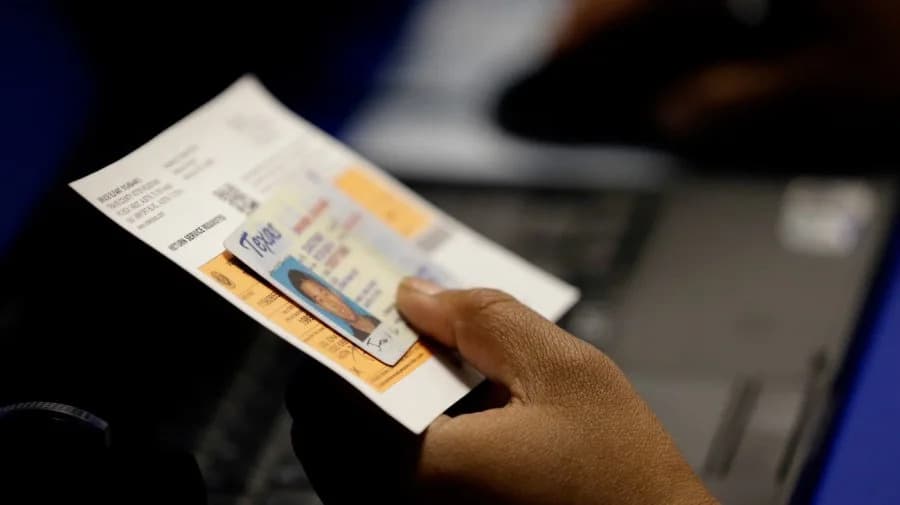
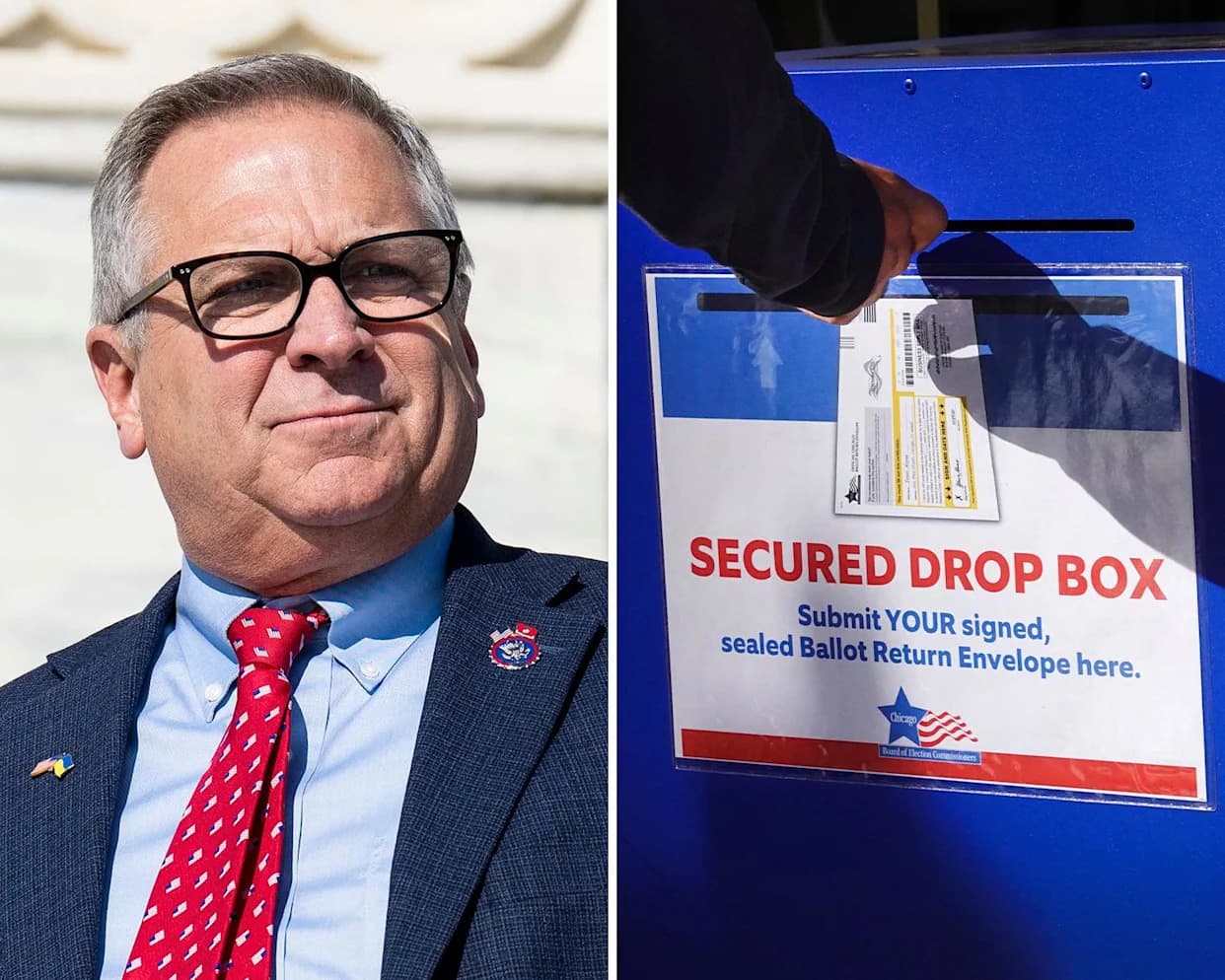
Lawmakers have introduced several bills that would reshape voting practices nationwide. The SAVE Act, which passed the House in April but stalled in the Senate, would require proof of citizenship (birth certificate, passport, or similar documents) to register. A related Senate proposal would require voters to show documents again at the ballot box. The Make Elections Great Again Act would effectively prohibit the universal vote-by-mail systems used in California, Colorado, Utah, several other states and Washington, D.C.
These proposals carry concrete consequences: an estimated 21 million American citizens lack the specific paperwork these bills demand, and such laws would all but end many voter-registration drives, including mail and online registration programs. Importantly, there is no credible evidence of widespread noncitizen voting — the problem these bills are supposed to fix.
Timing Matters: The Even-Year Rule
Beyond their substance, these measures fail a simpler test: timing. Election law experts and courts long apply an "even-year" or last-minute rule — changes that alter voting mechanics too close to an election are generally disfavored because they increase the risk of confusion and error. The logic is pragmatic: it is better to proceed with an imperfect status quo than to upend procedures at the eleventh hour.
On Jan. 6, 2021, Rep. Steve Scalise argued that election-law changes should be made in advance so "both sides knew how to play by the rules before the game started."
Practical Consequences And Public Confidence
Research shows voter confidence depends less on technical changes than on whether a person's preferred candidate won and whether their own voting experience went smoothly. Rushing sweeping changes now would almost certainly create operational headaches for election officials, disenfranchise voters who lack new forms of ID, put courts in the position of sorting disputes at the last minute, and further erode public trust.
There is room for sober debate about improving American election laws, but for practical purposes the window to implement major changes for this November has closed. The coin toss has been made; it's time to play by the rules already in place.
Help us improve.