The SAVE Act, a Trump-backed bill requiring proof of citizenship to register and vote, passed the House but faces a 60-vote cloture threshold in the Senate that the GOP’s 53-seat majority cannot meet. Some Republicans want to revive a "talking filibuster" to force Democrats to hold the floor and try to win by simple majority, but Senate Majority Leader John Thune warns the tactic would consume floor time and stall other priorities. Democrats, led by Sen. Chuck Schumer, vow to block the bill and call it voter suppression, while many Republicans resist abolishing the filibuster to protect institutional norms.
GOP Divided Over Filibuster Strategy as Trump-Backed SAVE Act Hits Senate Roadblock
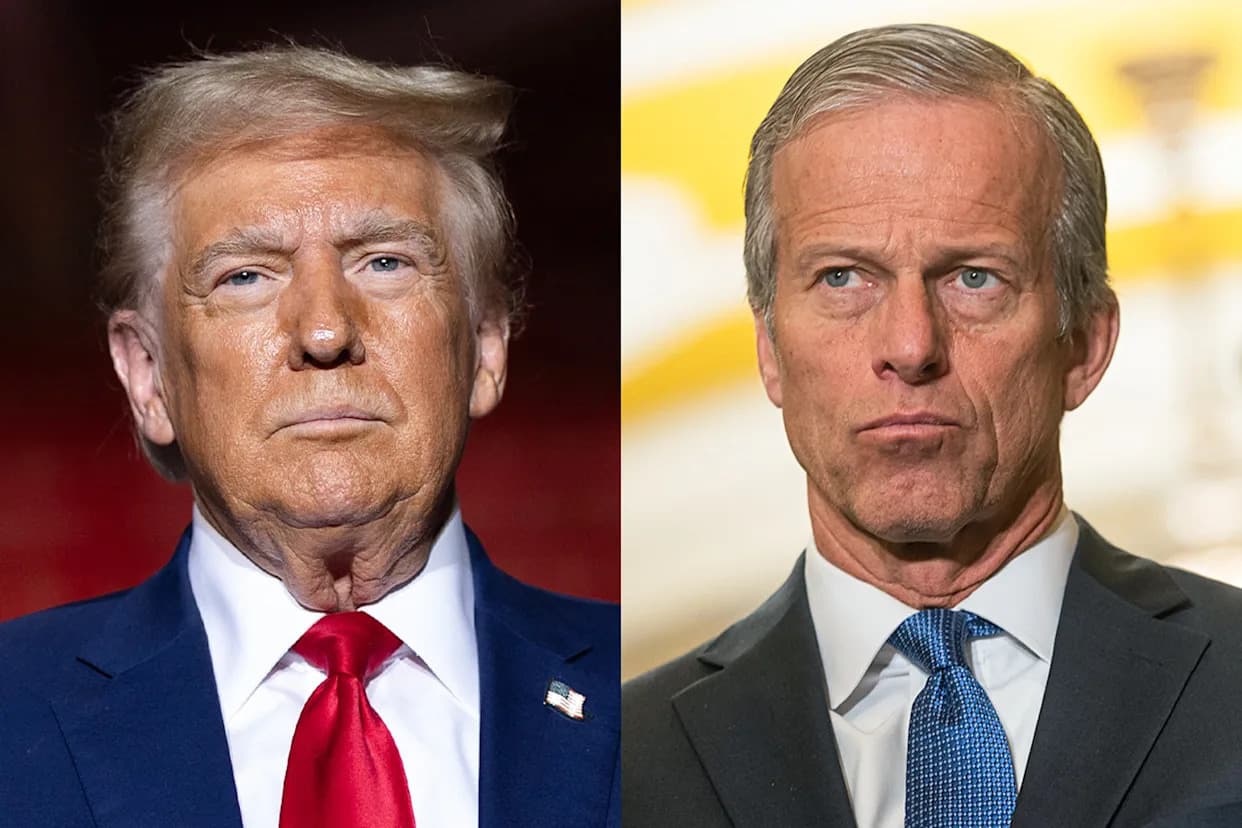
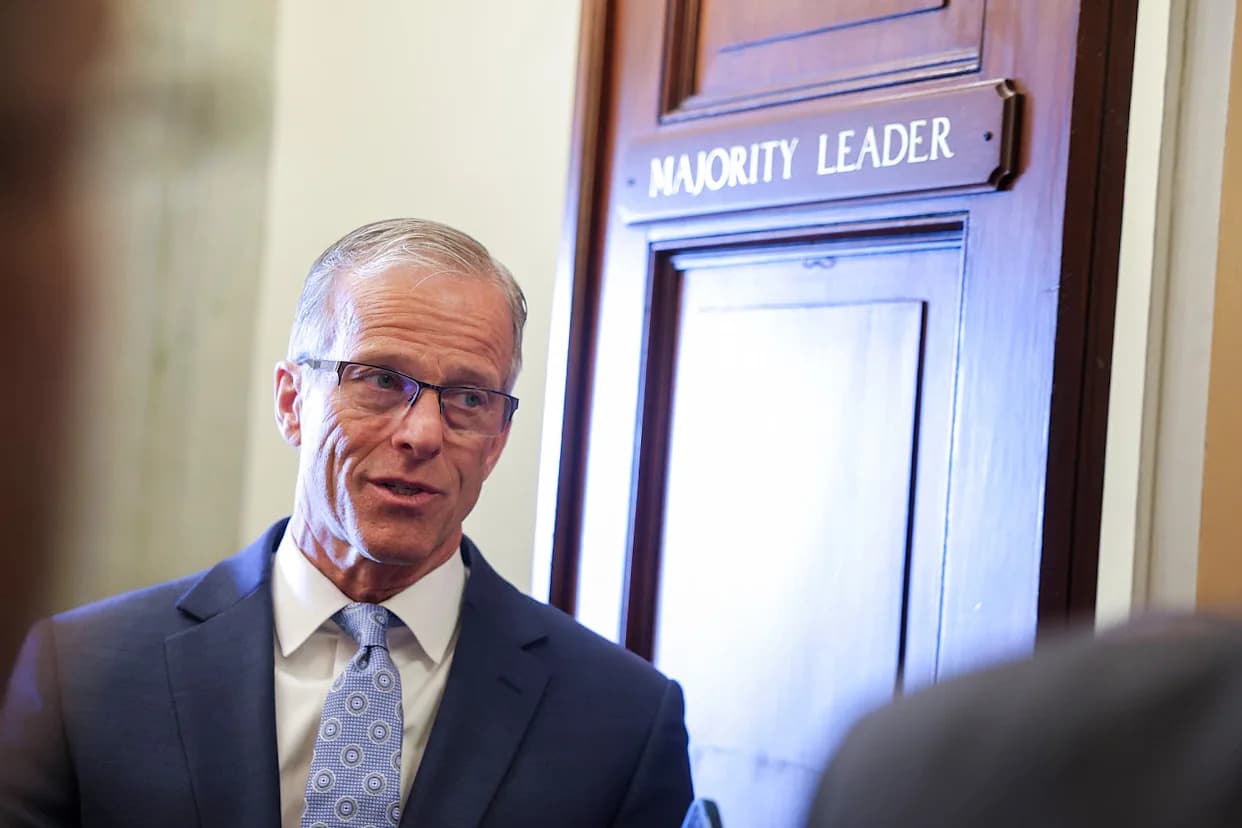
Senate Majority Leader John Thune, R-S.D., says does not have the votes to abolish the filibuster, though President Donald Trump has called for it.
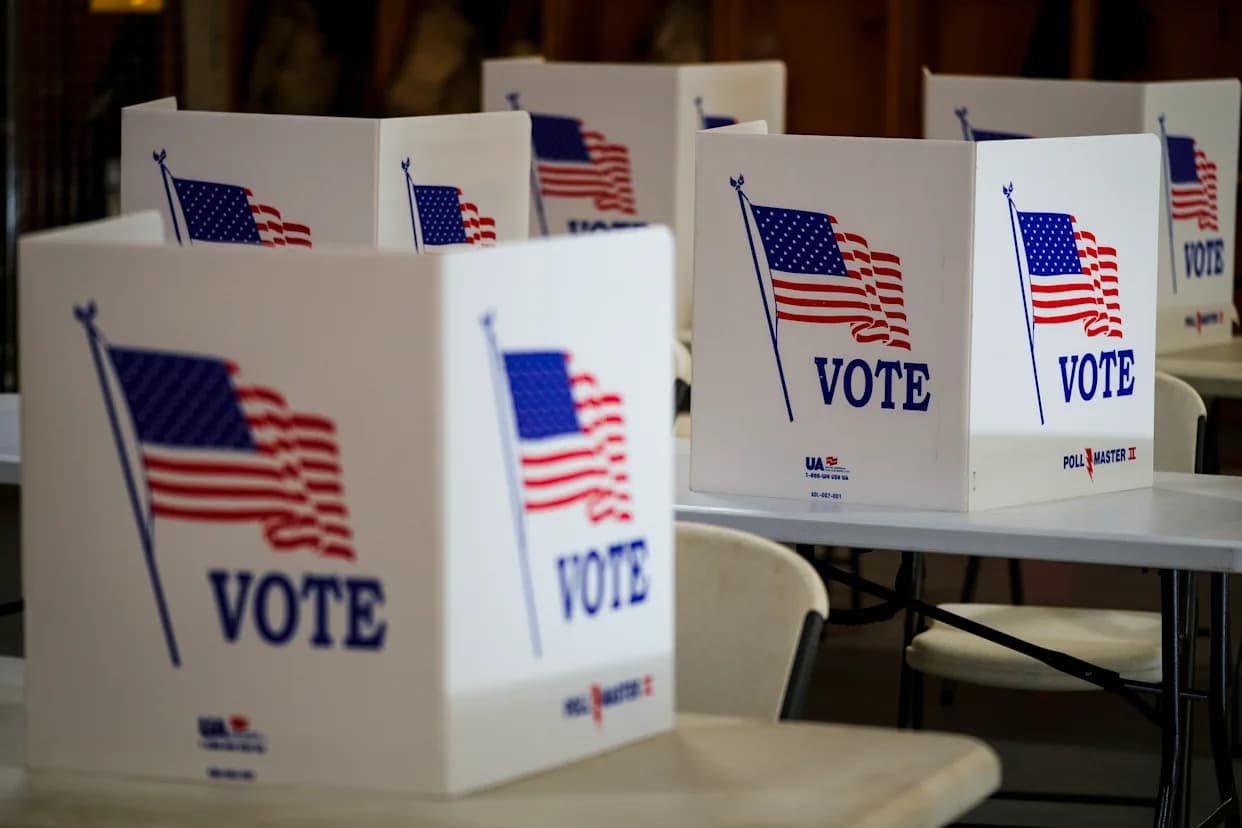
WASHINGTON — Republicans are embroiled in a sharp internal debate over the SAVE Act, a top priority of former President Donald Trump that would impose a nationwide proof-of-citizenship requirement to register and vote in federal elections. The bill cleared the House but faces a 60-vote cloture threshold in the Senate, where the GOP’s 53-seat majority falls short amid unified Democratic opposition.
Senate Maneuvers: Talking Filibuster Proposal
Some Republican senators propose reviving a so-called "talking filibuster"—forcing opponents to physically occupy the floor and speak continuously—to exhaust Democrats and then bring the SAVE Act to a simple-majority vote. Sen. Mike Lee (R-Utah), a lead sponsor, urged a return to that tradition on social media: "Require filibustering senators to (gasp) actually speak." Supporters argue the tactic relies on existing rules rather than changing Senate precedent.
Leadership Cautions About Costs
Senate Majority Leader John Thune (R-S.D.) warned the strategy would consume vast amounts of floor time and derail other priorities, including a housing bill, market-structure legislation, potential permitting reform, the farm bill, a highway bill and sanctions on Russia. "It would tie the floor up for an indefinite amount of time, with not only unlimited debate, but also unlimited amendments," Thune said.
Practical and Historical Hurdles
Past majorities explored and ultimately rejected reviving the talking filibuster because it is difficult to sustain and offers no guarantee of success. The modern "silent filibuster" emerged after procedural changes in the 1970s lowered the threshold for cloture to 60 votes, enabling senators to block legislation without continuous floor speeches.
Political Reactions
Senate Minority Leader Chuck Schumer (D-N.Y.) vowed to block the bill and denounced it as an effort to nationalize election rules and suppress voters. "The SAVE Act is an abomination," he said, calling it "Jim Crow 2.0." Democrats point out that noncitizen voting in federal elections is already illegal and considered rare, while opponents of the SAVE Act argue that strict ID requirements would disproportionately disenfranchise eligible voters who lack current documentation.
"The SAVE Act is an abomination. It's Jim Crow 2.0 across the country."
— Sen. Chuck Schumer (D-N.Y.)
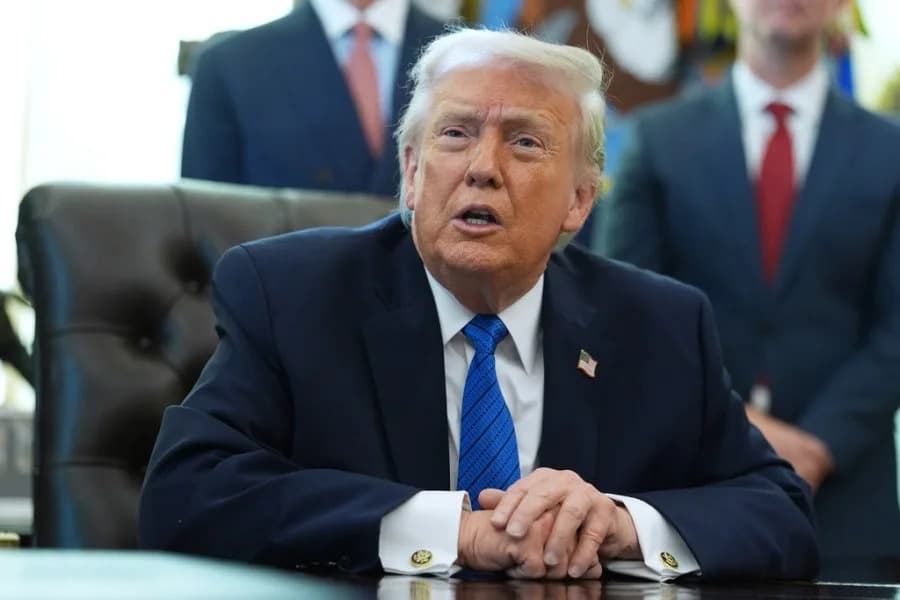
On the other side, Rep. Anna Paulina Luna (R-Fla.) urged Republicans to use any available tools to press the Senate, including attaching the SAVE Act to other legislative "vehicles." Former President Trump has publicly demanded that Republicans "blow up" the filibuster and has called for eliminating the 60-vote threshold to pass major priorities.
Many Senate Republicans remain wary of abolishing the filibuster, arguing it is a procedural safeguard that protects the minority—and their party when it becomes the minority in future Congresses. Sen. John Curtis (R-Utah) said he opposes skirting the filibuster, and Sen. Thom Tillis (R-N.C.), who plans to retire this year, has threatened to resign if colleagues abolish it.
White House Position
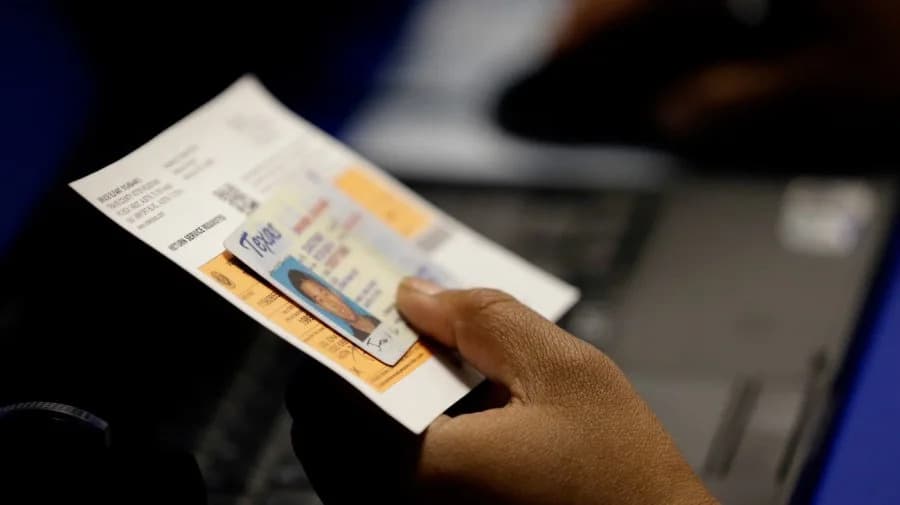
White House spokesperson Abigail Jackson framed the SAVE Act as an elections-security measure: the administration said the proposal would establish a uniform national photo ID standard, prohibit no-excuse mail-in voting, and end ballot harvesting.
Outlook
Senate Republicans say they will continue to pursue the SAVE Act, but leaders acknowledge the significant procedural and political obstacles. The debate highlights broader tensions inside the GOP over tactics, institutions and how aggressively to pursue Trump-backed priorities when Senate arithmetic and long-term institutional considerations constrain options.
Help us improve.