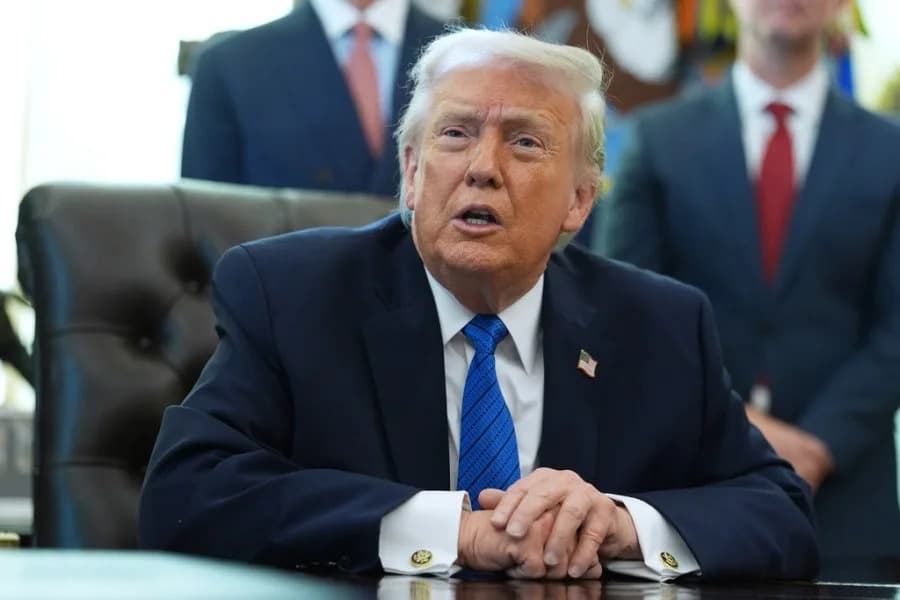
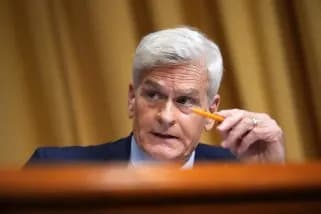
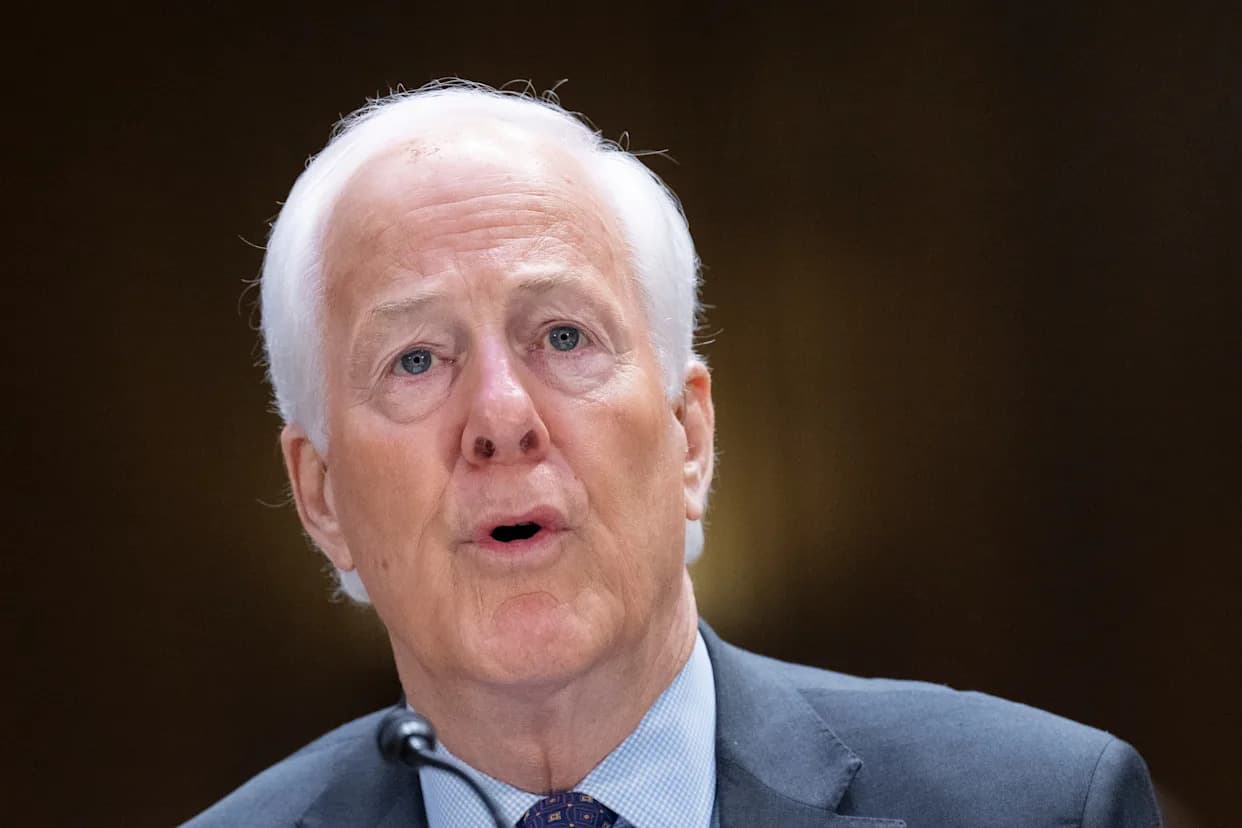
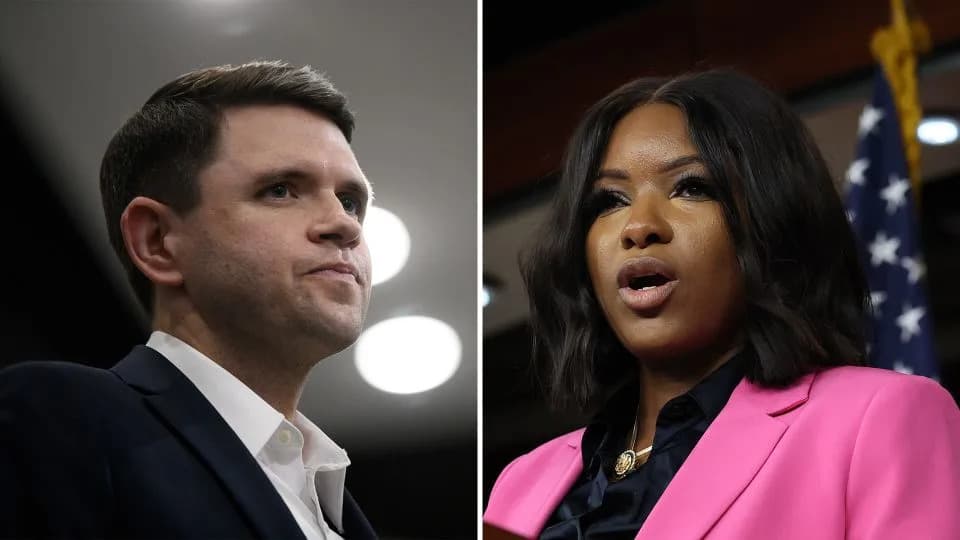
Republican leaders are urging President Trump to intervene in the Texas Senate primary to prevent a divisive contest that could threaten the GOP Senate majority. Incumbent Sen. John Cornyn is viewed by party strategists as the strongest general-election candidate, while Ken Paxton’s right-wing challenge could hand Democrats a competitive opening. A March 3 primary and likely May 26 runoff would be costly; the NRSC’s internal polling suggests Paxton would struggle against Democrat James Talarico. GOP officials warn that consolidating behind Cornyn — or avoiding a damaging primary — is vital to preserve resources for other battlegrounds.
Republicans Warn Texas Senate Rift Could Jeopardize GOP Majority — Urge Trump To Step In
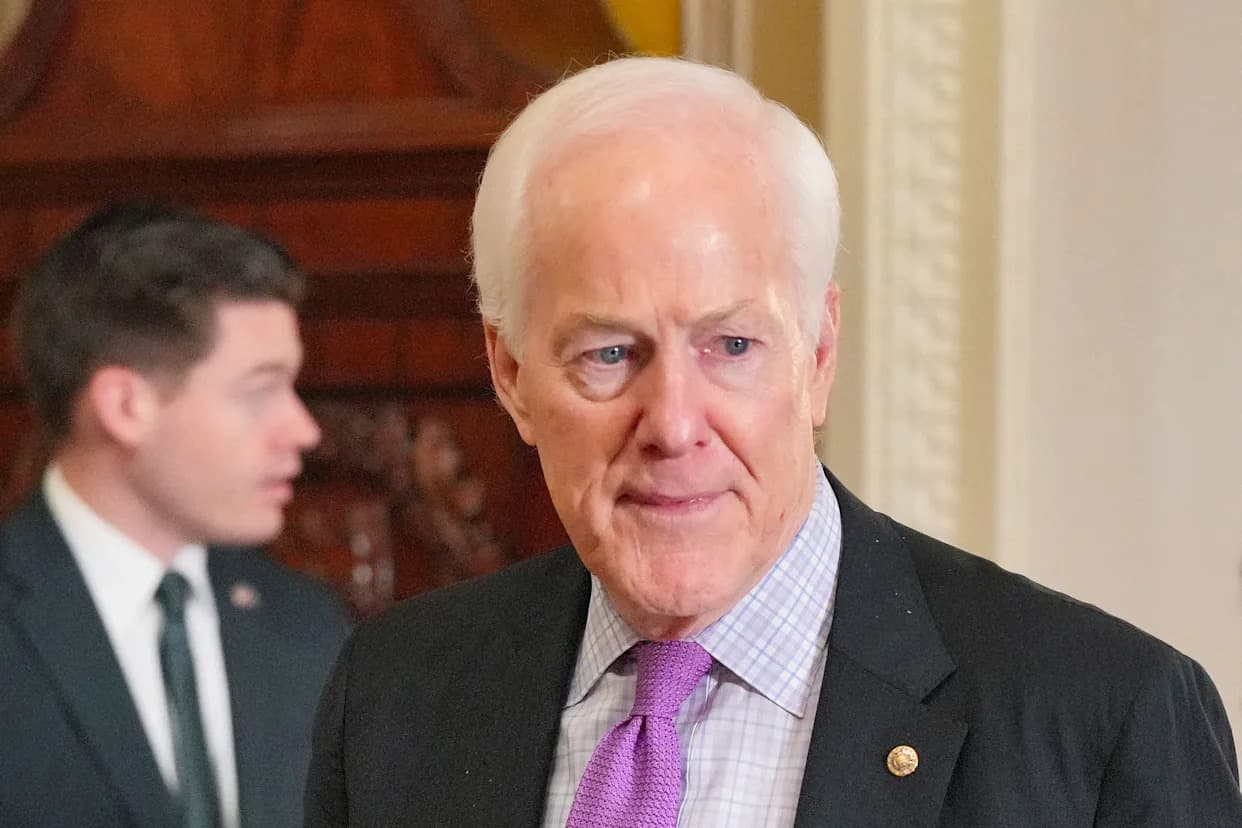
Republican senators are warning President Donald Trump that a messy or mismanaged GOP primary in Texas could seriously imperil the party’s Senate majority. Leaders say incumbent Sen. John Cornyn is the strongest general-election candidate, while Attorney General Ken Paxton’s insurgent challenge could open the door for Democrats — and force costly, distracting runoff battles.
What’s at stake: Party strategists fear that a Ken Paxton nomination — or even a prolonged runoff between Cornyn and Paxton — would drain tens or even hundreds of millions of dollars and divert attention from other competitive states. Senate Majority Leader John Thune has repeatedly urged Trump to consider endorsing Cornyn to head off that risk.
Thune framed the argument plainly to Semafor: the money spent defending Texas is money not available for other pickup opportunities. "If we’re spending $100 or $200 million in Texas in the general election, that’s $100 to $200 million we can’t be spending in other places in races we have a chance to win," he said.
“We need the candidate that can win in the general,” said Sen. Shelley Moore Capito, reflecting a common theme among GOP leaders: electability in November matters more than intra-party purity in March.
Cornyn, a four-term senator, argues he remains the strongest Republican statewide option and has asked Trump for support. He told Semafor he’s making his case but "we’re not waiting around," and declined to discuss ongoing conversations with the president.
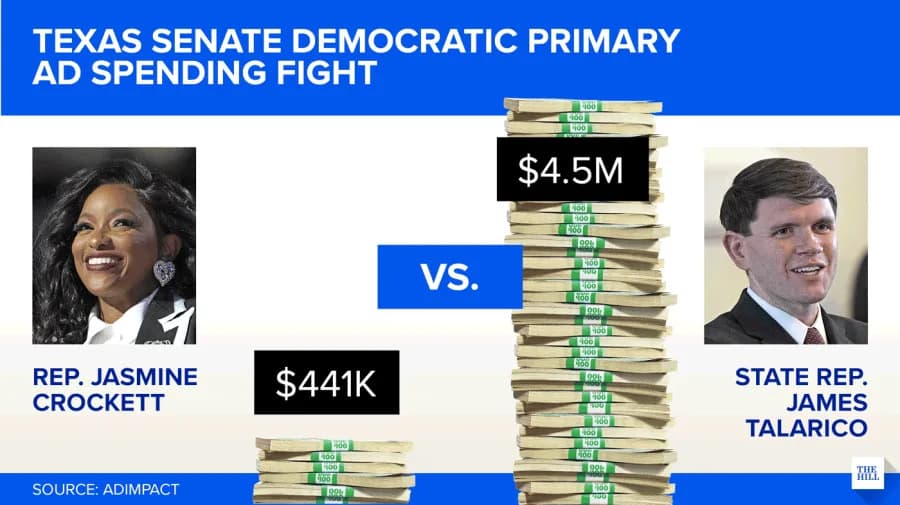
The NRSC is circulating internal polling that shows Cornyn ahead of the likely Democratic opponents — state Rep. James Talarico and Rep. Jasmine Crockett — but also indicates Paxton would likely struggle against Talarico. Republicans worry that a Paxton nomination would give Democrats a viable path in a state they’ve long considered safely red.
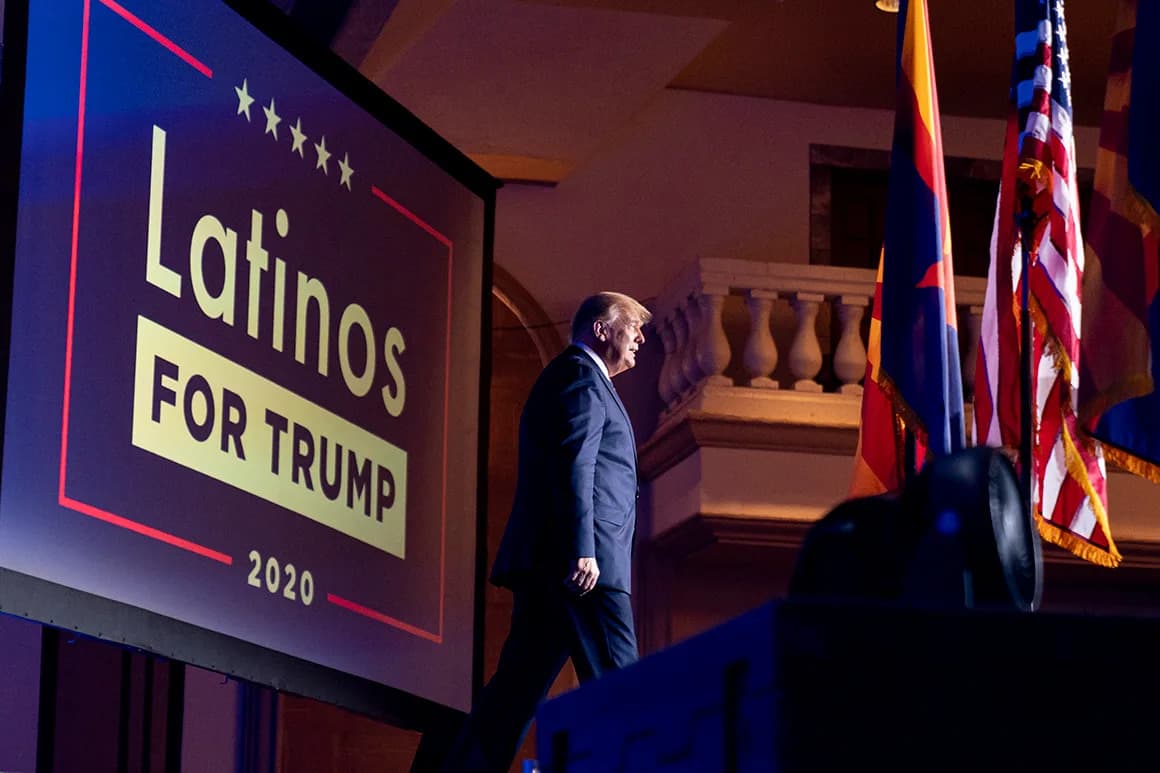
The primary is set for March 3, with a runoff expected on May 26 if no candidate wins a majority. Rep. Wesley Hunt’s late entry increases the likelihood of a runoff by siphoning votes from both Cornyn and Paxton. Trump has said he is "giving it a very serious look" when asked about endorsing a candidate, which could decisively alter the race.
Some prominent Republicans are urging intervention; others are staying neutral. Sen. Ted Cruz said he would "stay out of this race," while Sen. Tommy Tuberville dismissed the idea Democrats could win Texas. Still, the recent upset in a red-district special election and broader national headwinds have rattled donors and officials — and amplified concerns about resource allocation.
GOP leaders warn of a worst-case scenario in which they spend heavily to prop up Cornyn only to see him lose the primary, leaving the party with an unvetted nominee and a weaker general-election position. NRSC Chair Sen. Tim Scott and other officials have been warning senators about these national challenges.
Bottom line: Republicans see Texas as a critical chess piece in the Senate map. An endorsement from Trump could consolidate support behind Cornyn and save national dollars — but the president’s intervention also carries risk and could backfire if he sides with an insurgent candidate.
Help us improve.