The House voted 427-0 to add language to a spending bill that would repeal a Senate-inserted provision allowing senators to sue if investigators accessed their phone records without notice. The clause, quietly added to post-shutdown legislation, would have created an exclusive, expedited path for senators to seek at least $1 million each in damages. Critics say the measure rests on unproven claims of DOJ "weaponization" and that there is no clear evidence senators were harmed. Its fate now depends on Senate consideration and interchamber negotiations.
House Unanimously Moves To Block Senate’s Controversial Lawsuit Provision

The U.S. House on Thursday voted unanimously to insert language into a must-pass spending bill that would repeal a Senate-added provision creating a new legal route for senators to sue the government if federal investigators accessed their phone records without prior notice.
What Happened
The amendment passed by a 427-0 margin and represented a bipartisan rebuke after the provision was quietly slipped into post-shutdown legislation last November. The clause would have allowed GOP senators whose phone records were sought as part of Special Counsel Jack Smith’s investigation of the Jan. 6, 2021, Capitol attack to pursue expedited lawsuits and potentially recover substantial taxpayer-funded damages.
Reporting indicates Senate leadership kept the language in the final package; Republican Sen. Ted Cruz told Politico that Senate Majority Leader John Thune personally ensured the provision’s inclusion. A Roll Call analysis said the measure created a streamlined, exclusive path only for senators to sue and collect at least $1 million each for alleged wrongful government actions, a move critics called legally dubious.

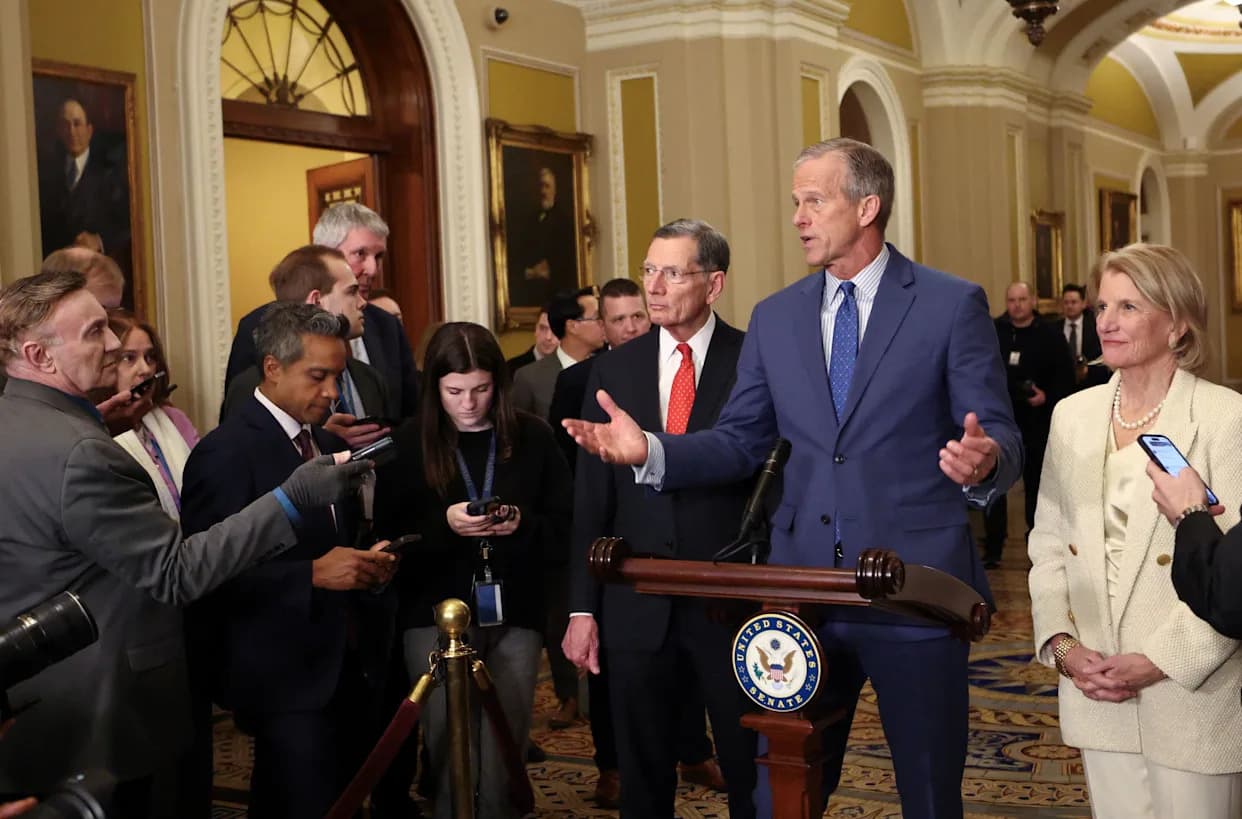
Speaker of the House Mike Johnson and Senate Majority Leader John Thune at a news conference on Oct. 1, 2025 on the Upper West Terrace of U.S. Capitol Building.(Andrew Harnik / Getty Images)
Reactions And Controversy
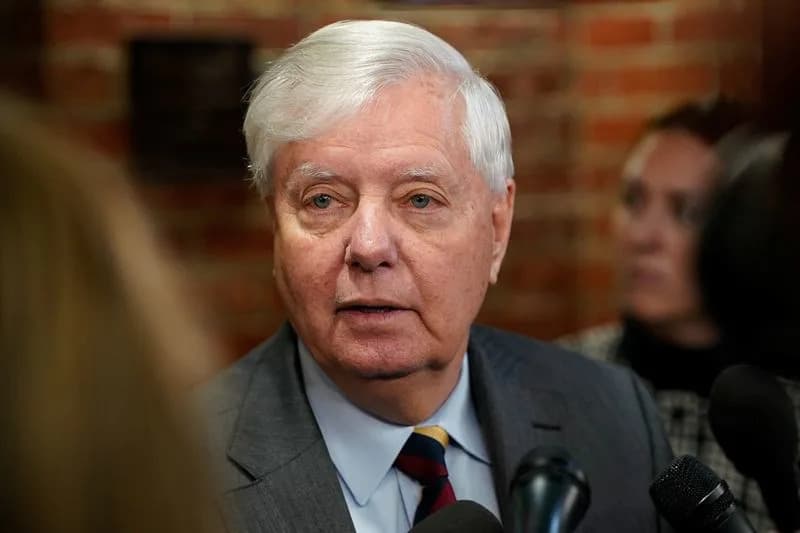
Some senators whose records were subpoenaed publicly distanced themselves from the provision. Sen. Lindsey Graham — among eight GOP senators who could have been eligible — said on Fox News he intended to "sue the hell out of these people," suggesting potential recoveries in the "tens of millions of dollars."
“What this does is enable people who are harmed — in this case, United States senators — to have a private right of action against the weaponization … by the Justice Department,” Senate Majority Leader John Thune told NBC News in defense of the policy.
Critics and several House members counter that there is no evidence of DOJ "weaponization" in this matter and no clear proof that senators suffered demonstrable harm. Many lawmakers objected to both the substance of the provision and the secrecy surrounding its insertion into must-pass legislation.
Next Steps
It is unclear whether the House amendment will survive when the Senate takes up the spending bill. The House previously approved a related measure by a 426-0 vote shortly before Thanksgiving that Senate leaders ignored, and negotiations between the chambers will determine the provision’s ultimate fate.
Background: The provision emerged after the government shutdown ended last fall and quickly drew bipartisan criticism for appearing to grant an exclusive, expedited claims process to senators over alleged actions by the prior administration.
Help us improve.