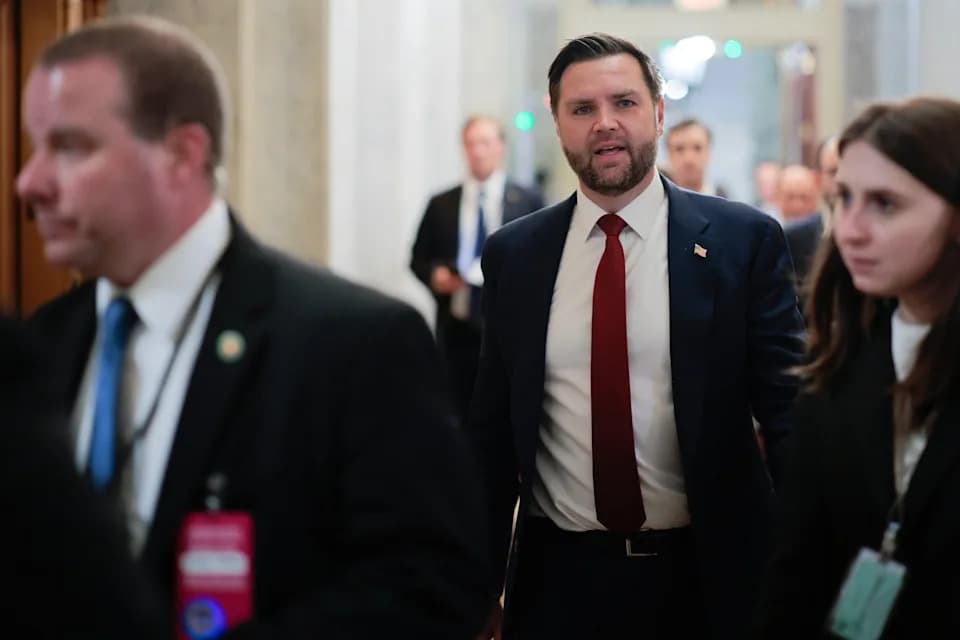
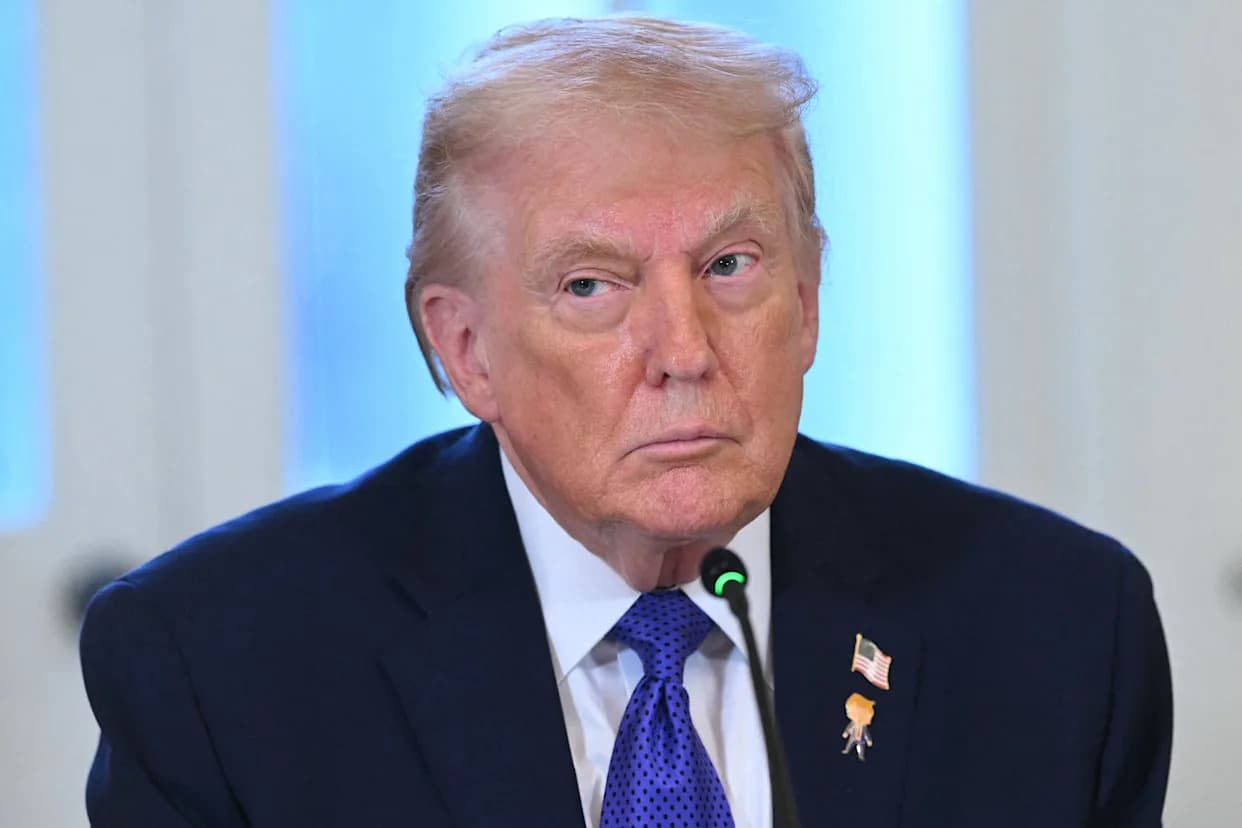
The Senate's effort to use a war powers resolution to limit President Trump's ability to launch further strikes on Venezuela is threatened as the White House pressures GOP senators who backed the measure. Republicans are preparing a procedural move arguing the resolution is no longer "privileged" because the U.S. is not currently engaged in hostilities with Venezuela. Five Republicans joined Democrats to advance the measure, and several lawmakers say they received calls from President Trump and Sen. Marco Rubio before the expected floor action.
Senate War Powers Vote Imperiled As Trump Pressures GOP Senators
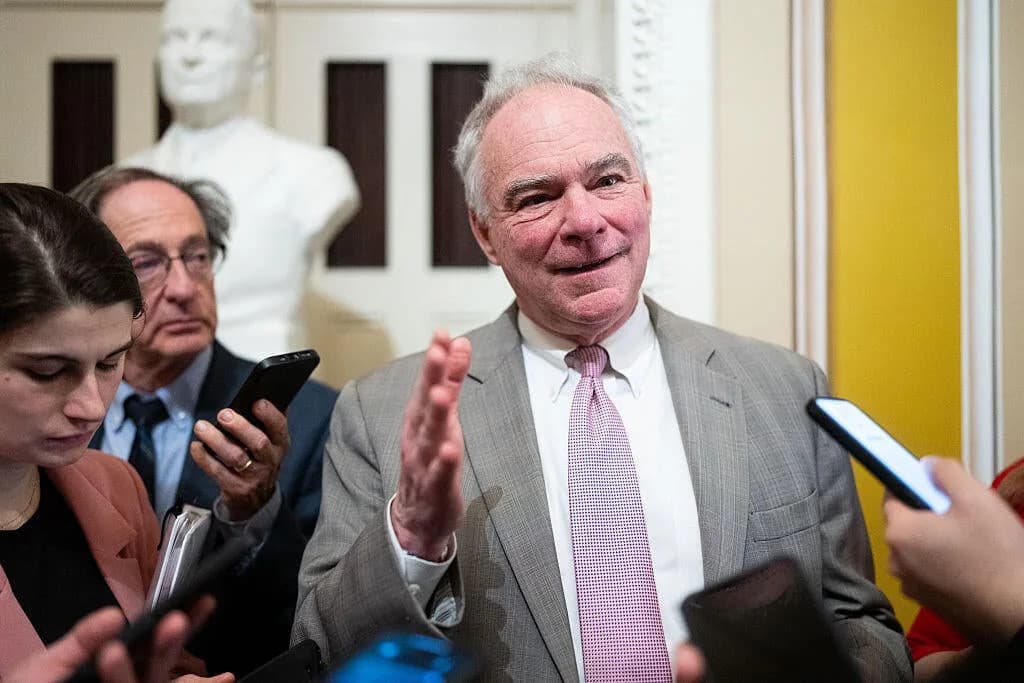
Washington — A Senate resolution invoking war powers to restrict President Trump's authority to order further strikes on Venezuela is in jeopardy as the White House presses several Republican senators who had supported moving the measure forward.
Last week, senators advanced a war powers resolution sponsored by Democratic Sen. Tim Kaine (Va.). The measure gained momentum after reports that Venezuelan leader Nicolás Maduro and his wife were detained and after President Trump asserted the U.S. had taken control of aspects of the situation in the country. Five Republican senators joined every Democrat to advance the resolution.
Procedural Fight Looms
GOP leaders are preparing a procedural maneuver to challenge whether the resolution remains "privileged" — a status that gives it priority on the Senate floor — arguing the United States is not currently engaged in "hostilities" with Venezuela. Senate GOP leader John Thune (S.D.) previewed that argument during remarks on the Senate floor.
"Today, we expect a vote on a resolution to direct the removal of U.S. forces from hostilities in or against Venezuela, even though the U.S. is not currently engaged in hostilities in or against Venezuela," Thune said. "We have no troops on the ground in Venezuela. We're not currently conducting military operations there."
Who Crossed Party Lines
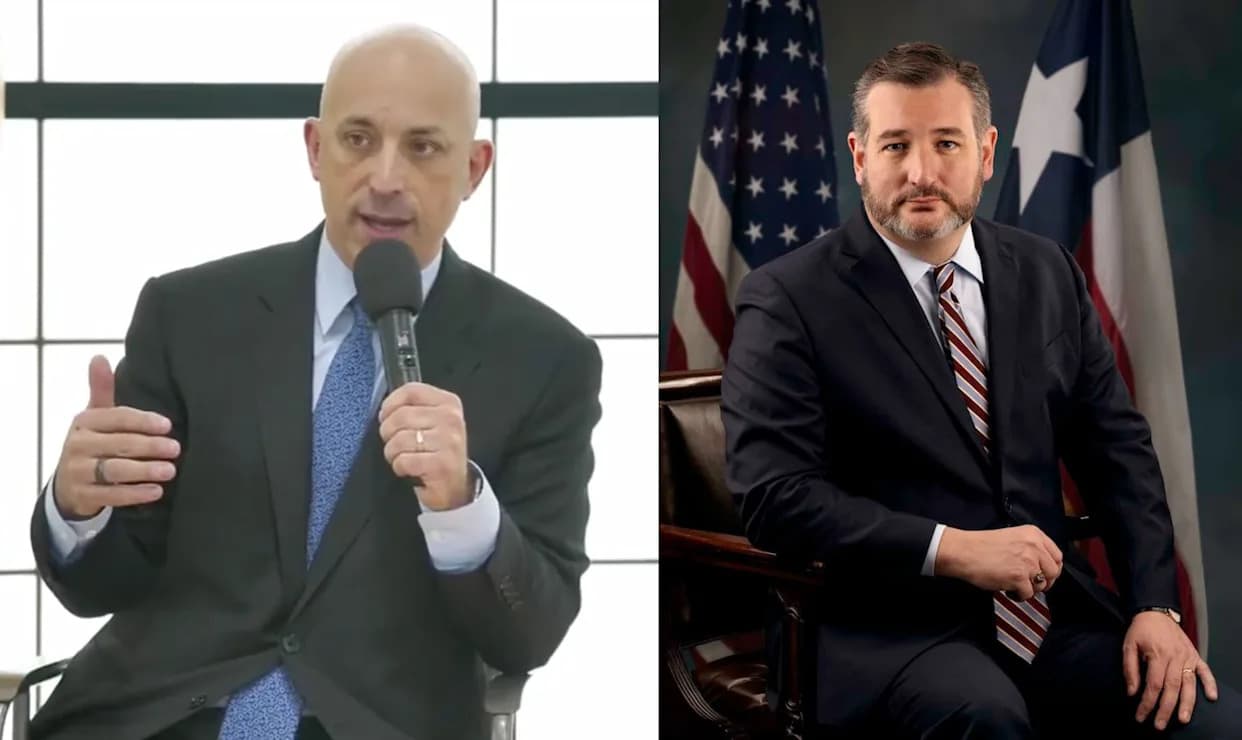
The five Republicans who voted with Democrats to advance the measure were Sen. Todd Young (Ind.), Sen. Lisa Murkowski (Alaska), Sen. Susan Collins (Maine), Sen. Rand Paul (Ky.) and Sen. Josh Hawley (Mo.). After the vote, President Trump sharply criticized those senators, saying they "should never be elected to office again" and later calling them "real losers."
White House Contacts and Lawmakers' Responses
Several senators who supported advancing the resolution said they received calls from the president and from Senator Marco Rubio before expected floor action. "I'm not speaking to final passage," Young told reporters. "I'm certainly glad the president and his team gave me a call, but I found it important to vote for the resolution at least procedurally."
Sen. Kaine said he expected the five Republicans to remain aligned with Democrats for next steps, but Sen. Hawley announced he would instead vote with GOP leaders to block the effort. Hawley said Rubio had assured him the United States "has no ground troops currently in Venezuela" and that, if troops were to be deployed, the administration would comply with the War Powers Act and seek congressional authorization. "Rubio told me directly that the administration will not put ground troops in Venezuela," Hawley said.
Unanswered Questions
Before Maduro's reported removal, lawmakers said they had received insufficient answers from the Trump administration about whether regime change was an objective, even as the U.S. intensified strikes against suspected drug-smuggling vessels, imposed an oil blockade and Mr. Trump threatened land strikes. Republicans who voted to advance the resolution cited the president's public remarks about Venezuela and the prospect of U.S. forces being deployed there as reasons for their support.
A day after the initial Senate vote, Mr. Trump said he had called off a planned "second wave" of strikes and asserted that the two countries "are working well together," while adding that U.S. naval forces in the region would "stay in place for safety and security purposes." Kaine credited the Senate's war-powers action with influencing the president's decision to cancel additional strikes. CBS News said the White House did not respond to Kaine's assertion.
What Comes Next: Senate leaders are expected to press the procedural challenge on the floor. If Republicans succeed in stripping the resolution of privileged status, its path to a final vote would be significantly more difficult.
Help us improve.