A large randomised controlled trial in Sweden found that using an artificial intelligence (AI) system to support a single radiologist detected 9% more breast cancers than the standard two-radiologist approach. The study, published in The Lancet, enrolled more than 100,000 women screened in 2021–2022 and showed the AI-supported pathway also had a 12% lower rate of interval cancers over the following two years.
Study Design and Key Findings
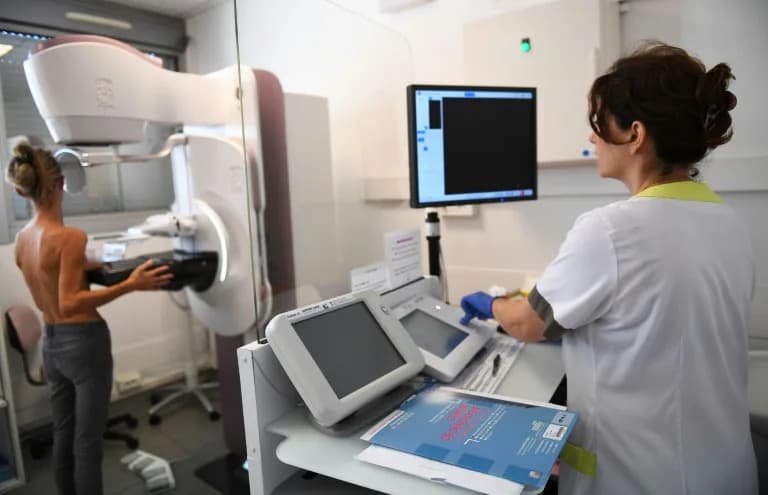
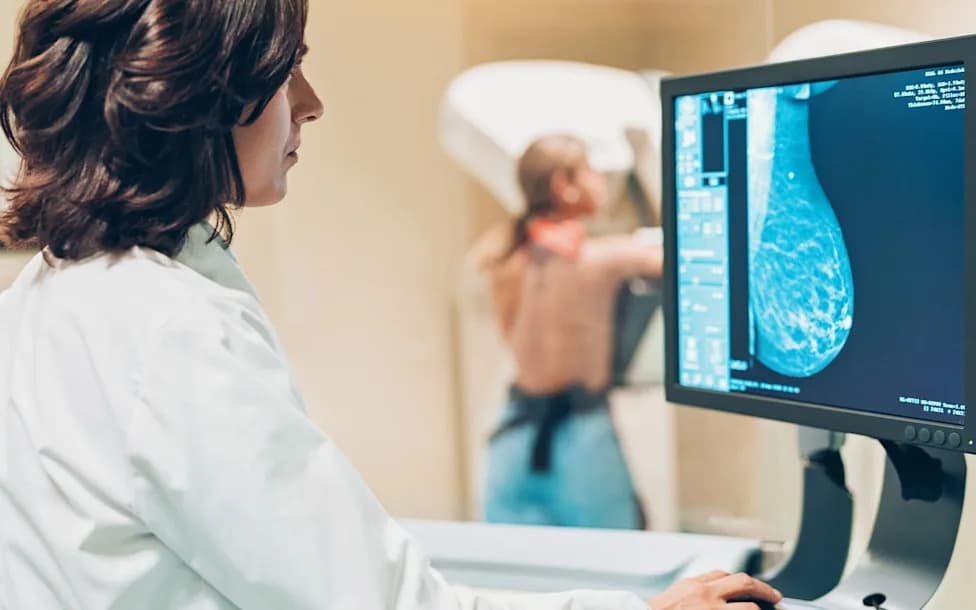
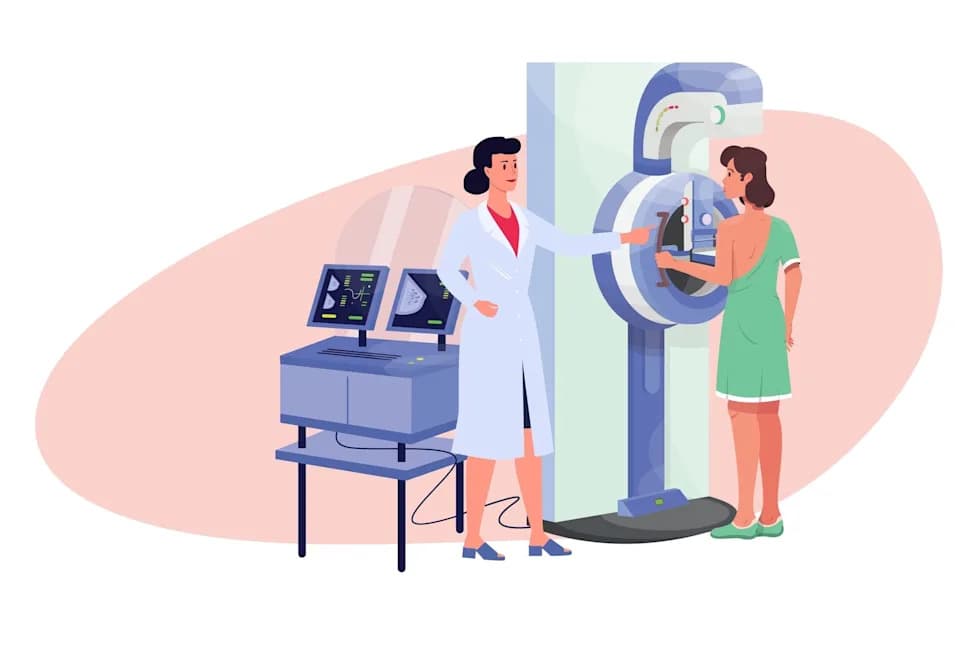
Participants were randomly assigned to one of two screening pathways: a conventional European model in which two radiologists independently read each mammogram, or an AI-supported model in which one radiologist reviewed scans with assistance from an AI system. The AI arm identified 9% more cancers than the control arm, while false-positive rates were similar between groups.
Interval Cancers, Timing and Consistency
Interval cancers — tumours detected between routine screens that can carry a worse prognosis — were 12% less frequent in the AI group during two years of follow-up. Improvements were consistent across age groups and across varying breast density, both factors that can affect detection. However, some experts caution that the observed reduction in interval cancers was not statistically definitive and called for longer follow-up.
AI Tool and Operational Impact
The trial used the Transpara AI model, trained on more than 200,000 prior examinations from ten countries. Interim results published in 2023 reported that AI nearly halved the time radiologists needed to read scans — a potential workflow benefit for understaffed services.
Expert Views and Cautions
Kristina Lang, senior author at Lund University, said: "Widely rolling out AI-supported mammography in breast cancer screening programmes could help reduce workload pressures amongst radiologists, as well as helping to detect more cancers at an early stage." She added that rollout should be "done cautiously" with "continuous monitoring."
Jean-Philippe Masson, head of the French National Federation of Radiologists, emphasized the continuing role of clinical judgement: "The radiologist's eye and experience must correct the AI's diagnosis," noting that AI can flag tissue changes that are not malignant. He also warned that high costs and risks of overdiagnosis limit broader deployment in some settings.
Stephen Duffy, emeritus professor of cancer screening at Queen Mary University of London, said the trial strengthens evidence that AI-assisted screening can be safe but urged longer follow-up to confirm long-term benefits and to see whether differences persist.
Global Context
The World Health Organization estimated that in 2022 more than 2.3 million women were diagnosed with breast cancer and about 670,000 died from the disease. The new trial shows potential for AI to improve detection and efficiency in screening programmes worldwide, but implementation should balance benefits against costs, potential overdiagnosis and the need for ongoing performance monitoring.
Takeaway
This world-first randomised trial demonstrates that AI-supported mammography can detect more cancers and reduce some interval cancers while maintaining similar false-positive rates, and can substantially improve reading efficiency. Policymakers and health services should consider cautious, monitored rollouts alongside further research and longer-term follow-up.