A federal judge has struck down Texas' 2021 Senate Bill 13, which restricted state investments in companies that reduce fossil‑fuel reliance or boycott the oil and gas industry. Judge Alan Albright found the law violated First Amendment protections, calling it "facially overbroad" and "unconstitutionally vague." The American Sustainable Business Council, representing more than 250,000 members, hailed the ruling as a major victory for sustainable investors. The decision may influence how other states craft or enforce anti‑ESG measures.
Federal Judge Strikes Down Texas' Anti‑ESG Investment Law, Citing First Amendment

A drone view of a pump jack and drilling rig south of Midland, Texas, U.S. June 11, 2025. REUTERS/Eli Hartman
By Jonathan Stempel
Feb 5 (Reuters) — A federal judge has ruled that a 2021 Texas law restricting state investments in companies that reduce reliance on fossil fuels or boycott the oil and gas industry is unconstitutional.
In a decision made public Wednesday, U.S. District Judge Alan Albright in Austin concluded that Senate Bill 13 violated First Amendment free‑speech protections because it punished businesses for speaking about fossil fuels and for associating with organizations that oppose the industry.
Albright described the statute as "facially overbroad" and "unconstitutionally vague," writing that its definition of "boycott energy companies" could permit the state to penalize companies for a wide range of protected expression related to fossil fuels. The judge noted the law invites — and has already resulted in — discriminatory enforcement.
"SB 13’s definition of 'boycott energy companies' permits the state to penalize companies for all manner of protected expression concerning fossil fuels," Albright wrote.
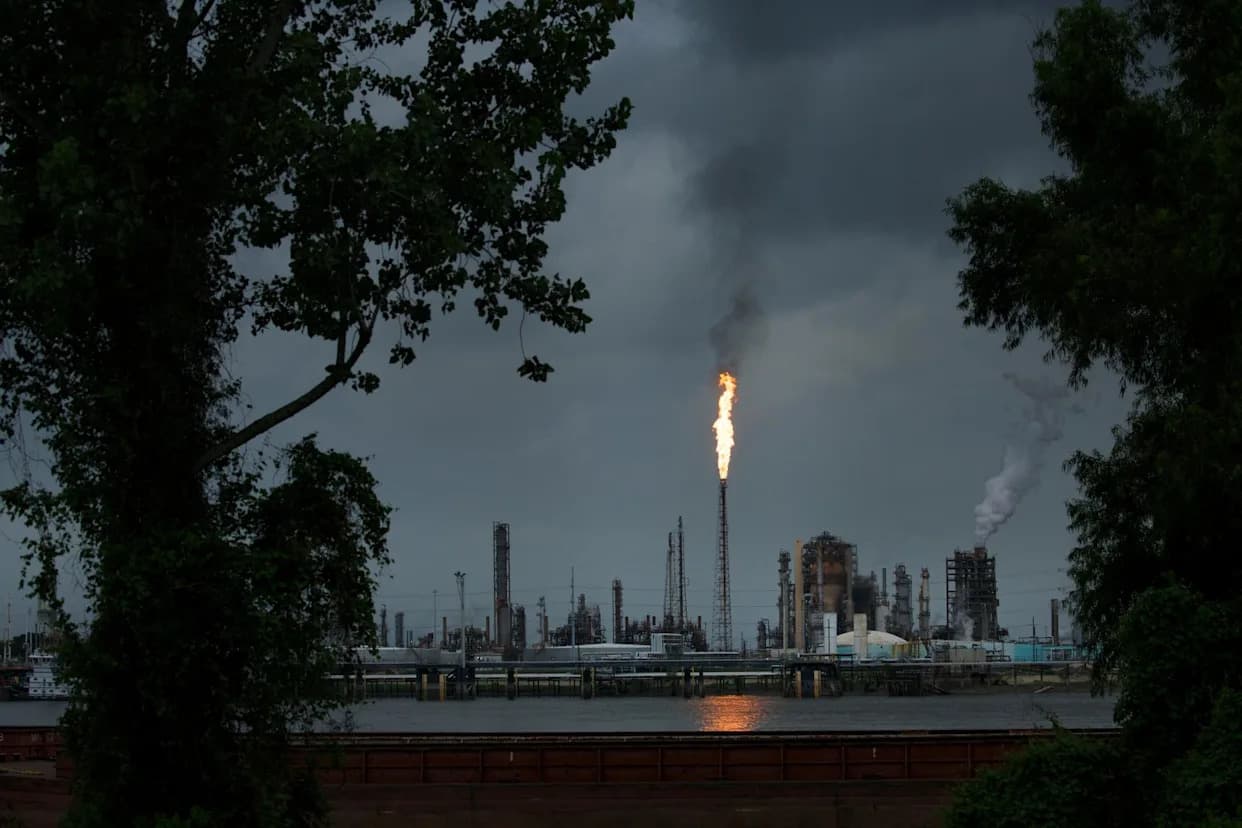
Texas, the nation’s largest oil‑producing state, had become the most prominent Republican‑led state to limit investments tied to environmental, social and governance (ESG) policies. The law was challenged by the American Sustainable Business Council (ASBC), which filed suit in August 2024 on behalf of more than 250,000 members, arguing the statute codified viewpoint‑based discrimination.
Named defendants included Texas Attorney General Ken Paxton and then‑Comptroller Glenn Hegar; the offices of Paxton and Hegar's acting successor, Kelly Hancock, did not immediately respond to requests for comment.
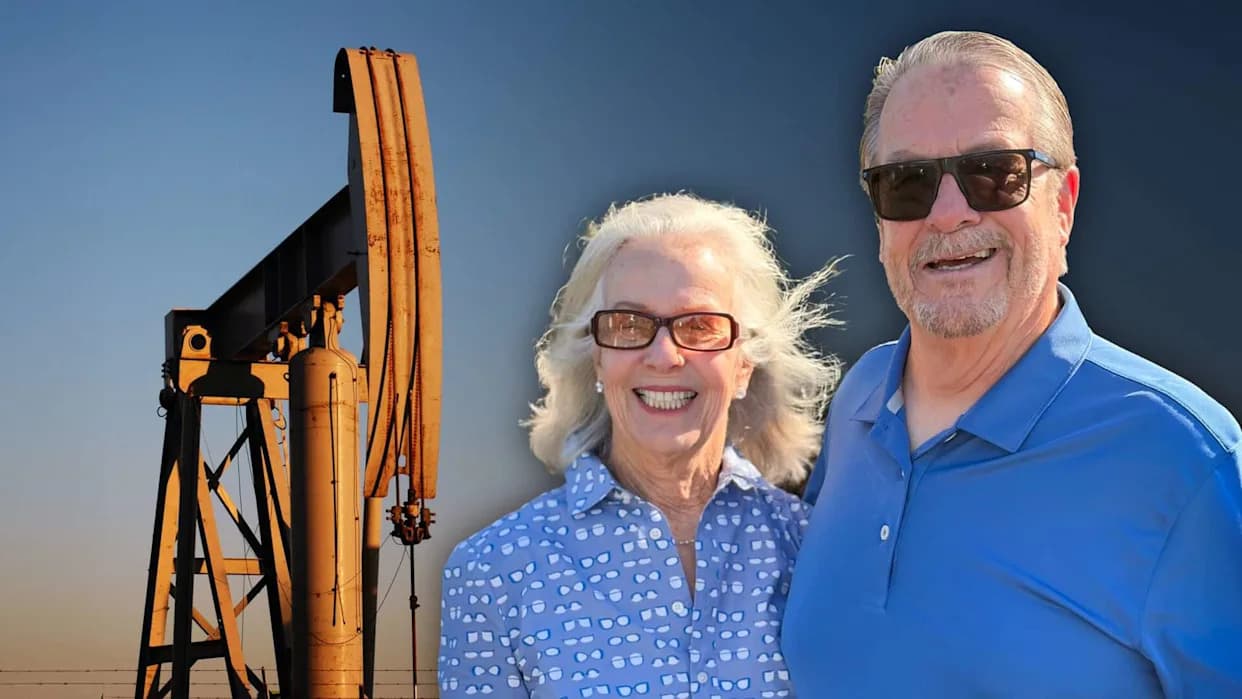
David Levine, president and co‑founder of the ASBC, called the ruling a "massive win" for sustainable businesses and investors, saying the court affirmed that businesses cannot be punished for their investment decisions or for raising concerns about climate risk.
Implications
The decision removes a legal barrier to state funds avoiding companies that retreat from fossil fuels or publicly criticize the industry, and it may shape how other states draft or enforce anti‑ESG measures. The ruling centers on constitutional free‑speech and association protections rather than on the merits of ESG investing itself, and further appeals could refine the legal standards that govern such laws.
(Reporting by Jonathan Stempel in New York; Editing by Mark Porter)
Help us improve.