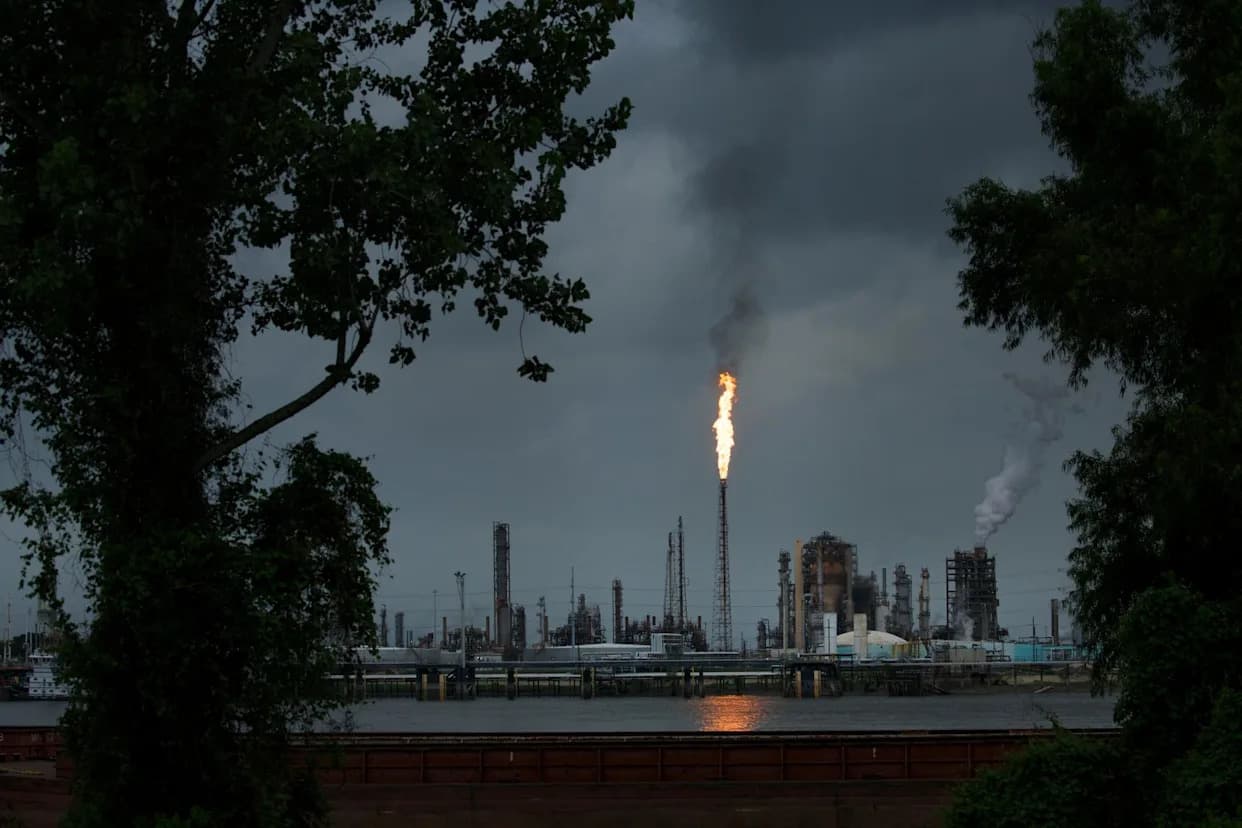
The Morgans, heirs to mineral rights beneath two Santa Barbara County parcels, filed a federal suit arguing California’s S.B. 1137—which bars oil and gas development within 3,200 feet of schools, homes and hospitals—effectively eliminates the parcels’ only economically viable use. Represented by the Pacific Legal Foundation, they allege the law violates the Fifth Amendment’s Takings Clause by depriving them of royalties and lease value. The Justice Department has also sued, saying the statute would imperil roughly one-third of federally authorized leases in California. The case could set an important precedent on how far environmental regulation can go before compensation is required.
California Family Sues State Over Law Barring Drilling On Their Mineral Rights
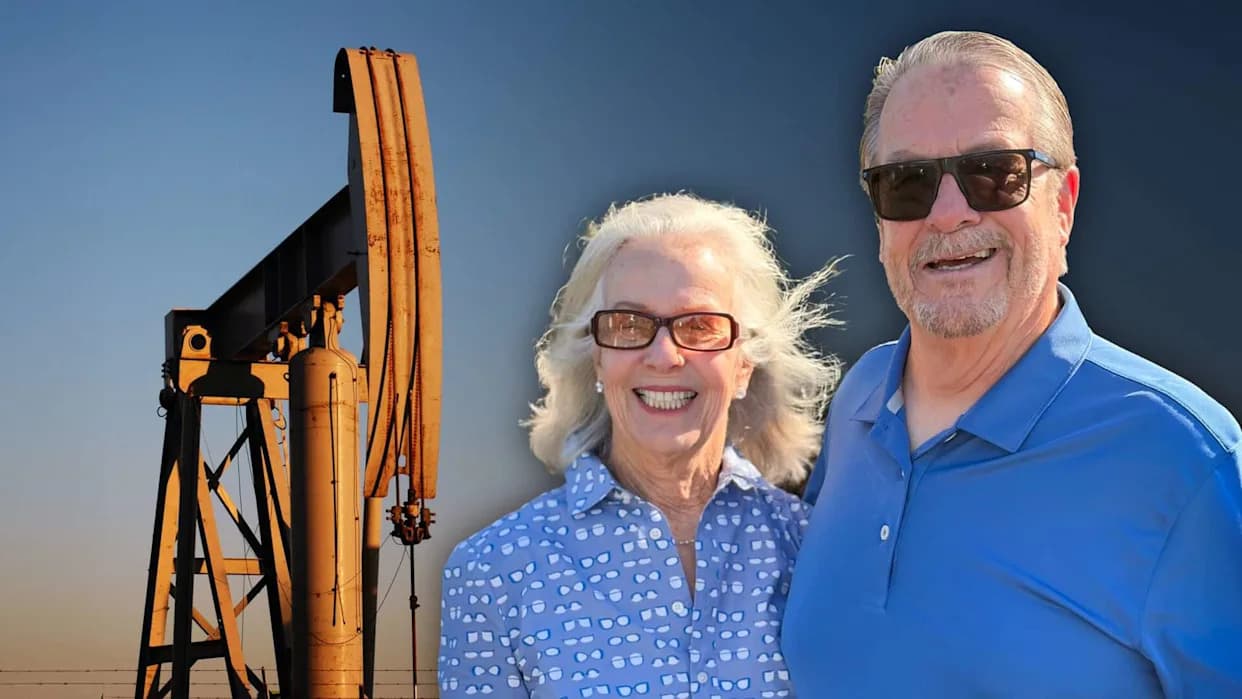
This California Family Is Suing for the Right To Drill for Oil on Their Own Property
A federal lawsuit filed by siblings John and Melinda Morgan challenges California's setback law, arguing it effectively strips away valuable mineral rights beneath two family parcels in Santa Barbara County.
Background
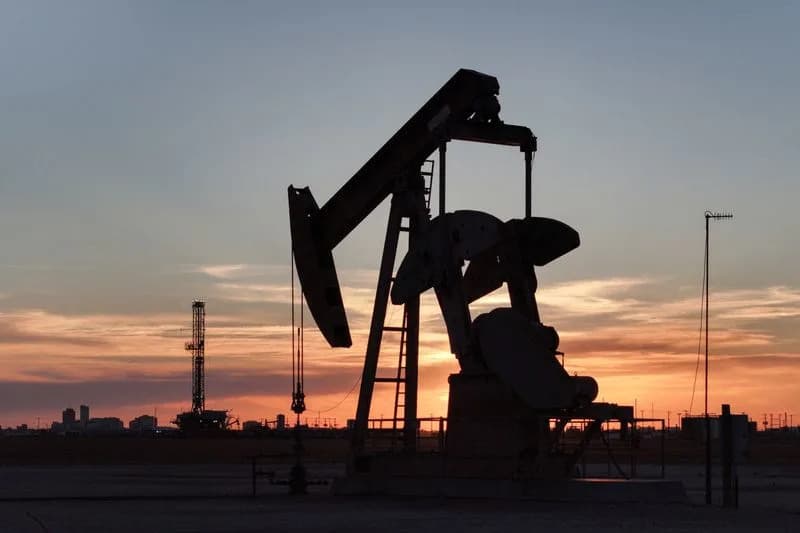
In 2022, Governor Gavin Newsom signed Senate Bill 1137 (S.B. 1137) into law; the statute took effect in 2024 and created a 3,200-foot setback that prohibits oil and gas development within designated "health protection zones" such as schools, residences and hospitals. The law represents what state officials described as the nation’s strictest setback rule, surpassing Colorado’s 2,000-foot limit.
The Morgans’ Claim
The Morgans own only subsurface mineral rights to two parcels in the Cat Canyon oil field that were placed in the Helen Leaf Hancock Trust generations ago. The trust conveyed mineral rights but not surface rights. Although the parcels have seen drilling in past decades, there are no active wells today; the family currently receives shut-in royalties from lessees.
According to the complaint filed in U.S. District Court for the Central District of California, S.B. 1137’s 3,200-foot setback makes productive oil extraction impossible on those parcels. The Morgans say their lessees are "likely to abandon [their] lease[s]," which would terminate royalty income the family planned to use for retirement and to pass on to future generations.
"We fully support responsible environmental stewardship, but good intentions can't justify taking away someone's property without compensation," the family said.
Legal Theory
The lawsuit contends the statute violates the Fifth Amendment’s Takings Clause, which requires just compensation when government action takes private property for public use. Plaintiffs point to Supreme Court precedents such as Pennsylvania Coal Co. v. Mahon (1922), which found regulations can constitute a taking when they deny productive use, and Lucas v. South Carolina Coastal Council (1992), which held a regulation that eliminates all economically beneficial use can be a taking.
Broader Implications
Beyond this family’s suit, the U.S. Department of Justice has separately sued California, arguing S.B. 1137 would affect roughly one-third of federally authorized oil and gas leases in the state and therefore represents an unconstitutional state-level regulation of federal lands. If courts accept the Morgans’ Takings claim, the ruling could constrain how far state environmental regulations can go without compensating property owners.
Critics have highlighted an asymmetry in the law: it blocks new drilling within 3,200 feet of homes and schools, but a developer could conceivably build residences or school facilities near an existing well and thereby force that well to shut down. Supporters counter the setbacks are necessary to reduce pollution and protect public health as California transitions away from fossil fuels.
Outlook
The case could take years to resolve. The Morgans emphasize that the suit is both practical and principled: they seek compensation for lost economic value and a reaffirmation of property rights under the Constitution. Whatever the outcome, the litigation is likely to play a significant role in defining the balance between property rights and state environmental policy in California.
Help us improve.