The EU is close to finalising a trade deal with Australia after talks that broke down in 2023 resumed, driven in part by disruption from US tariffs. Negotiators are concentrating on duty-free beef quotas, with the EU proposing about 30,000 tonnes and Australia seeking 40,000. Brussels is balancing trade and strategic gains—like diversifying critical raw materials—against farmer concerns over imports and standards.
EU Nears Trade Deal With Australia as US Tariffs Reshape Global Trade
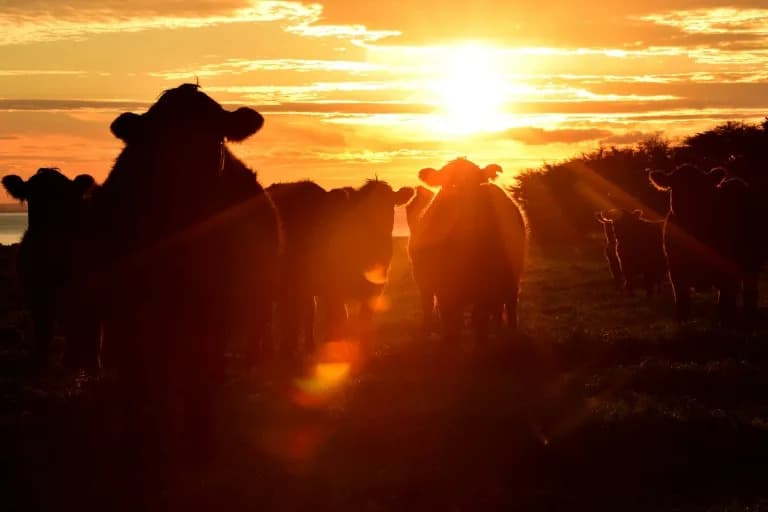
Negotiations between Australia and the EU hit a wall in 2023 over Australia's push for significant access to the European market for products including beef (PAUL CROCK)(PAUL CROCK/AFP/AFP)
The European Union is close to finalising a long-sought trade agreement with Australia after talks that collapsed in 2023 were resumed amid growing pressure from global tariff shifts. Officials say renewed momentum is partly driven by recent US tariff measures that have accelerated Europe's push to diversify trade partners and strengthen strategic ties.
Key Issue: Agricultural Quotas
Negotiations have refocused on sensitive agricultural access, particularly duty-free quotas for Australian beef. Brussels is reported to be aiming for a cap near 30,000 tonnes per year, while Canberra is seeking access closer to 40,000 tonnes. Lamb, mutton, sugar and rice are also under close scrutiny by European farm groups.
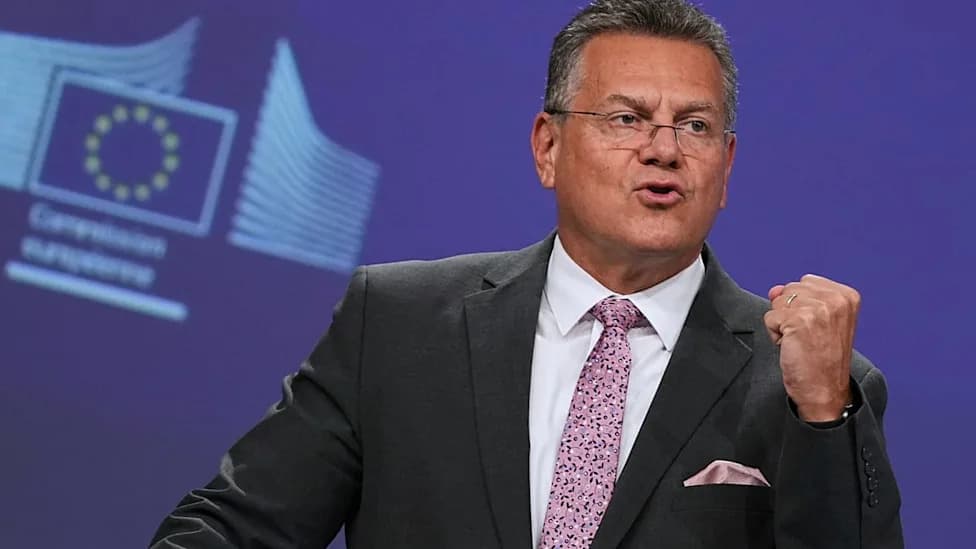
The European Commission said its chief trade negotiator Maros Sefcovic and agriculture chief Christophe Hansen will meet Australian Trade Minister Don Farrell next Thursday to push talks forward.
"The EU is committed to strengthening relations with Australia, a strategic and like-minded partner. As always, progress in the sensitive phase of negotiations will depend on substance," EU trade spokesman Olof Gill said.
Balancing Opportunity and Domestic Concerns
Brussels is proceeding carefully. European farmers remain wary after the Mercosur agreement, fearing an influx of cheaper imports produced to lower standards or with pesticides banned in the EU. The umbrella farm group Copa-Cogeca has warned against "any additional pressure" on vulnerable sectors such as lamb, mutton, beef, sugar and rice.
Supporters argue a pact with Australia offers broader strategic benefits beyond agriculture. The EU wants to diversify supplies of critical raw materials used in clean technologies—materials Australia can supply—to reduce dependency on China for components such as wind-turbine parts and electric-vehicle batteries.
German Foreign Minister Johann Wadephul underscored that objective during a visit to Australia, saying Europe is "very interested in expanding further our cooperation in the raw materials sector." He added he hoped a broader trade deal could be signed "as soon as possible." If talks go well, European Commission President Ursula von der Leyen may visit Australia later this month.
Trade context: the EU is Australia's third-largest trading partner after China and Japan, while Australia ranks around 20th among the EU's trading partners.
Help us improve.