Conservative MP Jamil Jivani said his unofficial meetings with Vice President J.D. Vance, Second Lady Usha Vance and Secretary of State Marco Rubio were aimed at de‑escalating tensions ahead of July trade talks. He urged Ottawa to form a multi‑partisan committee to prepare and warned that Canada’s new trade agreement with China is a "red flag." Jivani said U.S. officials appeared open to cooperation despite public tensions and said he hopes the outreach will lead to formal talks with Canada’s leadership.
Canadian Conservative MP Says He Sought To Defuse Tensions In Unofficial U.S. Trade Talks
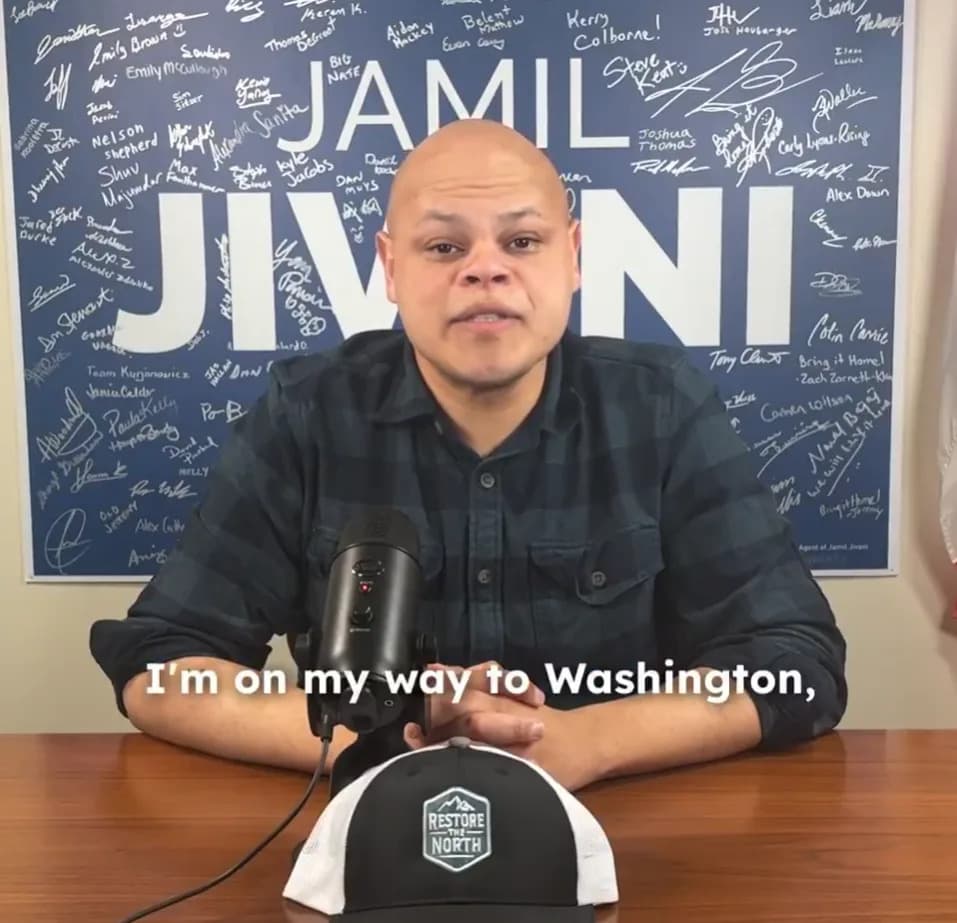
Conservative MP Jamil Jivani said his goal in a series of unofficial meetings this week with senior U.S. officials was to de‑escalate tensions and prepare the ground for looming summer trade negotiations.
In an exclusive interview with Semafor, Jivani — who described himself as a longtime friend of Vice President J.D. Vance — said he met with Vance and his wife, Usha Vance, as well as Secretary of State Marco Rubio. He said the conversations were focused on keeping channels of communication open as Ottawa and Washington head toward trade talks scheduled to begin in July.
Push for Bipartisan Preparation
Jivani argued that U.S.–Canada trade discussions have grown too partisan and called on the Canadian government to form a multi‑partisan committee to prepare for the July negotiations. "Part of what I'm trying to do by being here," he said, "is signal that we're all on the same team and we don't need to be fighting one another. I think there's a real opportunity to build something with the U.S. administration."
China Deal Seen As A Red Flag
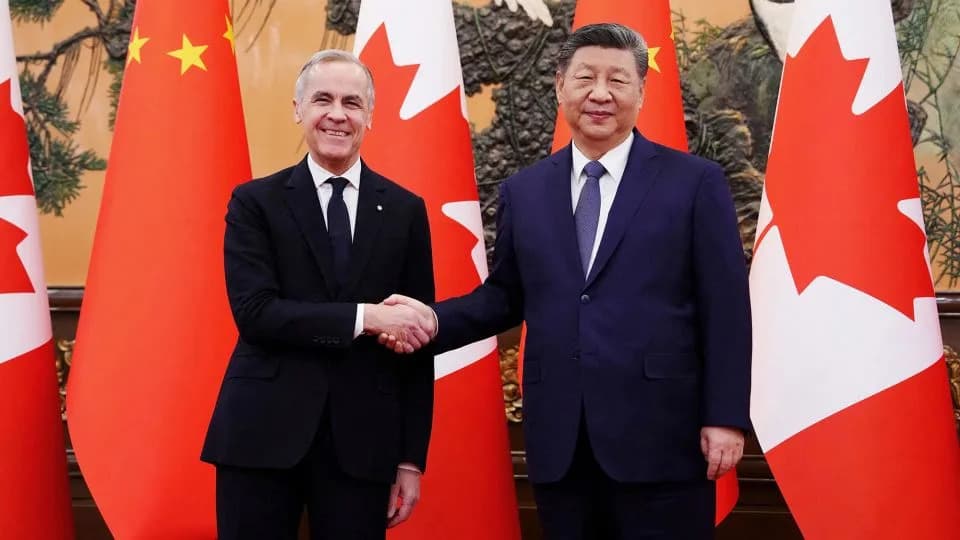
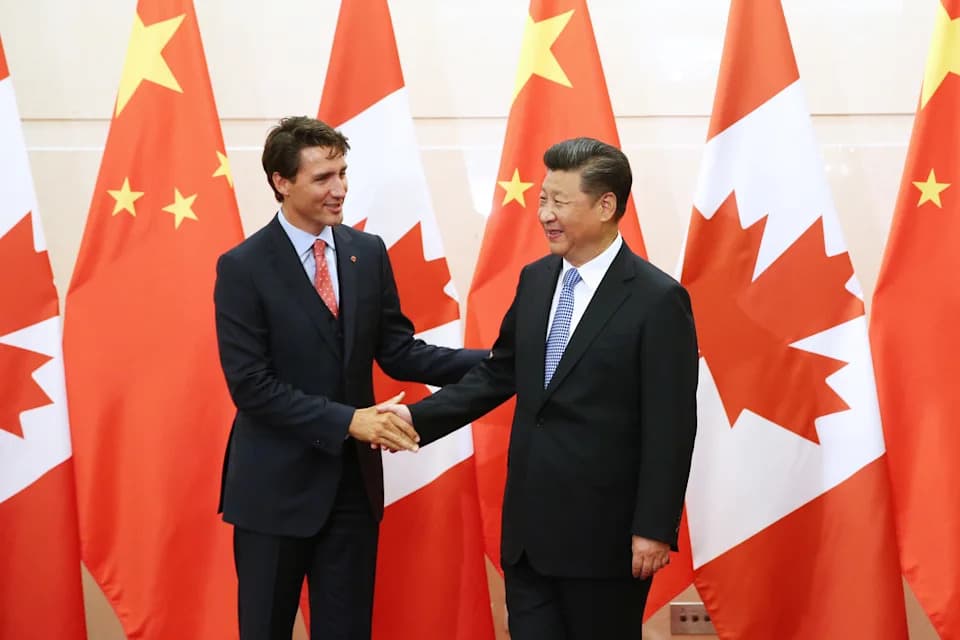
Jivani warned that Canada’s recent multi‑front trade agreement with China complicates the upcoming hemispheric talks and described the deal as a "red flag." He said the pact raises economic and strategic concerns — including potential job losses in domestic industries if tariffed imports, such as electric vehicles, undercut Canadian manufacturers.
"Before we're even really doing everything possible to get this done with the U.S., now we're willing to work with a government that, less than a decade ago, we were calling a genocidal state," Jivani said. "Now... we're offering to import their electric vehicles while workers in my community in the auto industry are getting laid off."
He suggested that a growing strand of anti‑American sentiment in parts of Canada has helped create political space for deeper economic engagement with China. "There have been people fanning the flames of anti‑American resentment in Canada, and I think in doing so have created an openness to doing business with China," he said.
Room To Work With Washington — Despite Public Tensions
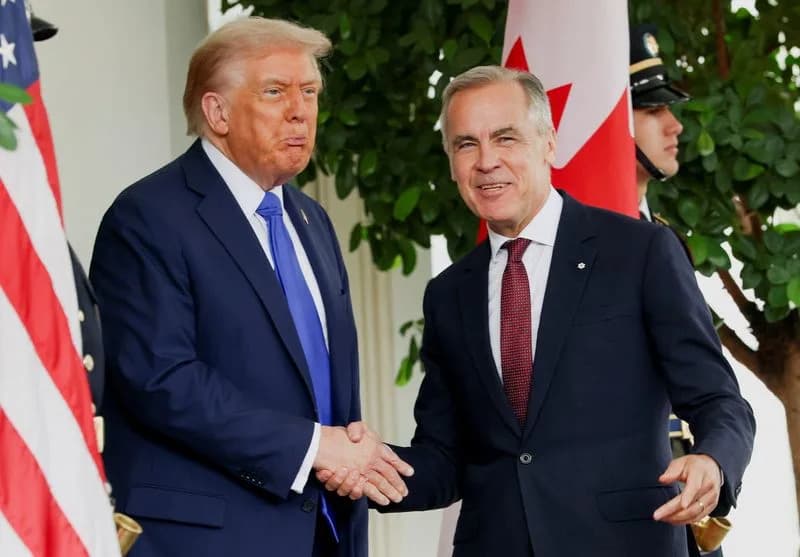
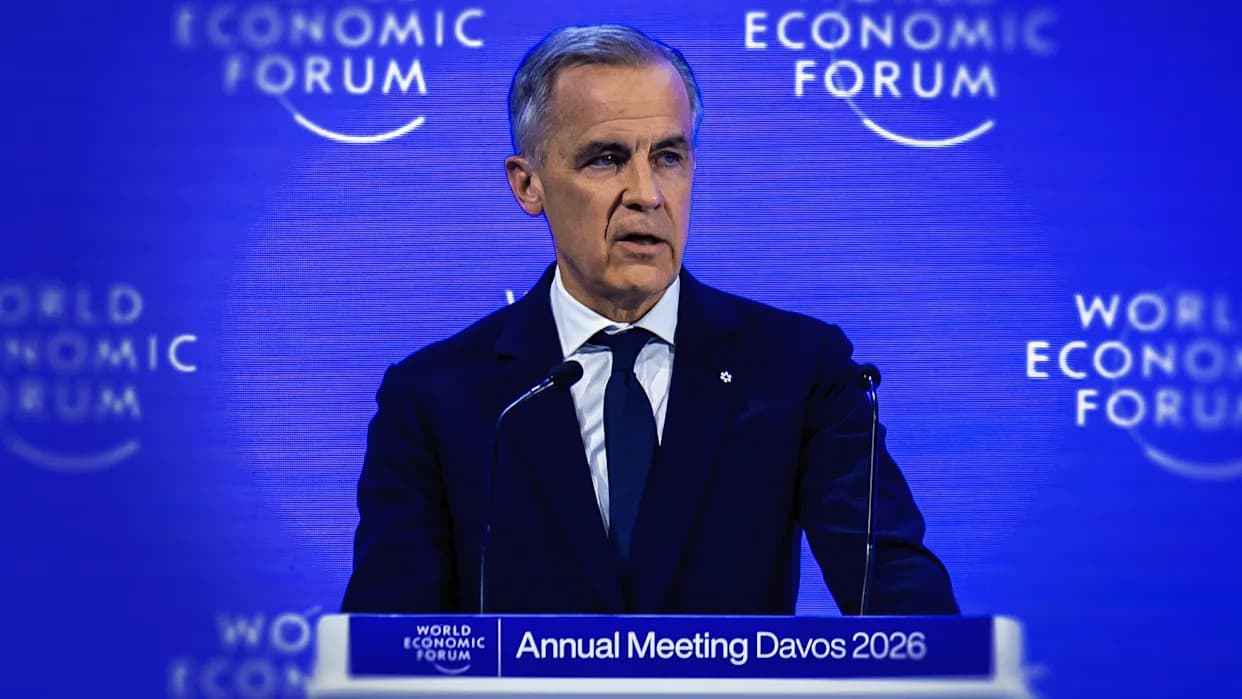
Jivani said he left the meetings with the impression that U.S. officials remain open to cooperation. Though President Trump publicly criticized Canada's stance at Davos and warned of a possible 100% tariff if Ottawa proceeds with the China agreement, Jivani told Semafor he does not believe the door is closed.
"I don't think they're happy... but I don't think that's closed the door here," he said. "I think there's respect for our government and for the party administration, and I want to see that turn into action."
Jivani emphasized he was not speaking on behalf of the Canadian prime minister or the government. He said he hopes his outreach will prompt meetings with the prime minister and senior advisers and that he plans to meet several GOP senators during his trip.
The prime minister's office did not immediately respond to a request for comment. Canadian officials have said they are in frequent contact with U.S. counterparts; one government source reportedly described existing channels as "extensive."
While offhand remarks by U.S. political figures about annexation or other provocative ideas have occasionally surfaced in public debate and may have contributed to bilateral friction, Jivani said his purpose was practical: to re‑establish working lines of communication and reduce partisan friction ahead of negotiations.
Help us improve.