New Mexico’s undercover probe of Meta, using decoy accounts that posed as children, has produced the first stand-alone state trial alleging the company amplified sexual solicitations and prioritized profit over child safety. Attorney General Raúl Torrez filed the civil suit in 2023, seeking remedies under consumer-protection and public-nuisance laws rather than for specific content. Meta denies the claims and says it has added safety tools; opening statements begin Feb. 9 and a judge will later determine any penalties.
Meta Faces First Stand-Alone State Trial In New Mexico Over Undercover Child-Safety Probe

FILE -A Meta logo is shown on a video screen at LlamaCon 2025, an AI developer conference, in Menlo Park, Calif., April 29, 2025. (AP Photo/Jeff Chiu, File)(ASSOCIATED PRESS)
SANTA FE, N.M. — Jury selection begins this week in New Mexico for the first stand-alone state trial stemming from a wave of lawsuits targeting Meta, the parent company of Facebook, Instagram and WhatsApp. The case rests on a state undercover investigation that used proxy social-media profiles and investigators posing as children to document online sexual solicitations and to track how Meta responded.
What Prosecutors Allege
Attorney General Raúl Torrez, who filed the civil suit in 2023, says the company created a marketplace and "breeding ground" for predators by designing features and algorithms that amplify addictive and harmful content for minors. Prosecutors frame the case as one about Meta’s business practices—not the individual posts themselves—arguing the state can pursue remedies under consumer-protection and public-nuisance laws.
As part of its undercover probe, New Mexico created multiple decoy accounts representing minors 14 and younger, documented incoming sexual solicitations and monitored Meta’s responses after the state reported those accounts. The complaint contends the company prioritized profit over child safety and failed to disclose what it knew about harms to young users.
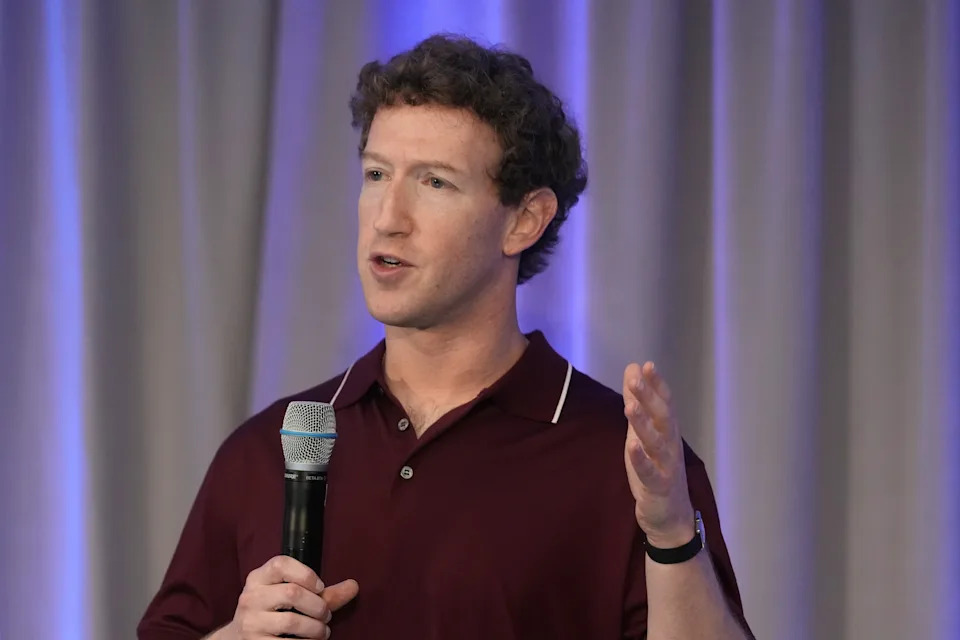
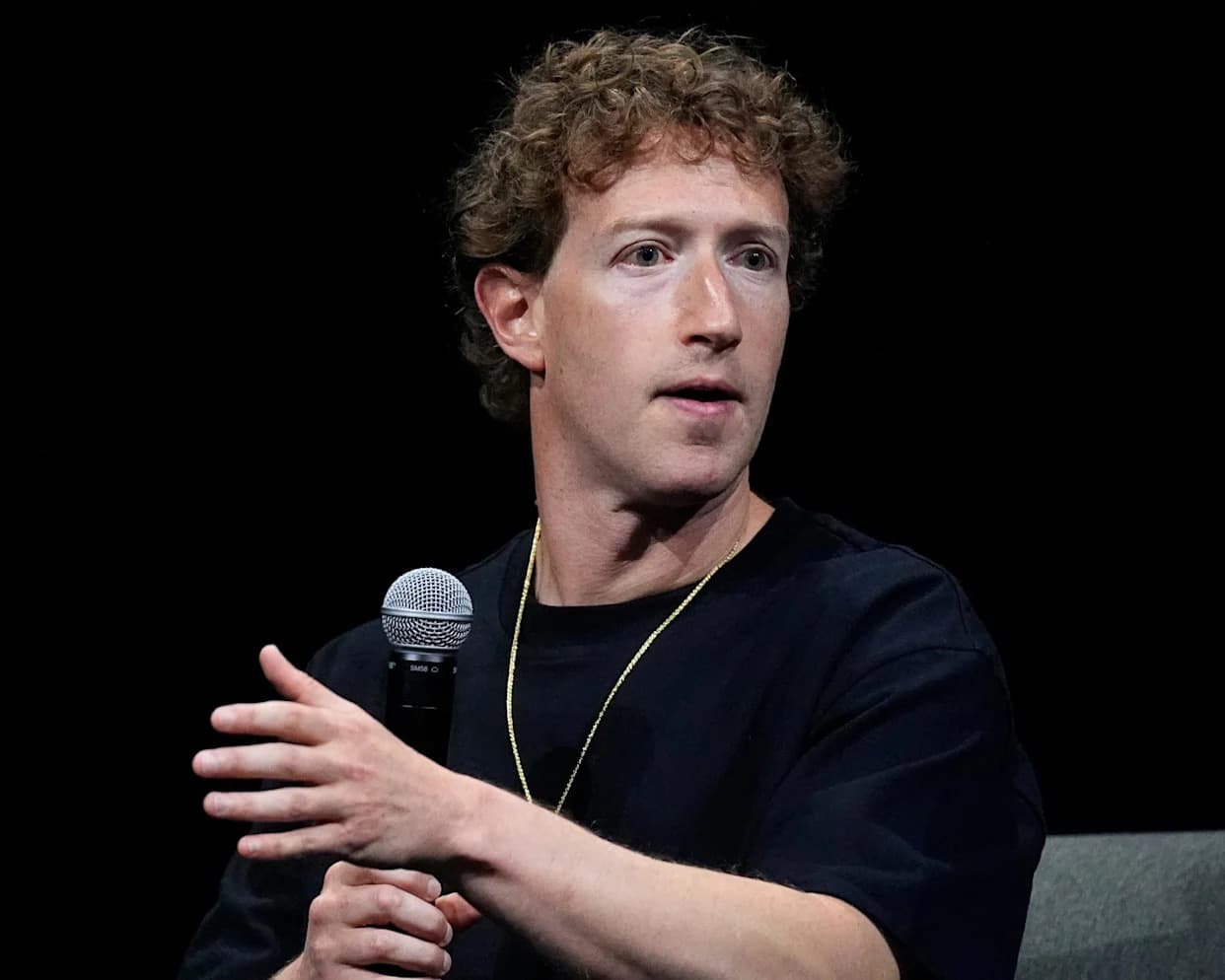
FILE - Meta CEO Mark Zuckerberg speaks during an event at the Biohub Imaging Institute in Redwood City, Calif., Nov. 5, 2025. (AP Photo/Jeff Chiu, File)(ASSOCIATED PRESS)
Meta’s Response
Meta denies the civil claims, accusing prosecutors of cherry-picking documents and pursuing a "sensationalist" narrative. The company says lawsuits nationwide oversimplify teen mental-health problems and that it has rolled out safety tools and account controls aimed at protecting young people. Chief Executive Officer Mark Zuckerberg was removed as a defendant in the suit, though he has been deposed and appears in produced documents.
Legal Stakes And Broader Context
New Mexico’s approach seeks to avoid immunity defenses tied to the First Amendment and Section 230 of the Communications Decency Act by focusing on the company’s design and distribution practices. If successful, the case could create a model for other states to hold platforms accountable through state consumer-protection and nuisance claims.
More than 40 state attorneys general have filed separate lawsuits against Meta claiming its products harm young people and contribute to a youth mental-health crisis. Other related cases include a bellwether personal-injury trial in Los Angeles and consolidated lawsuits involving social-video platforms; a federal trial representing school districts is set to begin in June in Oakland.
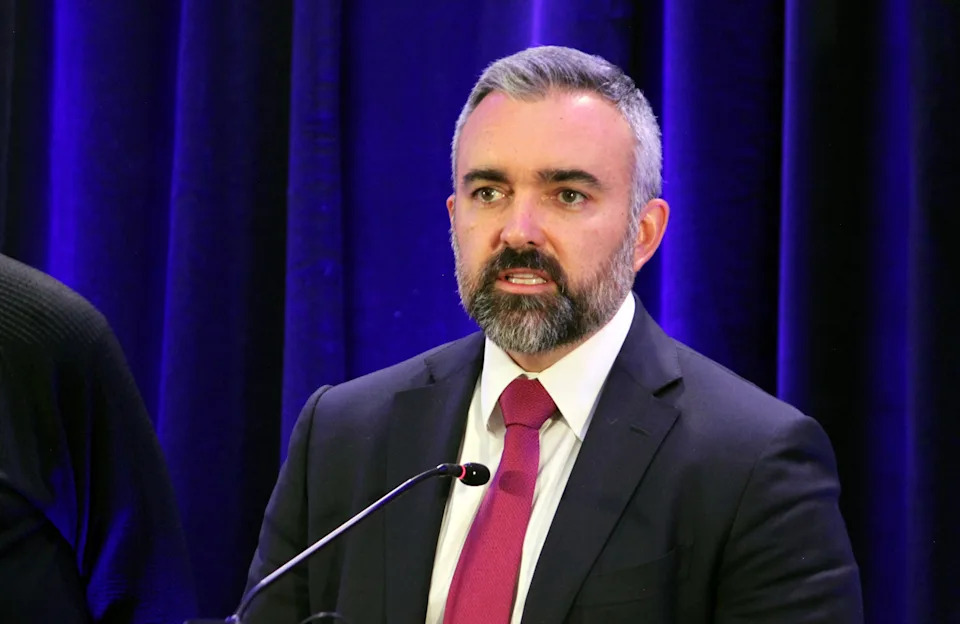
FILE - New Mexico Attorney General Raúl Torrez discusses the nexus of public safety, mental health and adverse child experiences during a news conference following a summit in Albuquerque, N.M., Nov. 3, 2023. (AP Photo/Susan Montoya Bryan, File)(ASSOCIATED PRESS)
Potential Penalties And Process
Opening statements in New Mexico are scheduled for Feb. 9, and the trial could run for nearly two months. A jury will determine whether Meta engaged in unfair business practices and to what extent, but a judge will make the final decision on any civil penalties and on the public-nuisance claim. Under New Mexico’s Unfair Practices Act, statutory fines can reach $5,000 per violation, though how violations would be counted remains unclear.
"So many regulators are keyed up looking for any evidence of a legal theory that would punish social media that a victory in that case could have ripple effects throughout the country, and the globe," said Eric Goldman, co-director of the High Tech Law Institute at Santa Clara University School of Law.
Plaintiffs’ attorney Mollie McGraw noted the potential scale of damages tied to how the platform tracks and distributes content: "Meta keeps track of everyone who sees a post. … The damages here could be significant."
The case in New Mexico is part of a larger legal and policy debate over how to balance platform liability, child safety, privacy (including end-to-end encryption) and the role of algorithms in shaping online experiences for young people.
Help us improve.