NASA released a December 6 night image from Curiosity showing its arm-mounted LEDs illuminating a drill hole in a rock called "Nevado Sajama." The Mars Hand Lens Imager captured the true-color photo at 1,600 × 1,200 pixels using UV and white LEDs. The hole, drilled on Nov. 13 (sol 4,740), was "smooth enough" to inspect for layering despite a 2018 drilling-method change. The sample sits amid "boxwork" formations that can resemble spiderwebs from orbit.
Curiosity’s Night Lights: Haunting Photo Shows Rover Illuminating Martian Drill Hole
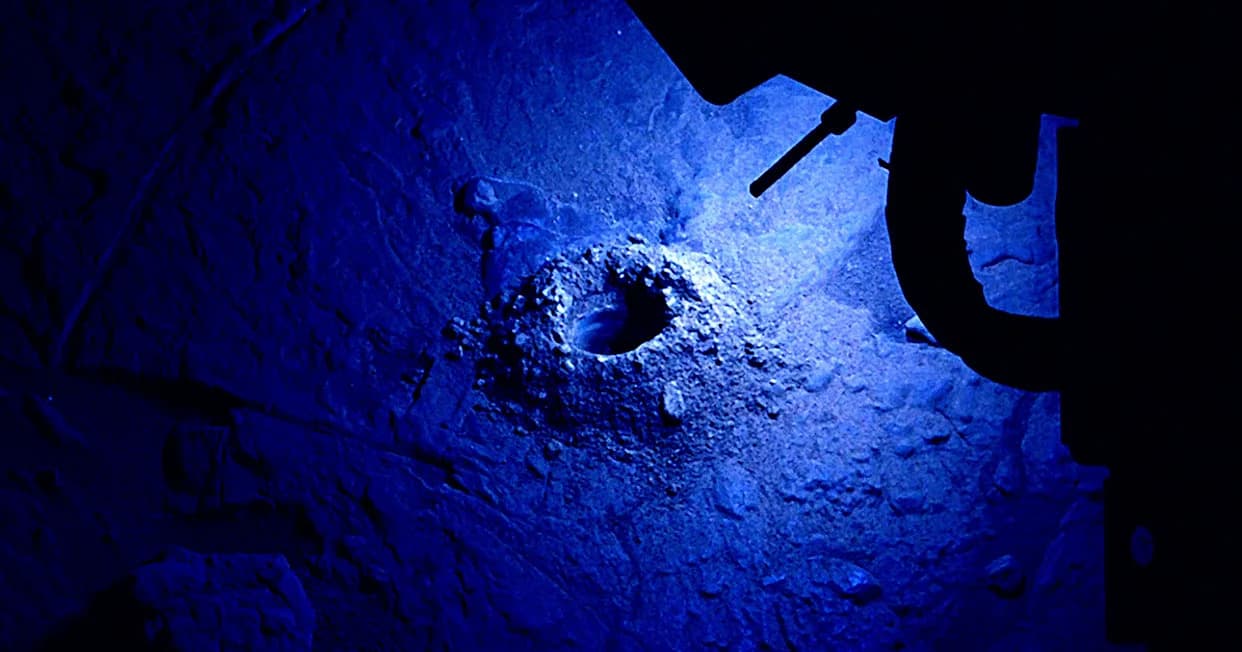
An image taken by NASA's Curiosity rover shows its LED lights lighting up a hole it drilled into the surface of the rock.
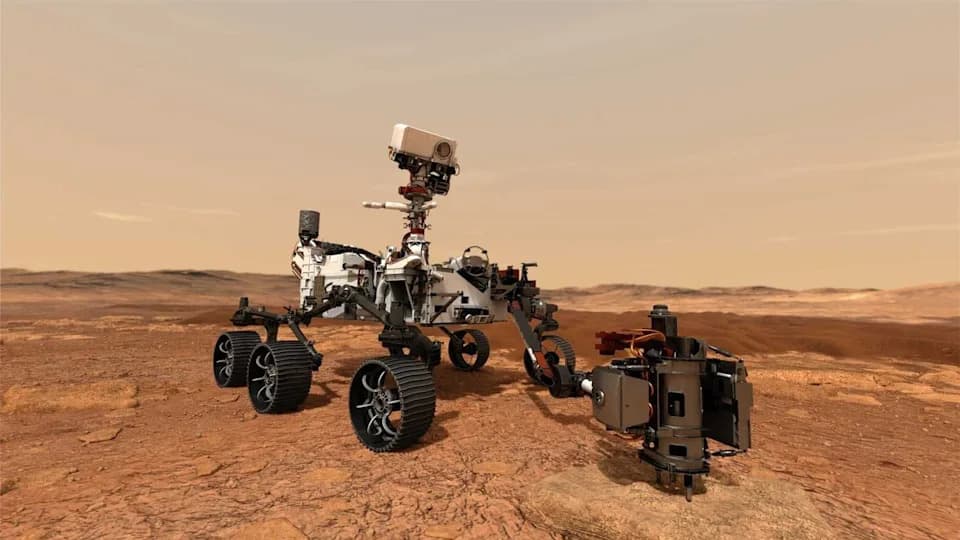
A night on Mars lasts just over 12 hours on average, and without artificial lighting the landscape can feel stark and otherworldly — temperatures near the equator can plunge to about -100°F. Yet NASA’s Curiosity rover pierces that darkness with LED lights mounted on its robotic arm, revealing features otherwise lost in shadow.
On December 6, NASA released a haunting night image taken by the Mars Hand Lens Imager (MHLi) that shows those LEDs illuminating a drill hole in a rock nicknamed "Nevado Sajama." The hole was drilled on November 13 (sol 4,740) and — unlike many samples since a 2018 change in Curiosity’s drilling approach — was judged "smooth enough" to inspect for layering.
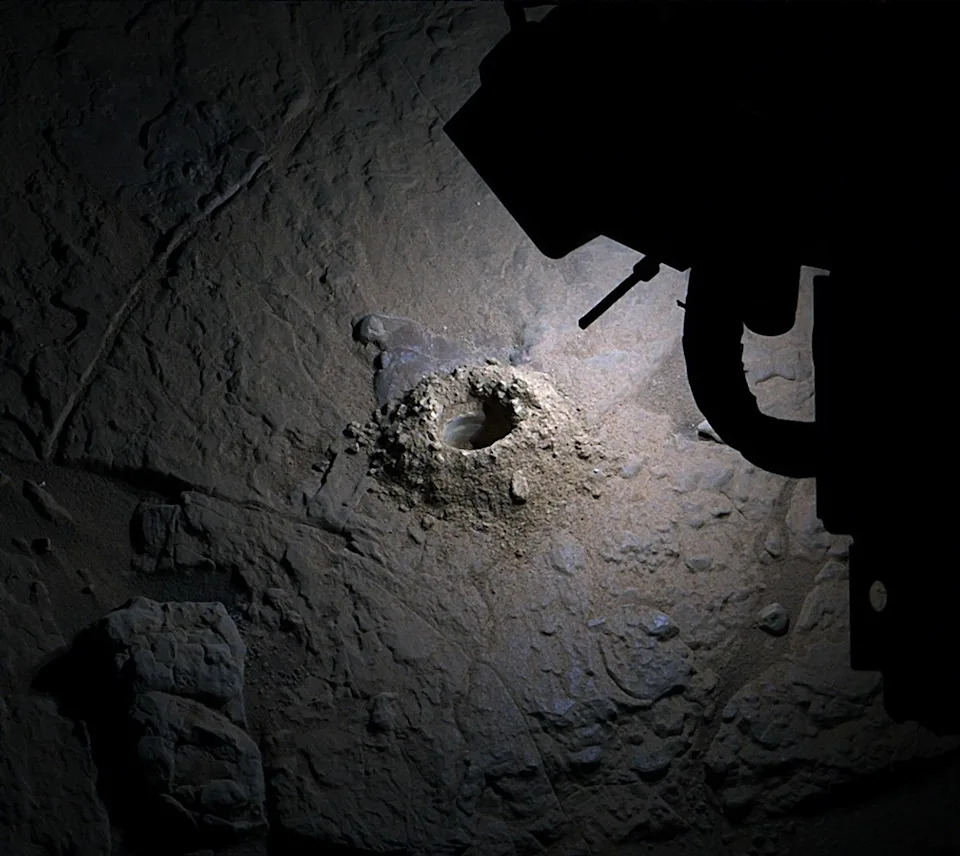
An image taken by NASA's Curiosity rover shows its LED lights lighting up a hole it drilled into the surface of the rock.
Why The Image Matters
The MHLi is one of Curiosity’s 17 cameras. It records true-color images at 1,600 × 1,200 pixels and includes both ultraviolet and white LEDs so the team can image targets at night or deep inside shadows. Scientists use those LEDs to illuminate interiors of drill holes and the inlet tubes that deliver samples to the rover’s onboard instruments.
Scientific And Visual Insights
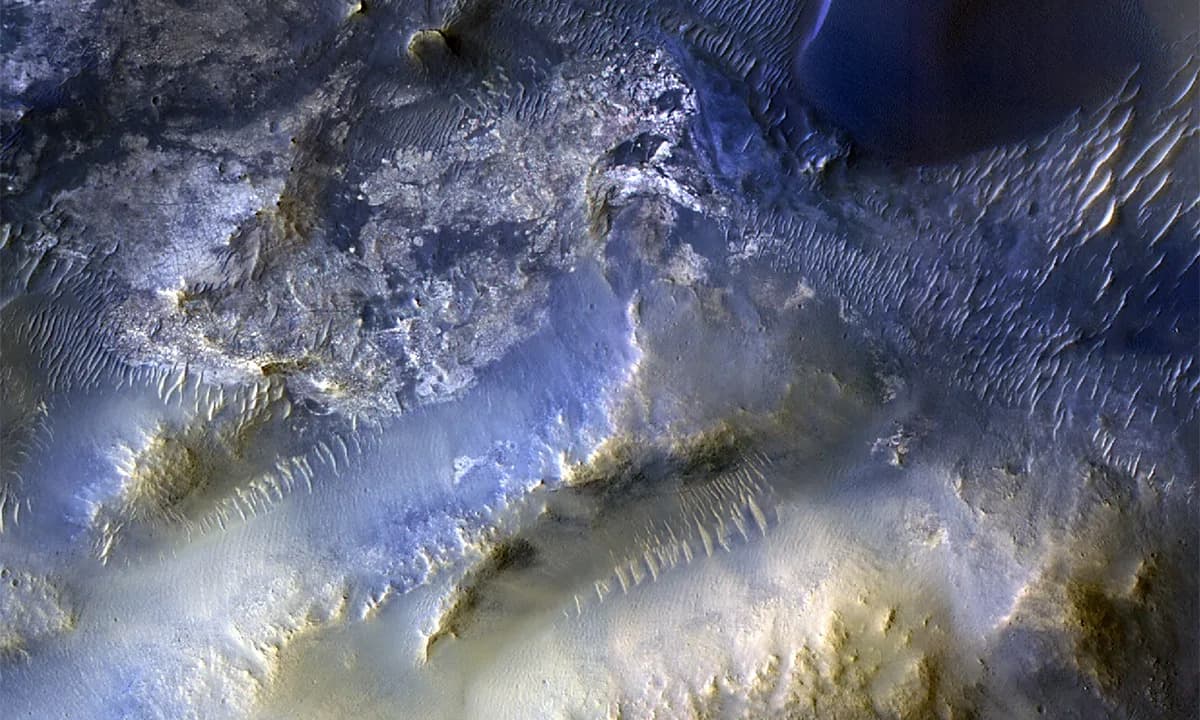
Weeks after the November drilling, the illuminated view helped researchers better assess the rock’s interior texture and layering, important clues about past environments and potential habitability. The rock was found in a region marked by "boxwork" geologic formations — patterns that can appear like vast spiderwebs from orbit — adding to the eerie, cinematic quality of the night photo.
Beyond its striking appearance, the image demonstrates a practical technique: targeted illumination enables Curiosity to study shadowed or recessed features that sunlight alone cannot reveal, extending the rover’s scientific reach during long Martian nights.
Image credit: NASA / JPL-Caltech / MSSS
Help us improve.