Summary: President Trump’s advisers say they will judge Venezuela’s interim president, Delcy Rodríguez, by deeds rather than rhetoric, even as she publicly criticizes Washington. Rodríguez has freed political prisoners, proposed an amnesty, and approved oil-sector reforms with the first $300 million in sales earmarked to stabilize the market. She maintains regular contact with U.S. officials, but some U.S. intelligence and Republican allies doubt her long-term alignment with Washington. The administration retains sanctions and oil leverage and has signaled elections could occur within 24 months.
Trump Team Backs Venezuela’s Interim Leader Despite Her Public Rebukes of Washington
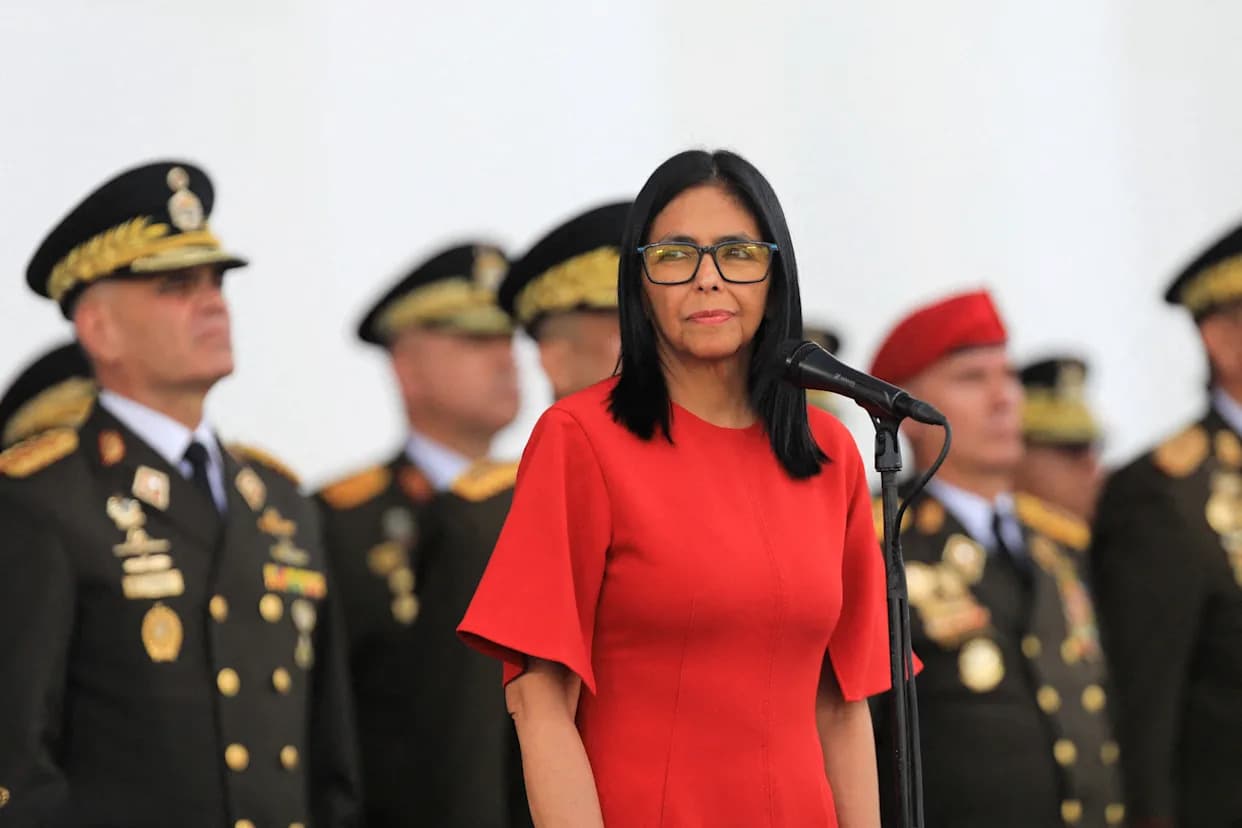
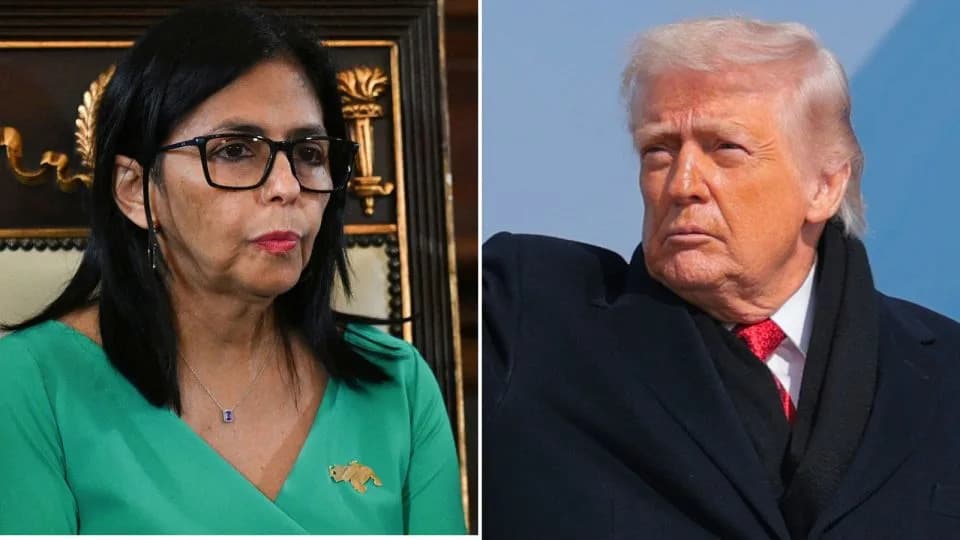
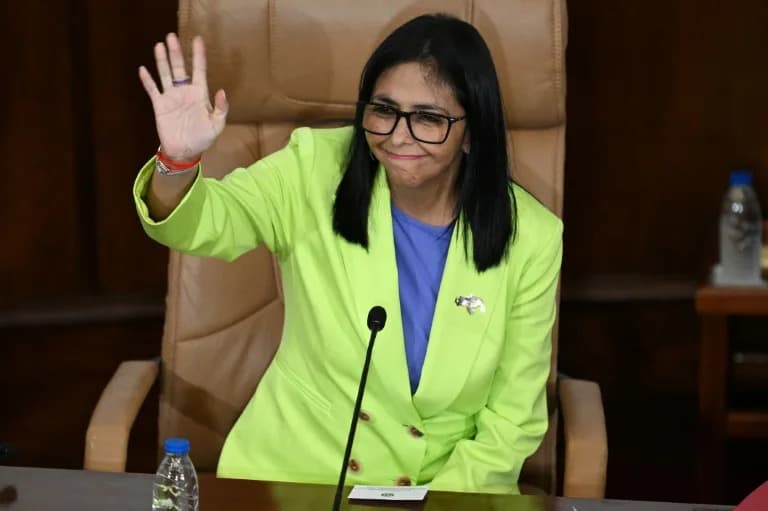
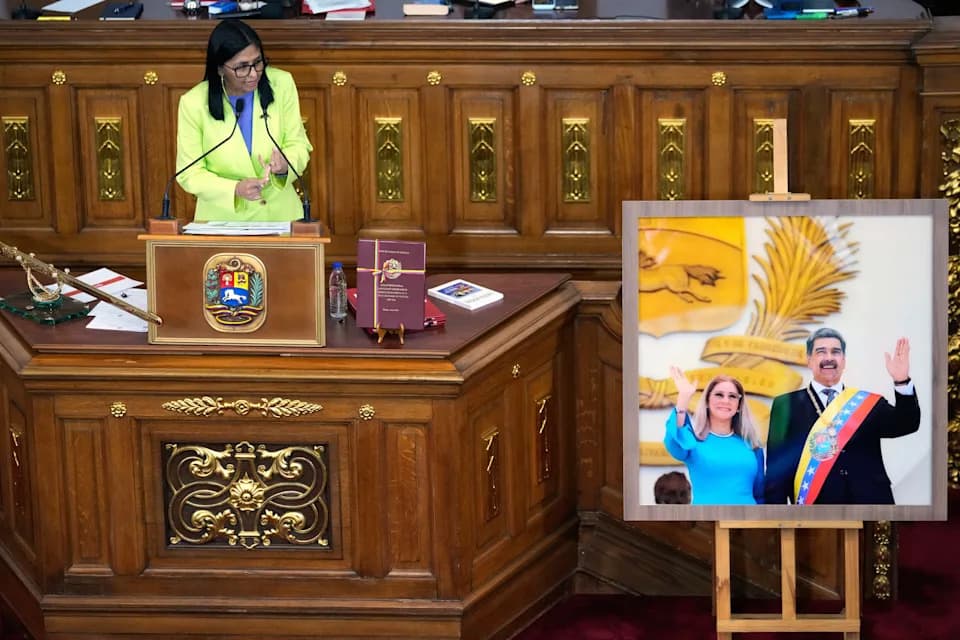
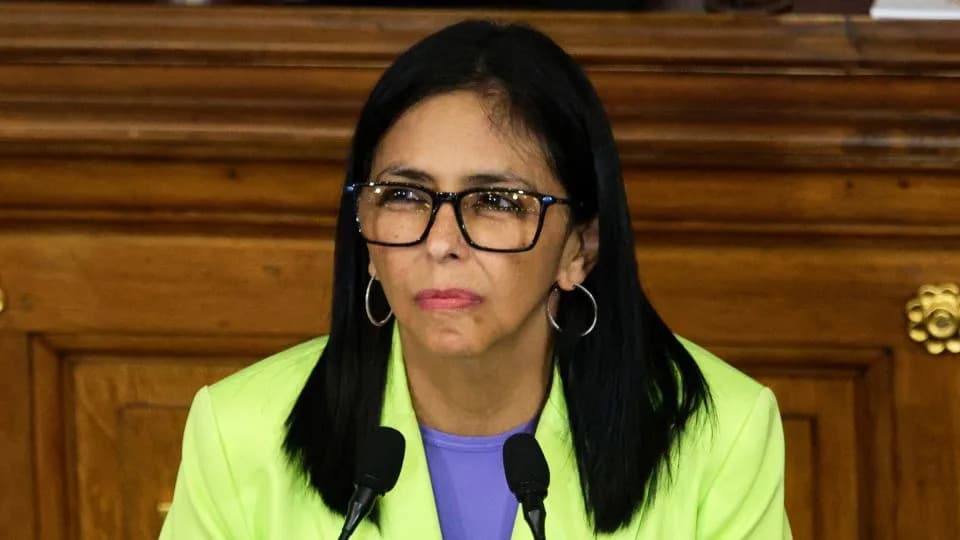
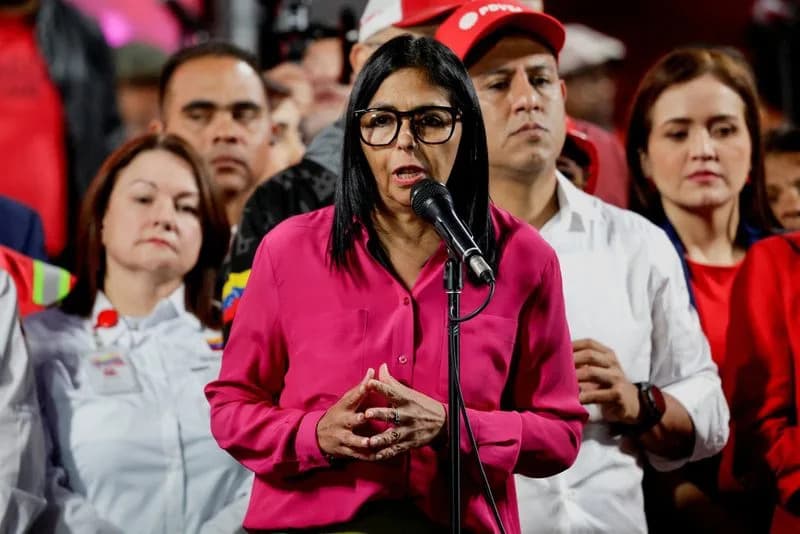
President Donald Trump’s advisers say they remain broadly satisfied with Venezuela’s interim president, Delcy Rodríguez, even as she mixes concrete cooperation with public criticism of Washington.
Actions Versus Rhetoric
About one month after a change of leadership in Venezuela, Rodríguez has taken several steps that Washington views as constructive: she has released a number of political prisoners, proposed legislation that could grant amnesty to many others, and approved a law reshaping the country’s oil sector. Rodríguez also pledged that the first $300 million from oil sales would be used to "consolidate and stabilize" the market.
Diplomatically, she has maintained regular contact with U.S. officials, including weekly conversations with Senator Marco Rubio and a recent meeting with newly appointed U.S. envoy Laura Dogu to discuss bilateral relations.
Public Tension
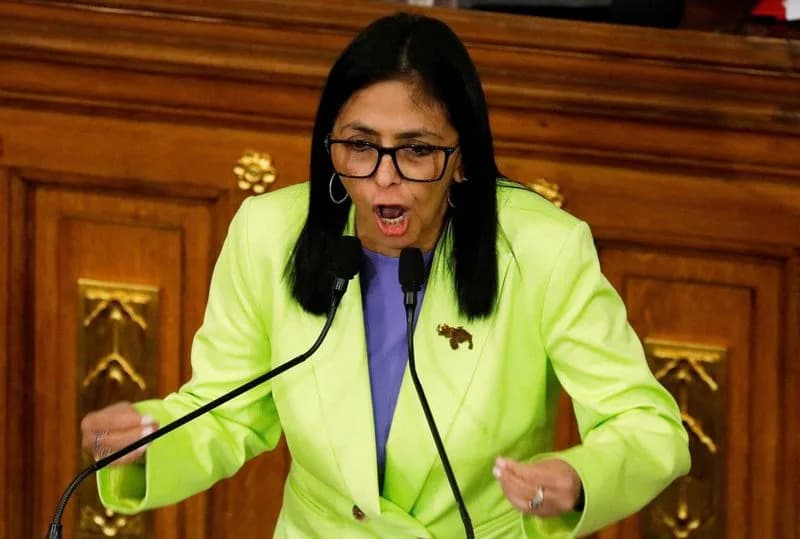
At the same time, Rodríguez’s public comments have at times been combative. She has criticized aspects of the transition and recently declared she has "had enough" of taking "orders" from the United States — remarks that have prompted concern among some observers about how enduring her cooperation will be.
“We will judge her by her actions, not her words,” a senior U.S. official close to the administration told reporters, echoing comments made by Senator Rubio during testimony on Capitol Hill.
U.S. Calculation and Leverage
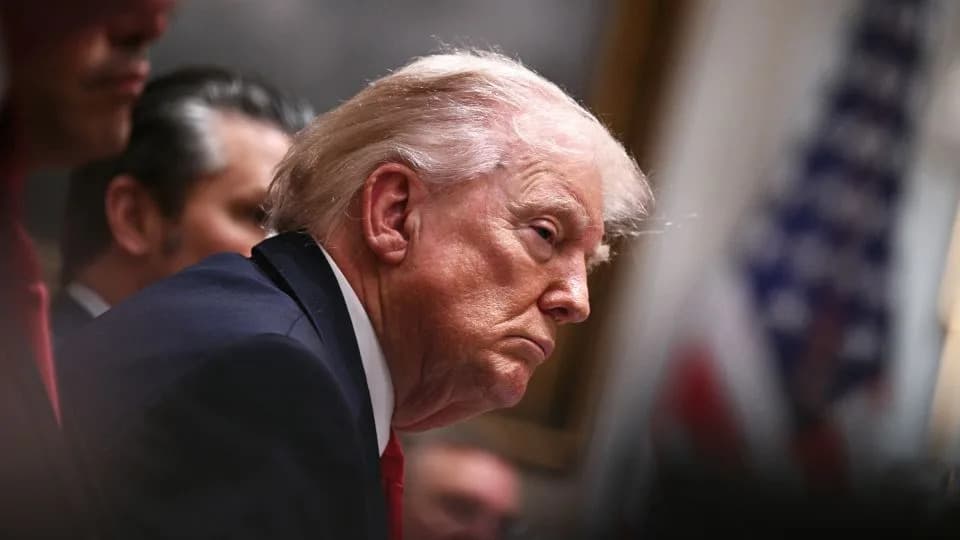
For now, Trump aides appear willing to tolerate Rodríguez’s public rhetoric because they believe the administration holds the leverage. That leverage includes broad sanctions and de facto influence over Venezuela’s oil revenues. One White House ally described Rodríguez as being "on a short leash," suggesting her tougher comments may be aimed at domestic audiences and remnants of the prior regime rather than at Washington.
Still, the administration has stopped short of fully endorsing Rodríguez’s legitimacy. Officials have reiterated a commitment to new, free elections in Venezuela, and one source close to the White House suggested those could occur "within 24 months." Meanwhile, President Trump has publicly praised Rodríguez as "a terrific person" who has worked "well" with the U.S.
Political Doubts and Risks
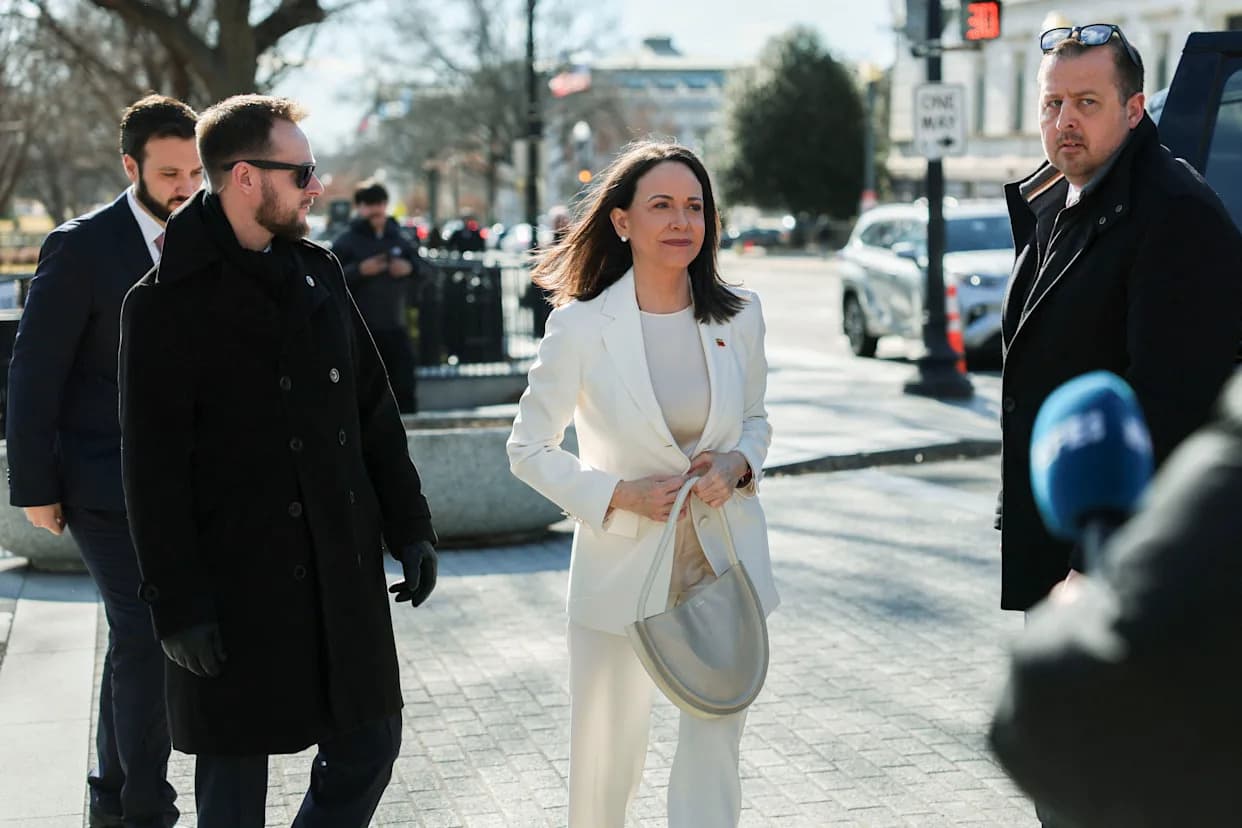
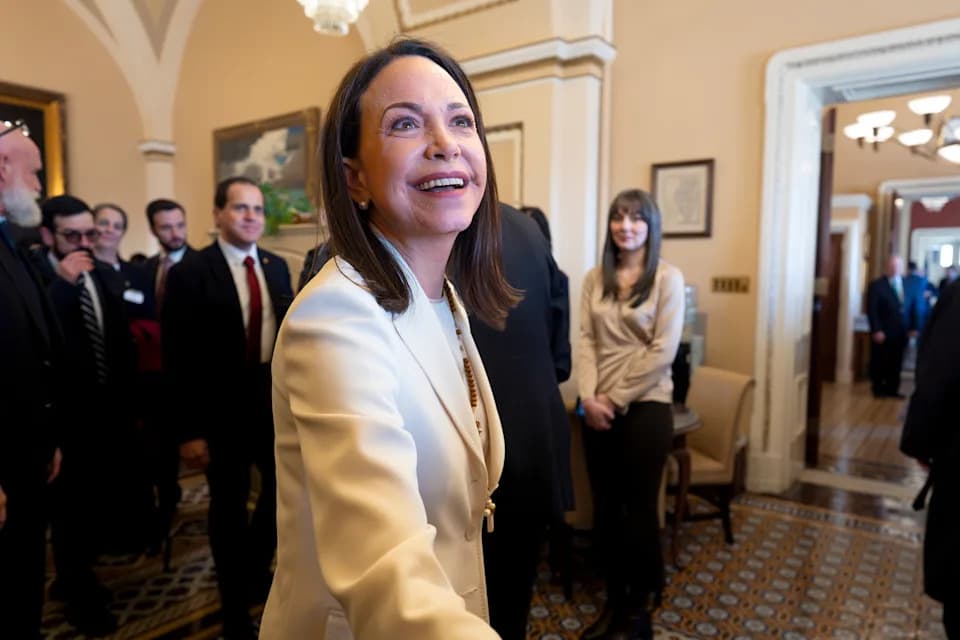
Not all Republicans are convinced Rodríguez’s cooperation is sincere or long-term. Some GOP allies argue her compliance may be tactical — a way to stabilize her position while waiting out the U.S. administration. Senator Rick Scott has pushed for what he called a "real election" in which opposition leaders like Maria Corina Machado could stand freely.
U.S. intelligence assessments cited by Reuters have expressed skepticism that Rodríguez will agree to all U.S. demands, particularly on cutting ties with countries such as Iran, China and Russia. To date, Rodríguez has not announced any formal shift in relations with those states.
What Comes Next
The Trump administration appears to be betting that Rodríguez’s actions will align with U.S. goals despite her public bluster. That calculation carries risk: if her rhetoric signals deeper, long-term divergence from U.S. priorities, Washington’s leverage may be tested. For now, the relationship remains transactional — measured in oil revenues, sanctions relief, and the promise of future elections.
Help us improve.