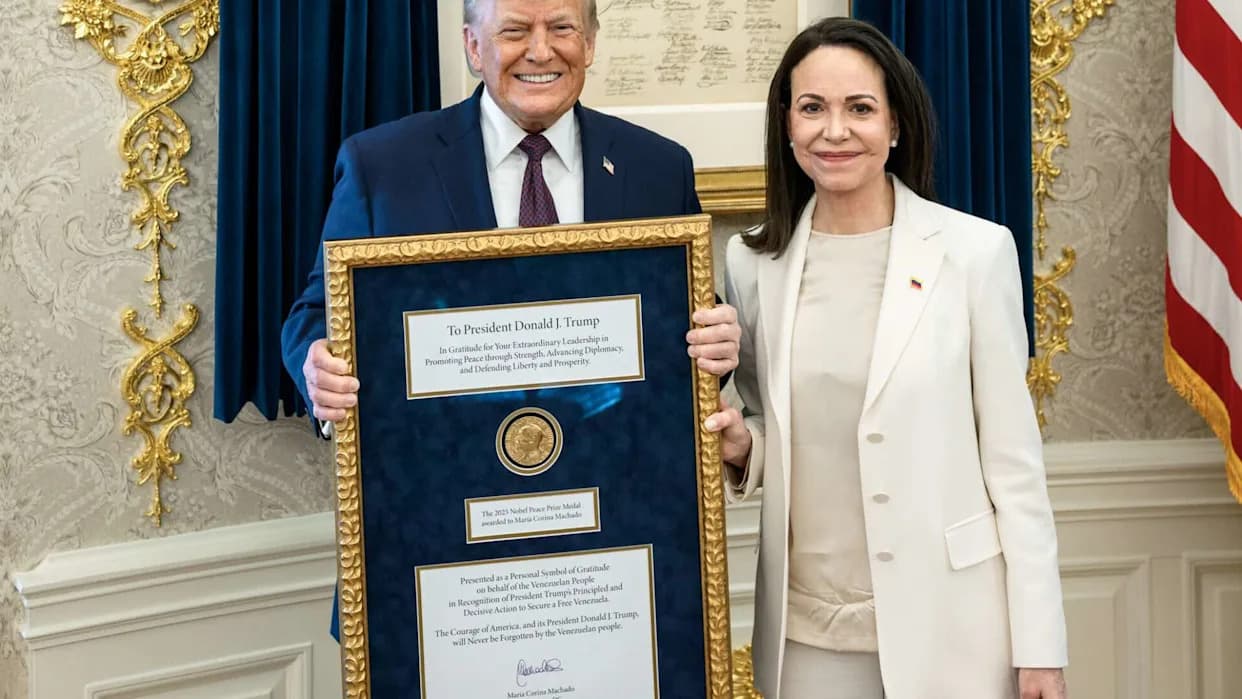
President Trump met with opposition leader María Corina Machado as Washington debates how quickly Venezuela should hold new elections. Some Republicans are pressing for rapid polls, calling interim leader Delcy Rodríguez a continuation of the Maduro era, while analysts warn that rushed elections could undermine a durable democratic transition. Francisco Rodríguez and others argue negotiated reforms and institutional safeguards are needed before credible national votes. The U.S. has also completed a roughly $500 million sale of Venezuelan oil, with part of the proceeds held in Qatar.
Trump Meets María Corina Machado — Washington Divided Over Timing Of Venezuela Elections
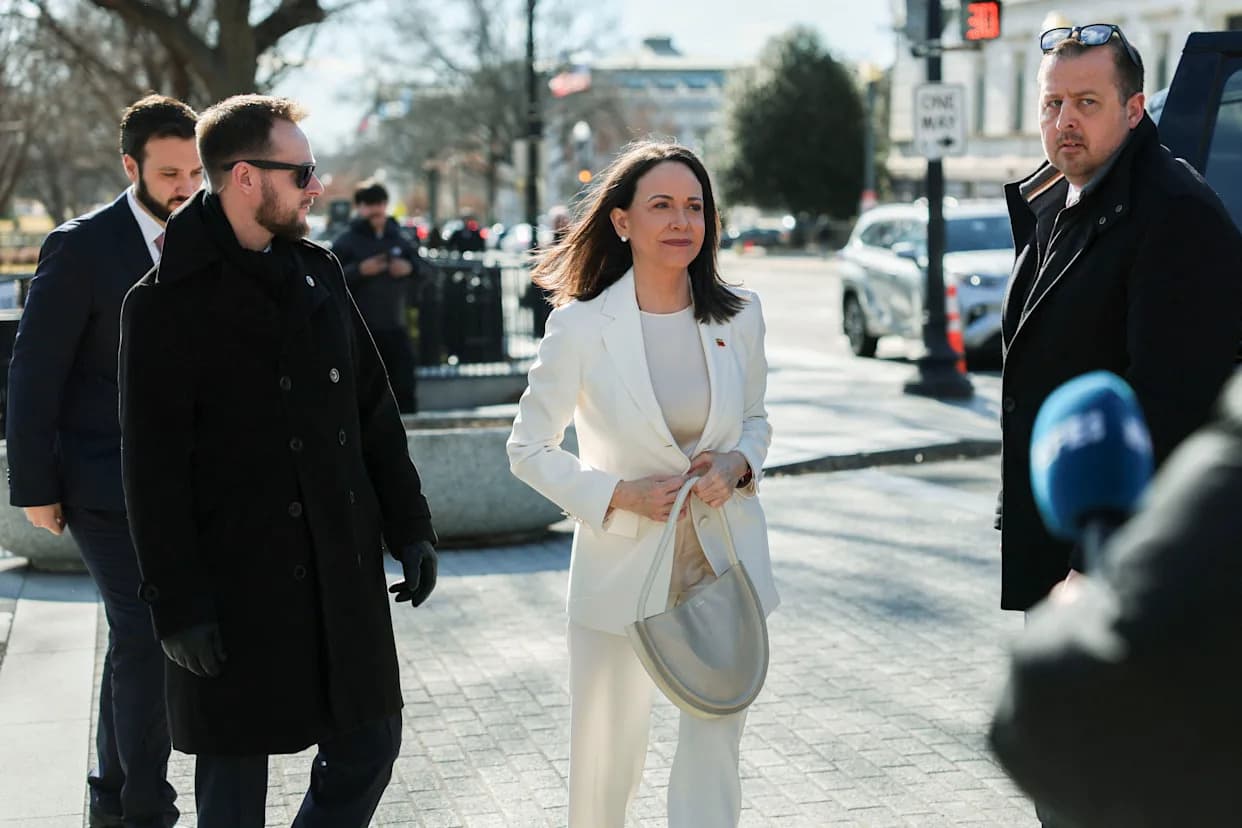
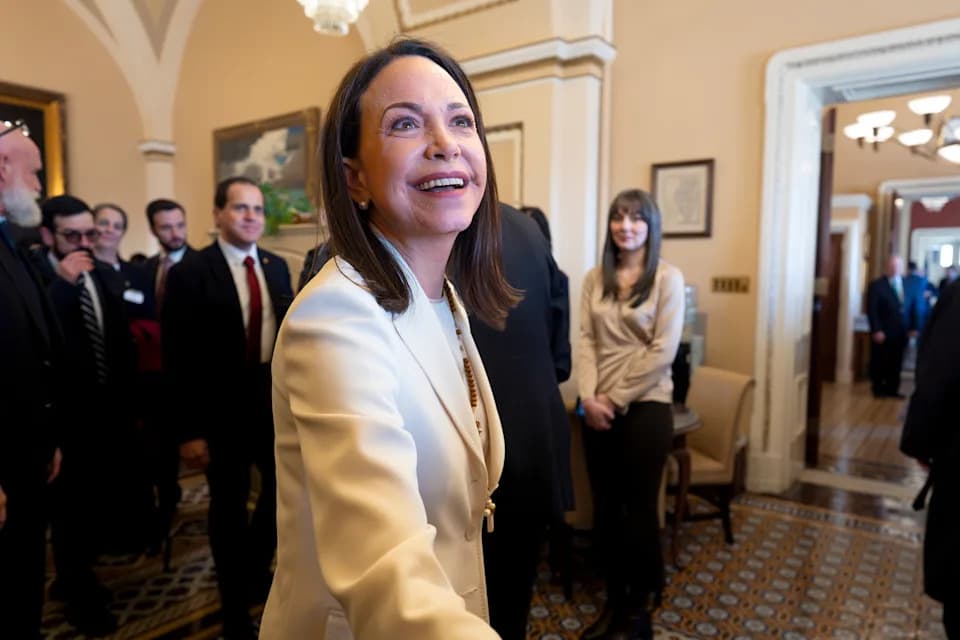
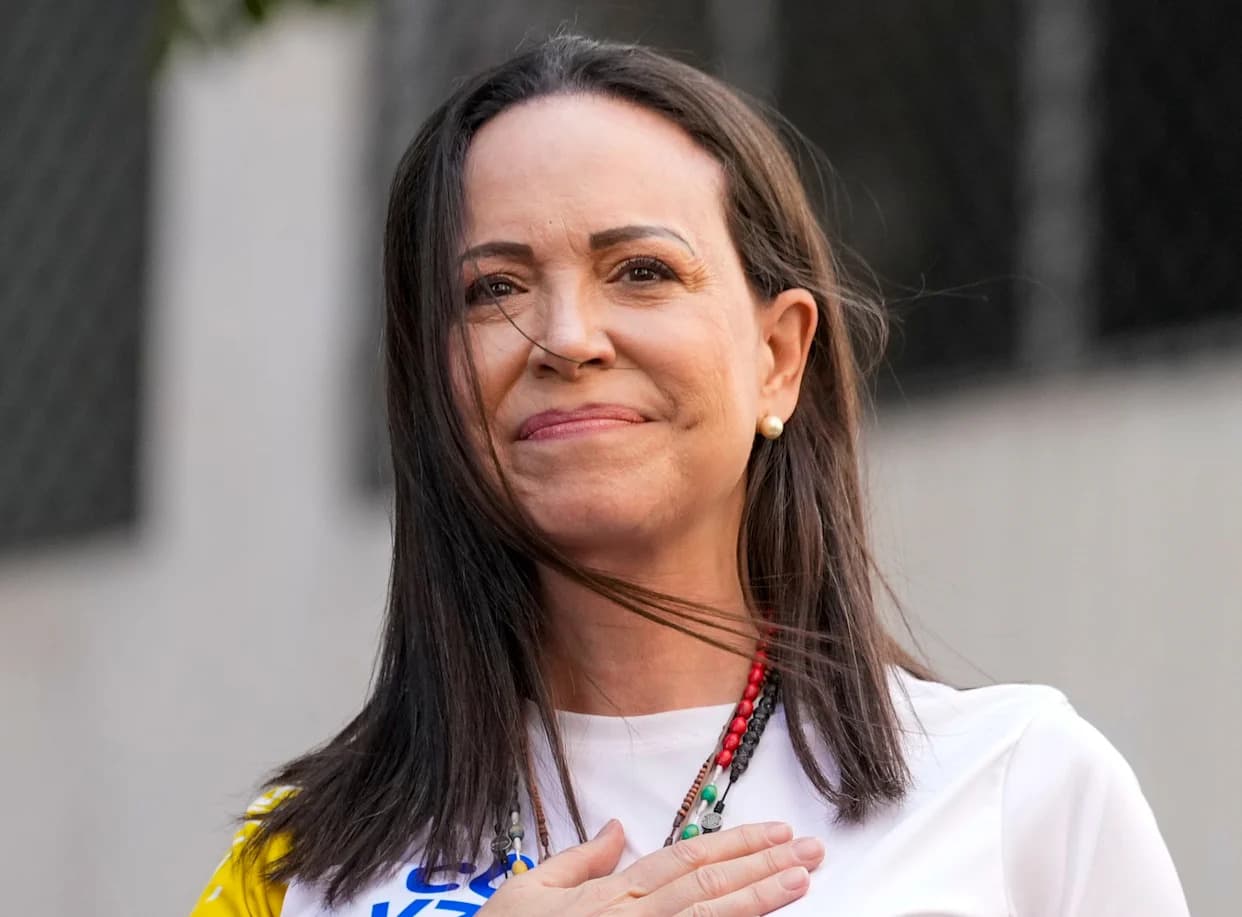
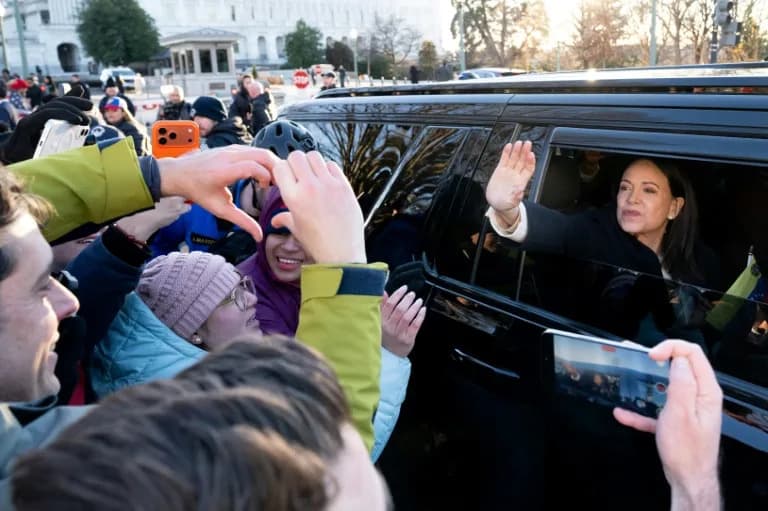
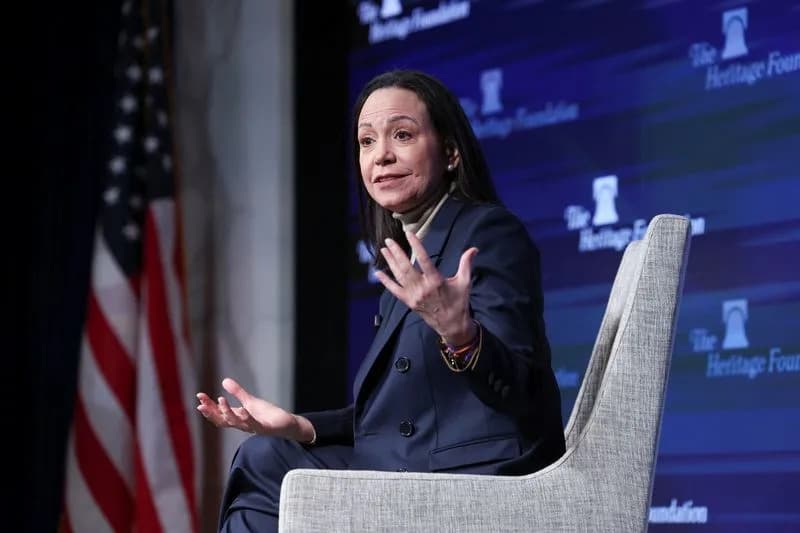
President Donald Trump met with Venezuelan opposition leader María Corina Machado amid a heated debate in Washington over how quickly Venezuela should hold new presidential elections.
Some Republican allies of the president are urging rapid polls, arguing that interim leader Delcy Rodríguez represents a continuation of Nicolás Maduro's regime and must be replaced quickly. Others—including analysts and some lawmakers—warn that rushing elections without meaningful institutional guarantees could undermine a lasting democratic transition.
After a phone call on Wednesday, Mr. Trump praised Rodríguez, calling her a "terrific person," comments that drew criticism from those who say the United States should press for deeper democratic reforms rather than simply installing a new vote.
Voices Calling For Speed — And Caution
Sen. Rick Scott (R-Fla.) said elections "should have been held yesterday," but stopped short of faulting the administration’s methodical approach: "Yesterday would have been a good day [to hold elections]. I think we have to understand we have a process, and that’s what the Trump administration is trying to do. [Rodríguez is] clearly not an elected leader. She’s the head of the cartels. She was part of Maduro’s stolen last election… I think the Trump administration does have a plan for democracy, and María Corina Machado will be the president."
Sen. Ruben Gallego (D-Ariz.) urged immediate elections and cautioned against a perception of U.S. control: "I would want to see elections right away for the people of Venezuela. They deserve democracy... the sooner we have it, the better, so that we can be healing the country and not have the colonial relationship that it seems like this president is trying to set up."
Analysts Urge A Negotiated, Institutional Approach
Francisco Rodríguez, senior research fellow at the Center for Economic and Policy Research, warned that pressuring the regime into hastily scheduled elections could backfire. He argued that:
"The objective of democratic forces and the international community in Venezuela should be to achieve a durable democratic transition. Trying to pressure the regime into holding a presidential election soon won’t get us closer to that objective; rather, it risks repeating the same mistakes that led to the 2024 electoral fiasco.
"Elections tend to come at the end of negotiated political transitions, not at the beginning. Transitions require complex negotiations about guarantees and restraints on executive power. Venezuela’s constitution concentrates extraordinary power in the executive branch; deep institutional reforms—including, potentially, constitutional changes—are needed to guarantee that losers of elections will not be persecuted. A more viable strategy incentivizes the regime to adopt meaningful democratic reforms as part of political negotiations and a power-sharing agreement leading to a negotiated transition to electoral democracy."
Energy And Geopolitics
Meanwhile, the U.S. administration has moved to monetize Venezuelan oil assets: Semafor reporters Shelby Talcott and Eleanor Mueller reported the first sale is valued at about $500 million, with some proceeds being held in Qatar. That sale has added a geopolitical and economic dimension to debate in Washington about how best to support Venezuela’s democratic transition.
Observers say the choice facing U.S. policymakers is whether to press for quick elections — risking a flawed outcome — or to insist on negotiated institutional safeguards that could take longer but offer a better chance at a stable, democratic Venezuela.
Help us improve.