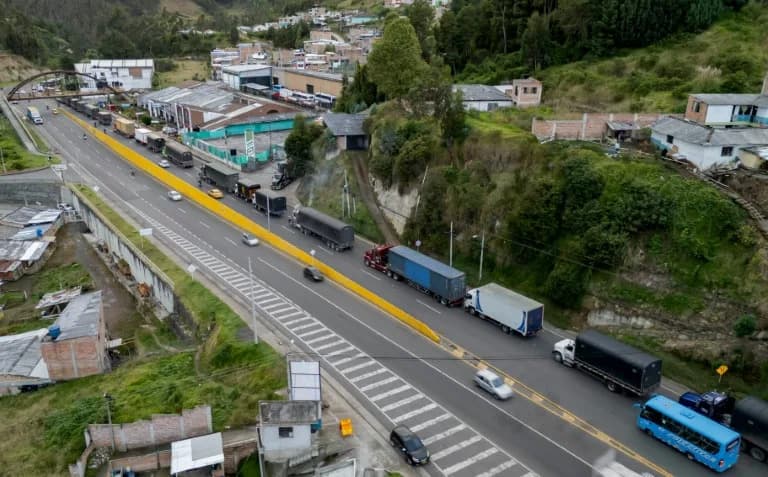
Colombian and Ecuadorian truckers and merchants protested at a border crossing against reciprocal 30% tariffs that began Feb. 1, arguing the levies will damage border economies and energy firms. Ecuador's President Daniel Noboa framed his tariffs as a 'security tax' to pressure Colombia over unchecked cocaine flows; Colombia retaliated with matching duties and announced it would halt electricity sales. Trade between the nations totaled about $2.3 billion last year, and border cities like Ipiales — where 38% of the local economy depends on cross-border trade — stand to be hit hardest.
Border Backlash: Merchants and Truckers Protest 30% Tariffs in Colombia–Ecuador Trade Dispute
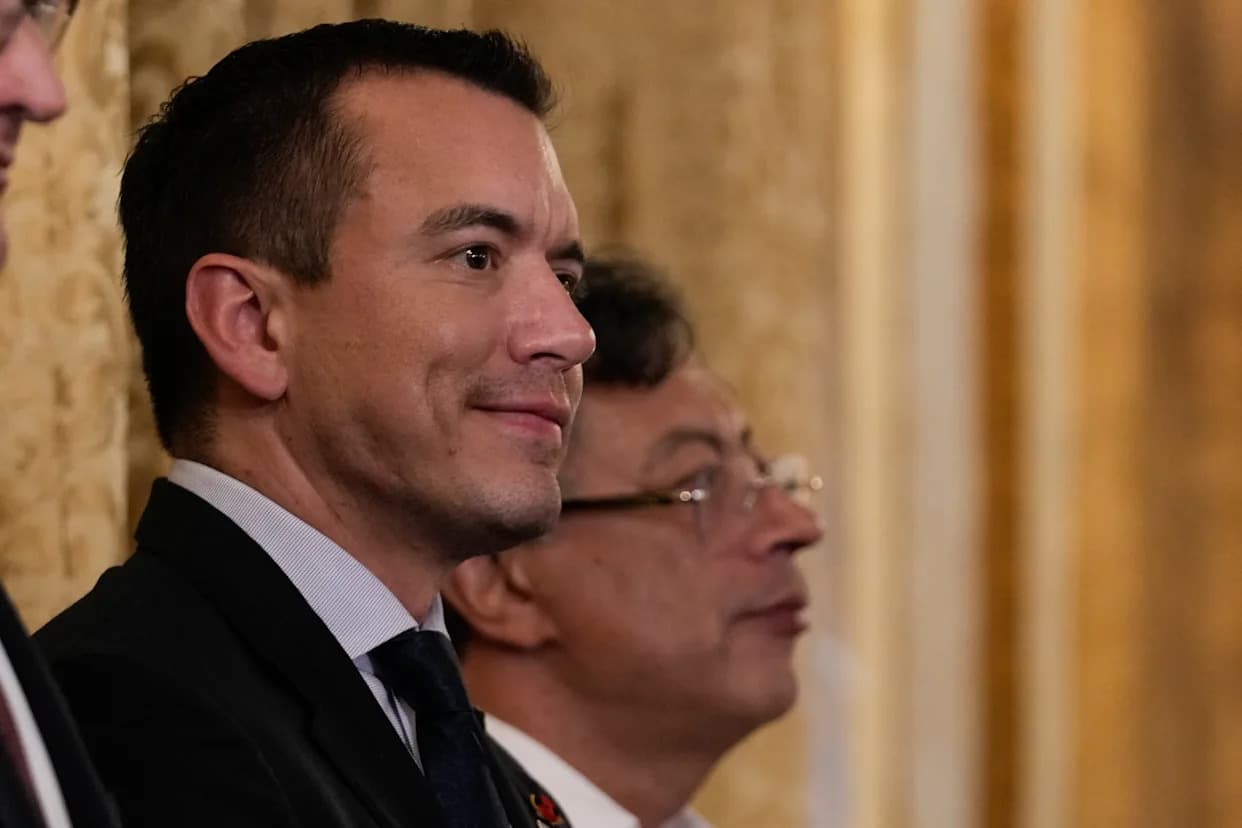
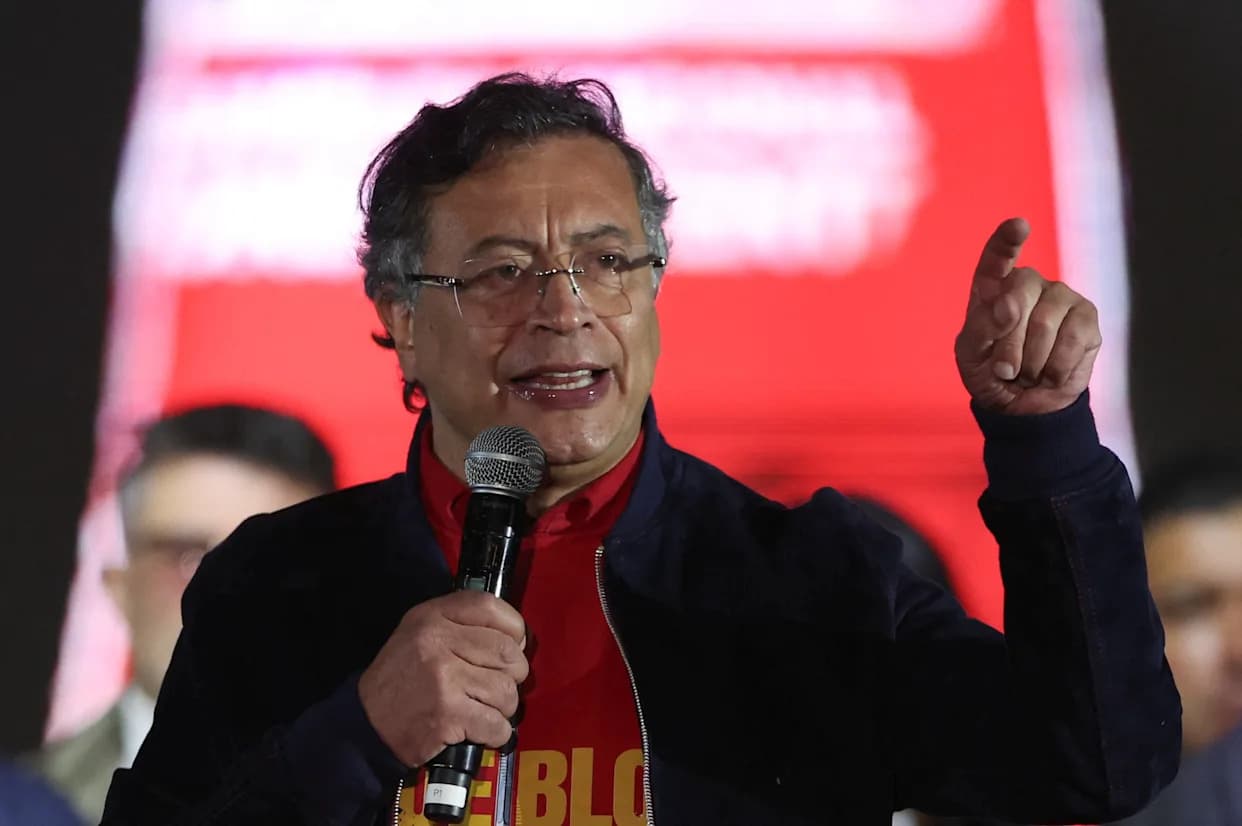
Ecuadorian President Daniel Noboa, left, and Colombian President Gustavo Petro attend a decoration ceremony for Brazilian President Luiz Inacio Lula da Silva at the presidential palace in Panama City, Wednesday, Jan. 28, 2026. (AP Photo/Matias Delacroix)(ASSOCIATED PRESS)
QUITO, Ecuador — Colombian and Ecuadorian truckers and merchants gathered at a border crossing Tuesday to protest what they called an escalating trade dispute between the two neighboring countries after each imposed sweeping 30% tariffs on dozens of goods.
Protesters Demand Tariffs Be Lifted
Demonstrators urged both governments to remove the levies, saying the duties — which hit a wide range of products — will damage economies in border provinces, disrupt daily commerce and hurt energy companies on both sides of the frontier.
'Tariffs generate crises, they don't help the economy,' said Carlos Bastidas, president of an Ecuadorian transportation workers association. 'With this protest we are hoping that both presidents eliminate those measures and establish mechanisms for dialogue.'
How the Dispute Began
Ecuadorian President Daniel Noboa last month announced 30% tariffs on Colombian goods, saying Bogota had failed to sufficiently curb the flow of cocaine across their shared border. Noboa framed the measures as a 'security tax' and said on the social platform X that they would stay in place until Colombia took 'firm actions' against drug cartels.
Colombia responded by imposing 30% duties on dozens of Ecuadorian products — including rice and car parts — and saying it would stop selling electricity to Ecuador. Ecuador, which relies heavily on hydroelectric power and suffered major outages in 2024, could be particularly vulnerable to such measures. Reciprocal tariffs took effect on Feb. 1.
Economic and Local Impact
Although neither country is the other's largest trading partner and both produce many of the same commodities (coffee, flowers, bananas and oil), bilateral trade is important for border cities. Colombia's statistics agency reported trade between the two nations totaled roughly $2.3 billion last year, with Colombia exporting about $1.7 billion to Ecuador.
Local officials warned of steep consequences: Edison Mena, president of a Colombian truckers association in the border city of Ipiales, said about 38% of his city's economy depends on commerce with Ecuador.
Security Concerns and Political Fallout
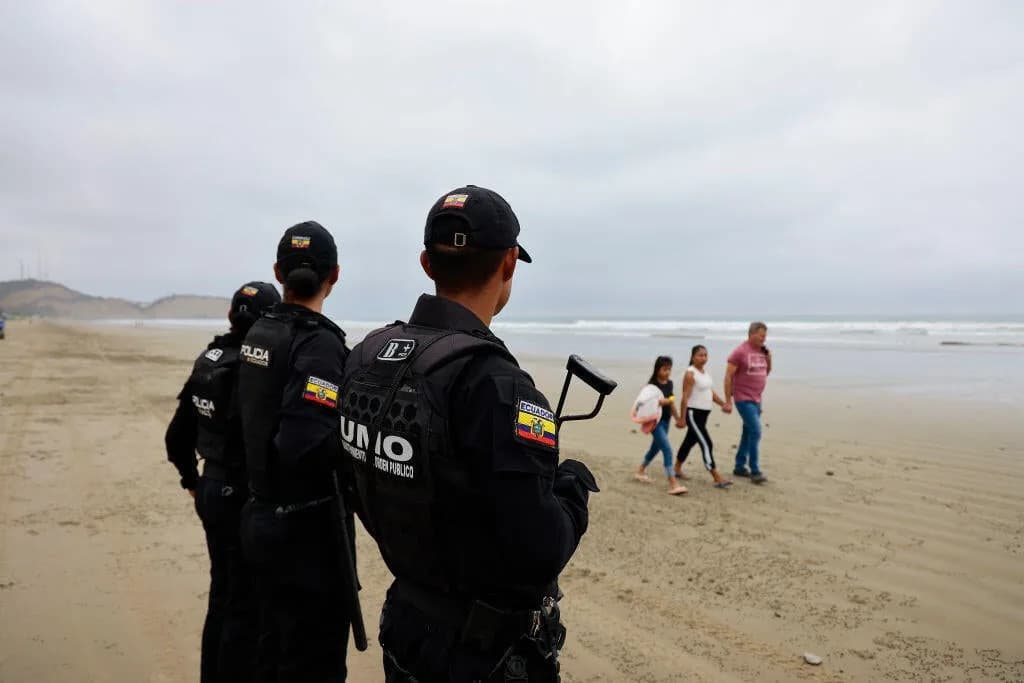
Critics say President Noboa may have used the tariff move to divert attention from domestic problems. The announcement came the same week Ecuador's Interior Ministry published data showing a homicide rate of 50 murders per 100,000 residents in 2025 — the highest recent level for the country. Ecuador's homicide rate has spiked since 2020 as drug gangs vie for control of ports, and the country has become a major transit route for cocaine produced in Colombia and Peru.
Protesters called for urgent dialogue to resolve the dispute, warning that prolonged tariffs and energy restrictions would deepen economic pain in border communities and complicate efforts to tackle security challenges.
What to watch: Whether the two governments open negotiations to remove the tariffs, and whether Colombia follows through on electricity restrictions — both outcomes would determine the short-term economic impact on vulnerable border provinces.
Help us improve.