Hundreds of trucks formed mile-long queues at the Rumichaca International Bridge as Ecuador and Colombia exchange tariffs and trade measures ahead of a Feb. 1 deadline. Ecuador announced 30% duties on dozens of Colombian goods; Colombia matched those tariffs and suspended energy sales. Ecuador also raised crude transit fees by 900%. Officials say talks are ongoing, but drivers report long delays and mounting uncertainty.
Miles-Long Truck Queues Jam Colombia–Ecuador Border Ahead of Reciprocal Tariffs
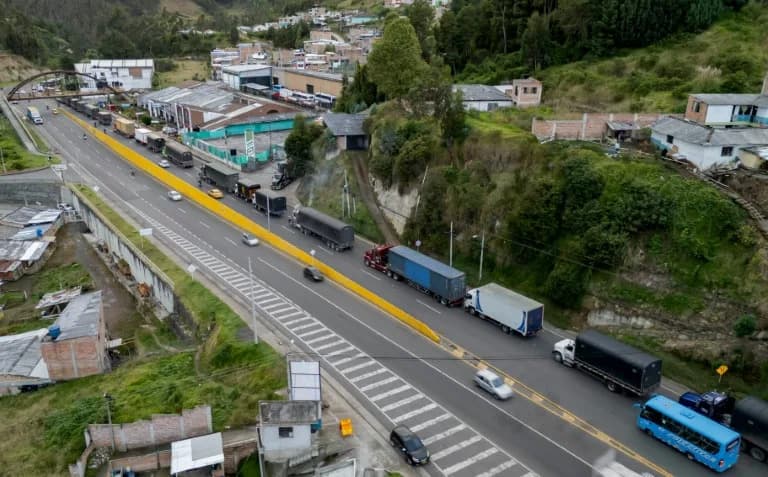
This aerial view shows trucks queueing at the border between Colombia and Ecuador before new tariff measures come into effect in Ipiales, Colombia on January 30, 2026 (Reicarmyr CANIZARES)(Reicarmyr CANIZARES/AFP/AFP)
Hundreds of truck drivers waited for hours in mile-long queues to cross the Rumichaca International Bridge between Colombia and Ecuador as reciprocal tariffs and trade measures threatened to take effect on Feb. 1.
What sparked the dispute
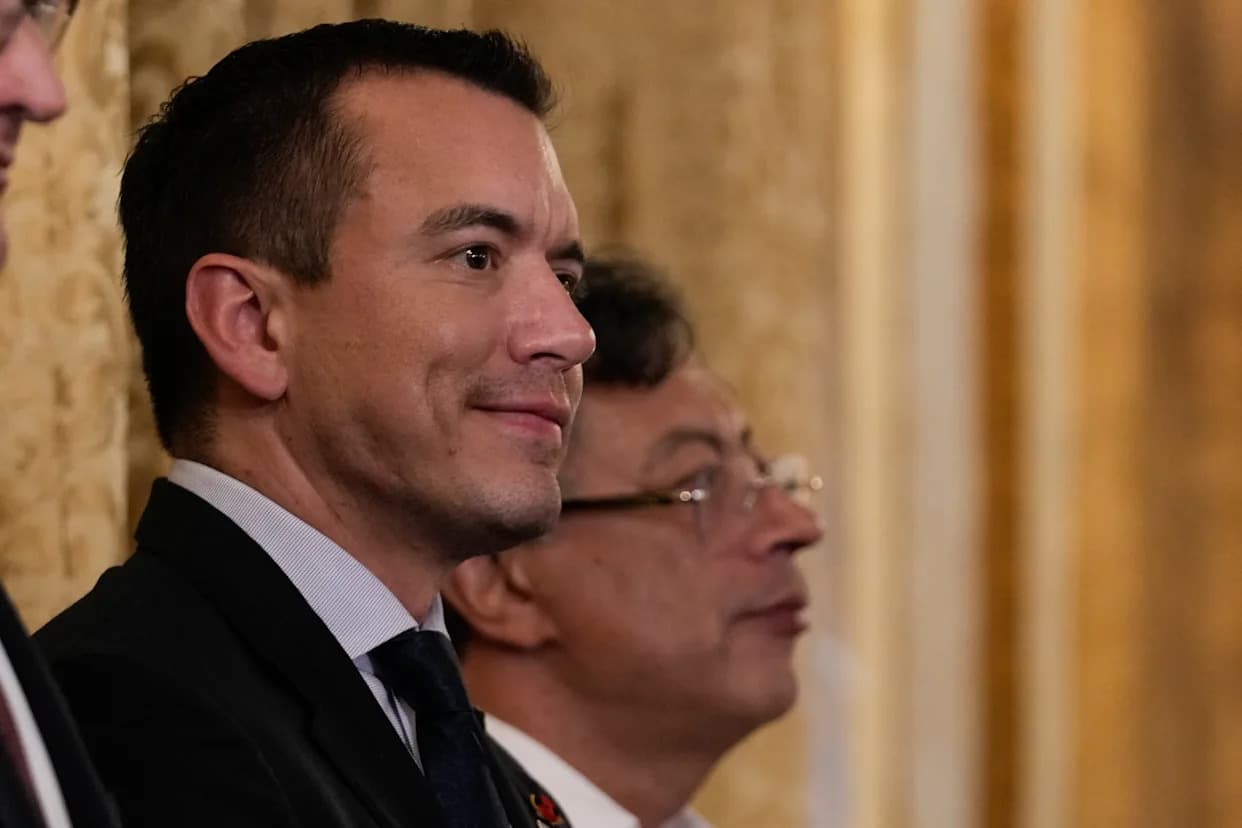
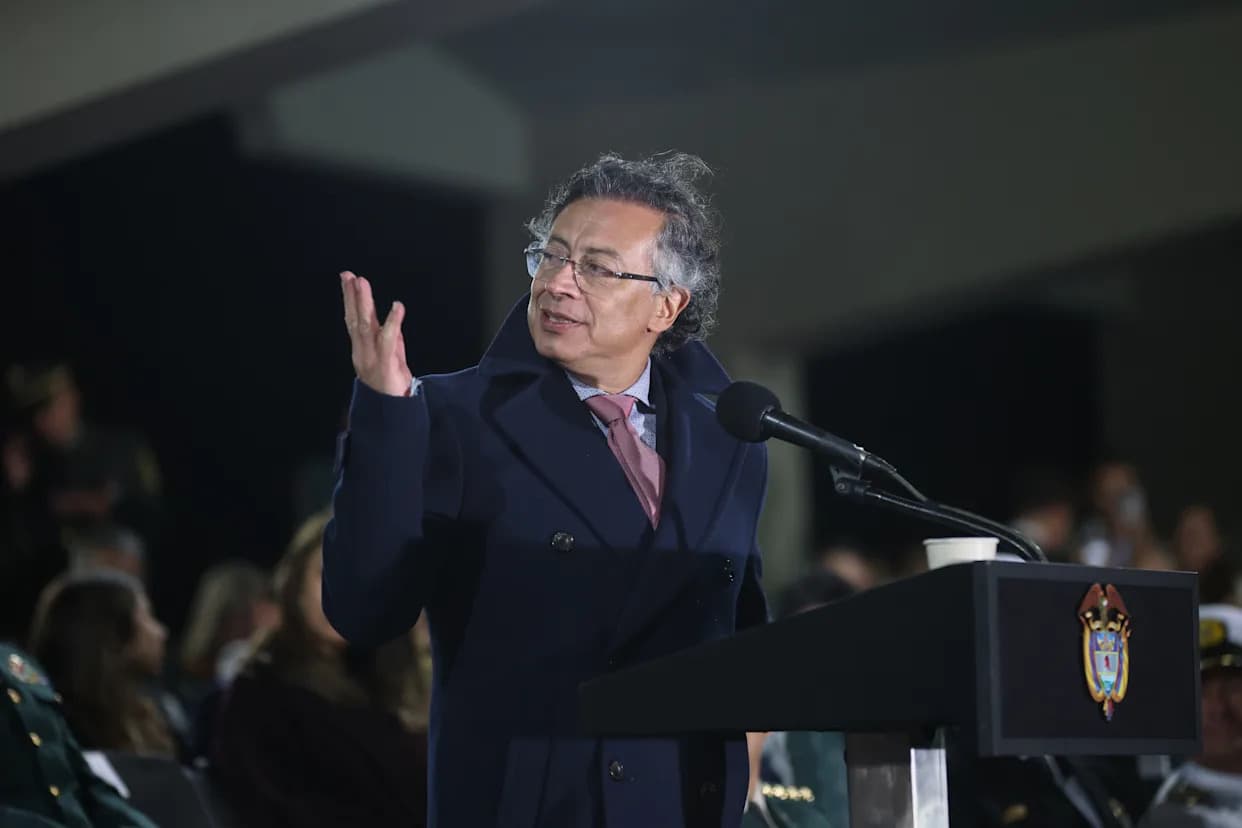
This month Ecuador announced it would impose 30% tariffs on dozens of Colombian products, with President Daniel Noboa saying his neighbour had not done enough to combat drug trafficking along their shared border. Colombia responded by announcing matching tariffs and suspending energy sales to Ecuador.
Long delays at the border
Truckers trying to enter Ecuador with Colombian cargo formed long lines stretching back toward the southern Colombian border city of Ipiales. Aerial footage captured by AFP showed hundreds of trucks waiting to cross the Rumichaca bridge as congestion grew this week.
"Uncertainty because we don't know what's going to happen," said Alvaro Jaramillo, a Colombian truck driver with 18 years' experience, who arrived on the Pan‑American Highway around noon and had not reached the customs post by 7 p.m.
Another driver, Alexander Revelo, estimated traffic at the crossing was about four times its normal volume, as haulers and businesses faced the prospect of higher costs and disrupted schedules.
Escalation and economic measures
In a further escalation, Ecuador hiked fees for transporting Colombian crude through its pipeline by 900% after Colombia suspended energy sales. Ecuador's Foreign Ministry said there is ongoing "dialogue" between the two governments, but Foreign Minister Gabriela Sommerfeld said there was no agreement on a tariff deal as of Friday.
Security and regional context
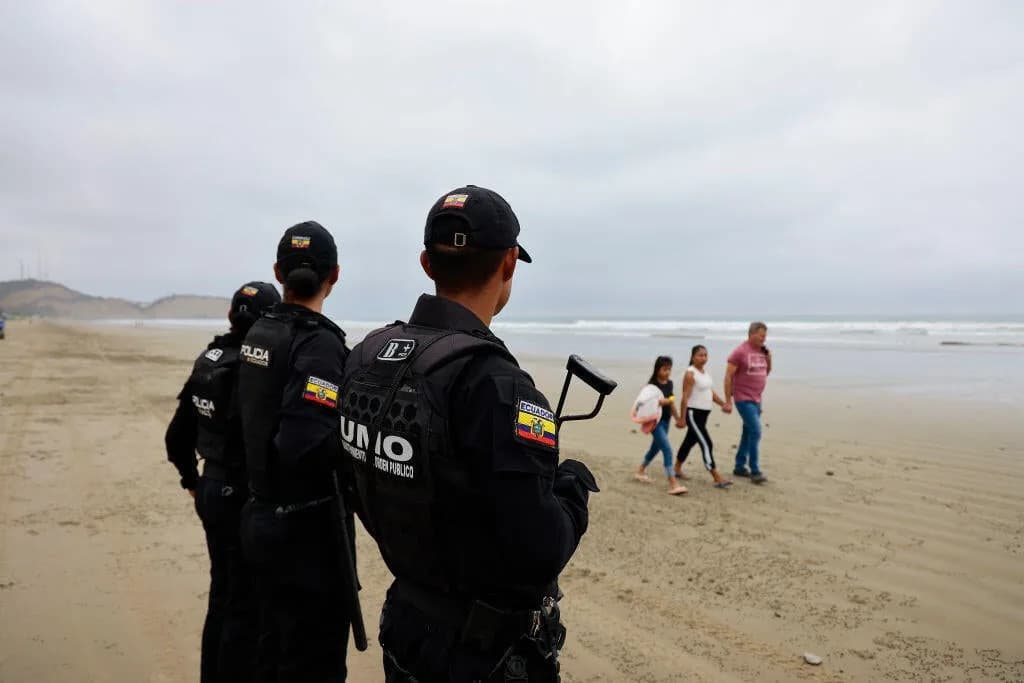
The two countries share a roughly 600 km (370-mile) border where Colombian guerrillas and drug-trafficking groups operate. Ecuador's homicide rate has risen sharply in recent years—peaking at 52 murders per 100,000 inhabitants—and Colombia remains the world's largest producer of cocaine, much of which passes through Ecuador en route to overseas markets.
President Noboa has defended the tariffs as compensation for investments Ecuador has made in border security. Truckers and traders are urging a diplomatic solution to avoid long-term disruption to cross-border commerce and livelihoods that depend on it.
Help us improve.