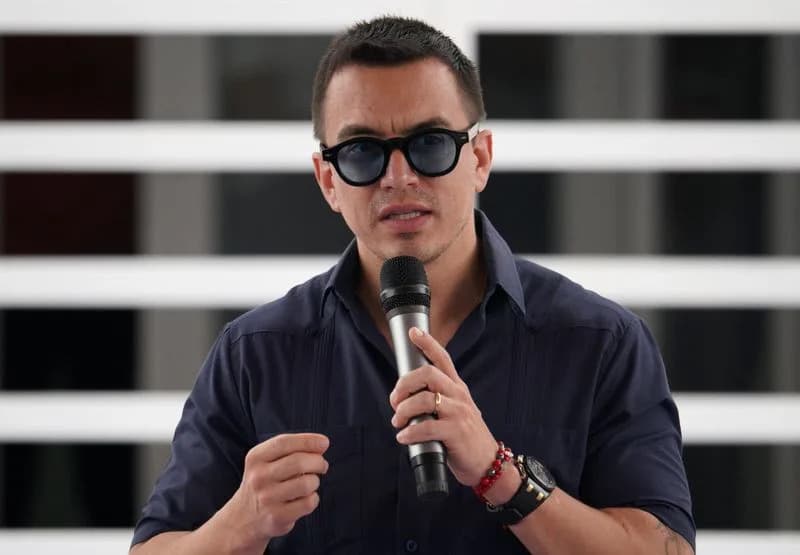
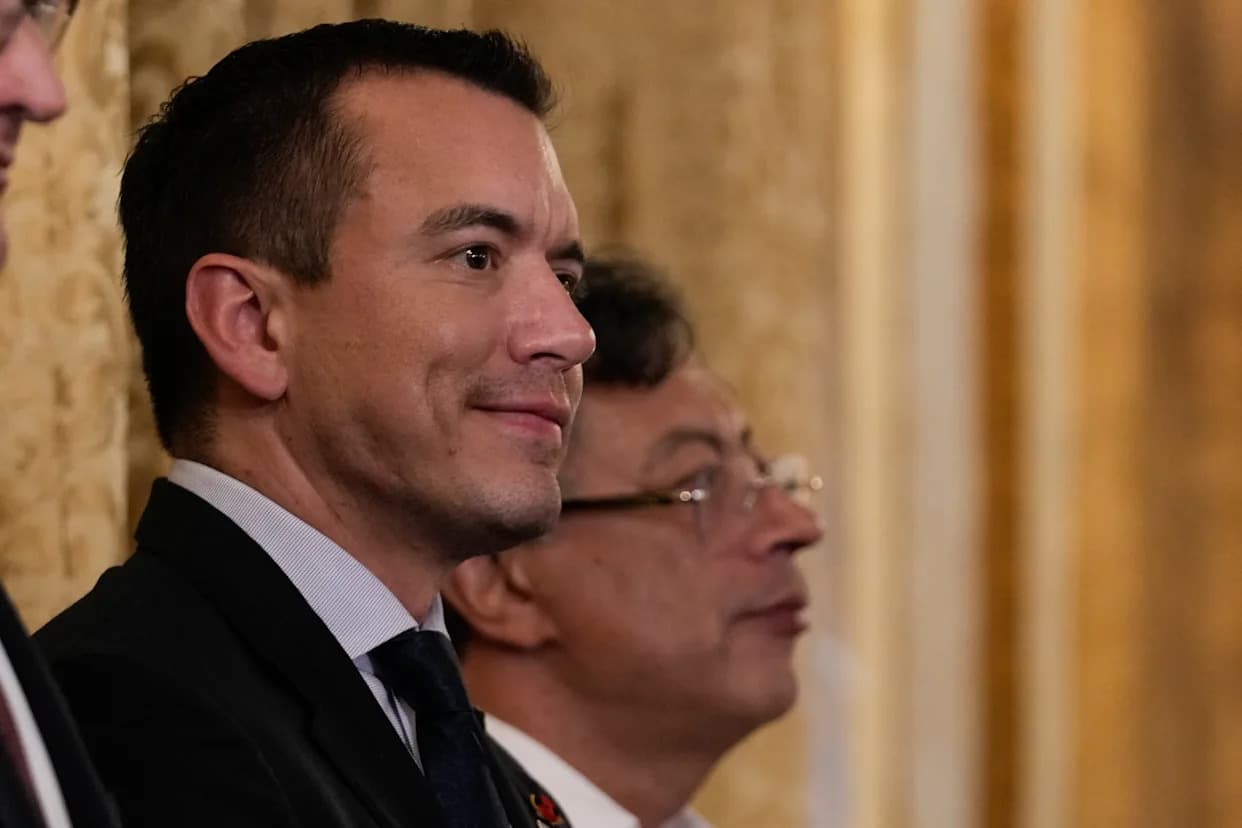
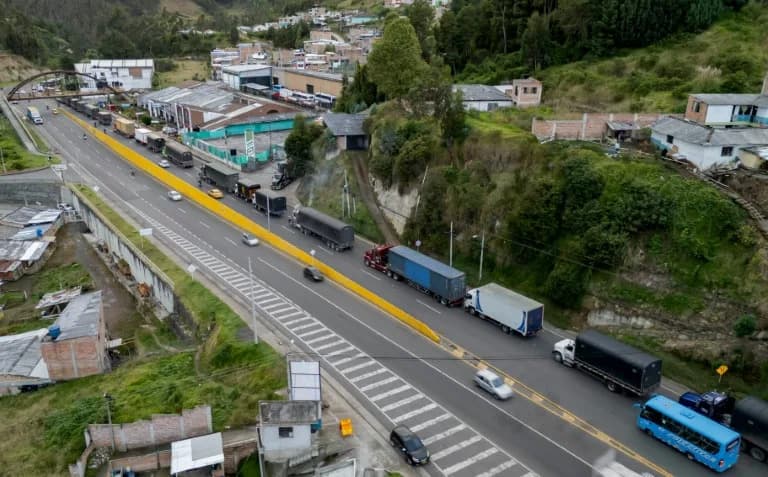
Ecuador announced on Jan. 21 that it will impose a 30% tariff on imports from neighboring Colombia starting Feb. 1, President Daniel Noboa said on X, citing a persistent trade deficit and inadequate cooperation in combating drug trafficking and illegal mining along the shared border.
Tariff, Exceptions, And Reactions
Noboa said the tariff "will remain in place until there is a real commitment to jointly tackle drug trafficking and illegal mining on the border, with the same seriousness and determination that Ecuador is currently demonstrating." Quito later issued a statement clarifying the decree to provide "specific exceptions" for electricity sales and oil logistics services.
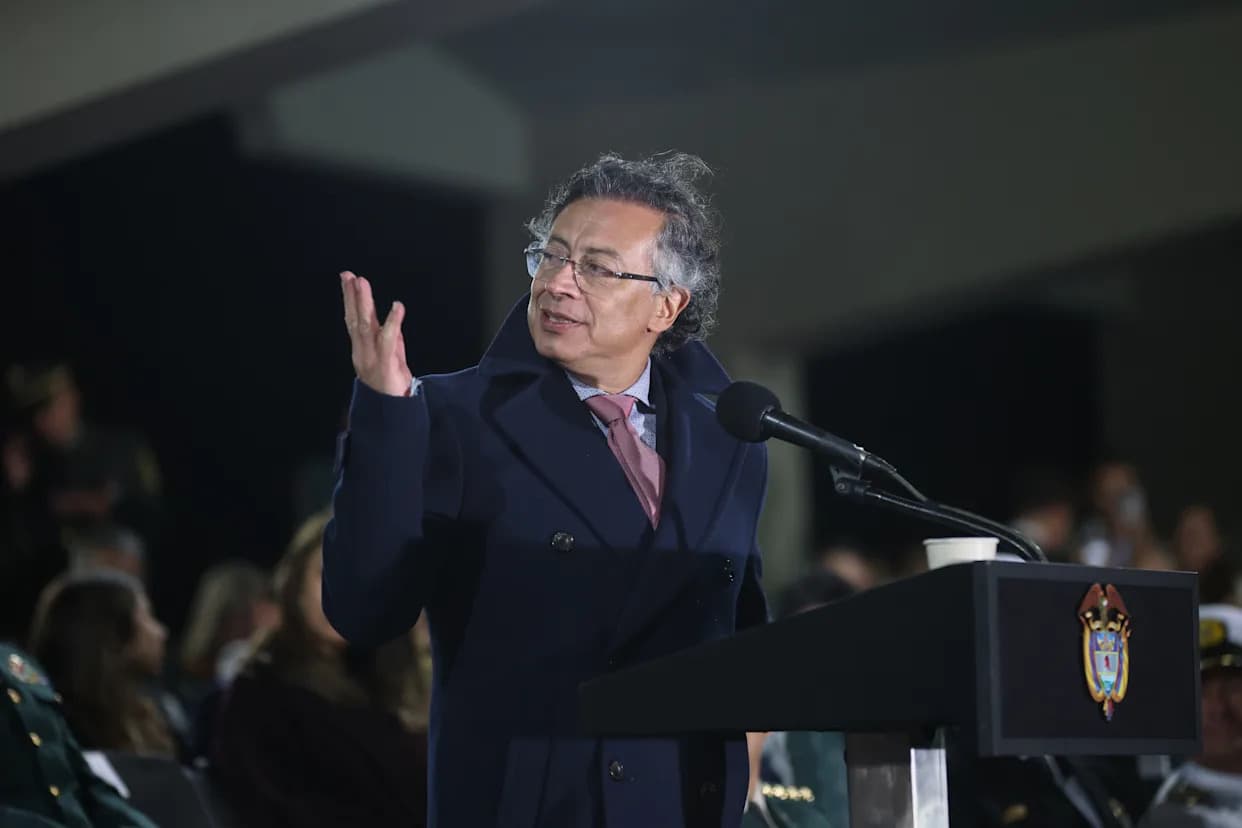
Colombian Energy Minister Edwin Palma condemned the move as "economic aggression," noting that Colombia supplies roughly 8–10% of Ecuador's electricity. Palma said he had ordered the reversal of a plan to allow private firms to take part in cross-border energy sales to avoid potential shortages.
Security Context
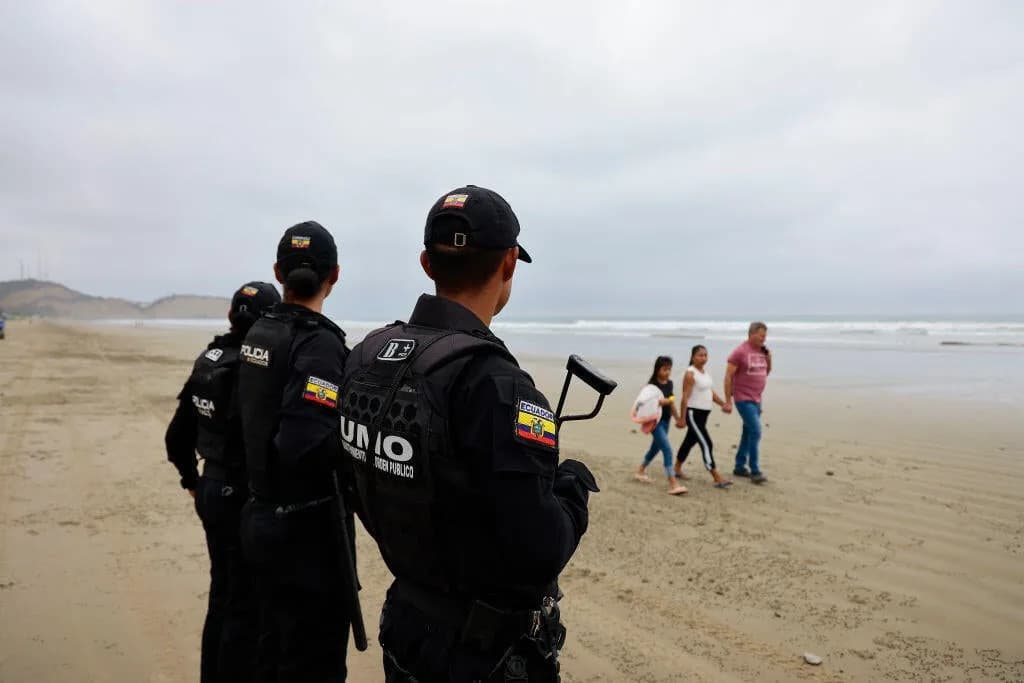
Noboa has made fighting organized crime a central priority of his administration. He has declared multiple states of emergency and mobilized more than 10,000 soldiers to the country's three most violent provinces. Ecuadorian authorities link a roughly 30% rise in last year's homicide rate to turf battles among fragmented gangs and have militarized border areas such as the city of San Lorenzo in response to violent clashes.
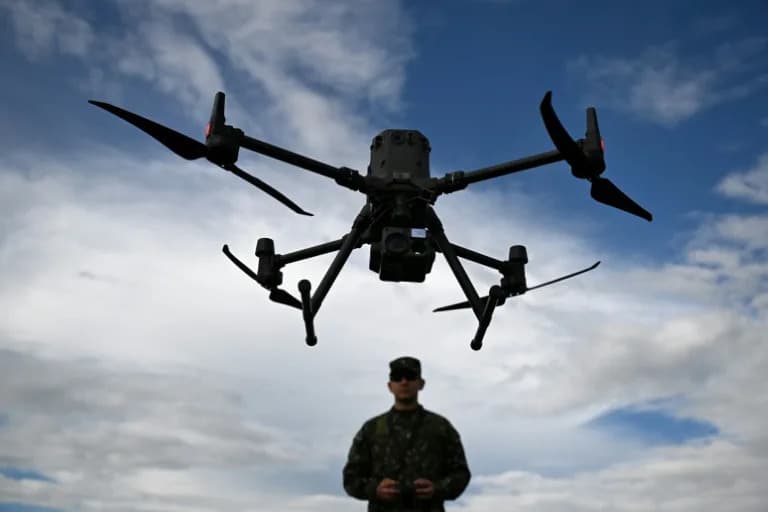
Colombian security forces and Ecuador's military continue joint operations: shortly after Noboa's announcement, Colombia's defense ministry reported seizing a shipment of marijuana during a cross-border operation.
Trade And Diplomatic Implications
Noboa also pointed to a large trade imbalance as part of his justification. Ecuador's central bank reported a trade deficit of $838 million in the first 10 months of last year, while Colombia's statistics agency DANE said Colombia shipped $1.67 billion in goods to Ecuador in the first 11 months—about 3.6% of Colombia's total exports for that period.
The move follows Quito's earlier imposition of a 27% tariff on imports from Mexico and comes amid heightened international attention to regional drug trafficking. The United States has signaled it may apply pressure on countries in the region over organized crime following a high-profile Jan. 3 operation in Caracas that resulted in the capture of Venezuelan President Nicolás Maduro, an action Washington has framed in the context of counter-narcotics efforts.
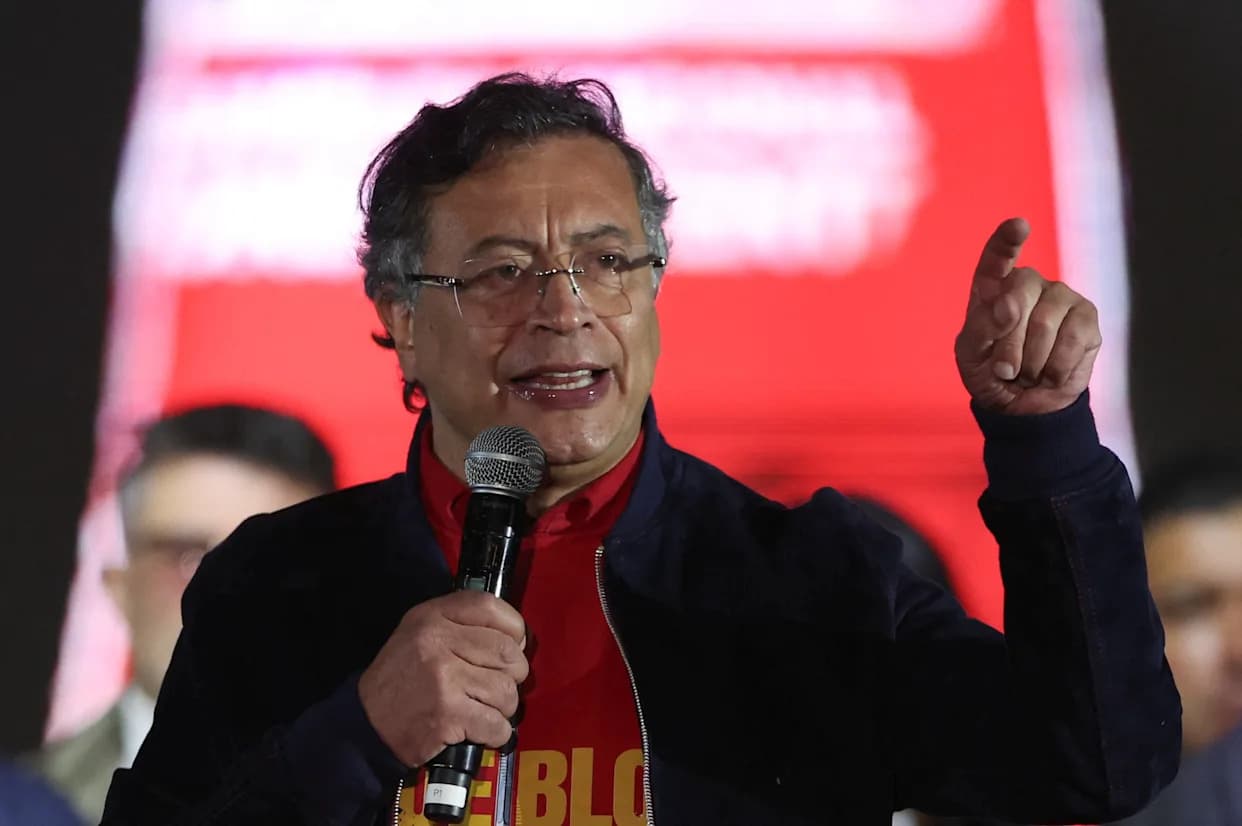
Relations with Mexico and Colombia have already been strained by diplomatic incidents: Ecuador stormed Mexico's embassy in Quito in 2024 to arrest former Vice President Jorge Glas—who had sought asylum there—and Glas's lawyers say his health has deteriorated in custody. Colombian President Gustavo Petro has publicly raised concerns about Glas's treatment.
Bottom Line: The 30% tariff raises the stakes in a broader regional dispute that mixes security, diplomacy and trade. Quito says the measure is aimed at forcing cooperation against cross-border crime, while Bogotá warns of economic harm and potential energy impacts.