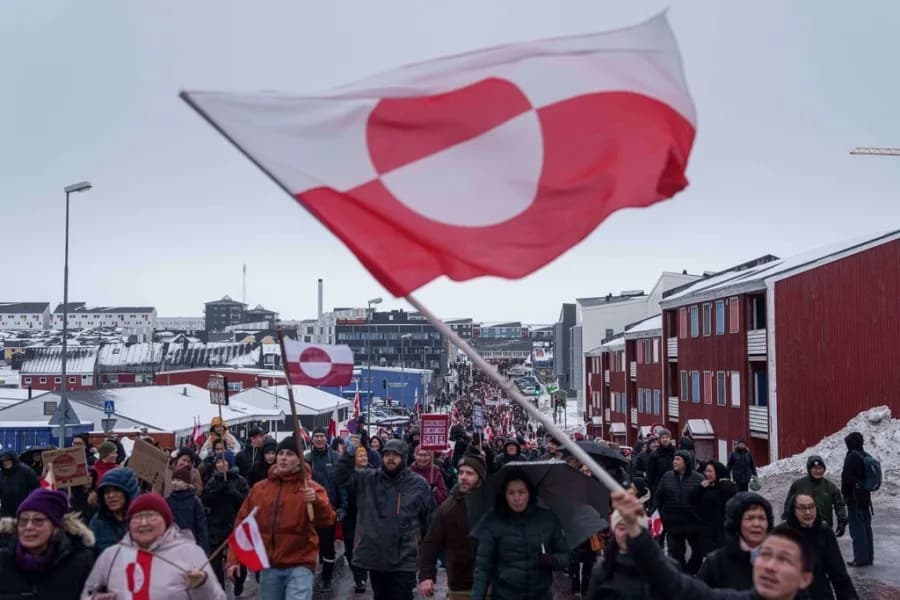
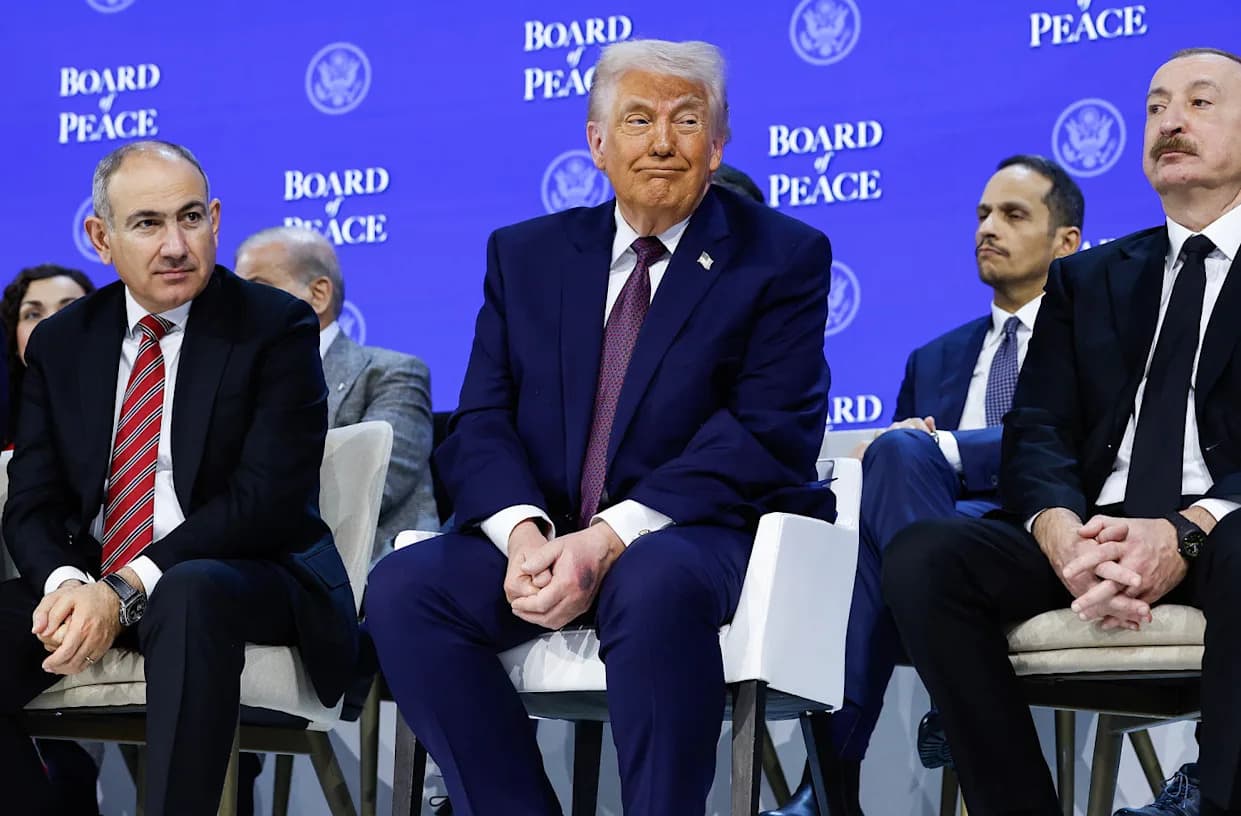
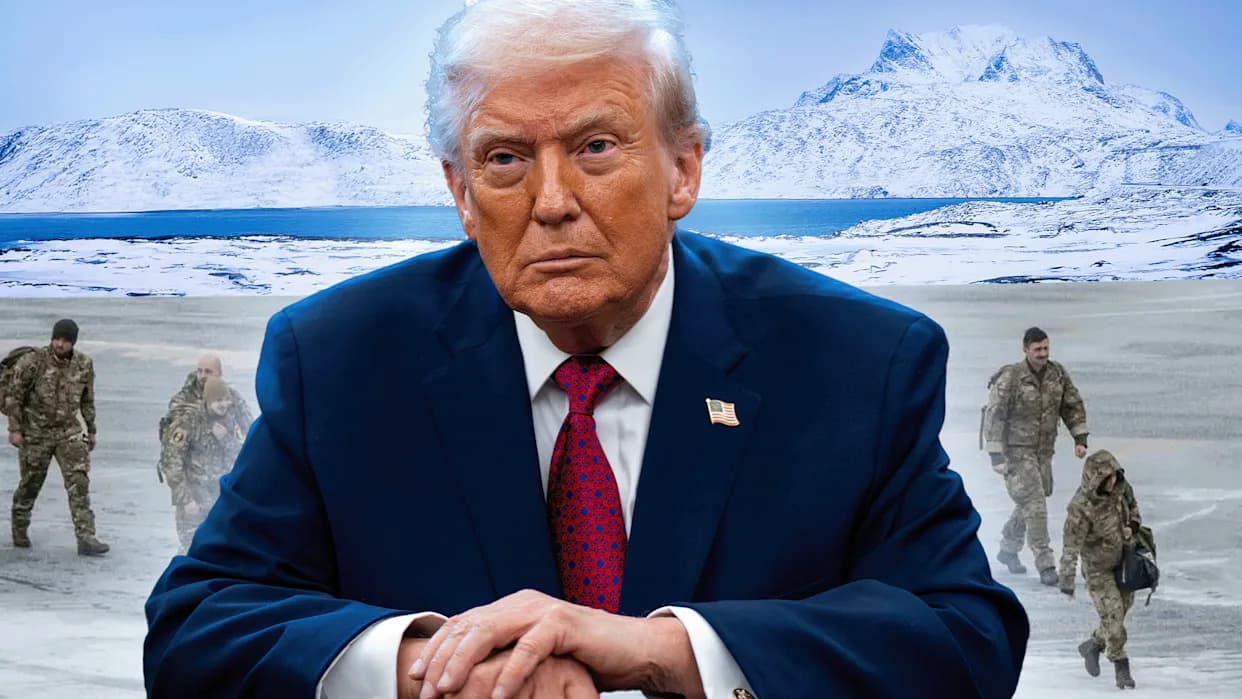
Donald Trump’s talk of seizing Greenland triggered unusually strong Republican criticism and strained relations with NATO allies. Senior GOP lawmakers proposed legal and budgetary limits to prevent US forces from occupying allied territory, while a small but vocal group of Republicans publicly broke with the president. Polling shows Trump’s approval lagging, raising the prospect that other Republicans may subtly distance themselves ahead of a risky midterm election.
Trump’s Greenland Gambit Rattles Republicans and Strains NATO
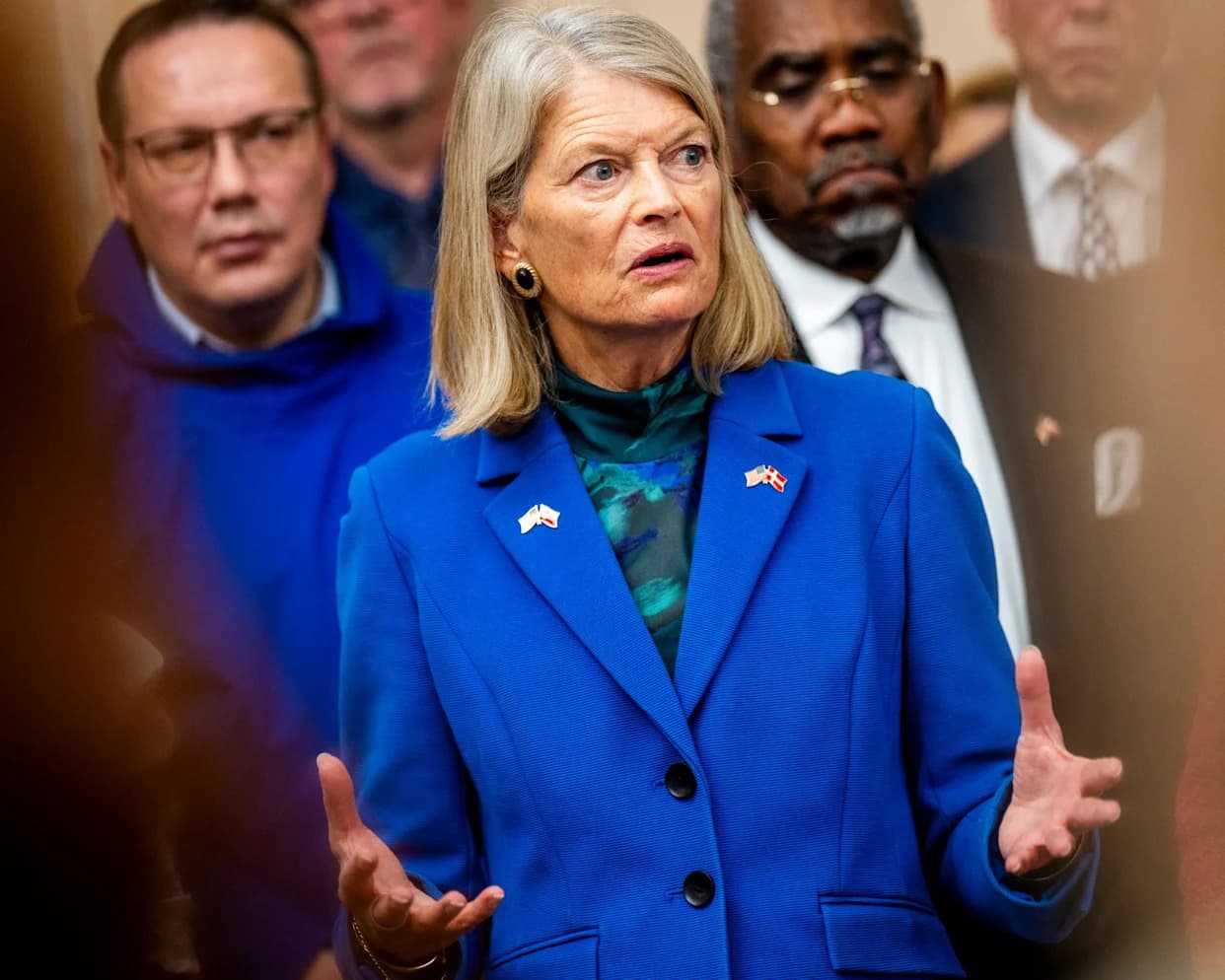
Senator Lisa Murkowski speaks after a meeting members of the Danish parliament and a Greenlandic committee in Copenhagen on 16 January.Photograph: Ida Marie Odgaard/EPA(Photograph: Ida Marie Odgaard/EPA)
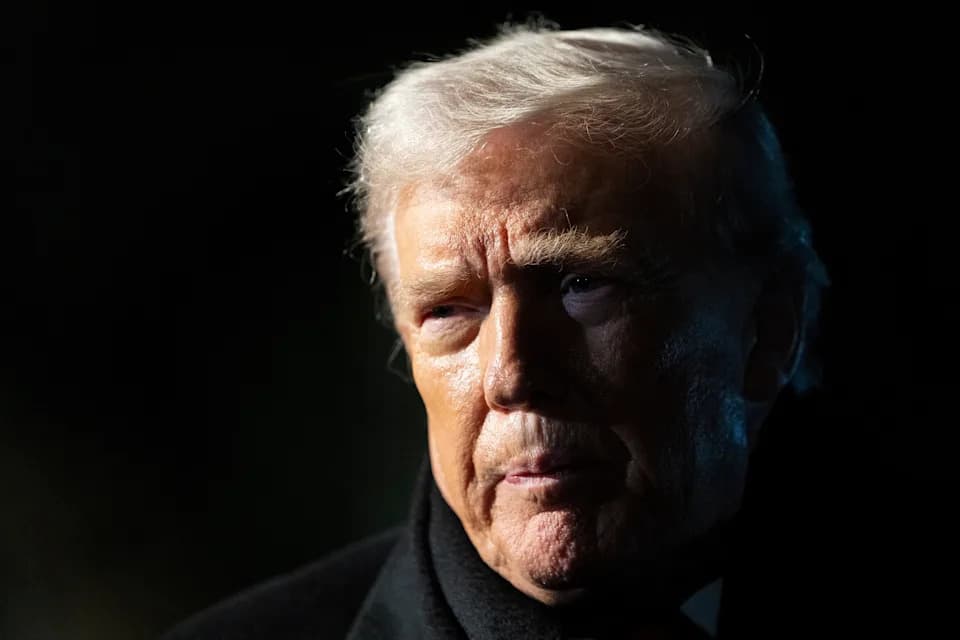
Donald Trump’s short-lived talk of seizing Greenland has left a lasting political sting — roiling relations with NATO allies and exposing an unusual degree of public dissent within his own Republican party.
Unprecedented GOP Pushback
The president’s flirtation with the idea of moving on the Danish territory prompted unusually forceful criticism from senior Republicans, the sharpest sustained pushback he has faced in recent months. The episode arrived amid broader disputes within the party over military authorities, health-care votes and the release of files tied to Jeffrey Epstein.
Who Broke Ranks—and Why It Matters
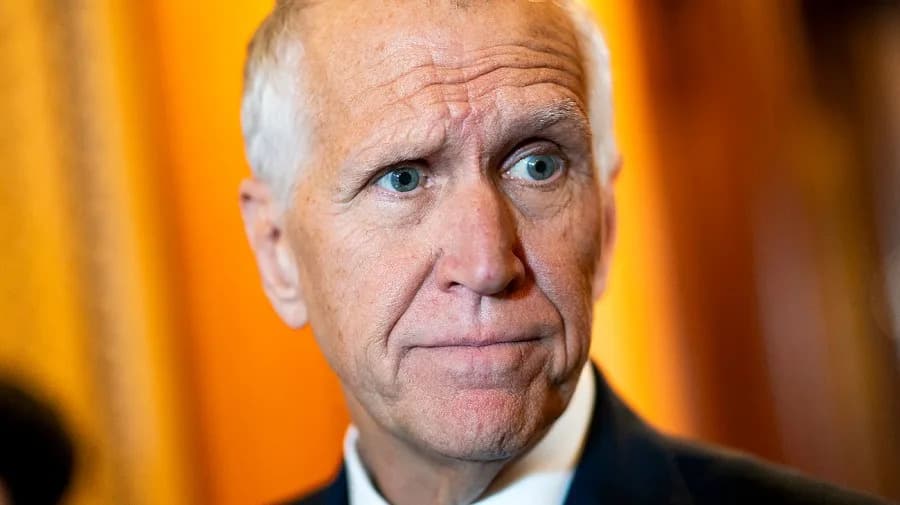
A relatively small but vocal group of Republicans have begun to speak out more openly. Senators including Mitch McConnell, Lisa Murkowski and Thom Tillis publicly cautioned that any attempt to seize an allied territory would seriously damage trust with partners and undermine US credibility. On the House side, Representative Don Bacon called an invasion so extreme it could prompt consideration of impeachment.
Mitch McConnell: Any attempt to seize Greenland would "shatter the trust of allies" and stain US foreign policy.
Some Republicans focused their ire on advisers and the influence of hardline voices in the White House rather than on the president personally. Others — many of them already planning to retire — spoke more bluntly, perhaps because they face fewer political costs.
Policy Fallout And Congressional Responses
Republican and Democratic lawmakers moved quickly to shield US forces and allies from such a scenario. Proposals circulated in the Senate to bar Pentagon funds from being used to attack or occupy territory belonging to NATO members without congressional approval and allied consent. Bipartisan meetings with Danish and Greenlandic officials underscored the diplomatic damage caused by the episode.
Signs Of Strain Inside The Party
Pressure points have multiplied: a handful of House Republicans pushed to force the release of federal files tied to Jeffrey Epstein; over a dozen defied party leaders to support an extension of Affordable Care Act subsidies; and several lawmakers have criticized aggressive immigration-enforcement tactics. These actions, combined with the Greenland episode, point to growing unease among rank-and-file Republicans, even if most still remain publicly loyal.
Public Opinion And Political Risk
An Emerson College national poll this week found 43% of likely voters approving of the president’s job performance while 51% disapproved. On the generic congressional ballot, 48% said they would support the Democratic candidate and 42% the Republican. Political analysts warn that if those trends persist, Republicans could face a difficult midterm cycle and may increasingly distance themselves from Trump to protect vulnerable incumbents.
Bottom line: Trump’s Greenland rhetoric may have been short-lived, but its effects are not. It has prompted rare intra-party criticism, legislative pushback aimed at preventing future unilateral actions against allies, and fresh questions about how far GOP loyalty to the president will endure as the midterms approach.
Help us improve.