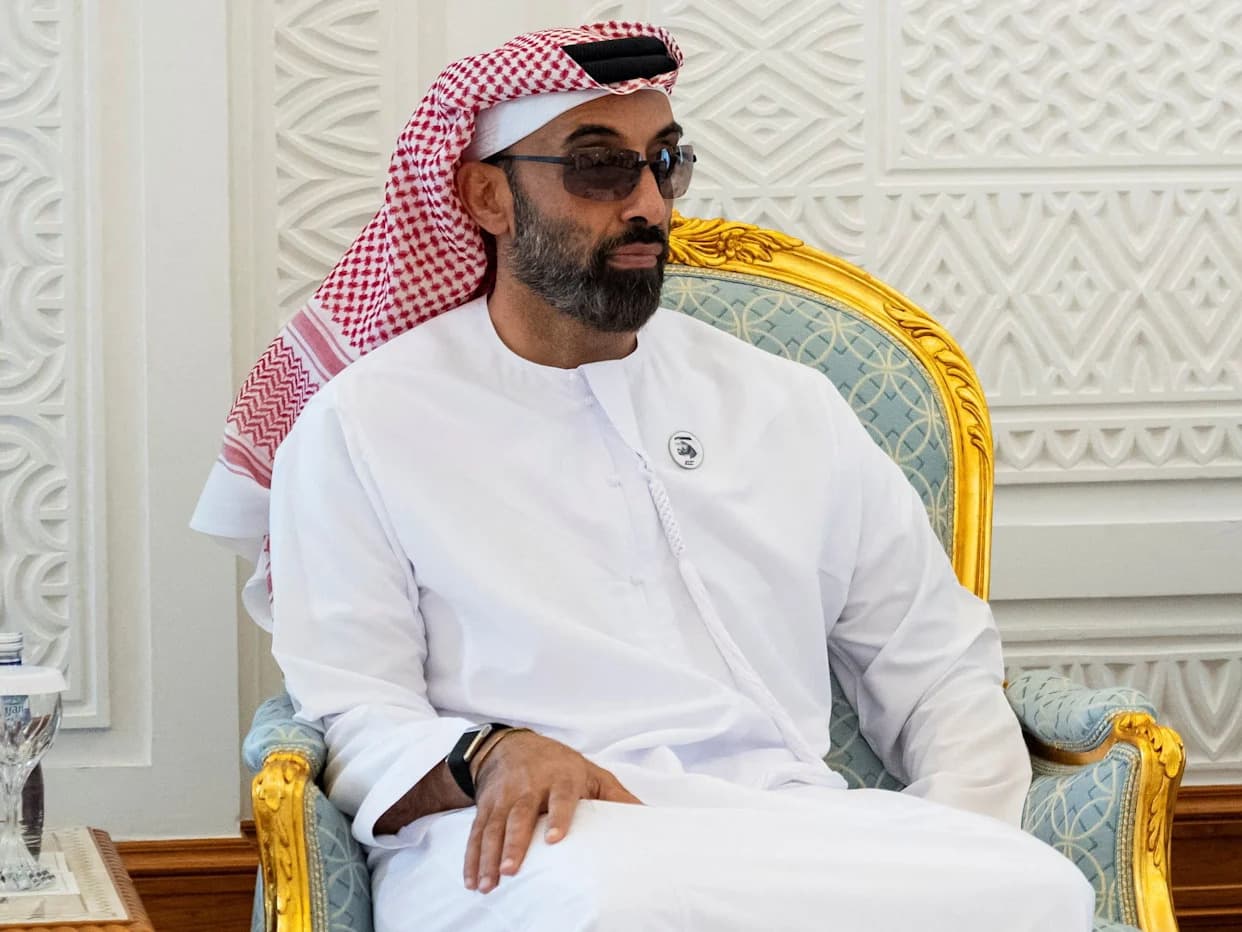
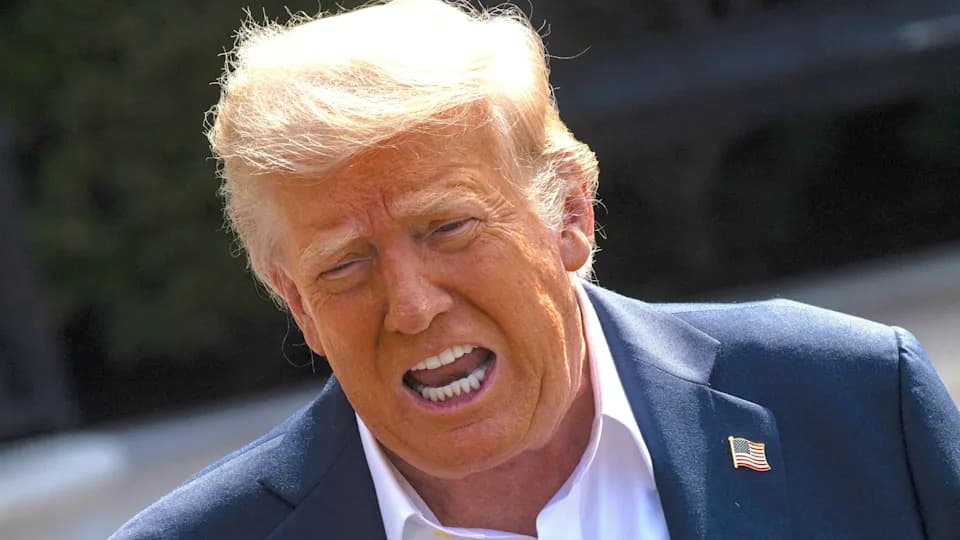
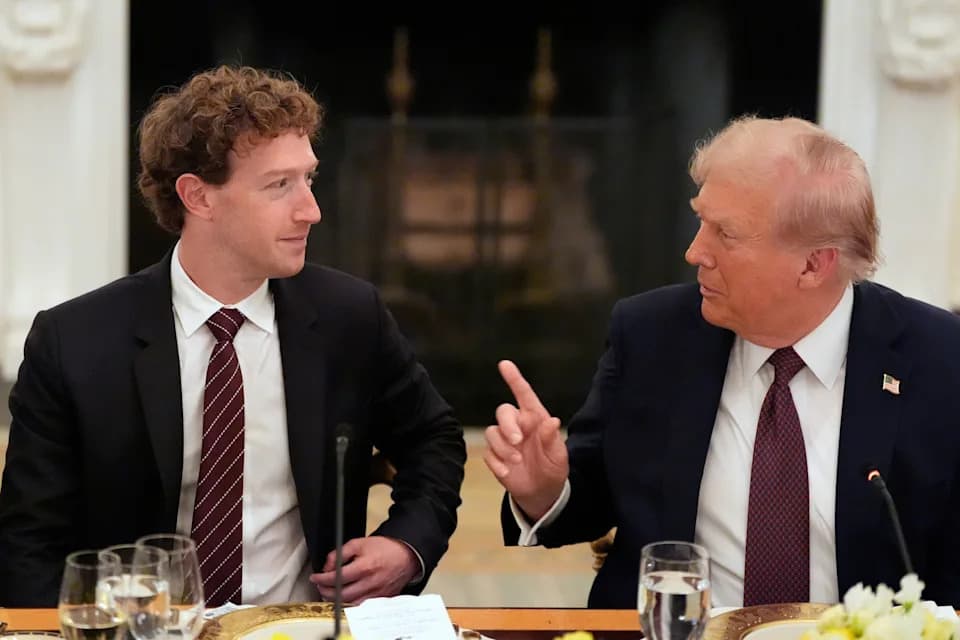
The Wall Street Journal reports that Sheikh Tahnoon bin Zayed Al Nahyan paid about $500 million for a 49% stake in World Liberty Financial, a company tied to the Trump family, four days before President Trump's second inauguration. Documents say Eric Trump signed the deal and that at least $31 million was designated for entities linked to Steve Witkoff. The Journal also reports the UAE-backed investor later gained access to roughly 500,000 advanced AI chips a year, sparking concerns about foreign influence and national security. The disclosures have prompted calls for congressional oversight and further investigation.
WSJ: Abu Dhabi Royal Paid About $500M For 49% Stake In Trump-Linked Crypto Firm, Prompting Political Outcry
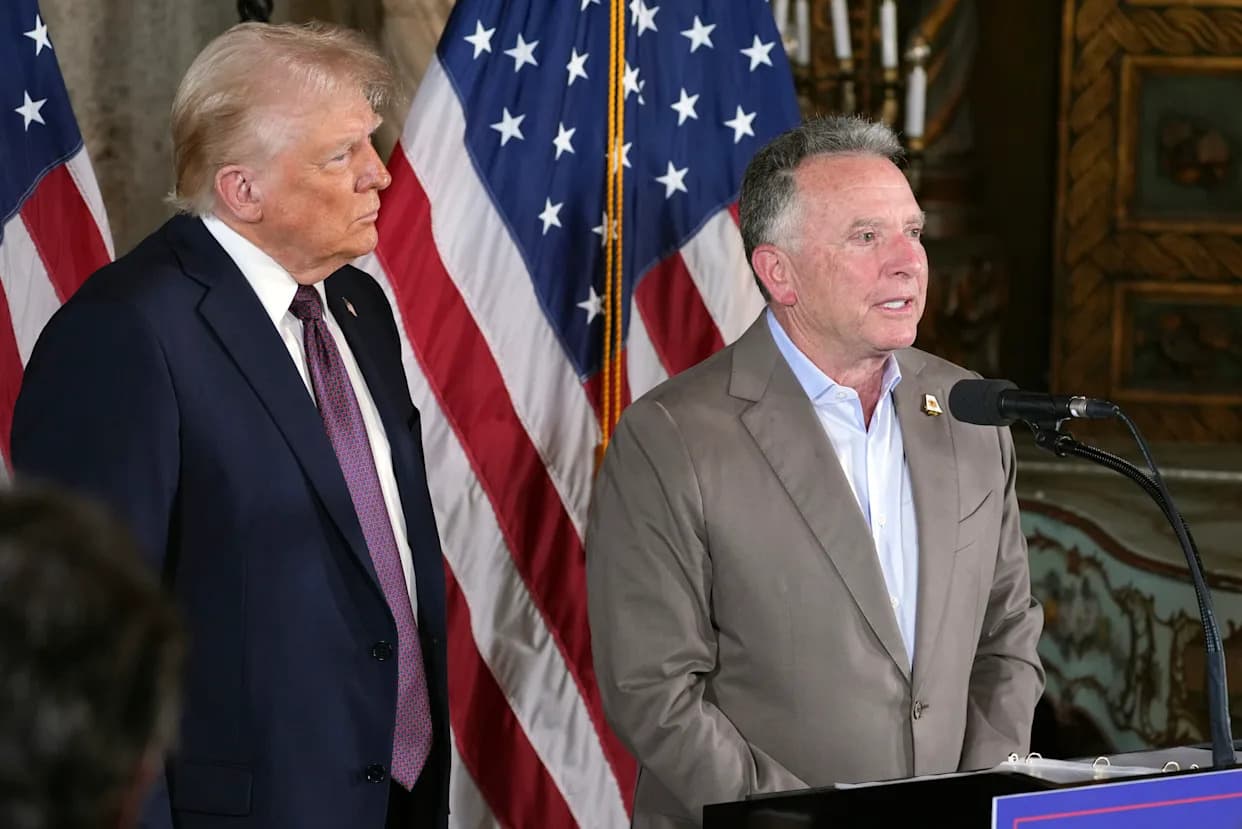
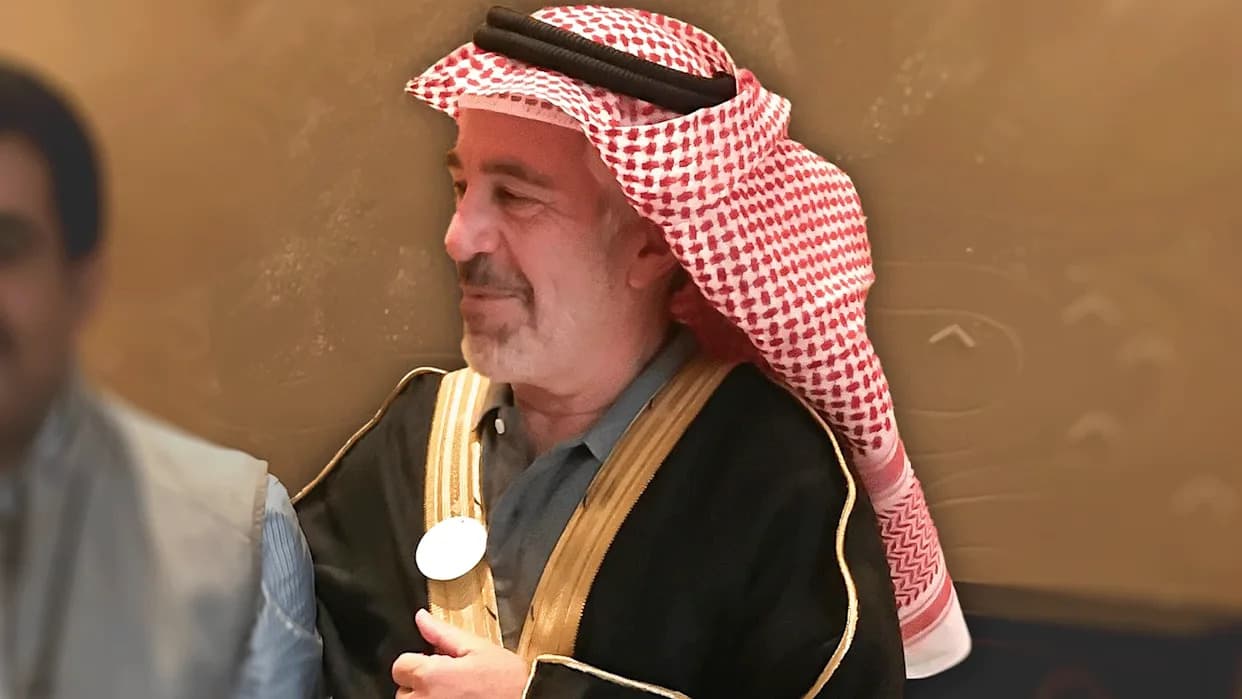
The Wall Street Journal published an in-depth investigation reporting that Abu Dhabi royal Sheikh Tahnoon bin Zayed Al Nahyan paid roughly $500 million to acquire a 49% stake in World Liberty Financial, a cryptocurrency company linked to the Trump family, just four days before Donald Trump was inaugurated for a second term. According to the documents reviewed by the Journal, the deal was signed by Eric Trump and earmarked at least $31 million for entities connected to the family of Steve Witkoff, a World Liberty co‑founder who had been named a U.S. envoy to the Middle East weeks earlier.
Key Details From The WSJ Report
Sheikh Tahnoon, who serves as the UAE's national security adviser and is the brother of Abu Dhabi's president, manages a large state-linked investment portfolio the Journal says exceeds $1.3 trillion in assets and includes significant investments in artificial intelligence. The report explains that under the Biden administration, Tahnoon's efforts to secure advanced AI hardware were constrained by U.S. national security concerns—especially around G42, a UAE-linked AI firm that had prior ties to sanctioned Chinese companies.
Per the Journal, in the weeks after the Abu Dhabi investment and early in the new Trump administration, Tahnoon met several times at the White House with President Trump and with Steve Witkoff. The report says the UAE-backed entity soon gained access to approximately 500,000 advanced AI chips a year—enough capacity to support one of the world's largest AI data-center clusters.
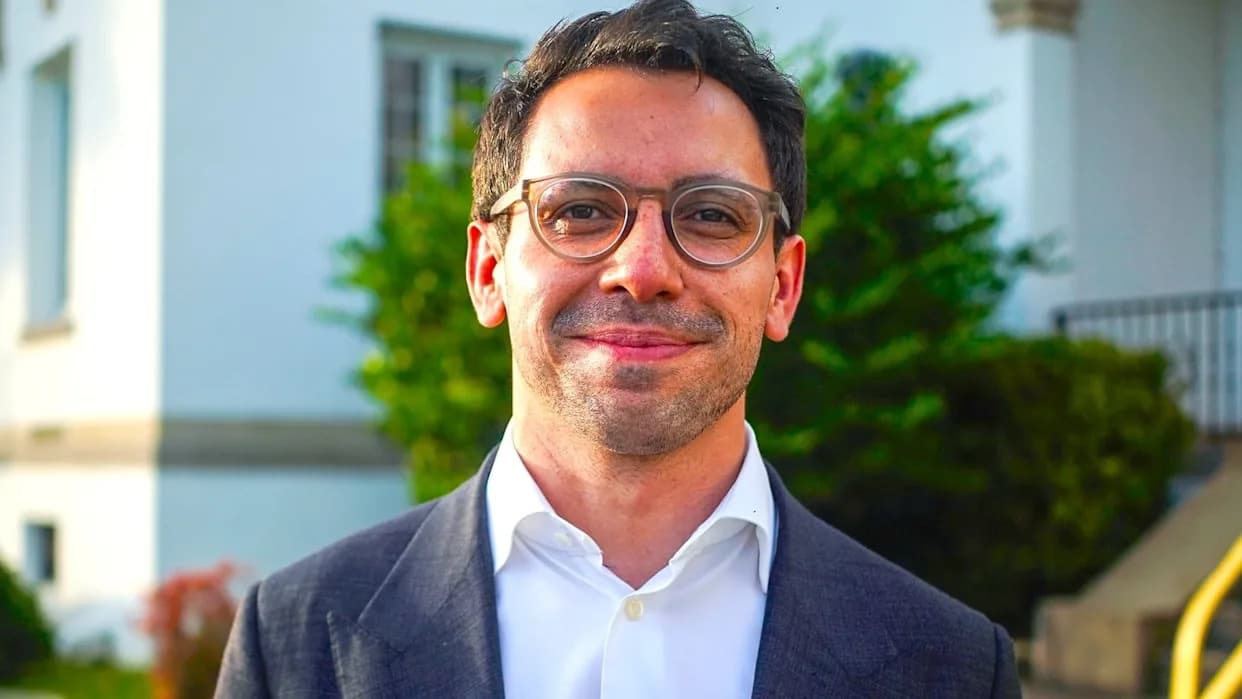
Rebecca Ballhaus, one of the WSJ investigative reporters, noted that at the time of the investment World Liberty had no commercial products and had raised about $82 million by selling a token called WLFI. The investment reportedly did not include rights to future WLFI token sales, leaving the investor outside the company's existing revenue stream.
Reactions And Implications
The Journal's disclosures prompted immediate reactions across the political spectrum. Political strategist David Axelrod called the revelations potentially scandalous given their size and implications. Senator Chris Murphy (D-CT) highlighted national security concerns, noting that restrictions on selling advanced AI chips to the UAE had been reversed and pointing to reported payments from the UAE to Trump-linked entities.
Lawmakers, national security experts, and ethics observers have since raised questions about possible foreign influence, conflicts of interest, and whether additional oversight or investigations are warranted. The WSJ story has intensified calls for congressional scrutiny of the intersection of foreign investment, access to advanced technology, and U.S. policymaking.
What Remains Unclear
The Journal's reporting raises several open questions, including exactly what economic rights or operational control Sheikh Tahnoon obtained in exchange for the investment, how access to AI hardware was negotiated, and whether existing disclosure and ethics rules were followed. Officials and company representatives cited in the Journal have offered limited public comment as investigators, watchdogs, and lawmakers review the details.
Help us improve.