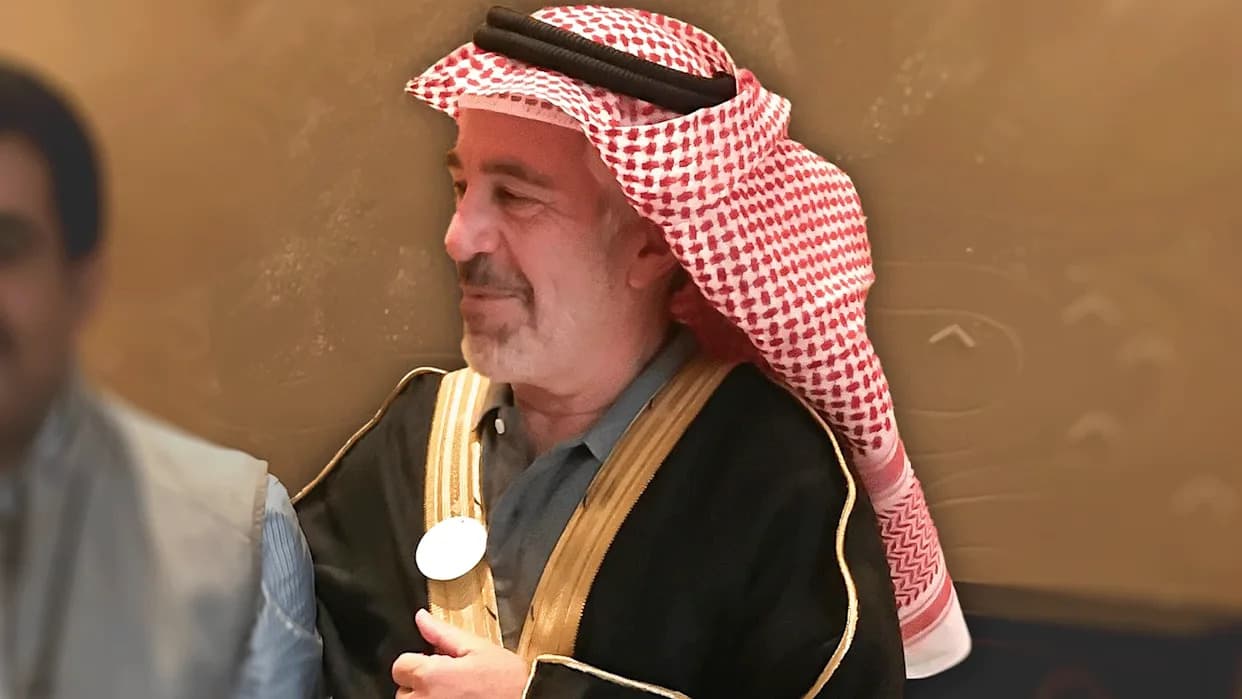
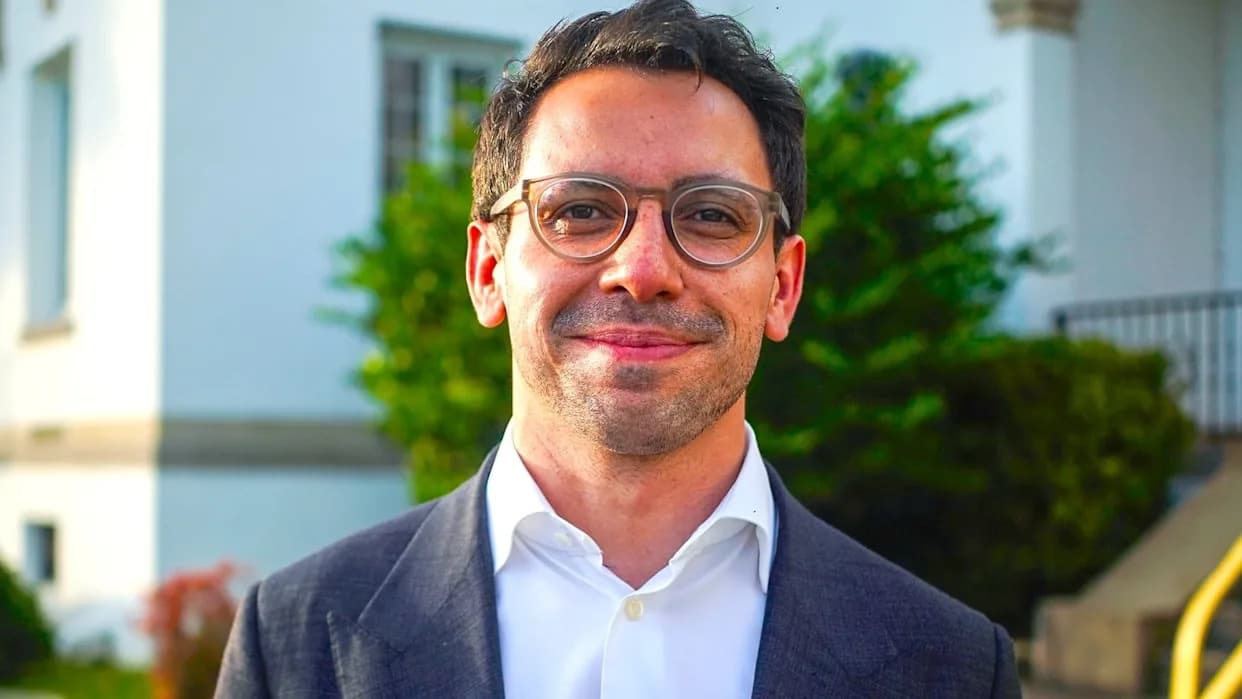
The Wall Street Journal reports that an Emirati royal purchased a roughly $500 million stake in the Trump family’s cryptocurrency firm days before Donald Trump’s inauguration and months before the U.S. approved sales of advanced AI chips to the UAE. The deal reportedly included a payout to the family of Steve Witkoff, a Trump Middle East envoy and cofounder of the crypto venture. The disclosure has sparked concerns about conflicts of interest, ethics and the potential diversion of sensitive technology.
WSJ: Emirati Royal Bought $500M Stake In Trump Family Crypto Firm Days Before Inauguration
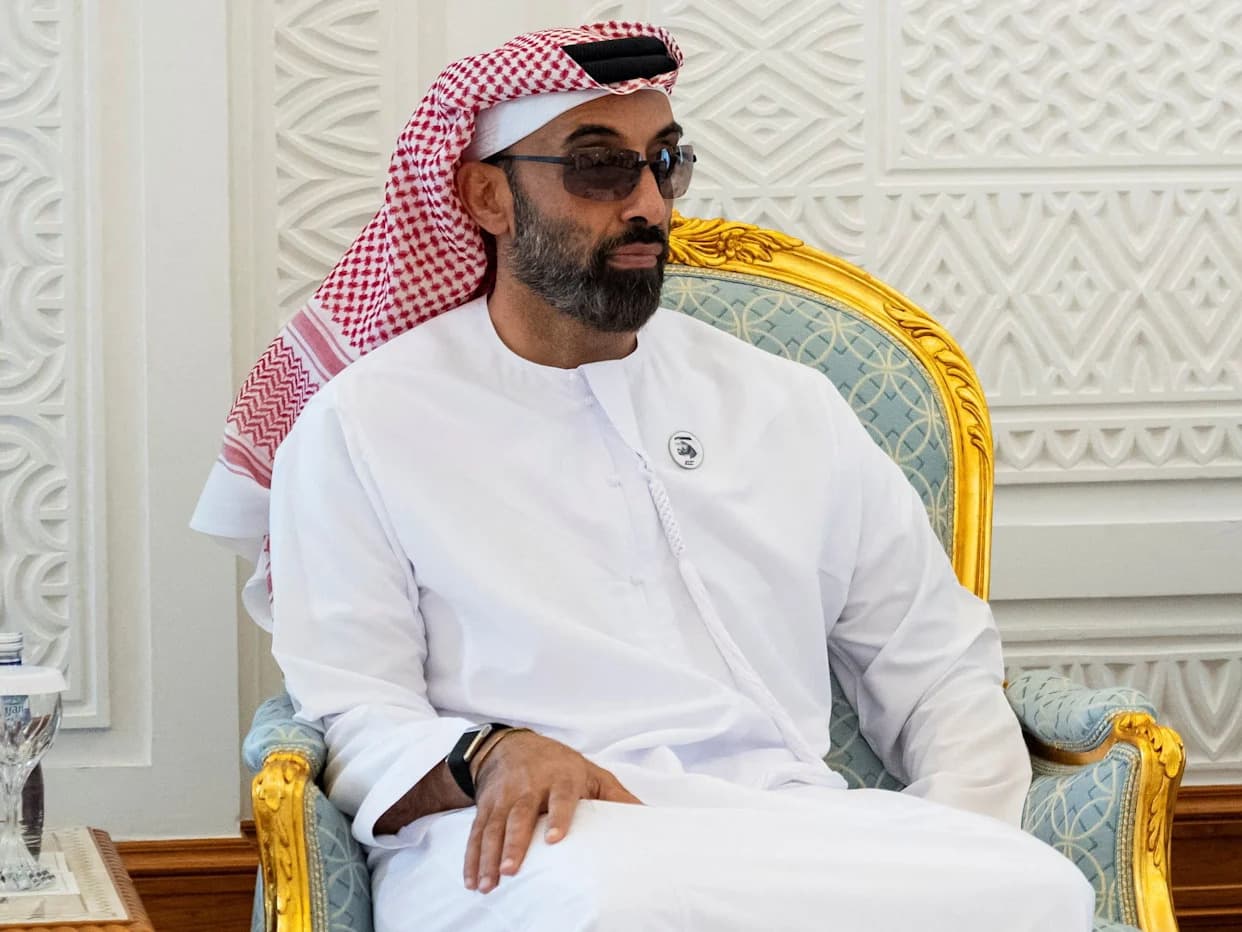
An Emirati royal acquired a major ownership stake in the Trump family’s cryptocurrency company just days before Donald Trump’s 2021 inauguration and months before the United States approved sales of advanced AI chips to the United Arab Emirates, The Wall Street Journal reported.
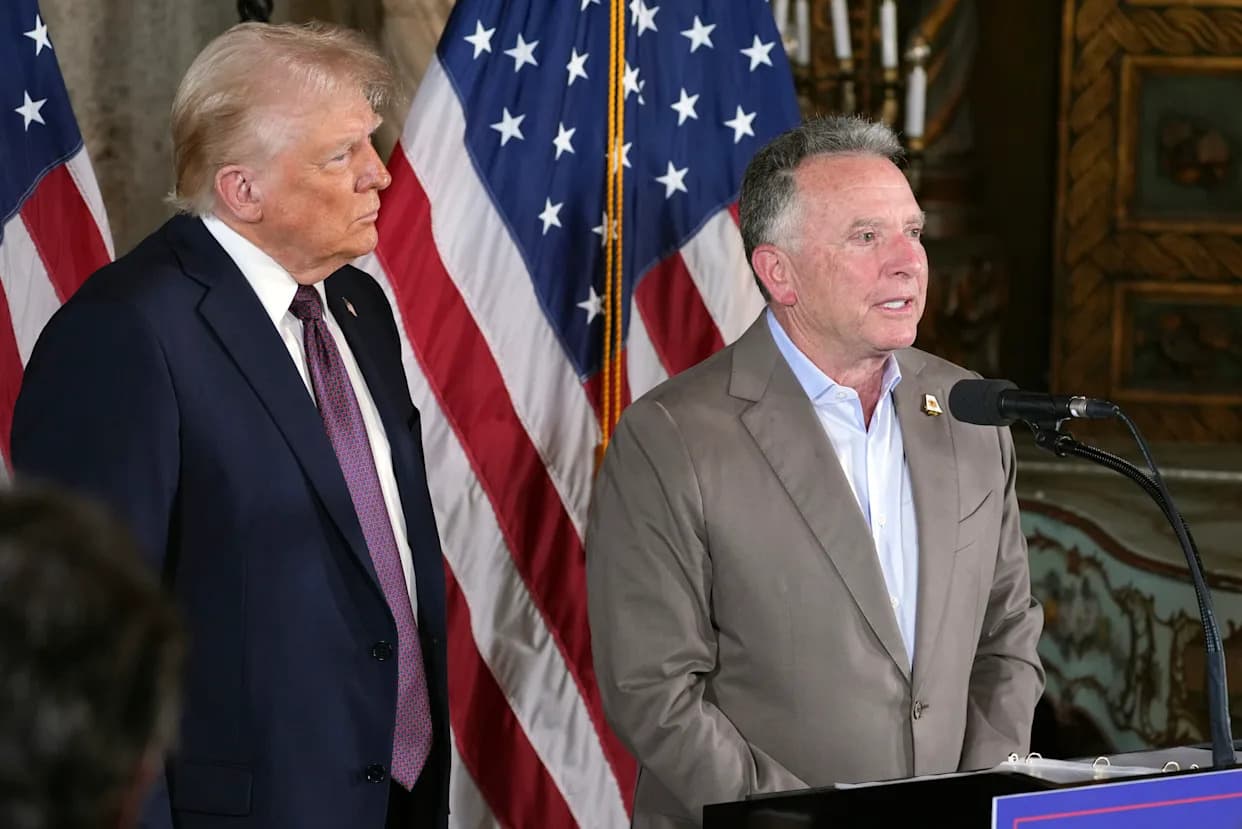
The previously undisclosed, reportedly unprecedented transaction was valued at about $500 million and included a payment to the family of Steve Witkoff, who has served as Mr. Trump’s Middle East envoy and was a co‑founder of the World Liberty Financial crypto venture.
Why the Deal Matters
The timing and secrecy of the deal have prompted scrutiny and questions about potential conflicts of interest in U.S. foreign policy. Critics note the sequence — the equity stake coming before the inauguration and months ahead of the AI chip approvals — raises concerns about influence and access at a sensitive moment in technology diplomacy.
“This should be a five‑alarm fire about the federal government being for sale,” a law professor told the paper, summing up the ethical alarm raised by the report.
Broader Concerns
Observers and national security experts have expressed worry that the related AI chip sales to the UAE could risk sensitive technology being diverted to China or other unintended recipients. The WSJ report does not state that any laws were broken, but it has intensified calls for transparency around foreign investments linked to senior political figures and their associates.
Officials and spokespeople connected to the parties involved have not provided public statements in the WSJ story detailing the full terms or motivations behind the sale. The report has renewed debate over disclosure rules, ethics safeguards, and how foreign investments intersect with U.S. policy decisions.
Help us improve.