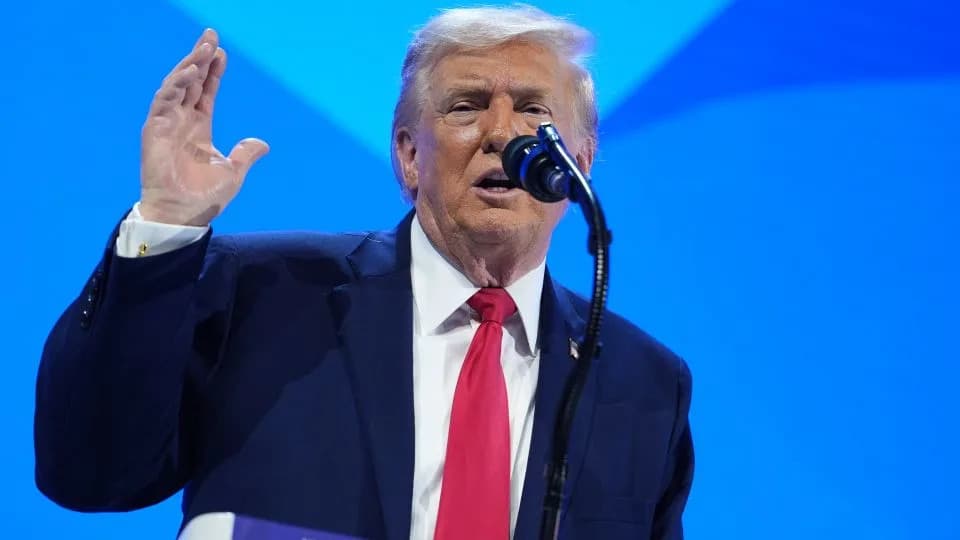
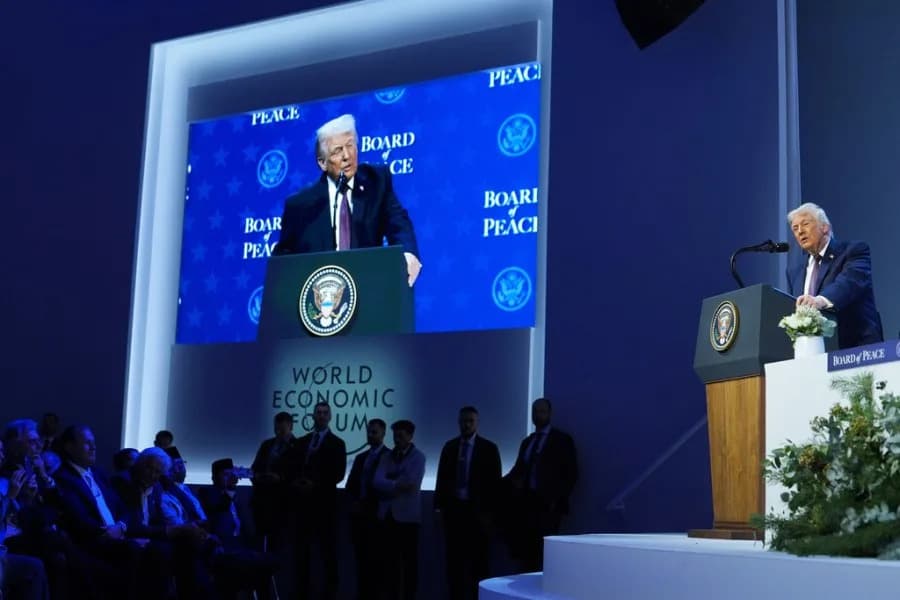
President Trump will address the World Economic Forum in Davos to lay out policies he says will make housing more affordable, even as critics highlight the irony of delivering that message amid global billionaires. Polling shows rising public concern over the cost of living, and analysts warn that proposals like buying $200 billion in mortgage debt would not solve the core problem: a long-term shortage of housing supply. The administration argues that attracting large investments and cutting regulations will spur jobs and ease costs, but distributional analyses suggest much larger gains for top earners than for middle-income households.
At Davos Surrounded by Billionaires, Trump to Pitch Plan to Ease Housing Costs

FILE - President Donald Trump speaks to Facebook CEO Mark Zuckerberg during a dinner in the State Dining Room of the White House, Sept. 4, 2025, in Washington. (AP Photo/Alex Brandon, File)(ASSOCIATED PRESS)
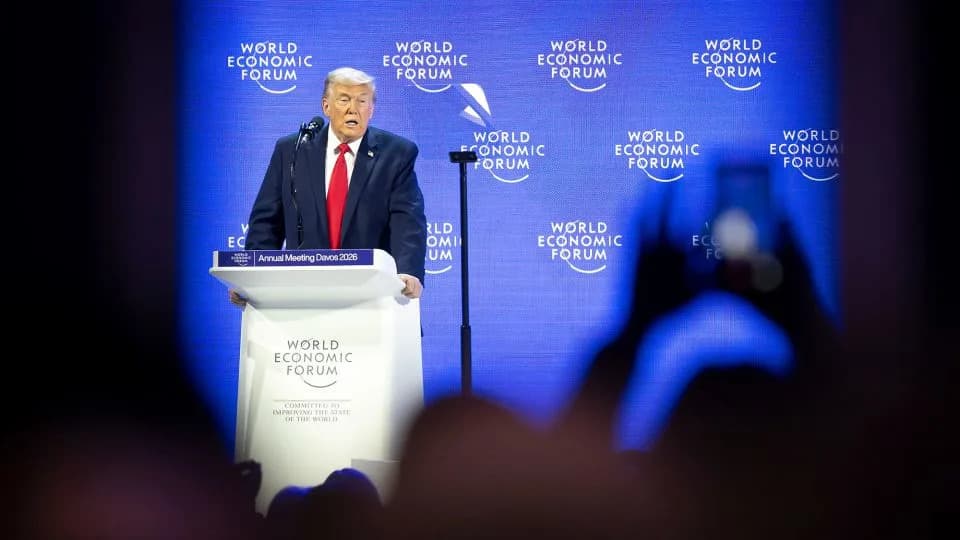
President Donald Trump will use a high-profile address at the World Economic Forum in Davos to present proposals aimed at making housing more affordable — a message some critics say rings oddly from a resort town where vacation chalets can cost roughly $4.4 million.
Davos Address and Political Context
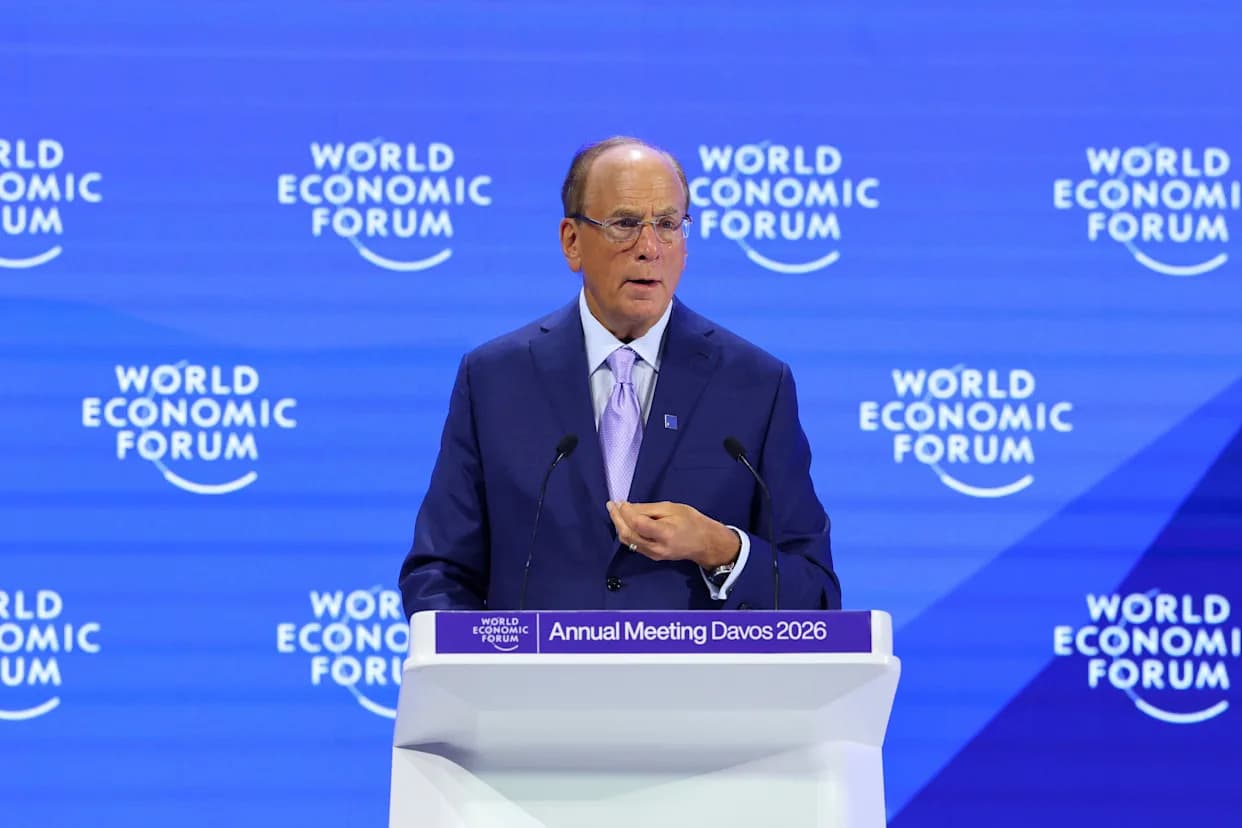
The speech falls on the anniversary of Trump’s inauguration and comes as the White House tries to refocus attention on affordability ahead of a midterm year in which control of Congress is at stake. Many of the global business leaders and billionaires who have featured prominently in Trump’s first year back in the White House are expected to be in Davos for the forum.
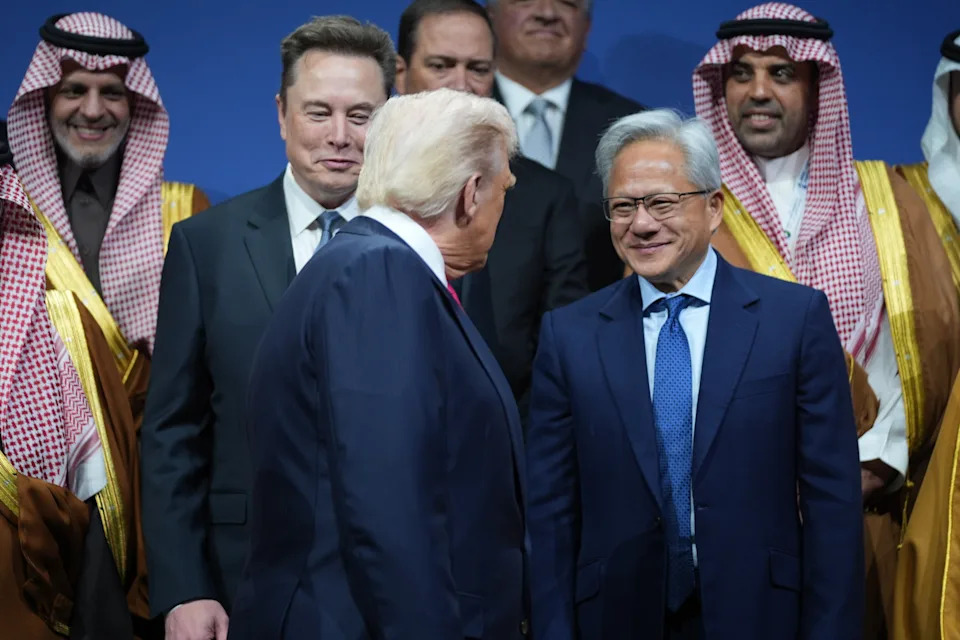
FILE - President Donald Trump speaks with Elon Musk and Nvidia CEO Jensen Huang, during the Saudi Investment Forum at the Kennedy Center, Nov. 19, 2025, in Washington. (AP Photo/Evan Vucci, File)(ASSOCIATED PRESS)
Policy Proposals
In recent weeks, Trump has floated several housing measures, including a proposal to buy $200 billion in mortgage debt to lower interest rates and a plan to ban large financial companies from buying single-family homes. The administration says these steps, together with tax and regulatory changes, will spur investment and job creation that ultimately improves affordability for ordinary Americans.
Critics and Political Risks
“At the end of the day, it’s the investors and billionaires at Davos who have his attention, not the families struggling to afford their bills,” said Alex Jacquez, chief of policy and advocacy at Groundwork Collaborative.
Critics argue the setting and much of the administration’s agenda — which has emphasized investor-friendly policies, tax cuts, relaxed regulation and outreach to the ultrawealthy — undercut Trump’s populist campaign message and risk alienating working-class voters focused on pocketbook issues.
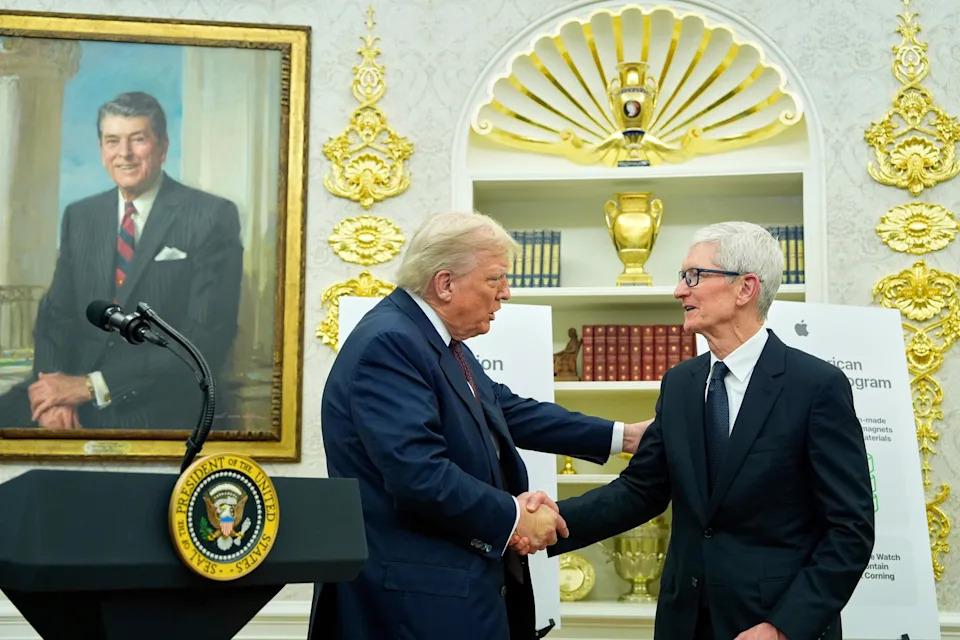
FILE - President Donald Trump shakes hands with Apple CEO Tim Cook in the Oval Office, Aug. 6, 2025, in Washington. (AP Photo/Alex Brandon, File)(ASSOCIATED PRESS)
Polling and Public Opinion
Recent polling from the Associated Press-NORC Center for Public Affairs Research shows roughly six in 10 U.S. adults say Trump has hurt the cost of living. Among Republicans, just 16% say he has helped “a lot” on affordability, down from 49% in April 2024 when a similar question was asked about his first term.
Economics and Analysis
Analysts note that the central problem in the housing market is a multi-year shortfall in new home construction and home-price growth that has generally outpaced wages. While measures such as buying mortgage debt could lower borrowing costs for some homeowners, they would not directly increase housing supply.
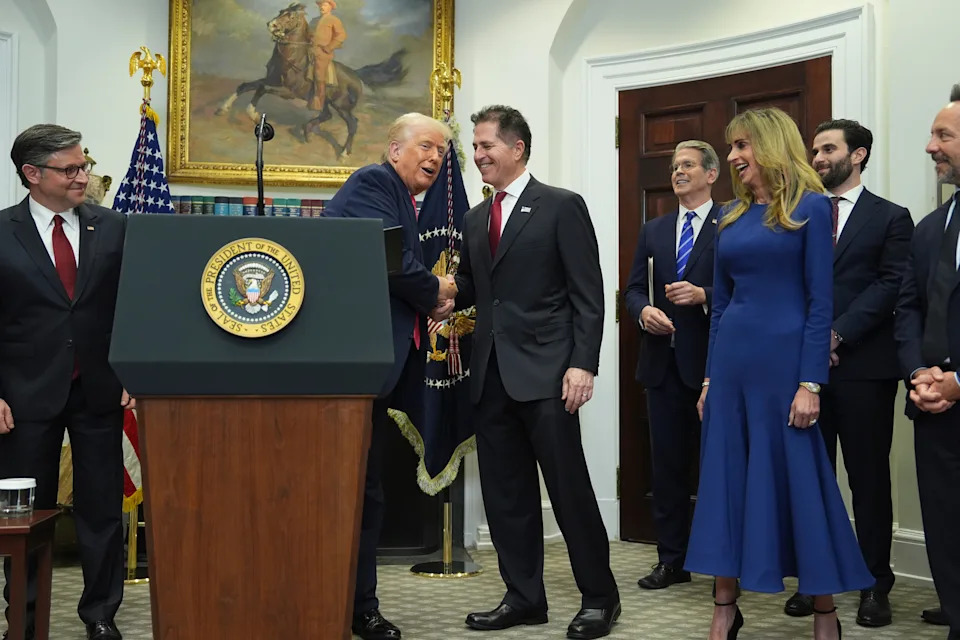
FILE - President Donald Trump shakes hands with Michael Dell as his wife Susan looks on, during an event on "Trump Accounts" for kids in the Roosevelt Room of the White House, Dec. 2, 2025, in Washington. (AP Photo/Evan Vucci, File)(ASSOCIATED PRESS)
Federal Reserve data cited in reportage shows the wealthiest 0.1% of Americans increased their wealth by about $11.98 trillion to $23.46 trillion since 2017, while the bottom 50% saw combined net worth rise by about $2.94 trillion over the same period — a gap that critics say underscores the political stakes.
Distributional Effects of Proposed Tax Changes
The White House has also pushed a broad legislative package informally called the “One Big Beautiful Bill,” which includes tax breaks and overtime changes. A Congressional Budget Office analysis estimated middle-class families might save roughly $800–$1,200 per year on average, while the top 10% of earners could receive about $13,600. The Tax Policy Center estimated households earning over $1 million could see average tax savings of roughly $66,510 this year.
Administration View and Outreach
White House officials argue that courting billionaire and foreign investment will generate large-scale projects and jobs that ultimately benefit middle-class Americans. The president has repeatedly highlighted relationships with tech and business leaders and showcased large philanthropic commitments as evidence that private investment will flow into the U.S. economy.
What to Watch
Observers will be watching whether investment pledges announced in Davos translate into measurable increases in housing construction, whether supply-side solutions are proposed to address the housing shortage, and how voters respond to the contrast between the venue and the administration’s affordability message.
Help us improve.