A Riverwatch and EuroNatur study finds that near-natural rivers in the Balkans declined from 30% in 2012 to 23% in 2025, a loss of nearly 2,500 km (≈1,600 miles). The expansion of small hydropower plants, dams and sediment extraction are the primary drivers. Albania and Bosnia experienced the steepest losses, though legal actions and Albania's 2023 protection of the Vjosa River have safeguarded about 900 km of waterways. The report calls for stronger protections to preserve freshwater biodiversity.
Balkan Rivers Under Threat: Near-Natural Waterways Lose Nearly 2,500 km to Hydropower, Dams and Extraction
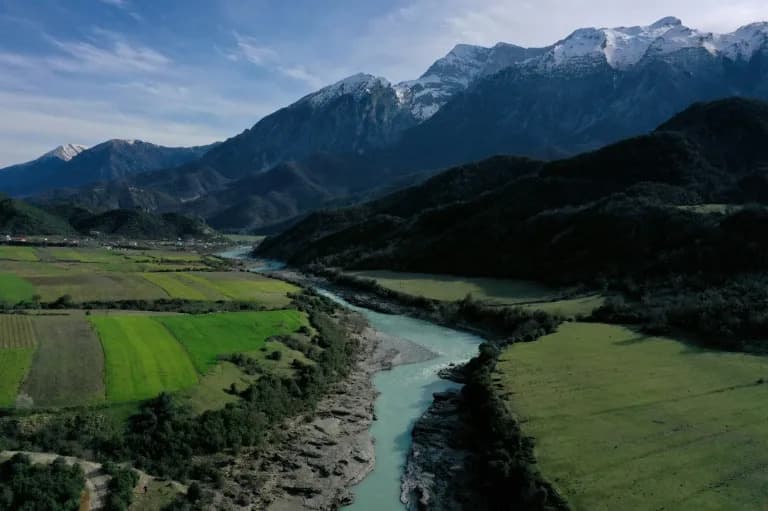
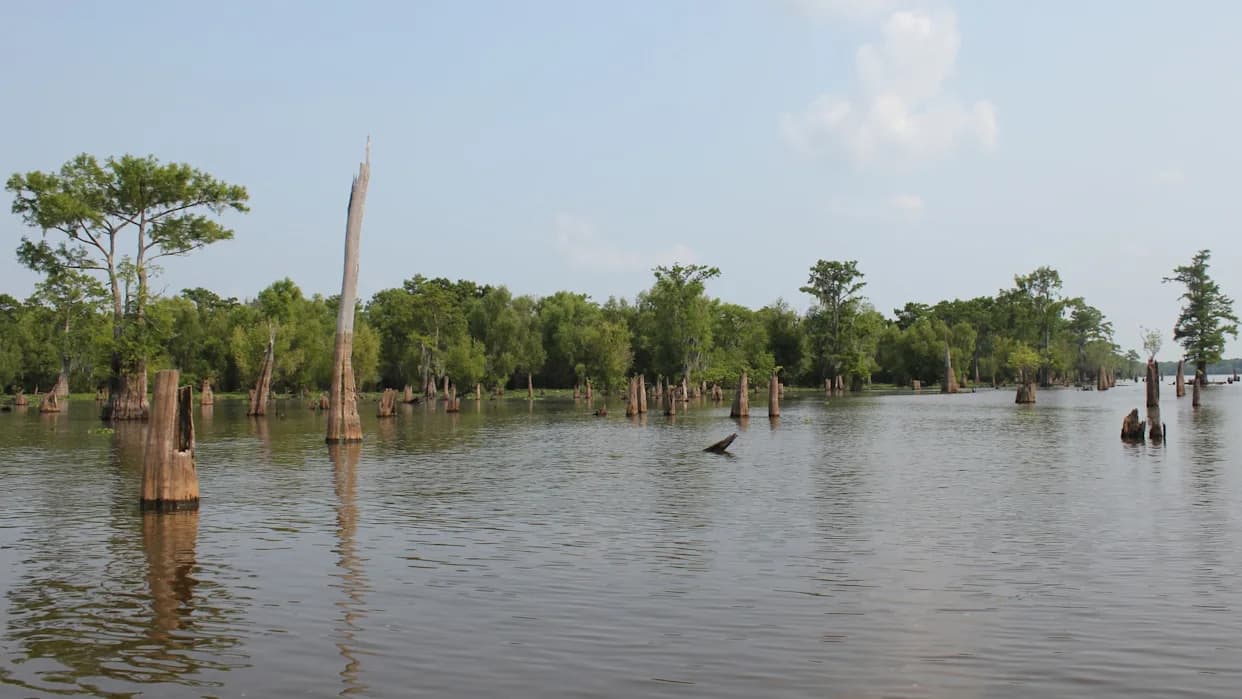
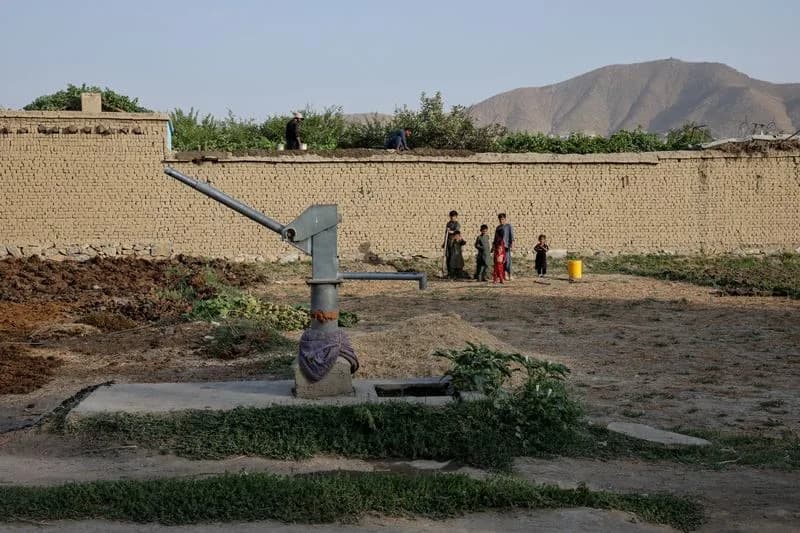
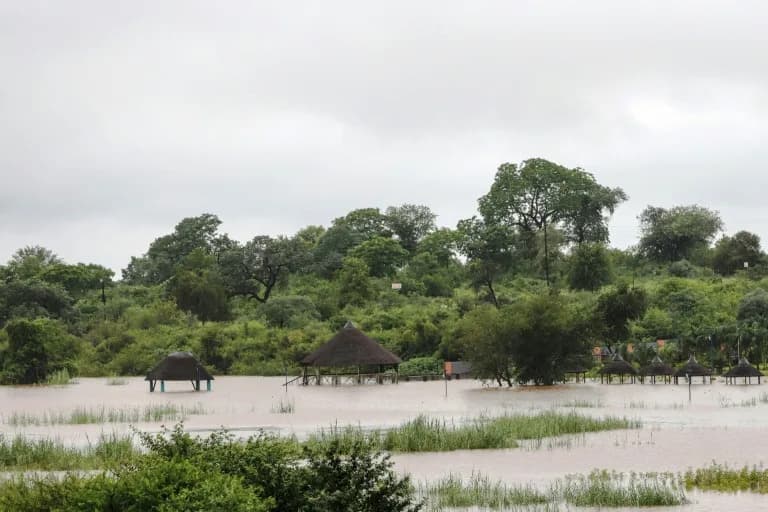
The Balkans are home to some of Europe's cleanest and wildest rivers (ADNAN BECI)(ADNAN BECI/AFP/AFP)
A new study by NGOs Riverwatch and EuroNatur warns that thousands of kilometres of rivers in the Balkans have been degraded in recent years as a result of hydropower expansion, dam construction and sediment extraction. These developments are contributing to a steady erosion of some of Europe's last largely untouched waterways.
Key Findings
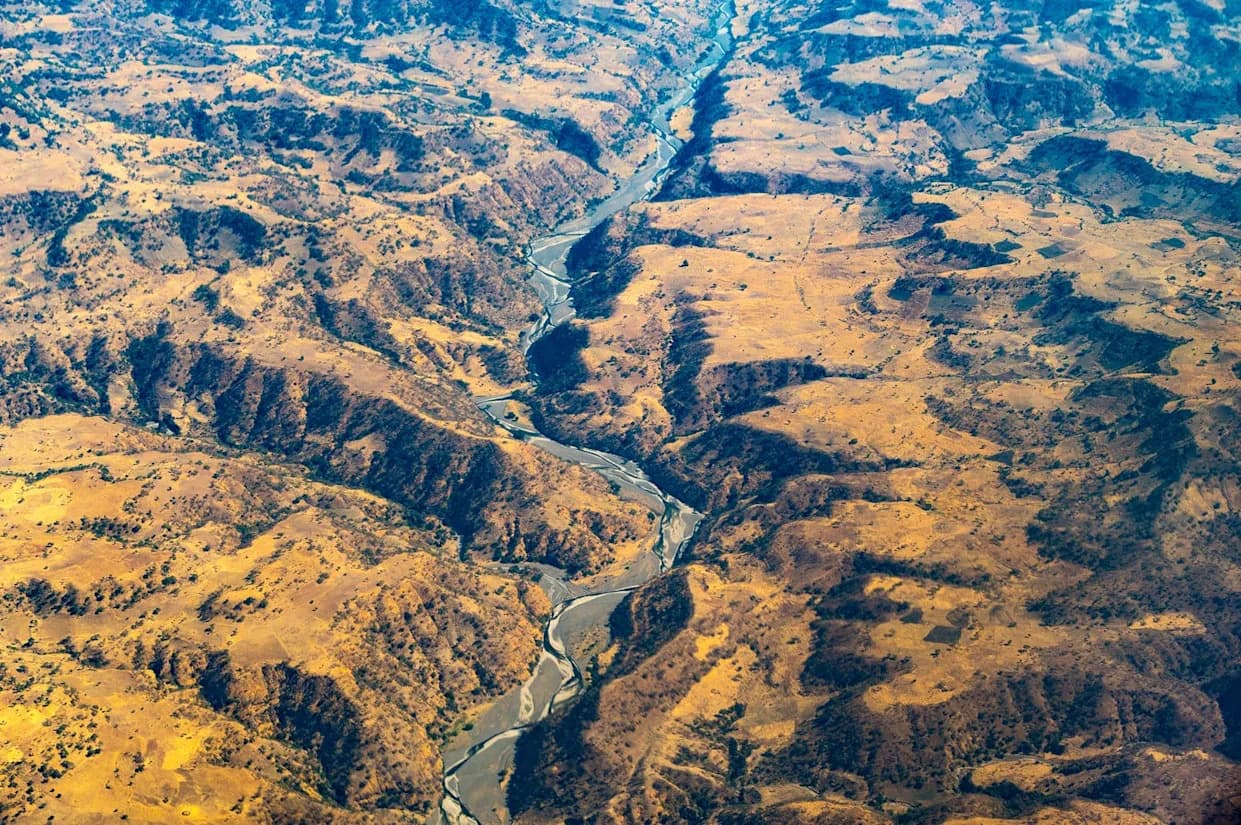
The report focused on "near-natural" river sections — stretches where flow regimes and floodplains remain intact or only minimally altered. Regionwide, the share of such near-natural waterways fell from 30% in 2012 to 23% in 2025, representing a loss of nearly 2,500 kilometres (about 1,600 miles) of largely unaltered river habitat.
Small hydropower has driven much of this change. According to a 2024 report from the same organisations, there are roughly 1,800 small hydropower plants already operating in the Balkans, with more than 3,000 additional projects planned — many of them subsidised.
Countries Most Affected
The study highlights particularly steep declines in Albania and Bosnia. Albania saw a drop in near-natural river sections from 68% in 2012 to 40% in 2025, a dramatic reduction. For Bosnia, the proportion of intact rivers declined by 23% between 2012 and 2025, according to the report.
Beyond hydropower, the report names dam construction and sediment extraction as major pressures that alter flow, fragment habitats and reduce the rivers' ecological integrity.
Conservation Wins
Not all developments have been losses. Legal challenges and new protections have secured nearly 900 kilometres (about 560 miles) of rivers across the region from development. A high-profile example is Albania's 2023 designation of the Vjosa River as a national park, which helped block dozens of planned dams within that watershed.
The authors say the findings underline an urgent need for better planning and stronger legal safeguards to balance renewable energy development with the protection of freshwater biodiversity and riverine ecosystems.
Why It Matters: Balkan rivers are among Europe's richest freshwater habitats for fish, invertebrates and unique riverine ecosystems. Continued loss of near-natural sections threatens biodiversity, local livelihoods and the ecological services these rivers provide.
Help us improve.