The anti-abortion movement is ratcheting up pressure on the Trump administration to stop mailing medication abortion pills, a change instituted under the Biden administration that expanded access. A Louisiana lawsuit asks a court to immediately halt mail delivery of mifepristone while several related suits from six states challenge FDA rules and, in some cases, the drug's original approval. Senators and conservative leaders demand quick action as HHS and the FDA say they are conducting scientific reviews without offering firm timelines; the administration must file an opposition brief by Monday and a hearing is set for late February.
Social Conservatives Push Trump To Block Mailed Abortion Pills As Lawsuits Mount

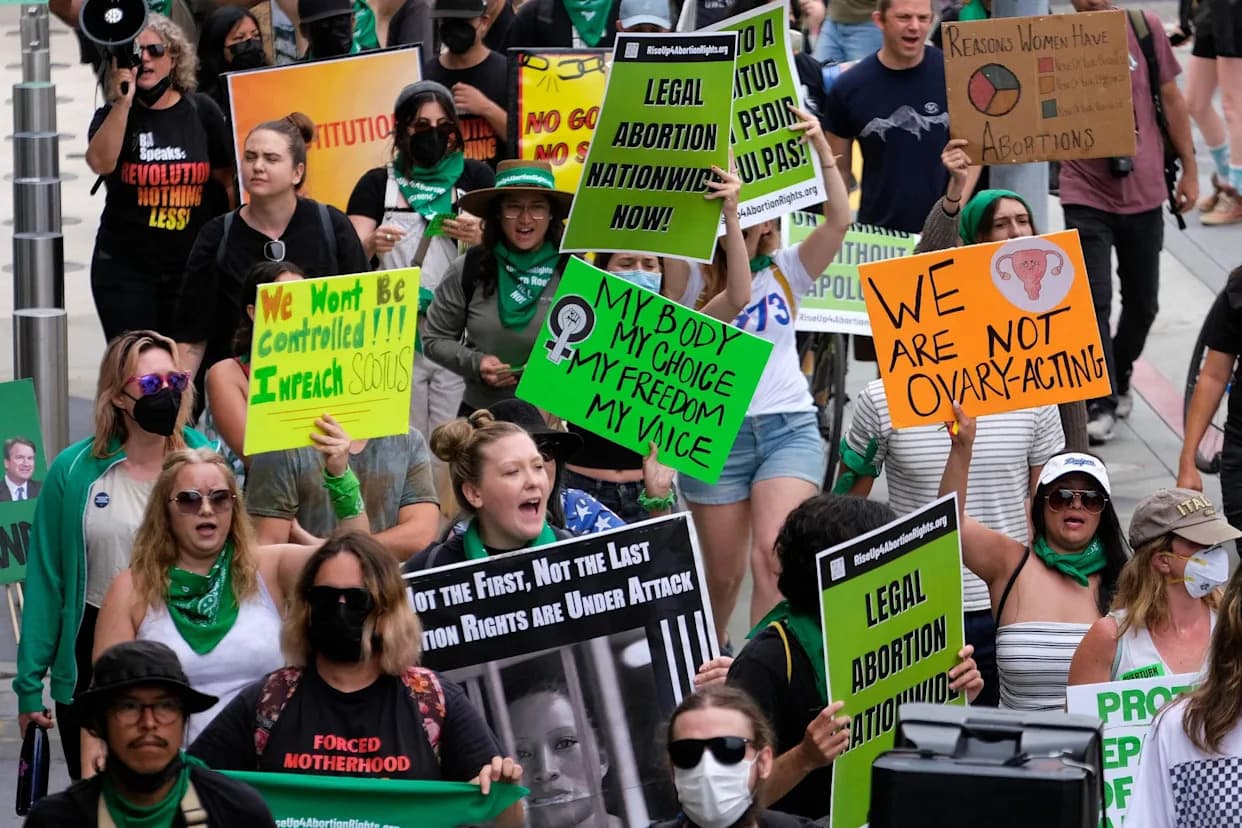
This January 2025 photo shows abortion rights opponents as they march through Washington, DC. - Dominic Gwinn/AFP/Getty Images
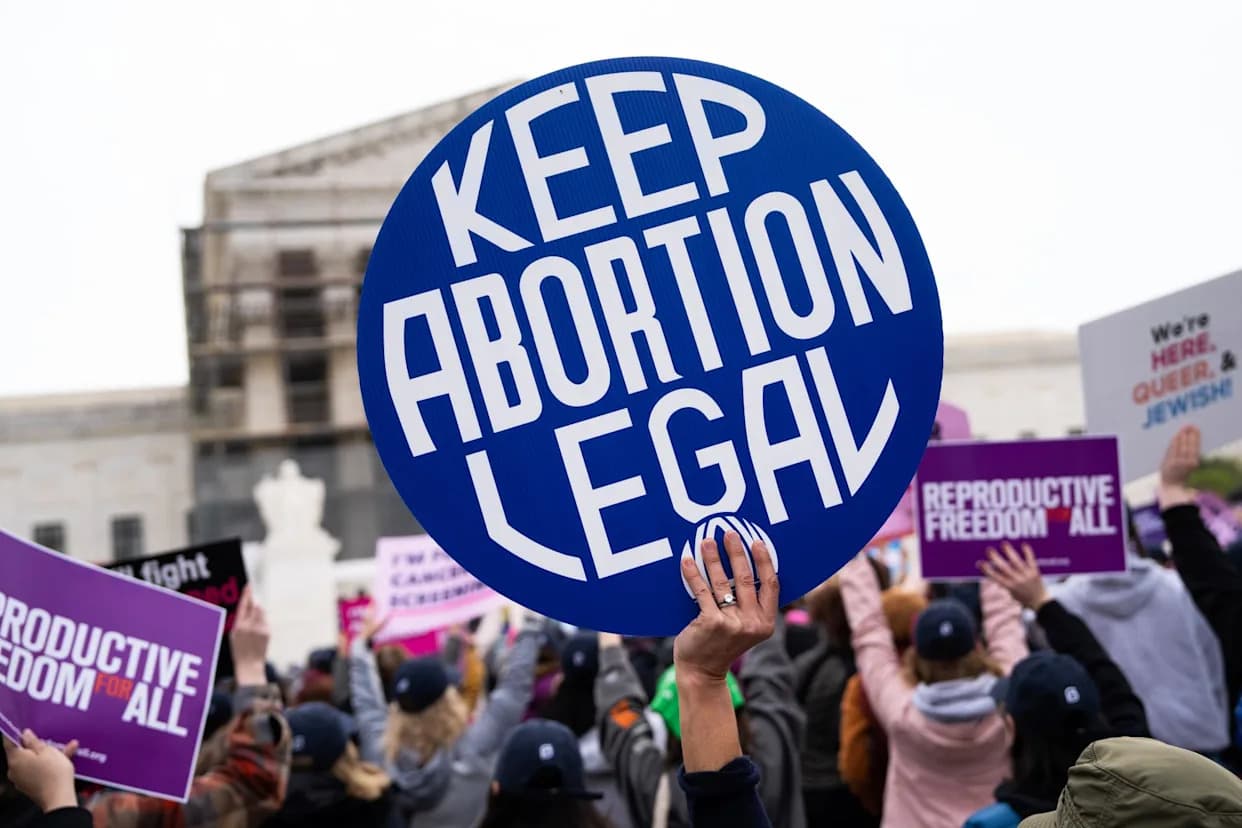
As thousands gathered in Washington, D.C., for the annual March for Life, anti-abortion leaders intensified pressure on the Trump administration to explain why it has not moved to block the mailing of medication abortion pills.
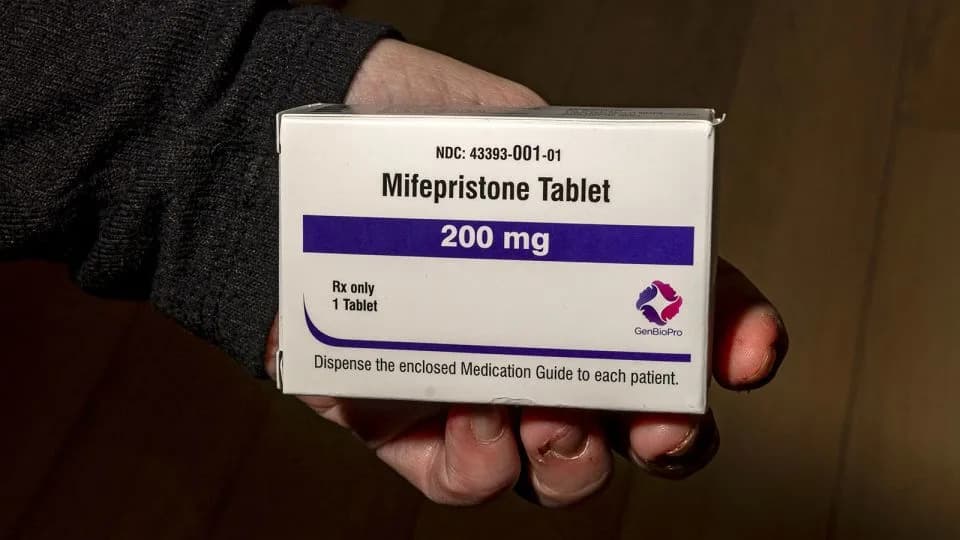
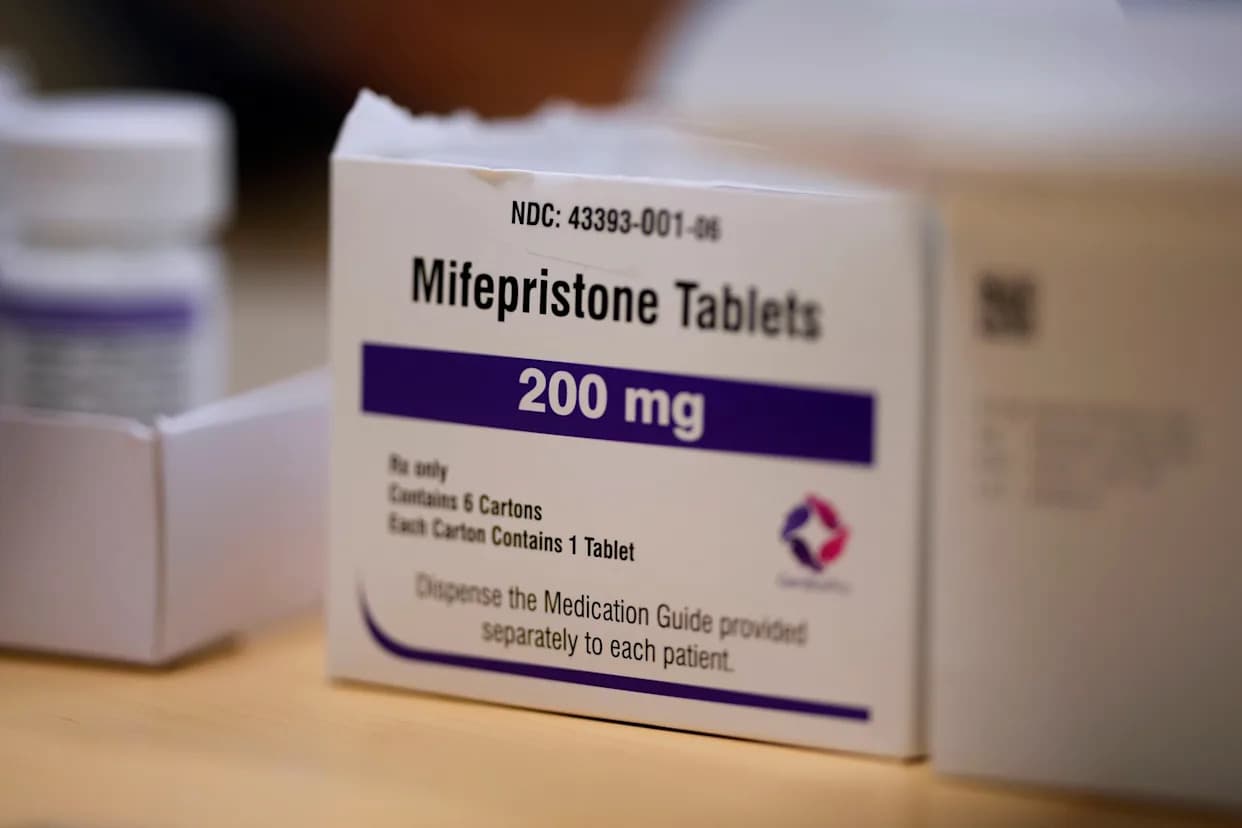
At the center of the fight is a Louisiana lawsuit against health officials appointed by President Donald Trump that asks a court to halt the mail delivery of mifepristone while litigation proceeds. That suit is one of several legal and political efforts from conservative activists and state officials aimed at rolling back Biden-era regulatory changes that allow the two-pill regimen for medication abortion to be sent by mail — a shift that advocates say has expanded access in states with bans or restrictions.
Political Pressure and Public Hearings
Conservative leaders and Republican senators have grown vocal and impatient. "We can simply fix this if we have the courage to do it," Sen. Lindsey Graham told reporters, urging the administration to act. At a Senate Health, Education, Labor and Pensions hearing, lawmakers including Sen. Bill Cassidy pressed for the restoration of in-person safeguards, arguing the changes have enabled medication abortion to reach states that have outlawed the procedure.
“Where we are is that the Trump administration has managed not to say anything,” said Mary Ziegler, a law professor at UC Davis. “It seems pretty clear politically that all the steps that Republicans and abortion opponents are taking aren’t really moving the administration.”
Legal Challenges Target FDA Policy
Six states have active suits challenging FDA rules governing medication abortion. Missouri, Kansas and Idaho are advancing litigation originally brought by anti-abortion doctors and organizations that seeks to undo several FDA actions that made medication abortion easier to obtain. Separate lawsuits from Florida and Texas aim even higher: they ask a court to reverse the FDA's 2000 approval of mifepristone — a move that would effectively ban medication abortion nationwide if successful.
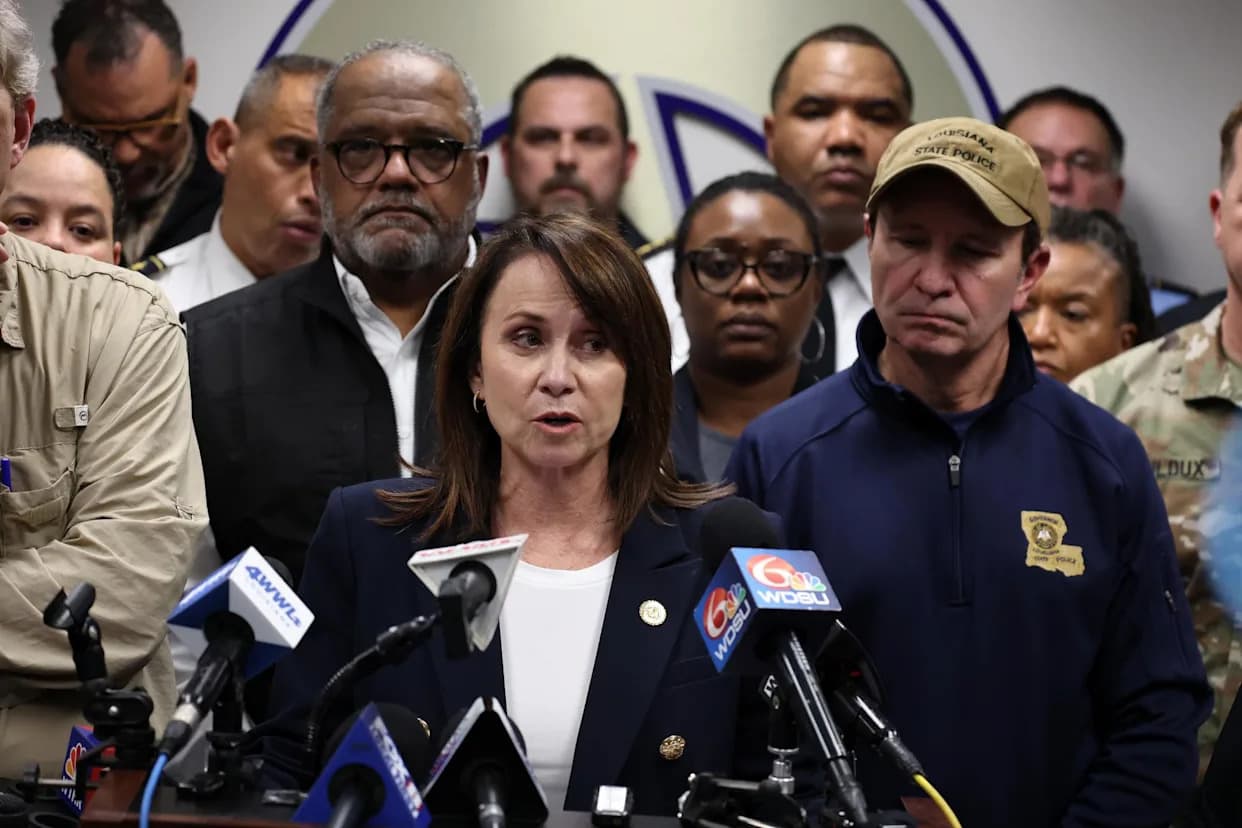
The Louisiana suit does not attack the original approval of mifepristone but instead focuses on current distribution rules and asks for an emergency order to stop mailing the drug while the case is pending. Louisiana Attorney General Liz Murrill has urged the administration to take swift action to head off the litigation.
Agency Reviews And Political Pushback
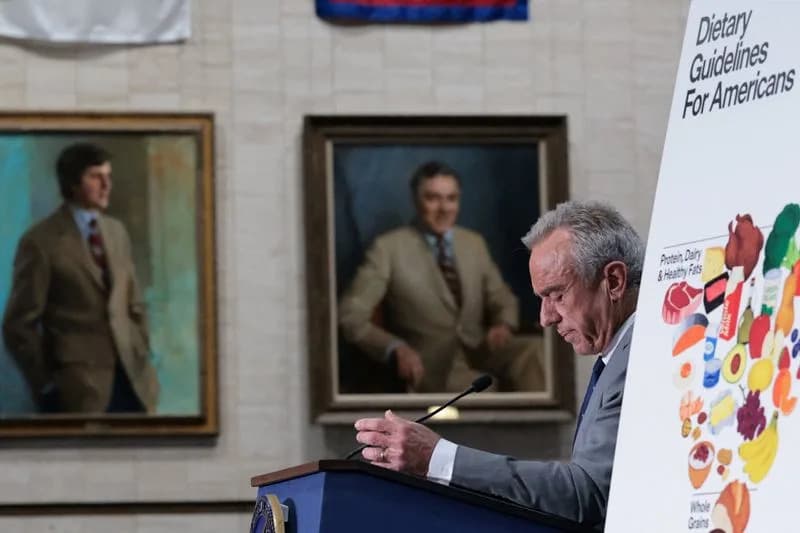
HHS Secretary Robert F. Kennedy Jr. told Republican attorneys general in a letter that he ordered regulators to "review the latest data" on mifepristone's safety and risks, but officials have not provided a clear timeline for that review. The FDA also approved a generic version of the drug last fall, a development that heightened urgency among conservative leaders.
Abortion-rights advocates and manufacturers contend that years of data demonstrate mifepristone is overwhelmingly safe — noting it has fewer reported side effects than common medications such as Viagra or penicillin and is generally safer than procedural abortions. HHS has defended the review process, saying the FDA's scientific review is thorough and designed to ensure decisions are grounded in gold-standard science.
What Comes Next
The Trump administration must file a brief opposing Louisiana's emergency request by Monday, and a judge is scheduled to hear the matter in late February. Conservative backers say litigation may be a more effective lever than political pressure because court decisions can force outcomes the administration cannot avoid. Meanwhile, Republicans and anti-abortion organizations continue to press for immediate executive action to halt mailed distribution of medication abortion.
Key developments to watch: the administration's legal brief in the Louisiana case, the timeline and scope of the HHS/FDA review of mifepristone, and ongoing multistate litigation that could reshape access to medication abortion across the country.
Help us improve.