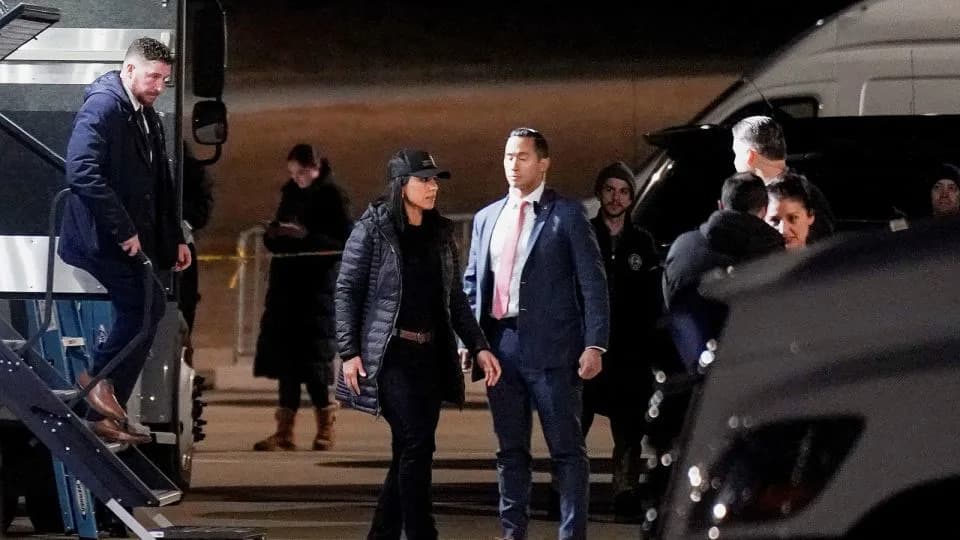
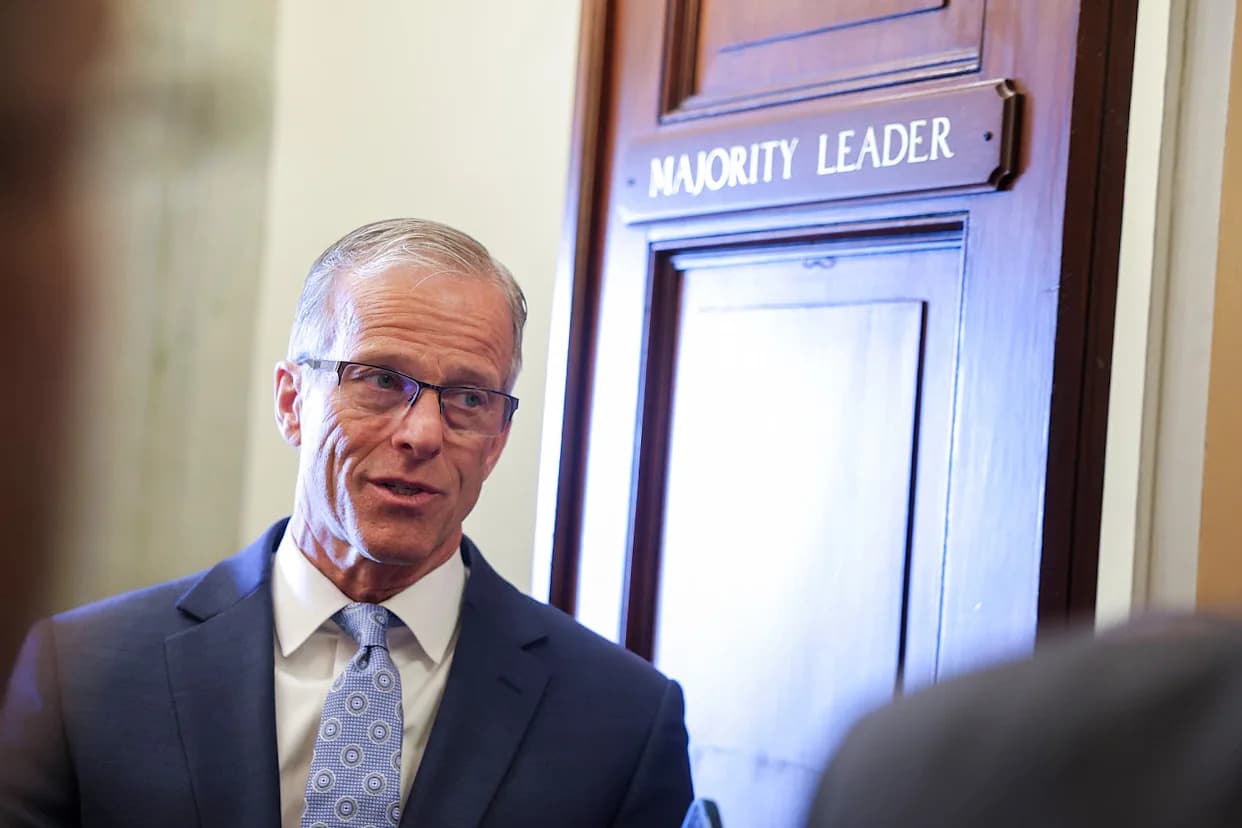
Democrat Taylor Rehmet won a surprising special election victory in Texas State Senate District 9 with 57% of the vote, flipping a district Donald Trump had carried by about 17 points in 2024. The result represents roughly a 31-point swing and is one of the largest Democratic overperformances in a recent special election. Despite publicly endorsing Republican Leigh Wambsganss, Donald Trump downplayed his involvement after her 14-point loss. The outcome raises concerns for GOP strategists who rely on high-profile endorsements in competitive suburban districts.
Democrats Flip Deep-Red Texas Senate Seat as Trump Downplays His Endorsement

What began as an off-year for elections in 2025 turned into a string of consequential special contests, with a clear pattern: Democratic candidates repeatedly outperformed expectations. That momentum — and what it might mean for 2026 — came sharply into focus after a surprising Democratic victory in a Fort Worth-area special election.
The Upset In Texas
Democrat Taylor Rehmet captured 57% of the vote in the special election for Texas State Senate District 9, defeating Republican Leigh Wambsganss in a district that had been safely Republican for decades. On the surface the result looked improbable: Donald Trump carried the district by roughly 17 points in 2024; Wambsganss heavily outspent Rehmet; and state GOP leaders, including Lt. Gov. Dan Patrick, campaigned on her behalf.
Despite those advantages, Rehmet — an Air Force veteran and union leader — won by a double-digit margin. Analysts noted this represented an extraordinary shift: moving from a Trump win of about +17 in 2024 to a Democratic victory of +14 is roughly a 31-point swing (G. Elliott Morris described it as a 32-point swing), one of the largest Democratic overperformances in a competitive special election since 2016.
Context And Contrast
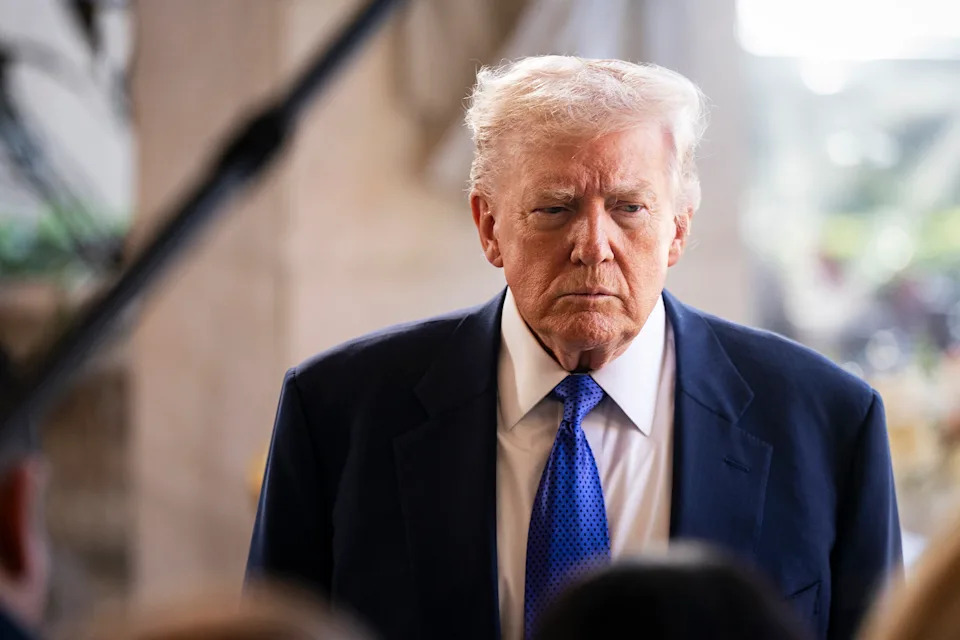
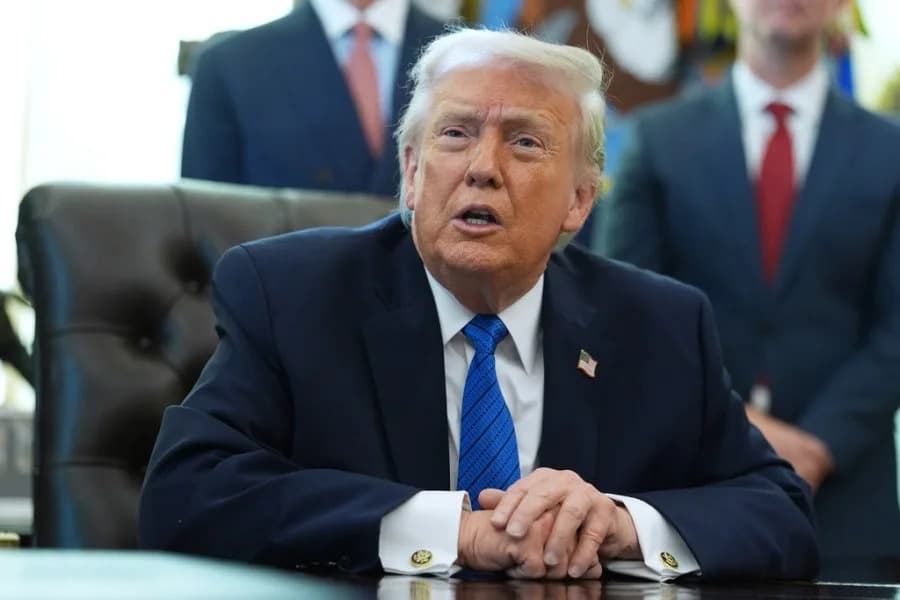
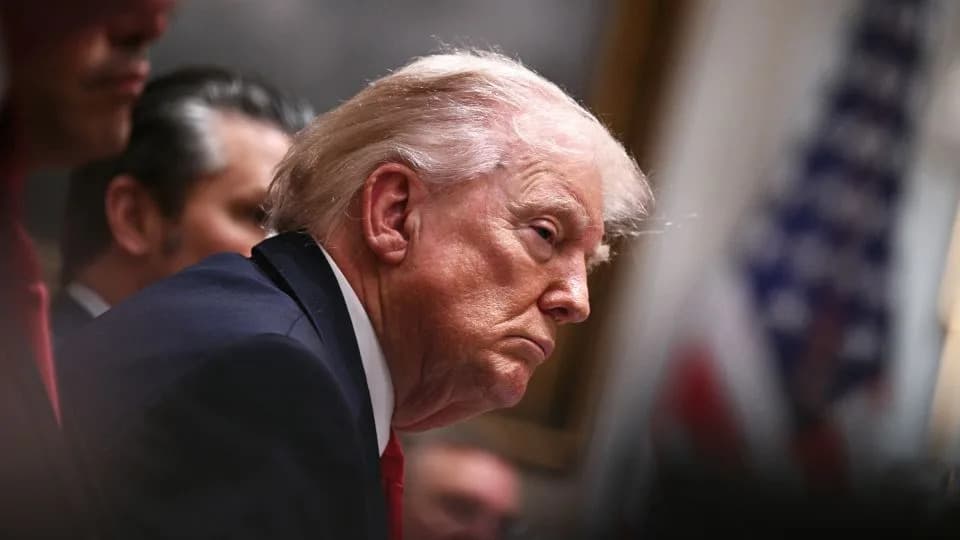
President Donald Trump speaks to reporters and members of the media at Mar-a-Lago on Feb. 1, 2026, in Palm Beach, Fla.(Al Drago / Getty Images)
Earlier special elections in Minnesota returned lopsided Democratic wins in safe districts (margins reported as roughly 95% and 91%), but those races drew limited conclusions because one was uncontested and the other faced only token opposition. The Texas race, by contrast, drew national attention because it was a competitive suburban district where a GOP edge had seemed durable.
Trump's Role And Reaction
“I don’t know. I didn’t hear about it. Somebody ran where?” — Donald Trump, when asked about the Texas result
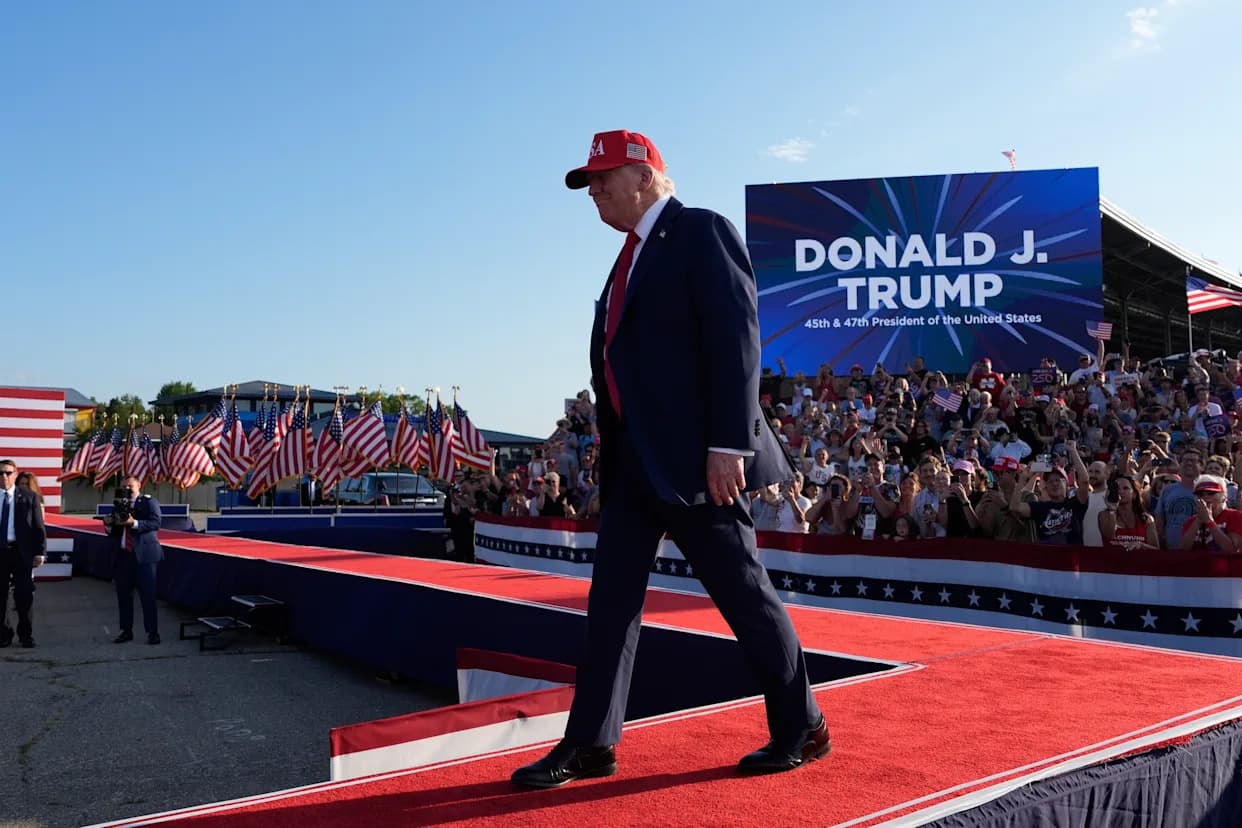
Trump had publicly and actively urged voters to back Wambsganss on his social platform in the days before the election, calling her a “phenomenal candidate” with his “complete and total endorsement.” After Wambsganss lost by about 14 points, the former president publicly downplayed his connection to the defeat — a sharp contrast with his campaign messages and endorsements during the contest.
Why This Matters
The result is a cautionary note for Republican candidates who count on presidential endorsements to move closely contested races. In this case, heavy spending and high-profile backing did not prevent a decisive Democratic pickup, suggesting that suburban voters and localized issues can produce surprising outcomes even in previously safe seats.
Originally published on MS NOW.
Help us improve.