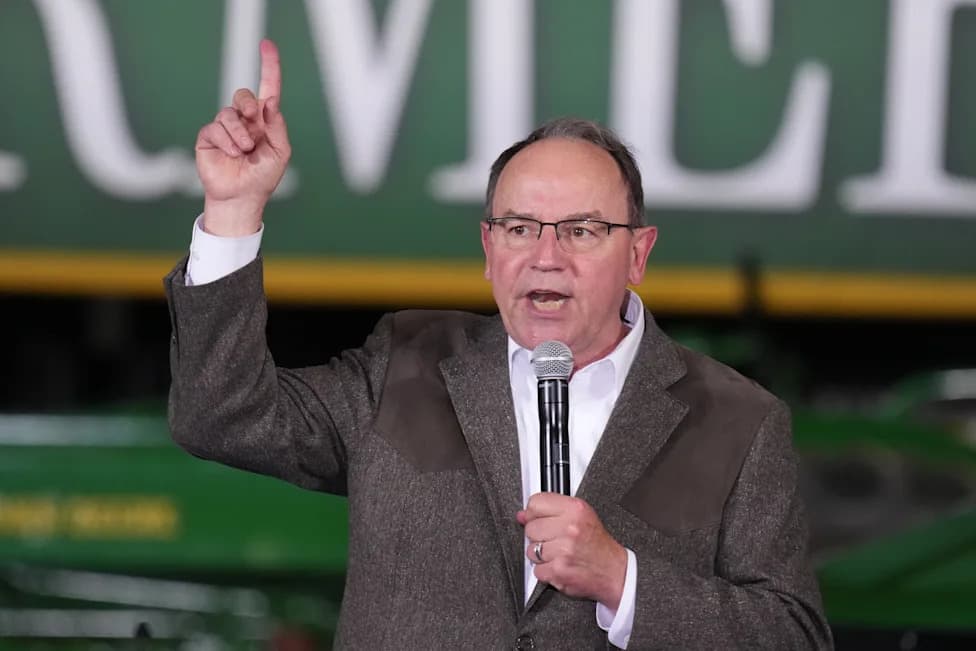
One year into President Trump’s second term, Iowa voters deliver mixed signals for the midterms. Rural farm owners praise certain policies but voice frustration with trade and distractions; suburban and business voters vary from pragmatic supporters to unabashed backers. Competitive margins in the 3rd and 1st Congressional Districts mean both parties will target persuadable voters and prioritize grassroots outreach.
One Year Into Trump’s Second Term: Iowa Voters Signal A Mixed Midterm Battleground
cnn
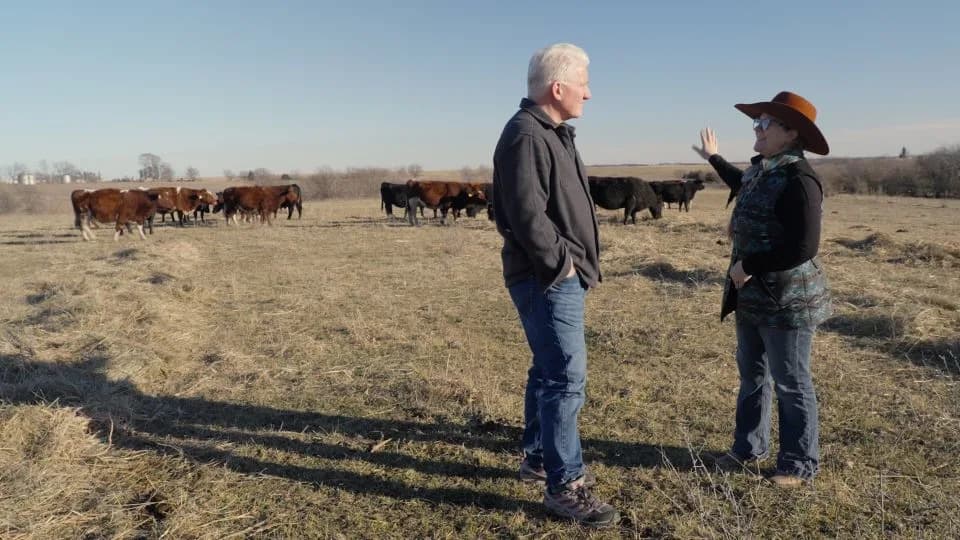
Shanen Ebersole smiles as she watches her cows graze on her Ringgold County farm, already thinking about calving season rather than politics. “We’ll walk them the mile and a half home in a month or so,” she says. “Then they will calve in a pasture just like this. So, these are all our old mama girls.”
Her comfort with the rhythms of farm life contrasts with her feelings about Washington. Ebersole voted for Donald Trump in 2024 after backing Nikki Haley early in the cycle, saying he was better for her family farm. But a year into his second term she gives him a 3 out of 5: the economy feels a bit stronger and illegal border crossings are down, yet she objects to policy choices she sees as departing from “America First” principles—notably the decision to increase low‑tariff beef imports from Argentina and talk about far‑flung initiatives like Greenland.
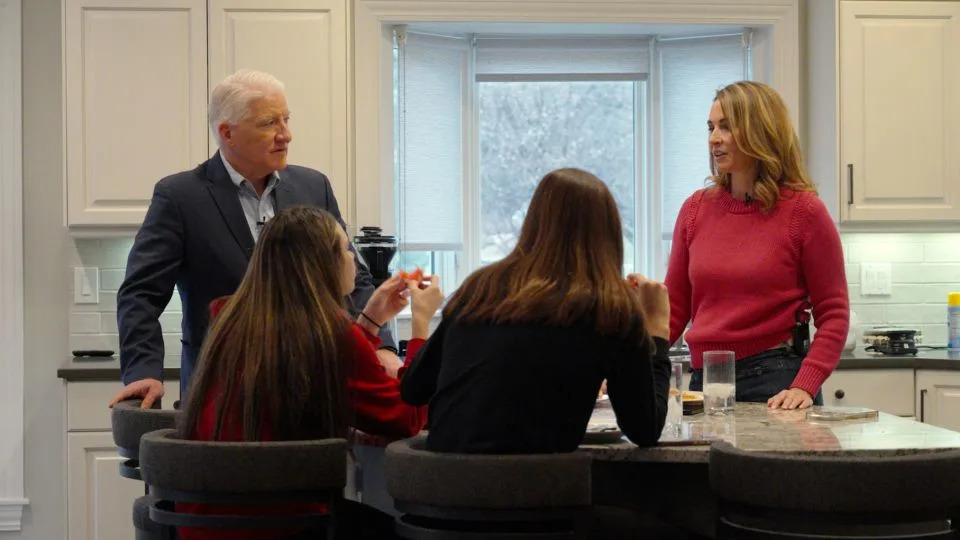
Betsy Sarcone says she's happy with President Trump's first year in office and will be voting Republican in the midterm elections. - CNN
Voter Portraits Across Iowa
Across the state, voters offer a patchwork of enthusiasm, skepticism and pragmatic support. Betsy Sarcone, a suburban Des Moines parent, says she is pleased with Trump’s first year back in office and gives him an A‑minus, citing border enforcement and improving economic signs. She once said she would back Joe Biden over Trump in 2024, but now says, “I got what I voted for.”
In Waterloo, Chris Mudd, CEO of Midwest Solar, remains a staunch Trump supporter despite reservations about some policy choices. Mudd notes that higher energy prices have helped his solar business and that, while some supporters have softened, his optimism about Trump’s agenda remains intact. Both Sarcone and Mudd — though very different voters — also reveal that doubts about the 2020 election persist in some pockets.
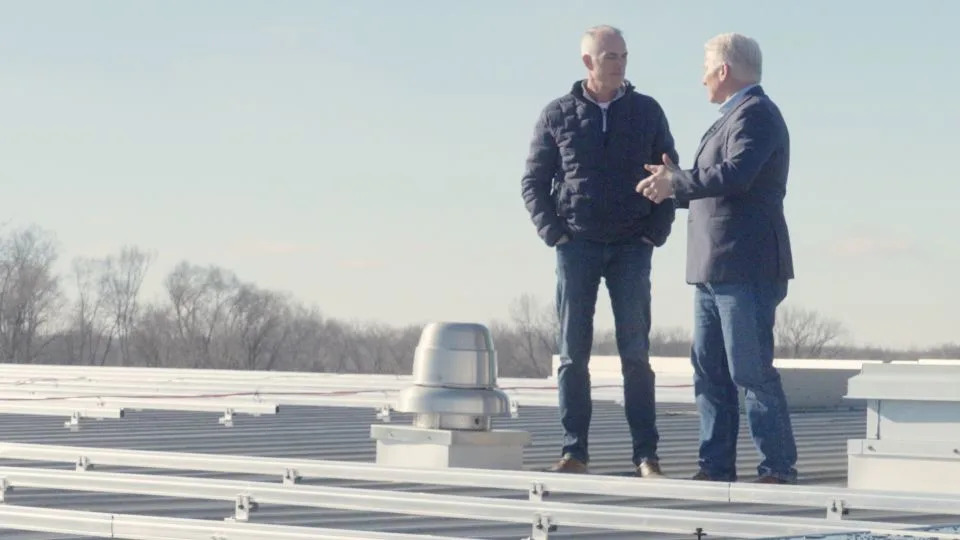
Trump voter Chris Mudd is happy with the president's first year, but says he thinks Iowa will be competitive in 2026. - CNN
Politics On The Ground
Ringgold County and towns like Kellerton and Columbus Junction remain deeply Republican on the map: Trump carried Iowa in all three of his presidential runs, and the state has not elected a Democratic governor since 2010 or a Democratic U.S. senator since 2015. Yet several districts are competitive. The 3rd Congressional District — where Kellerton sits — was a Democratic target in the midterms; the GOP margin there in 2024 was just under 16,000 votes, while the 1st District was decided by only 799 votes.
Local Democrats are taking note. In Louisa County, where Trump received roughly 70% of the 2024 vote, county Democrats gathered at a potluck to begin midterm organizing with plans for signature drives, voter registration and door‑to‑door outreach. Michele Pegg, the county Democratic chair, urged candidates to visit rural roads and knock on doors: “You want the office? You need to sway the voters.”
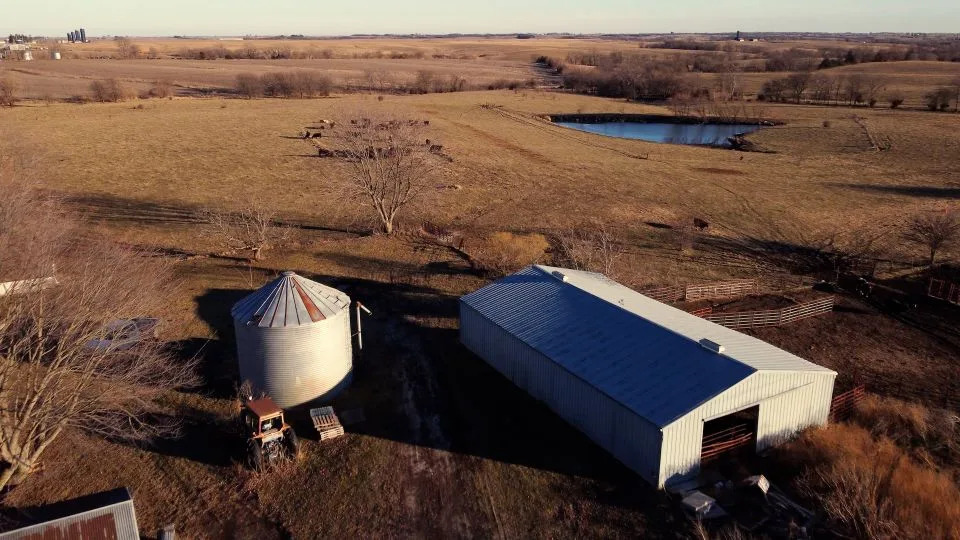
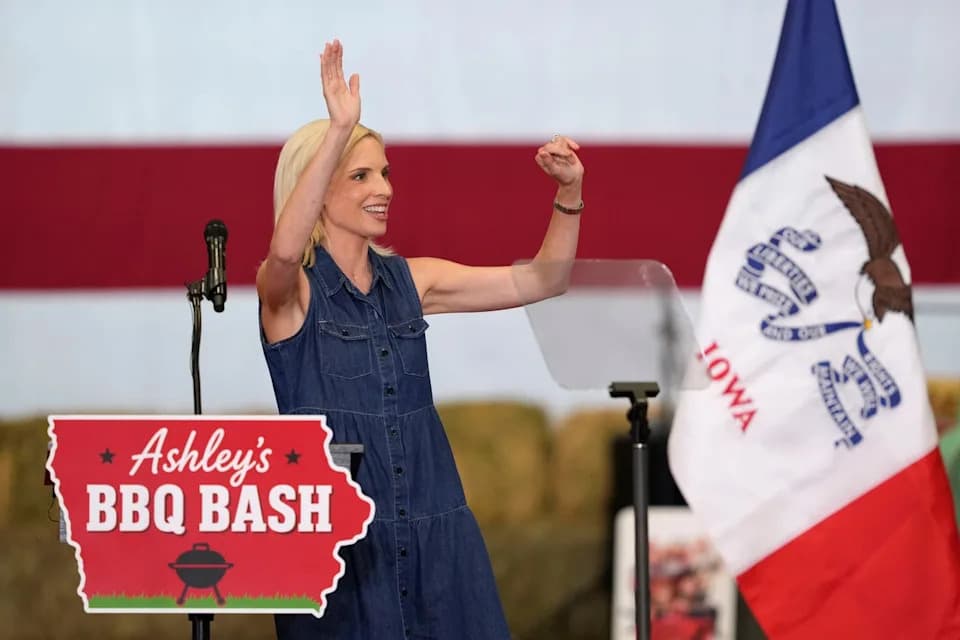
Iowa has a lot at stake in the 2026 midterm elections. People here will cast their vote for governor, all four congressional seats and one Senate seat. - CNN
What This Means For The Midterms
These conversations suggest the midterm map in Iowa could hinge on persuading small groups of voters: longtime Republicans who remain loyal, suburban voters who shifted based on issues like immigration, and rural residents who feel let down by unmet local concerns. For Democrats to flip or protect seats, they would likely need to convince some 2024 Trump voters who are open‑minded about divided government or dissatisfied with particular policies.
Bottom line: Iowa remains broadly Republican, but competitive margins in several districts and a mix of voter sentiments—ranging from steadfast support to quiet fatigue—mean both parties have clear work to do on the ground.
— Reporting and interviews conducted across Iowa during the year mark real‑time views that will shape both local and national campaign strategies ahead of the midterms.
Help us improve.