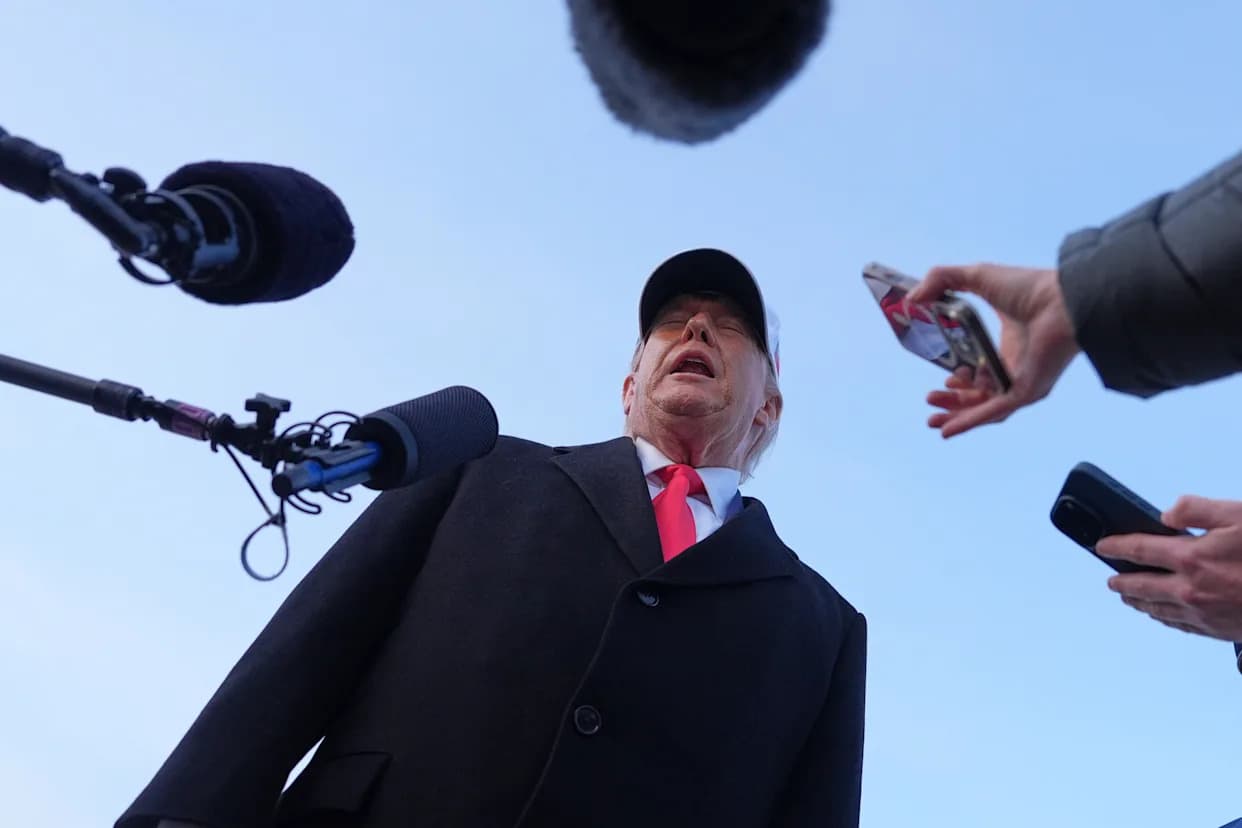
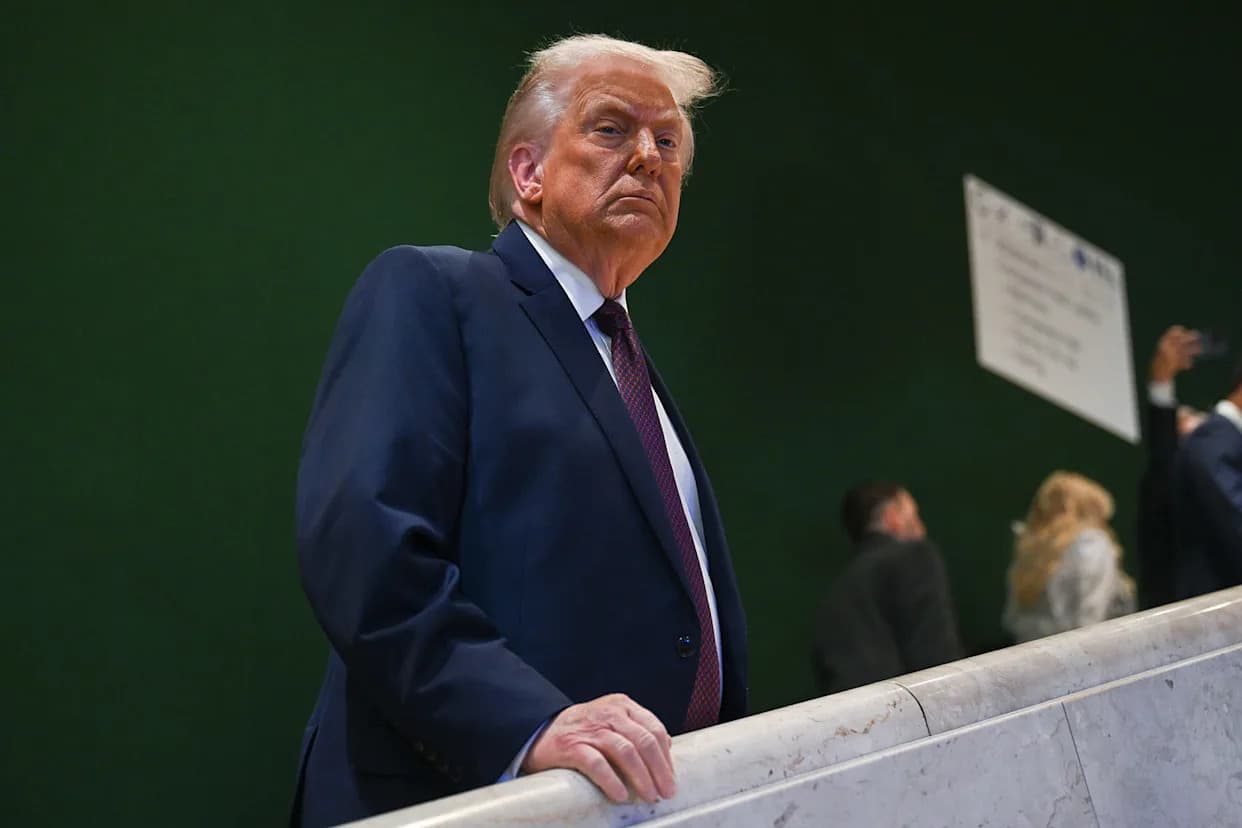
President Trump returns to Iowa to rally voters in districts he won in 2024 but where House Republicans hold narrow margins. The visit combines economic messaging with in-person outreach as the White House confronts economic and immigration-related headwinds. Democrats plan to use the stop to tie vulnerable Republicans to Trump, while GOP allies say the visits help explain trade, energy and rural-health gains for Iowans. The trip is part of a broader strategy to boost turnout in previously carried but now competitive districts.
Trump Returns to Iowa to Rally Voters as GOP Defends Narrow House Seats
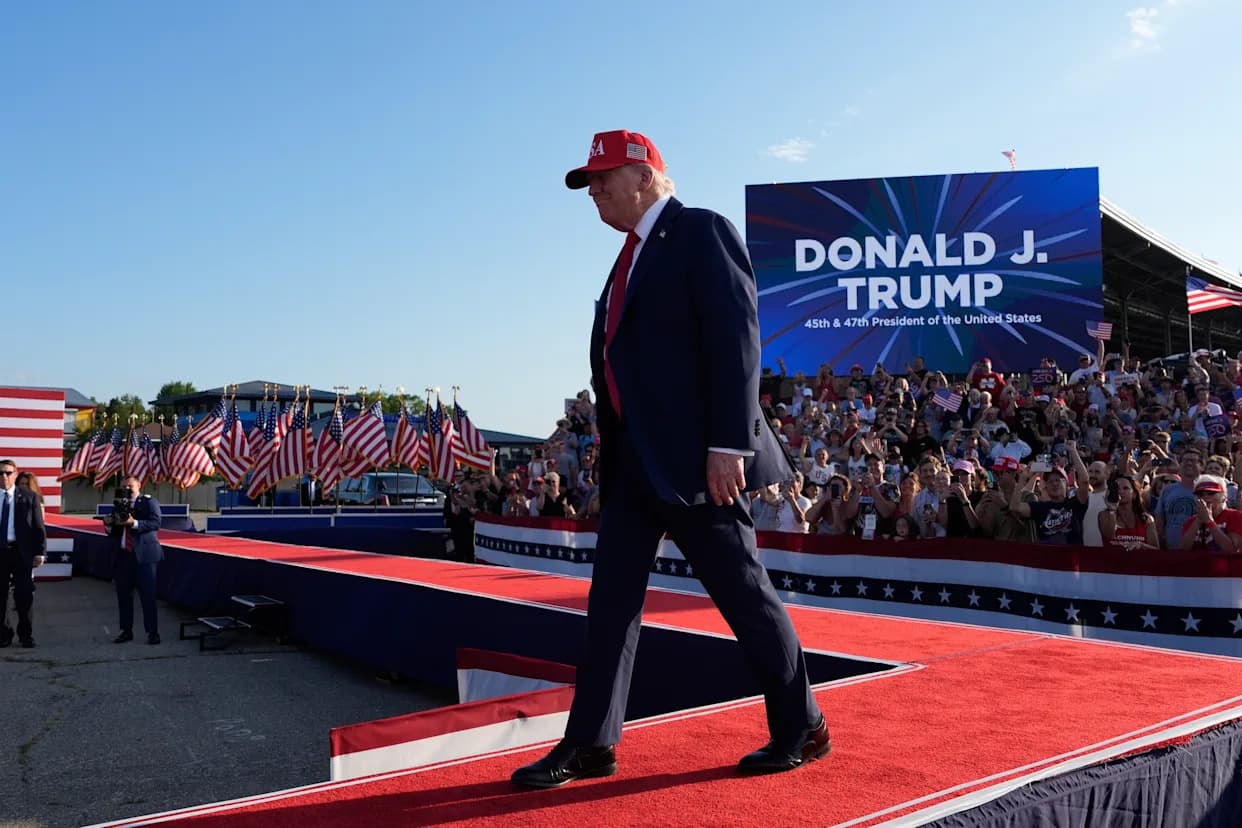
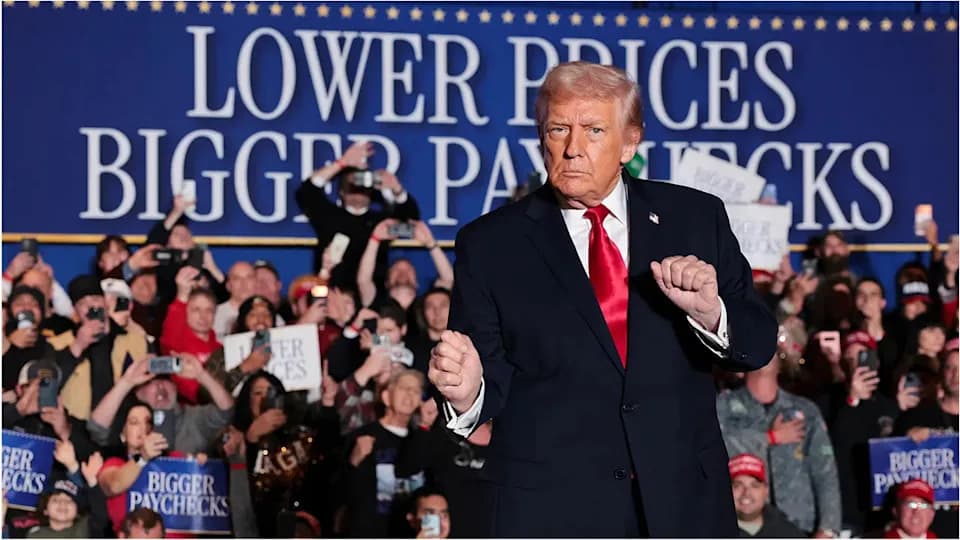
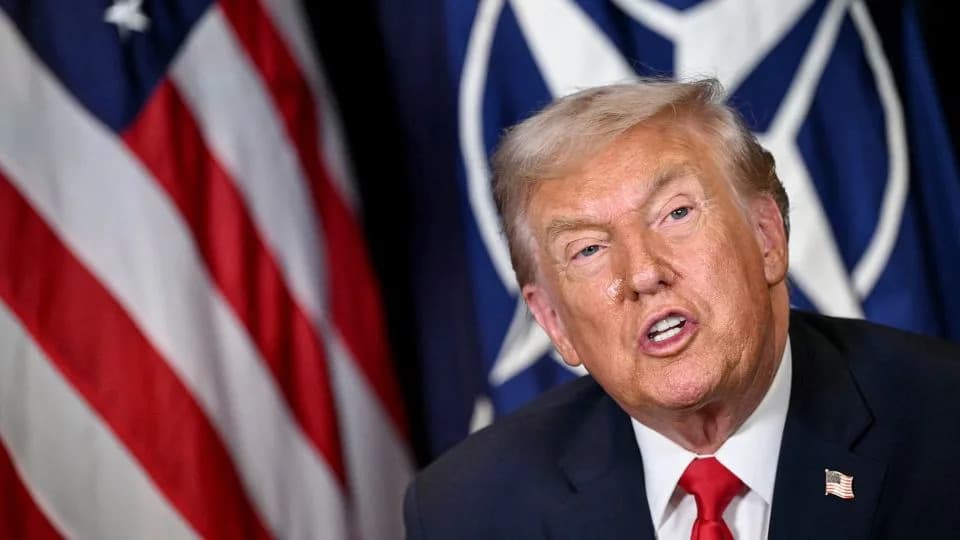
President Donald Trump is returning to one of his most reliable political stages — Iowa — in an effort to energize voters in districts he won in 2024 but where House Republicans now face unexpectedly tight races.
Why Iowa Matters
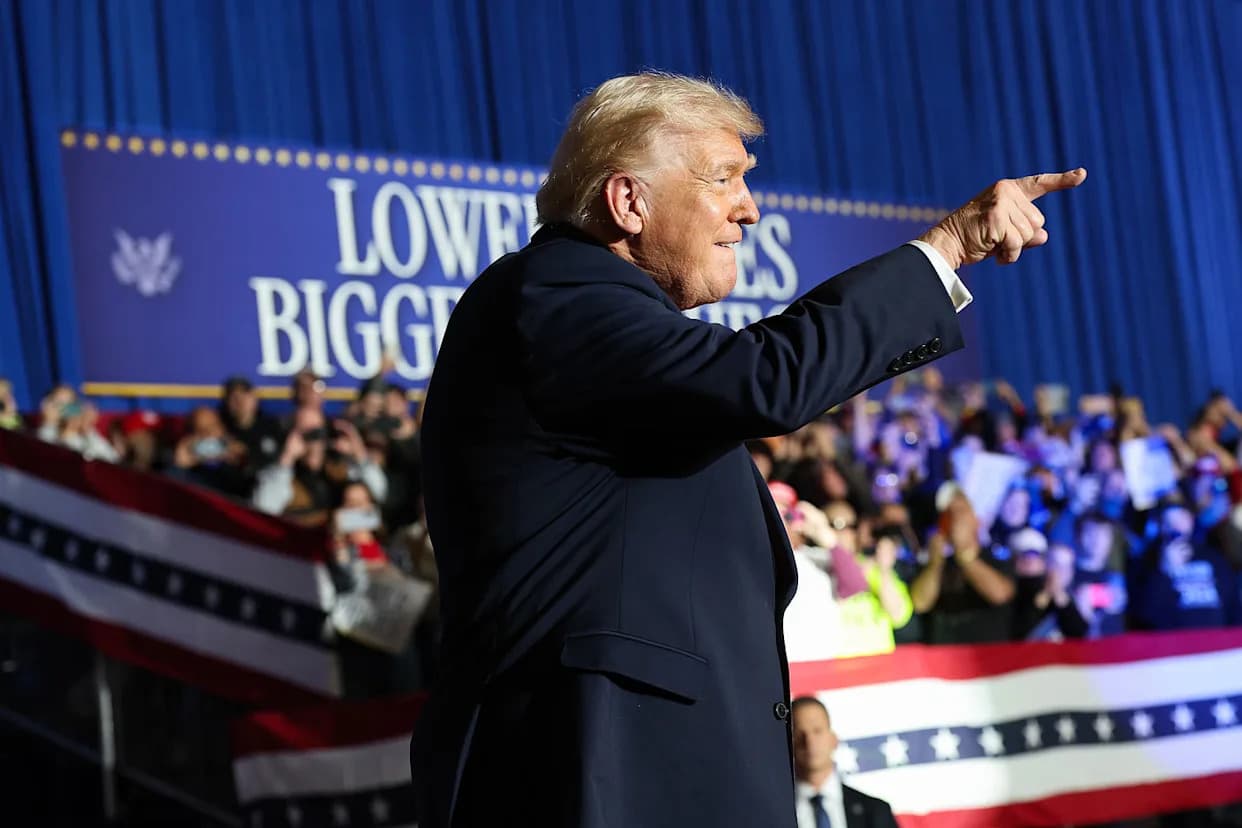
On Tuesday the president will visit suburbs of Des Moines to tour a local business, deliver remarks on the economy and meet with lawmakers. The stop is part of a broader White House strategy to deploy Trump into districts he carried last year to boost turnout in a midterm cycle when he is not on the ballot.
Political Stakes
The trip comes as the White House navigates several political headwinds: sagging approval ratings for Trump, continuing voter concern about the economy and renewed criticism over immigration policy. Those tensions were intensified by a weekend shooting of a protester in Minneapolis and by recent headline-grabbing foreign-policy moves, including a surprise operation in Venezuela and renewed comments about Greenland.
What the White House Will Emphasize
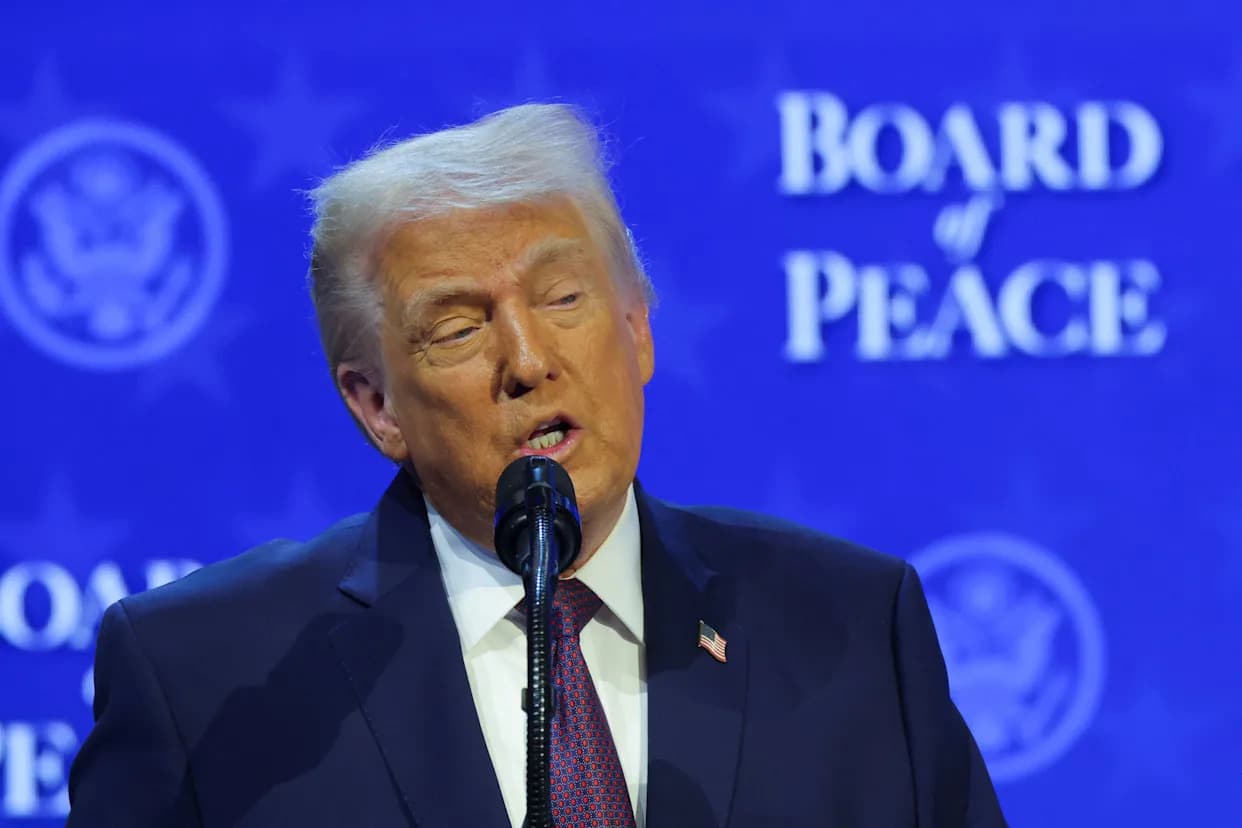
A White House official speaking on background said Trump will highlight "how this administration has and continues to deliver economic prosperity for the American people, despite whatever contrived scandals the mainstream media and Democrats would rather focus on instead." The official added that "inflation has cooled, economic growth is accelerating, and real wages are up for American workers."
Local Math and Strategy
Republicans sent Trump to a specific kind of district: places he won decisively in 2024 but where House margins were slimmer. In Iowa’s 3rd District — the stop scheduled for Tuesday — Trump carried the district by about 4.5 percentage points in 2024; Rep. Zach Nunn won it by roughly 3.9 points. In another district, Rep. Mariannette Miller-Meeks held her seat by just 798 votes despite Trump’s larger margin there, underscoring why Iowa has become an early focus for both Democratic recruitment and Republican defensive planning.
How Both Sides Are Framing the Visit
Democrats plan to use the appearances to tie vulnerable incumbents to the president, arguing that in-person events highlight how closely local Republicans remain aligned with the White House. "The reality is that we are here in Iowa, where we're seeing the effects of Trump's policies, and it's not been positive," said Rita Hart, chair of the Iowa Democratic Party, citing rising health-care premiums and grocery costs.
Republican allies counter that the visits let the president explain how his policies translate into tangible benefits for Iowans. They point to trade and energy outcomes framed by the White House — including a claimed EUR/$750 billion energy purchase agreement with the EU, a reported commitment from China for large soybean purchases and a $209 million rural health grant for Iowa — as examples of how federal action delivers local results.
Political Trade-Offs
Strategists say the trips are double-edged: Trump’s presence can boost turnout among core supporters but may complicate races where independents and moderate voters decide close contests. Republican strategists argue the visits help reconnect the president with everyday voters and refocus him on domestic priorities; Democratic strategists say the appearances provide ammunition to portray GOP candidates as extensions of the White House.
"Injecting a little energy there, focusing the message … it’s a net benefit to have the president in town in a year when we know there are going to be some headwinds," said David Kochel, a longtime Iowa GOP strategist.
Bottom Line
The Iowa stop is part of a broader midterm playbook: send the president into competitive, previously carried districts to shore up turnout and reframe the political calculus ahead of fall elections. How much the visits move the needle in tightly contested seats — and whether they energize the base without alienating swing voters — will be a key test for both parties.
Help us improve.