Erfan Soltani, 26, arrested on January 10 in Fardis and earlier reported to face a death sentence, was released on bail this weekend, rights group Hengaw and state media said. He was charged with assembly and collusion against internal security and with propaganda-related offenses. Soltani's detention drew international attention amid a harsh government crackdown, a nationwide internet shutdown and disputed casualty reports. Authorities and rights monitors continue to contest details of arrests, sentences and casualty figures.
Iranian Protester Erfan Soltani Released On Bail After Execution Fears

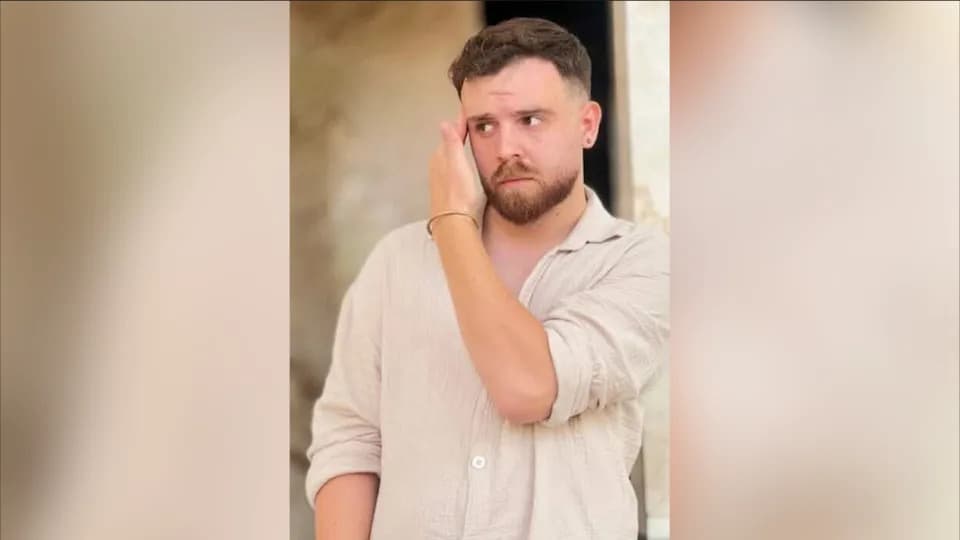
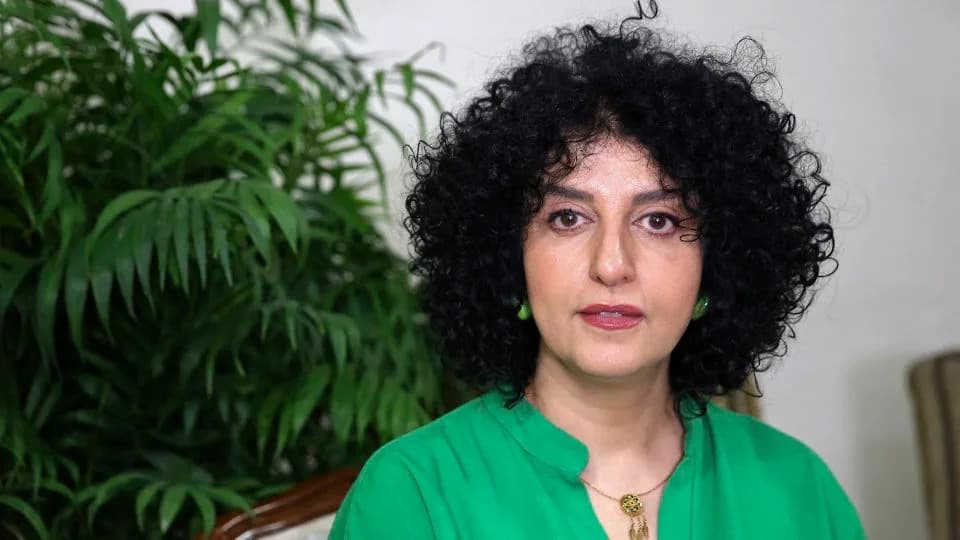
Iran prisoner Erfan Soltani - Obtained by CNN
Erfan Soltani, a 26-year-old detainee who had been reported to face a death sentence in connection with nationwide anti-government demonstrations, was released on bail over the weekend, human rights group Hengaw and state outlet Press TV reported.
Soltani was arrested on January 10 at his home in Fardis, roughly 25 miles west of Tehran. Iran's state broadcaster IRIB said he was charged with 'assembly and collusion against the country’s internal security' and 'propaganda activities' against the regime.
Following his arrest, the US State Department and a family member publicly warned that Iranian authorities intended to execute Soltani. Iran's judiciary dismissed those claims as 'fabricated news,' according to IRIB. Soltani's family later said any execution had been postponed.
Confirmation Of Release
On Saturday, Norway-based rights group Hengaw announced that Soltani had been freed on bail. The Iranian state outlet Press TV also confirmed the release in a Telegram post. Earlier reports from rights monitors and relatives — including a January 19 update that Soltani was in good physical health and able to meet with family — helped draw international attention to the case.
'He is an incredibly kind and warm-hearted young man who has always fought for the freedom of Iran,' a relative identified as Somayeh told CNN.
Wider Context
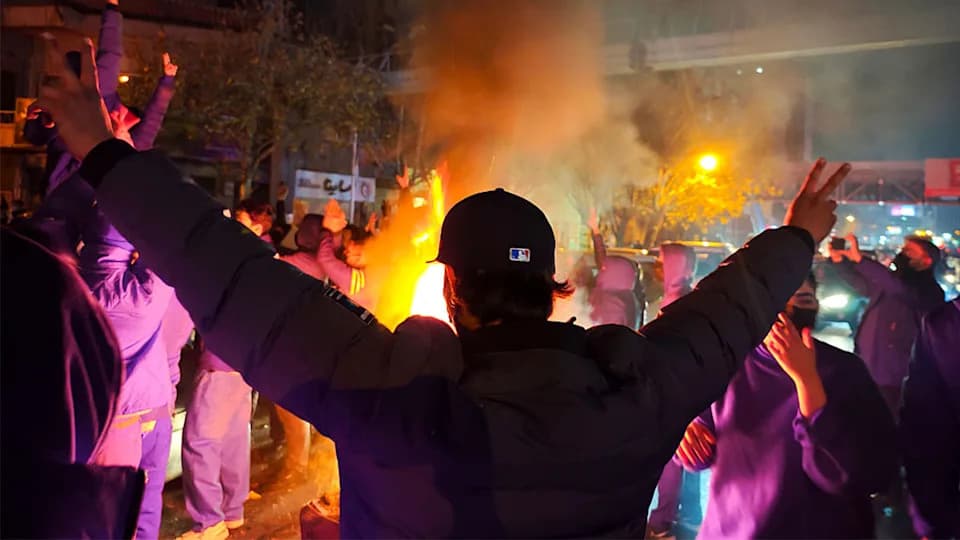
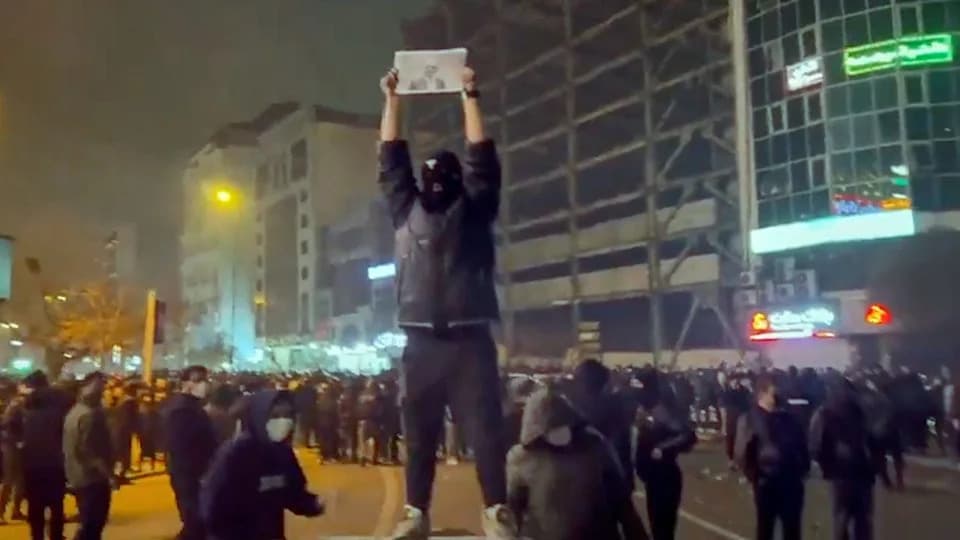
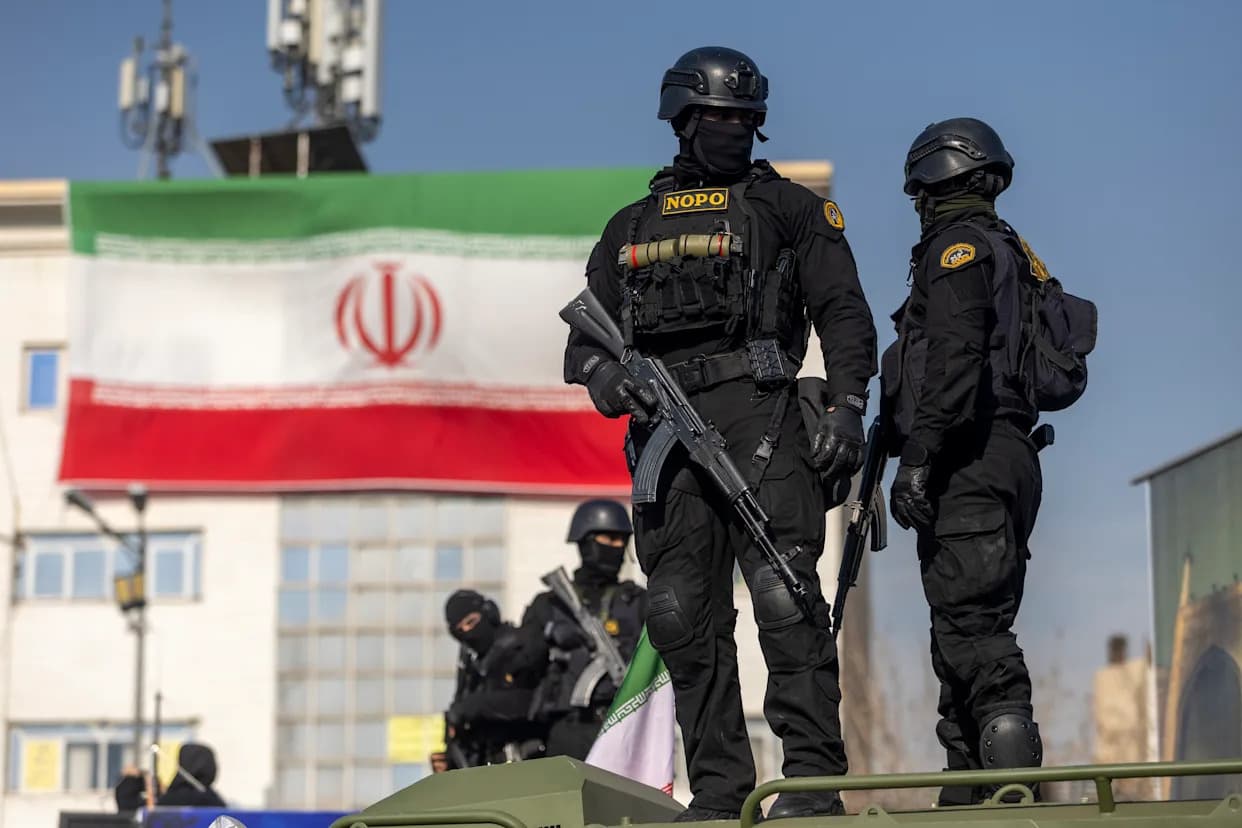
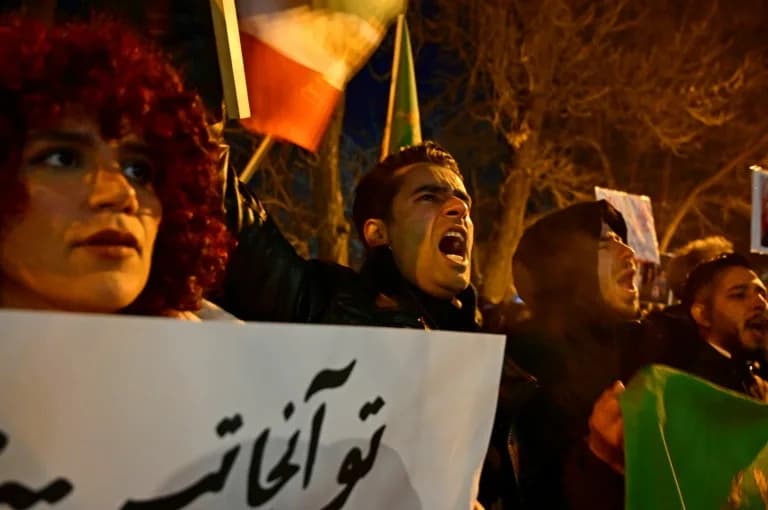
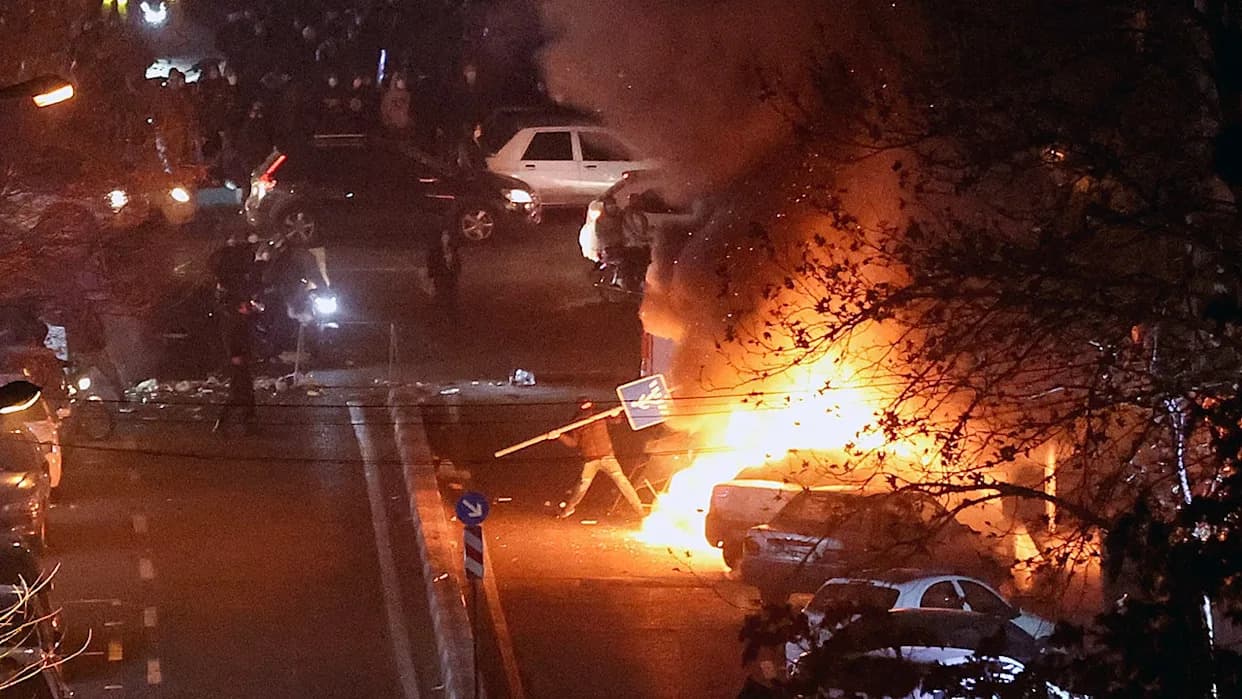
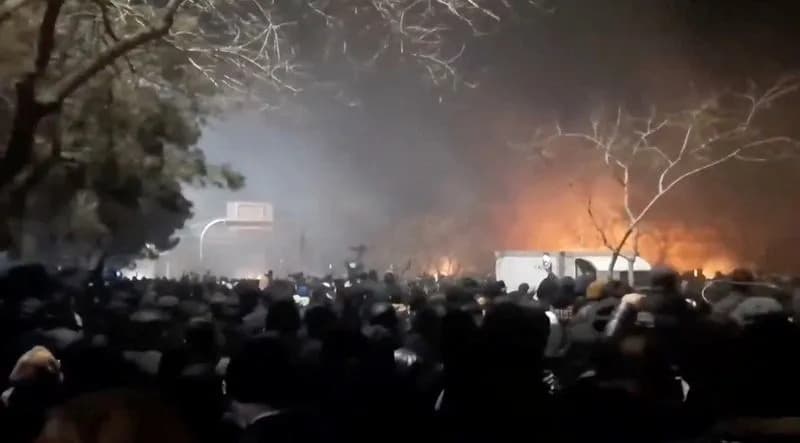
The case became emblematic of the broader unrest that erupted last month, when mass demonstrations prompted a heavy security response, a prolonged nationwide internet shutdown, and widespread reports of violence by security forces. The US-based Human Rights Activists News Agency (HRANA) reported more than 6,400 protesters killed and over 1,000 arrested, with an additional 11,280 deaths under review; CNN and other international outlets have said these figures could not be independently verified.
Tensions between Tehran and Washington rose amid the unrest. US President Donald Trump publicly warned Iran against executing protesters and said he had received assurances that executions were not planned; he also urged demonstrators to keep up pressure. Separately, reports indicated US officials were considering stronger measures against Iran, and Tehran's leadership has warned that any military strike would provoke a regional response.
Iran maintains one of the world's highest execution rates and has previously executed protesters following periods of unrest. Human rights groups continue to monitor Soltani's case and other detentions closely.
Help us improve.