Episode 195 of This Week In Space features Gerald D. Griffin reflecting on NASA's three deadliest crewed-flight accidents: Apollo 1 (Jan. 27, 1967), Challenger STS-51L (Jan. 28, 1986), and Columbia (Feb. 1, 2003). Griffin combines first-hand accounts with analysis of the technical failures and organizational lessons that reshaped safety at NASA. The episode also notes a delay to an Artemis 2 fueling test due to below-freezing temperatures; officials set activities for no earlier than Feb. 8. Listen at the show's page on TWiT.
This Week In Space — Episode 195: Remembering Apollo 1, Challenger, and Columbia (With Gerald D. Griffin)
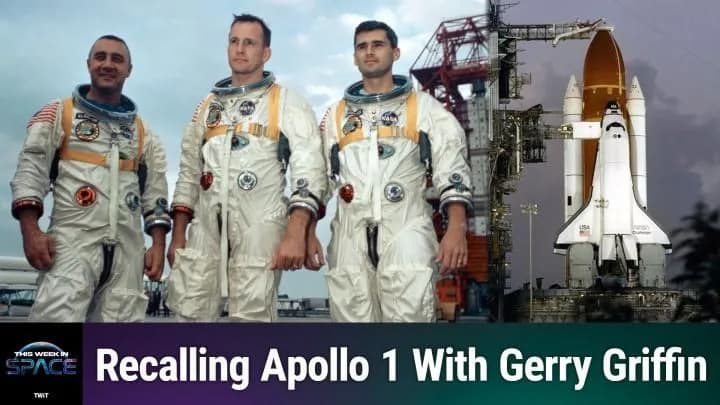
Credit: TWiT
On Episode 195 of This Week In Space, hosts Rod Pyle and Tariq Malik are joined by Gerald D. Griffin, former Apollo Flight Director and one-time Director of NASA's Johnson Space Center, for a solemn look back at three of NASA's most consequential tragedies and the lessons they left behind.
About This Episode
Griffin brings decades of operational experience and a personal perspective to a discussion that honors the lost crews while examining how each accident changed the way NASA approaches human spaceflight. This episode frames the technical failures alongside the organizational lessons that followed.
Remembering the Accidents
Apollo 1 (Jan. 27, 1967) — During a ground test at Cape Kennedy (now Cape Canaveral), a cabin fire claimed the lives of astronauts Virgil "Gus" Grissom, Ed White, and Roger B. Chaffee. The tragedy prompted a full redesign of the Command Module and major procedural and safety changes across the Apollo program.
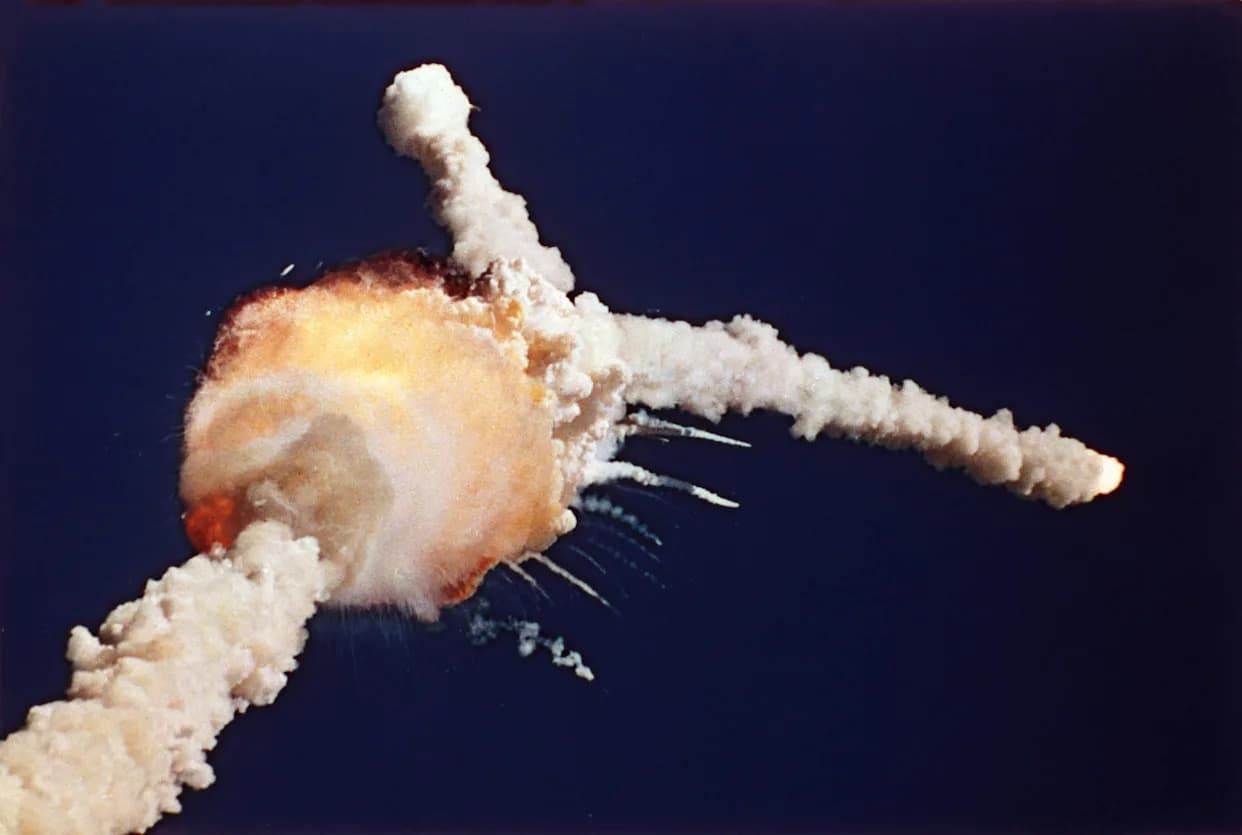
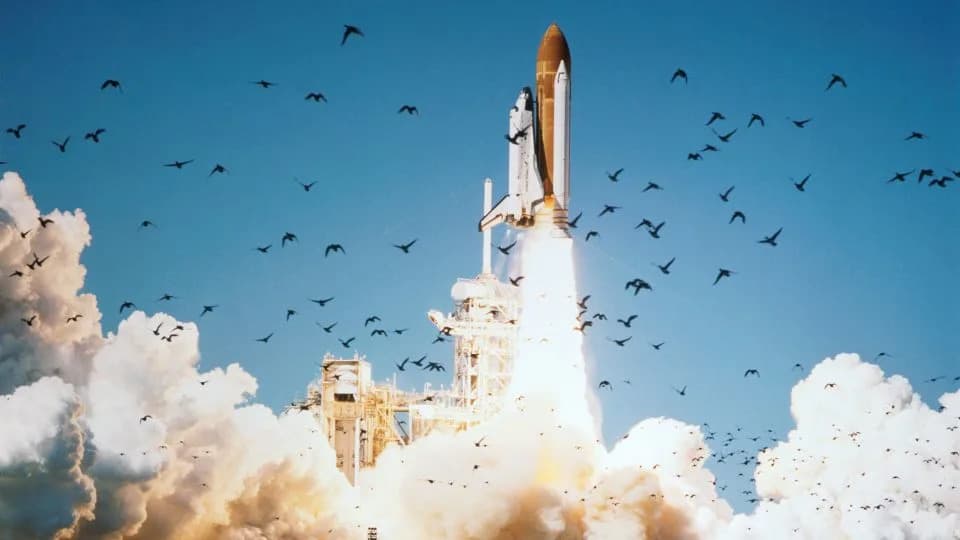
Challenger STS-51L (Jan. 28, 1986) — Challenger broke apart shortly after liftoff, killing all seven crew members. Investigations showed that an O-ring failure in a solid rocket booster, exacerbated by unusually cold temperatures, and organizational shortcomings contributed to the disaster.
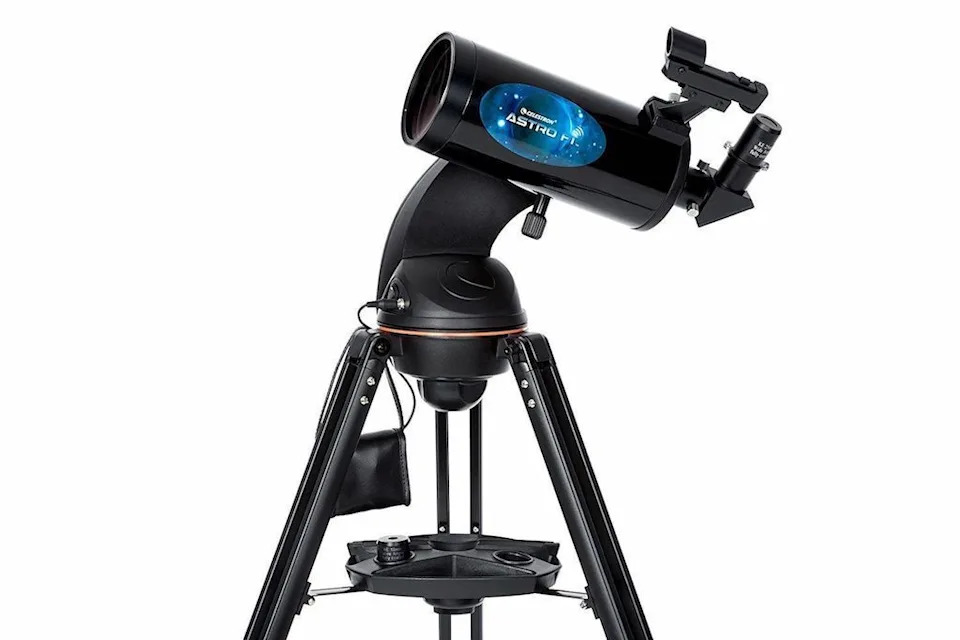
A Celestron telescope on a white background
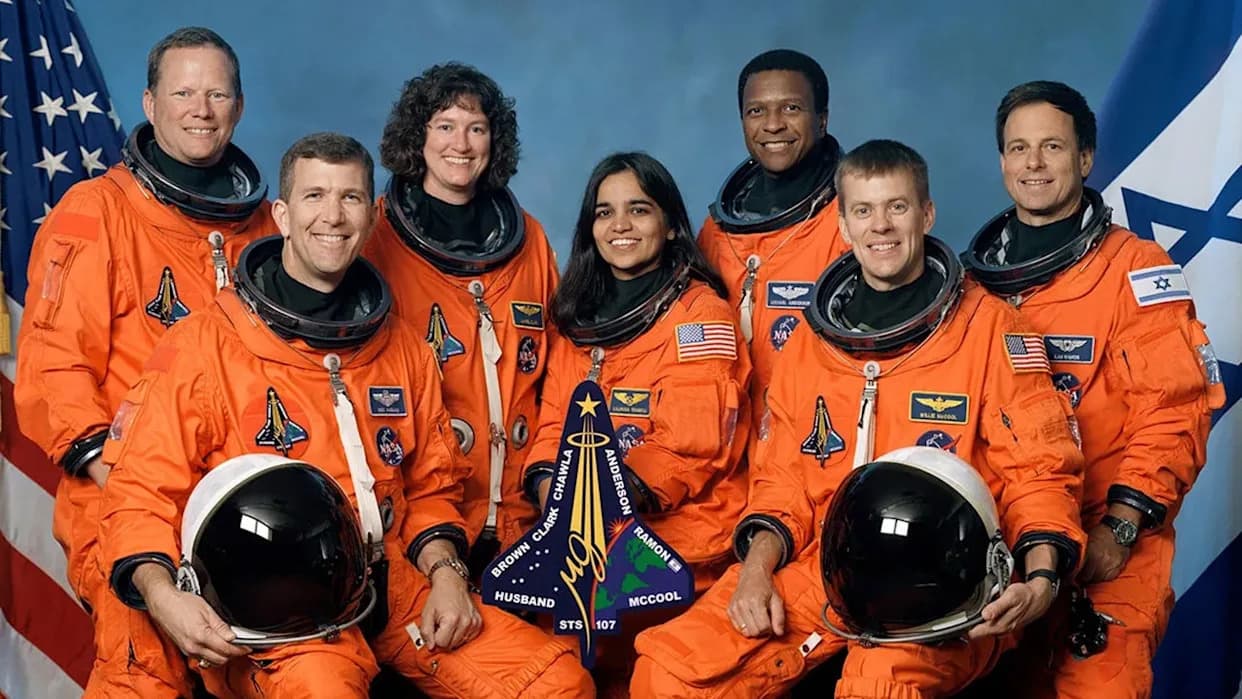
Columbia (Feb. 1, 2003) — During reentry, Columbia's heat-shielding was compromised by foam strike damage sustained during ascent, leading to the vehicle's breakup and the loss of seven crewmembers. The Columbia Accident Investigation Board highlighted both technical vulnerabilities and cultural issues at NASA.
Lessons and Legacy
Across these events, the episode emphasizes common themes: the interplay of technical design and human factors, the need for rigorous testing and transparent communication, and how institutional culture shapes safety outcomes. Griffin reflects on how painful lessons drove improvements in hardware, procedures, and organizational oversight that continue to influence current programs.
Related News
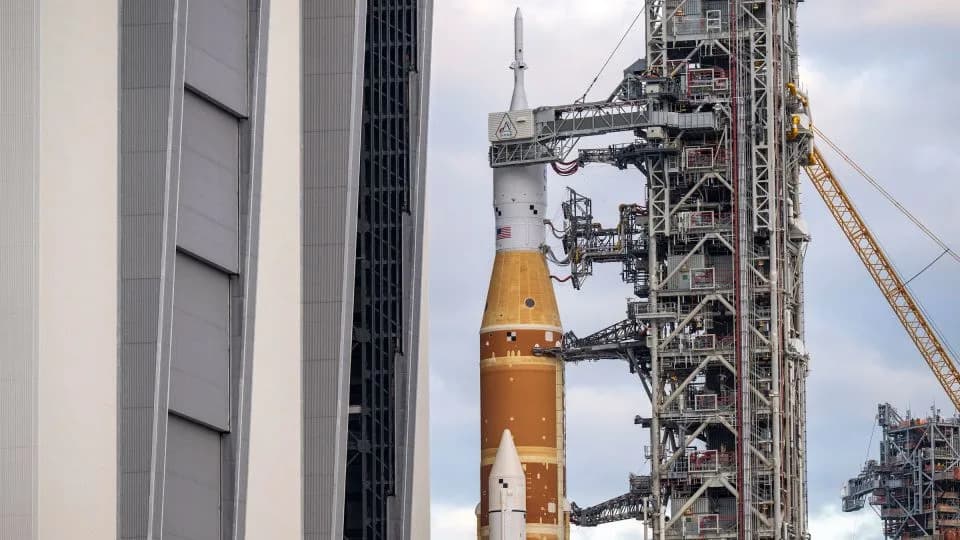
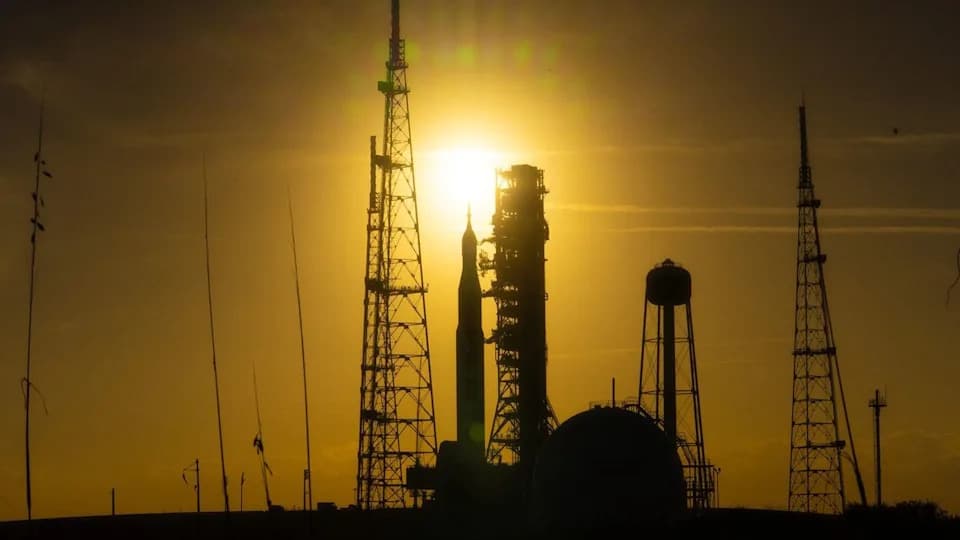
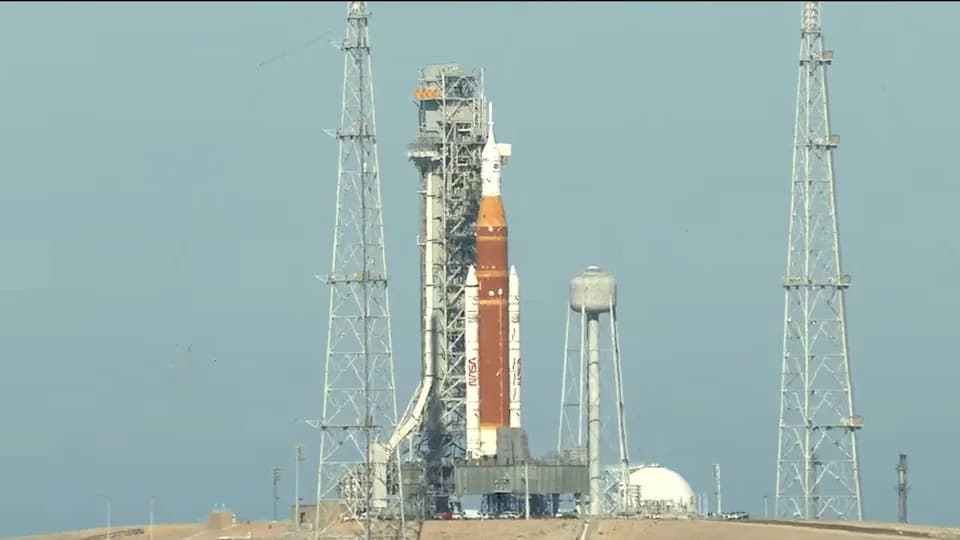
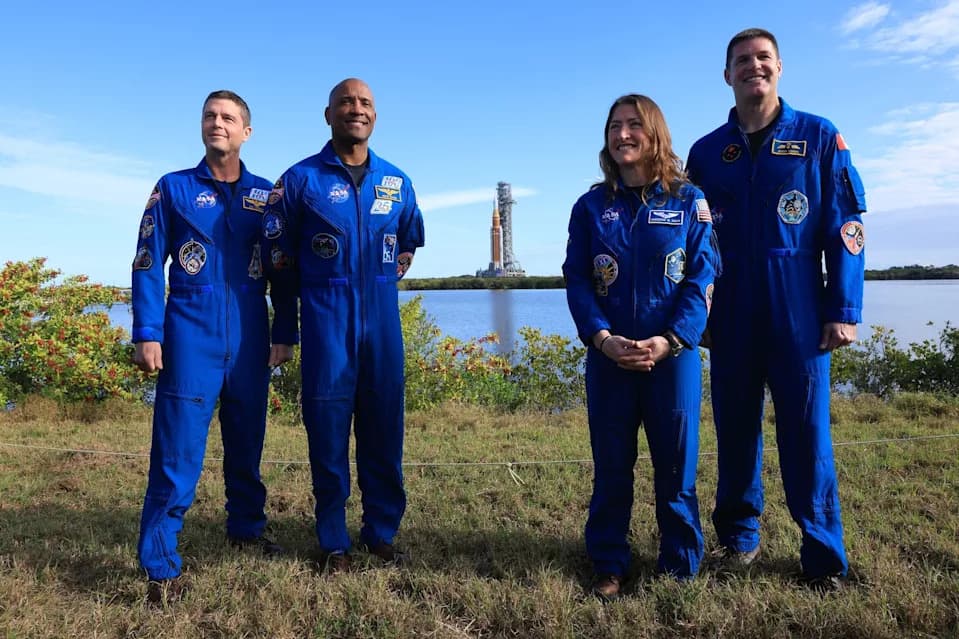
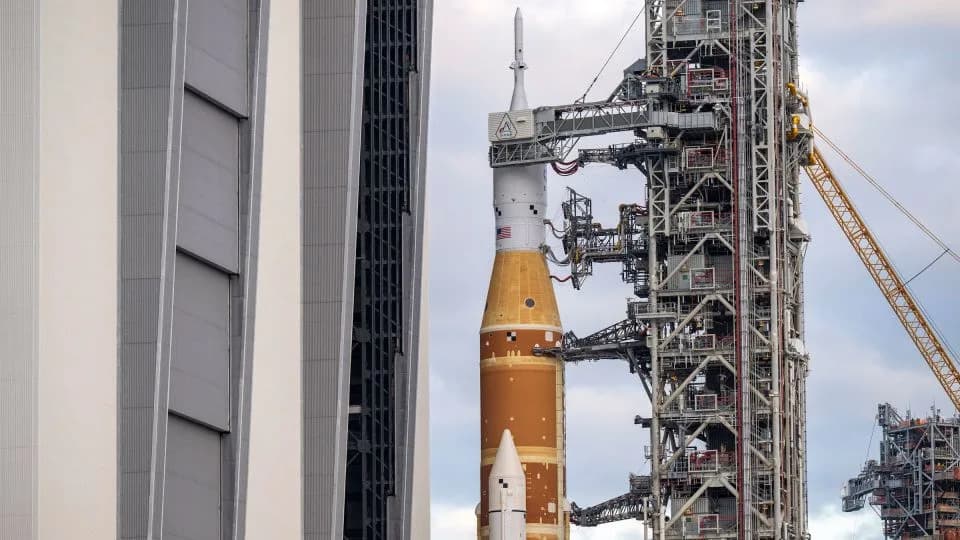
Noted during the episode release window: NASA postponed a critical Artemis 2 rocket fueling test because temperatures dropped below freezing. Officials said the test and related launch activities would not occur earlier than Feb. 8.
Listen and Subscribe
To hear this remembrance and the full conversation with Gerald D. Griffin, download or subscribe to This Week In Space at https://twit.tv/shows/this-week-in-space. The show airs weekly and examines developments in the new era of space exploration, from lunar plans to crewed Mars ambitions.
Related Picks
For readers interested in stargazing or scale modeling, the episode notes resources such as the Celestron Astro Fi 102 beginner telescope and a launchable Estes Falcon 9 scale model.
This episode is a thoughtful tribute to lost crews and a clear-eyed discussion about how tragedy has informed safer practices in human spaceflight.
Help us improve.