The Challenger shuttle disaster ended the Teacher in Space Project but sparked a powerful educational legacy. Crew families founded the Challenger Center, which now runs 32 U.S. centers and virtual programs that have reached over 7 million students. Educator-astronauts and alumni-led outreach continue to inspire STEM careers, keeping Christa McAuliffe’s mission to make space accessible to students alive.
40 Years After Challenger: Christa McAuliffe’s Mission Lives On Through Education
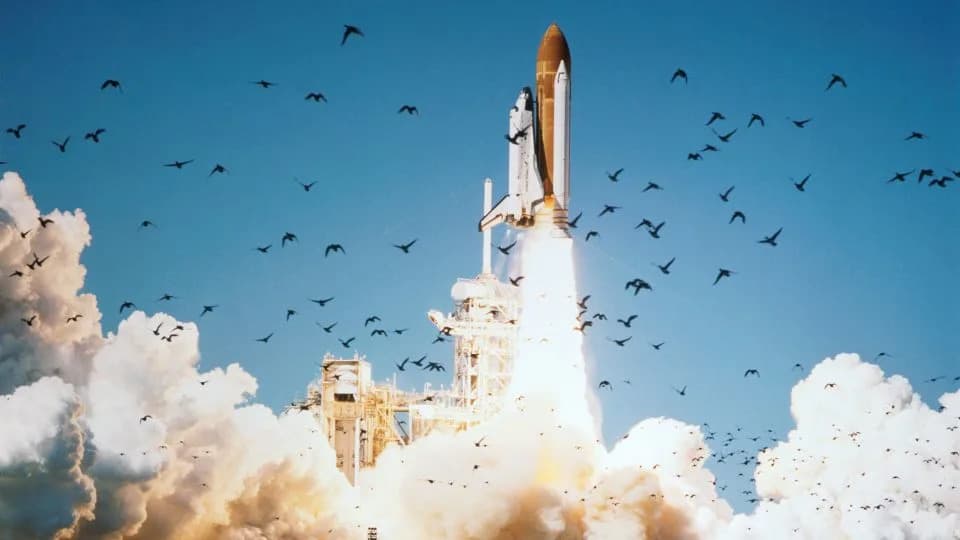
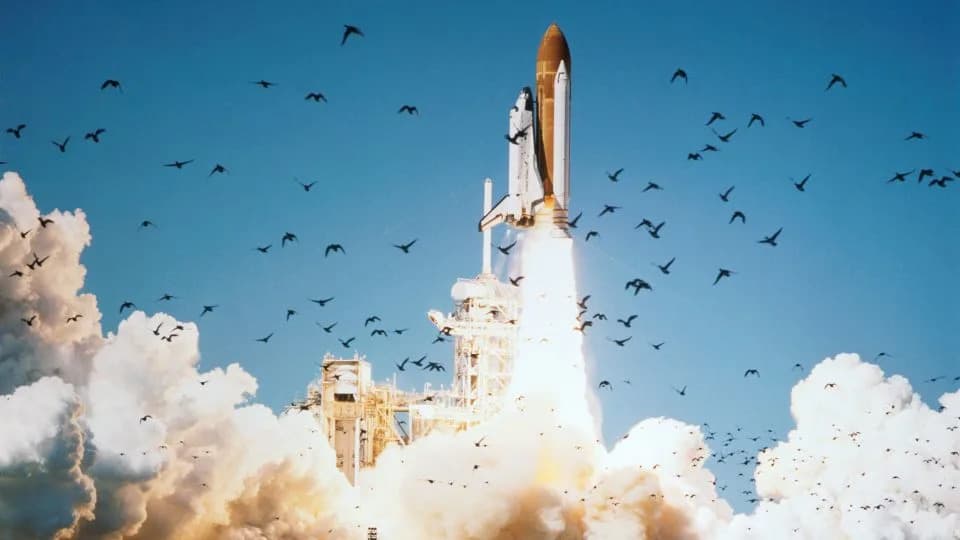
The space shuttle Challenger lifted off on January 28, 1986. An explosion 73 seconds after liftoff claimed the lives of the crew. - NASA
Forty years after the Space Shuttle Challenger disaster, the educational mission that Christa McAuliffe carried to orbit continues to inspire students and shape STEM careers across the globe. What began as a tragic loss helped spark a lasting legacy: the Challenger Center for Space Science Education and a new generation of educator-astronauts, outreach programs and immersive learning experiences.
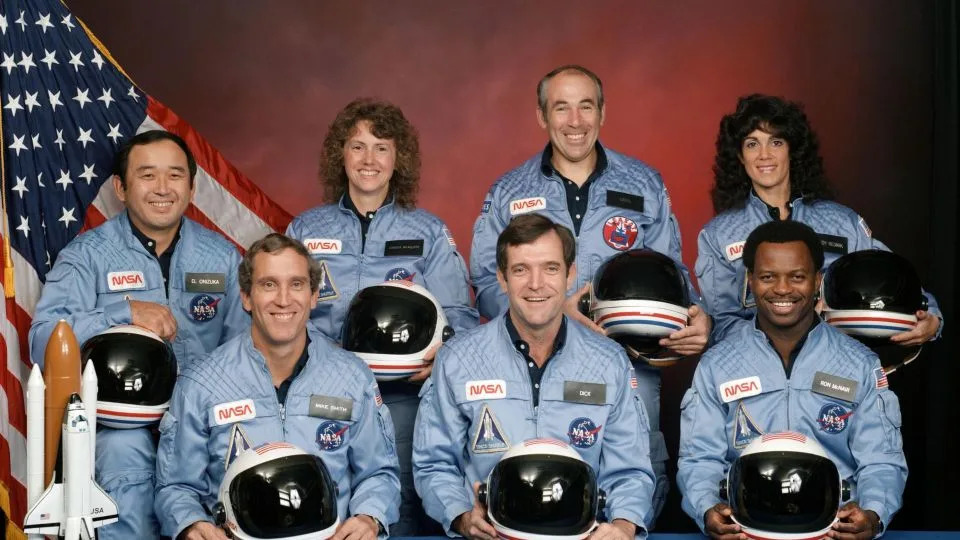
Challenger crew members (left to right, front row) Michael J. Smith, Francis R. (Dick) Scobee and Ronald E. McNair, (back row, left to right) Ellison S. Onizuka, Sharon Christa McAuliffe, Gregory Jarvis and Judith A. Resnik pose together in December 1985. - NASA
Christa McAuliffe And The Teacher In Space Project
Christa McAuliffe, a high school teacher selected for NASA’s Teacher in Space Project, told reporters before the flight that she hoped the mission would “open up the idea that space is for everybody.” The six-day mission planned to deploy and retrieve an astronomy experiment to observe Halley’s Comet and to broadcast lessons from orbit, aiming to spark students’ curiosity about science.
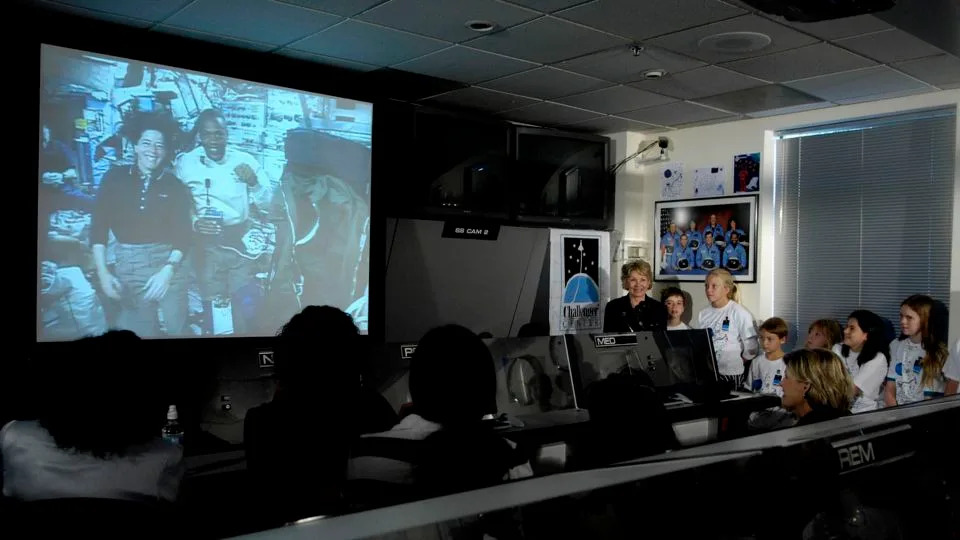
Dr. June Scobee Rodgers, founder of the Challenger Center, greets astronauts Barbara Morgan and Benjamin Drew Jr. during a live downlink for students at the center on August 16, 2007. - Paul E. Alers/NASA
The Disaster And A New Purpose
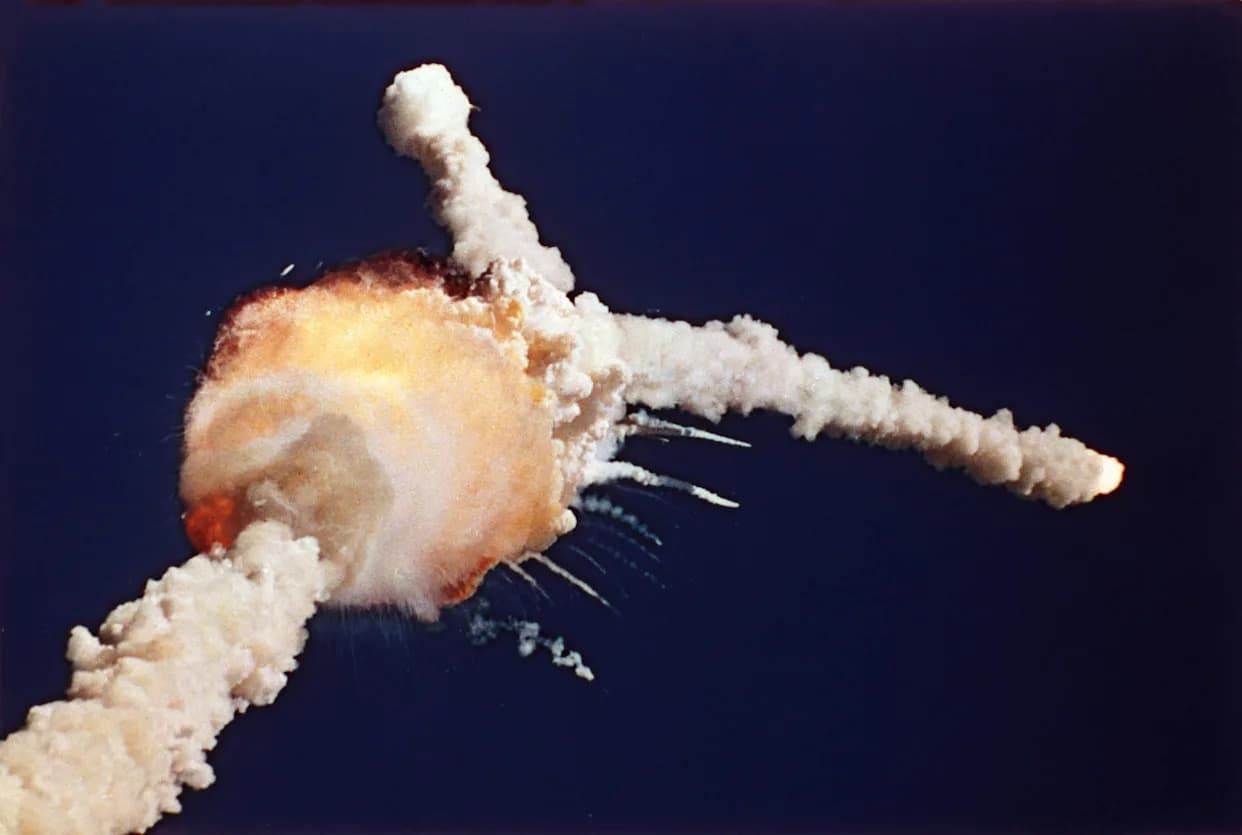
Seventy-three seconds after liftoff on January 28, 1986, Challenger broke apart, killing all seven people on board: Commander Francis R. "Dick" Scobee, Pilot Michael J. Smith, Mission Specialists Judith A. Resnik, Ellison S. Onizuka and Ronald E. McNair, Payload Specialist Gregory B. Jarvis, and Christa McAuliffe. The explosion was witnessed live by millions of students, teachers and families watching television.
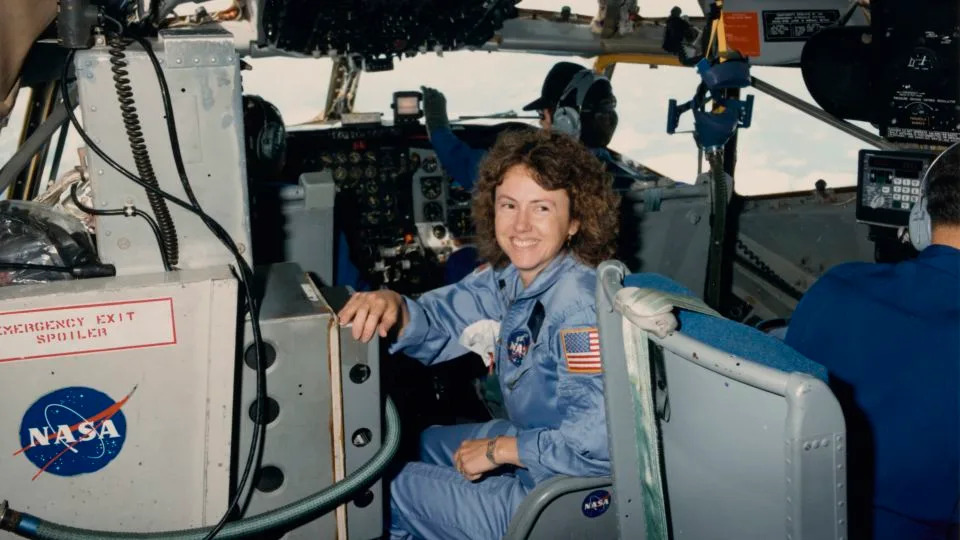
Christa McAuliffe smiles before participating in zero gravity rehearsals in October 1985. - Space Frontiers/Hulton Archive/Getty Images
In the months that followed, crew families chose to honor their loved ones by continuing the educational work McAuliffe and her crewmates had championed. Dr. June Scobee Rodgers, the widow of Commander Scobee, described a conversation with then-First Lady Nancy Reagan that sparked the idea: could the families remember the crew by making education their mission?
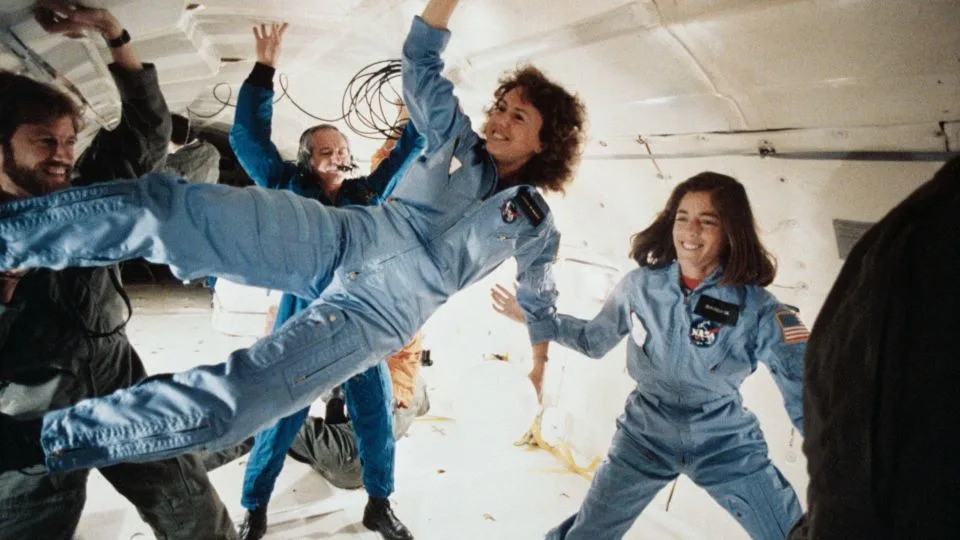
The two representatives of the Teacher in Space Program, McAuliffe (left) and Morgan (right) conducted zero gravity training to prepare for future missions. - Keith Meyers/New York Times/NASA
“Can we remember our loved ones by continuing their mission and make it an education mission?” — Dr. June Scobee Rodgers
The Challenger Center And Its Reach
In April 1986 the families founded the Challenger Center for Space Science Education. The first center opened in Houston in 1988. Today the nonprofit runs 32 centers across the United States, offers virtual programs and free classroom lesson plans, and estimates it has reached more than 7 million students worldwide. The centers provide immersive STEM experiences such as simulated space missions, designed to build content confidence, teamwork and problem-solving under pressure.
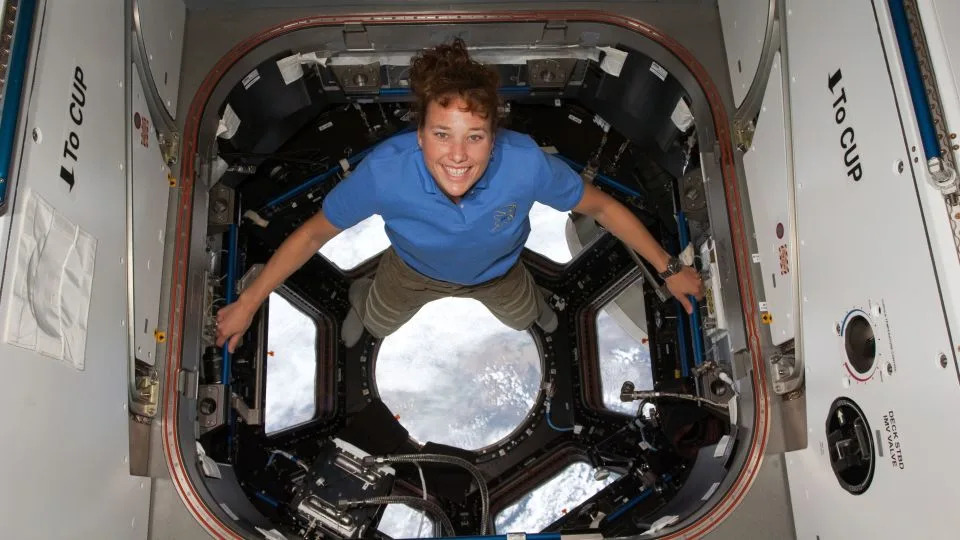
Dottie Metcalf-Lindenburger poses for a photo in the cupola of the International Space Station on April 17, 2010, while space shuttle Discovery remains docked with the station. - NASA
Educator-Astronauts And Alternative Paths To Orbit
Although the original Teacher in Space Project ended after Challenger, other pathways emerged for educators to engage directly with spaceflight and outreach. Barbara Morgan, McAuliffe’s backup, remained active in NASA education work and later joined the astronaut corps; she flew to the International Space Station in 2007.
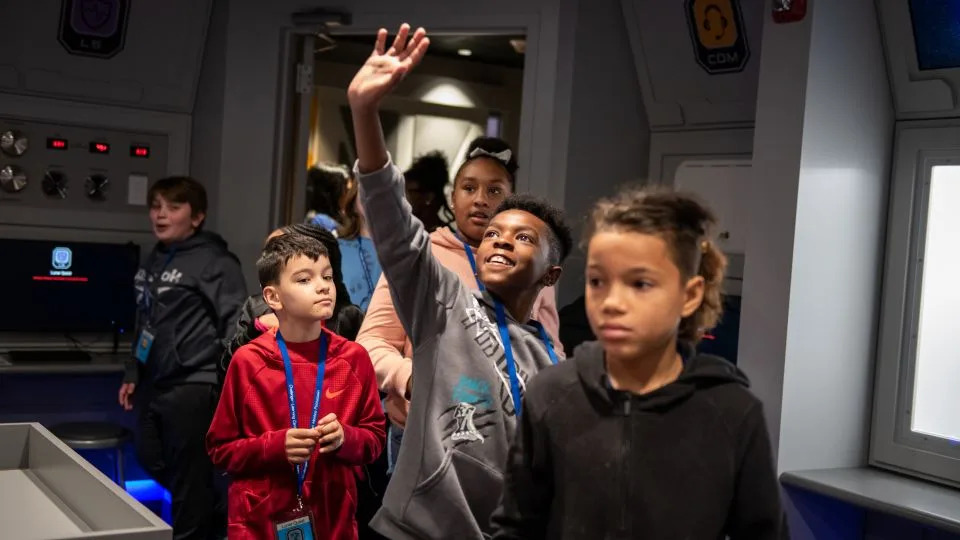
Students explore a simulation room in the Challenger Learning Center in Pottstown, Pennsylvania. - Challenger Center
In 2004 NASA launched the Educator Astronaut Project, selecting teachers to become fully trained astronauts. Dottie Metcalf-Lindenburger, Joseph Acaba and Richard "Ricky" Arnold were among those chosen. They continued the kind of classroom-facing outreach McAuliffe had planned; Acaba and Arnold helped bring science lessons to life aboard the ISS, and Metcalf-Lindenburger flew to the station in 2010 before continuing education work and serving on the Challenger Center board.
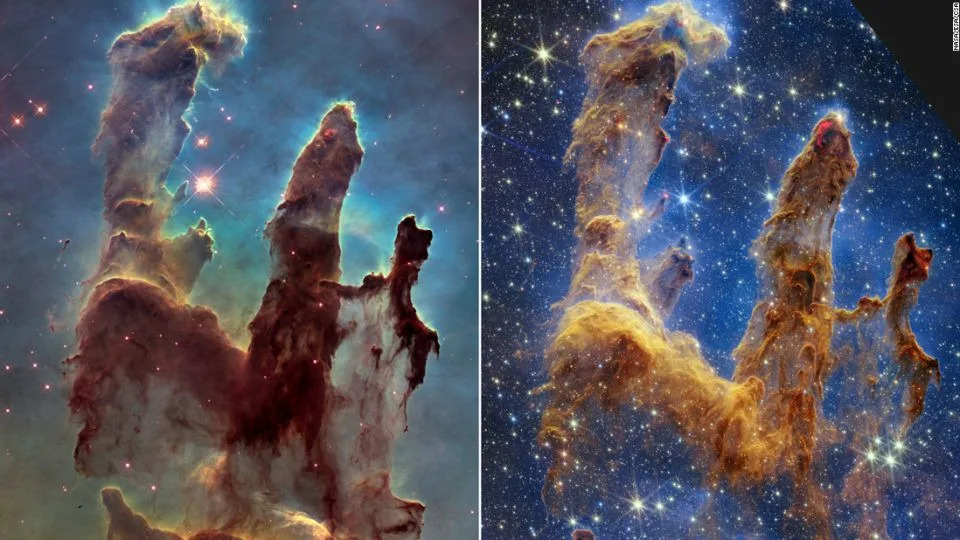
Hubble (left) and Webb each captured very different perspectives of the Pillars of Creation. - NASA/ESA/CSA
From Field Trips To Careers
Former students who experienced Challenger Center simulations credit those programs with guiding them into STEM careers. NASA engineer Kenneth F. Harris II describes a field trip to a Challenger Center as a formative memory that revealed the skills needed for space work. Harris later interned at NASA, contributed to the James Webb Space Telescope integration, and now mentors the next generation.
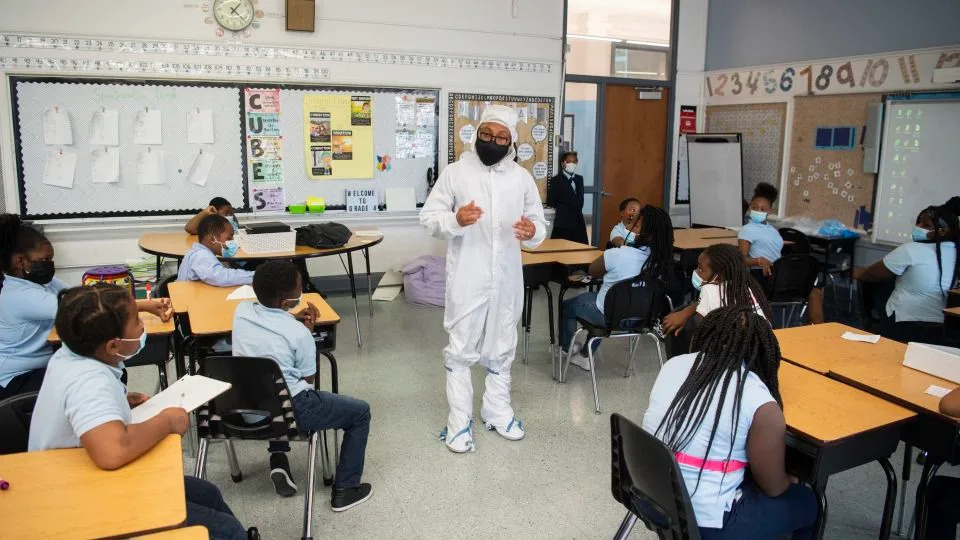
Kenneth Harris II is seen in a bunny suit, worn during spacecraft assembly to prevent contamination, as he speaks with students on November 18, 2021, at Garfield Elementary School in Washington, DC. - Joel Kowsky/NASA
Alumni and volunteers return to share stories of persistence and collaboration: struggles with coursework, retaken classes, internships, teamwork and mentorship that together enable complex missions. Those personal narratives reinforce the Center’s mission: discovery is collaborative and accessible.
Legacy And Looking Ahead
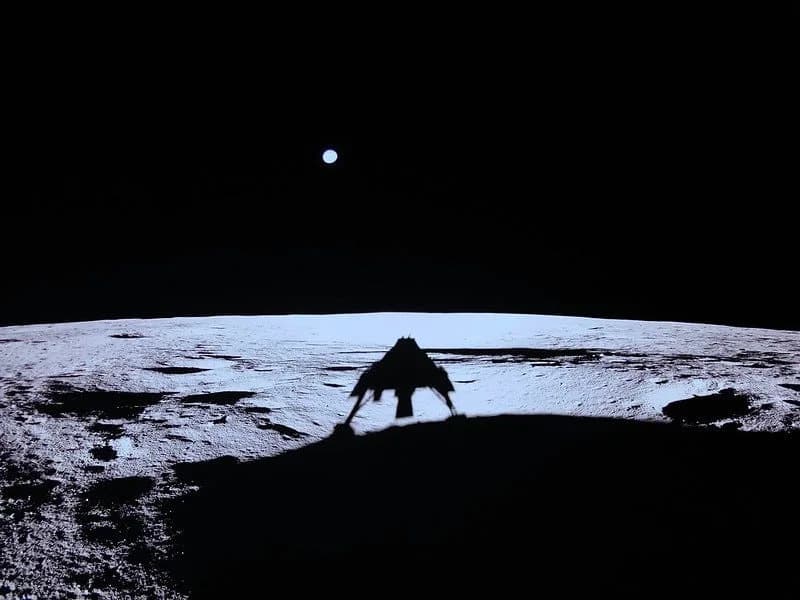
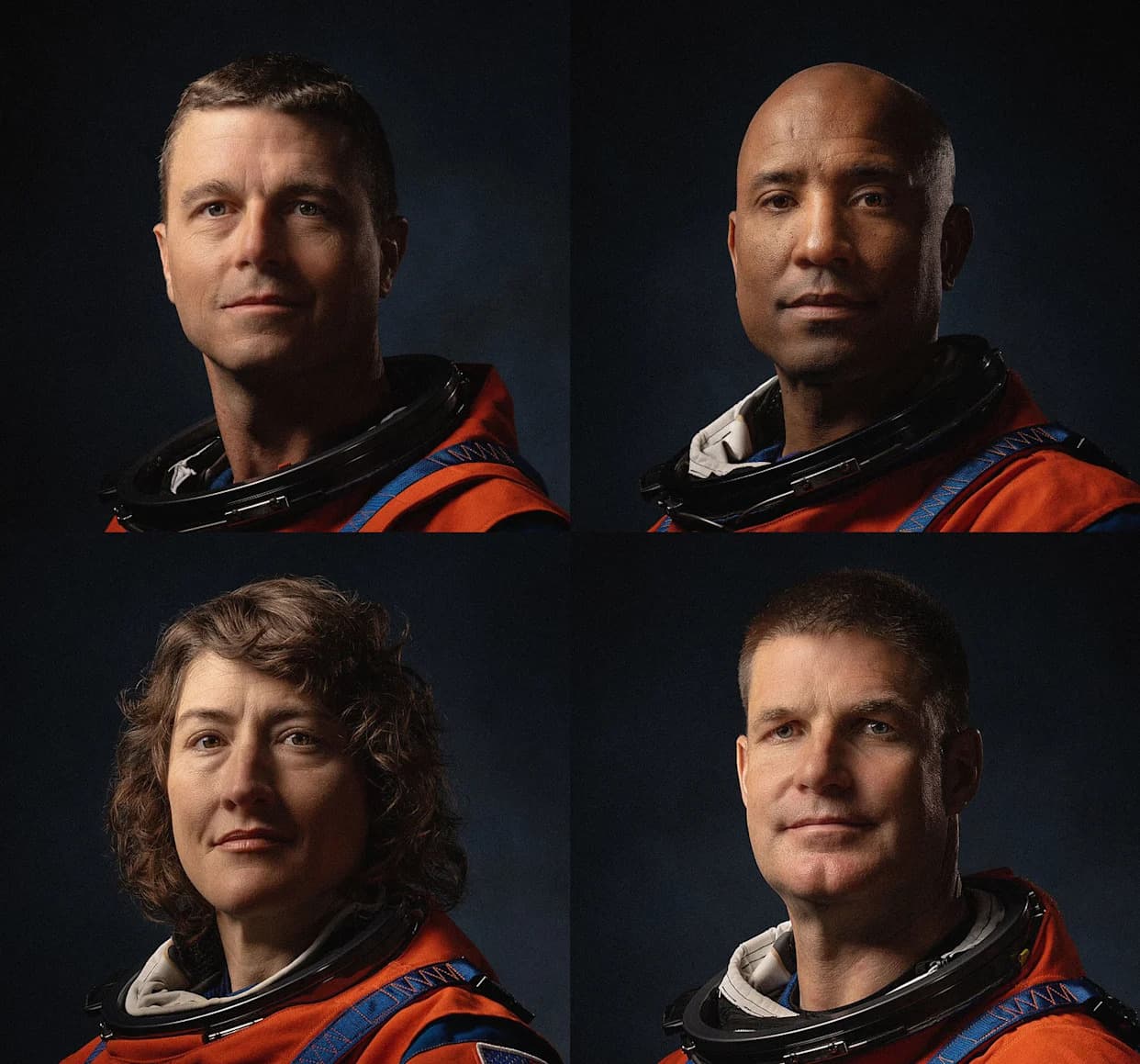
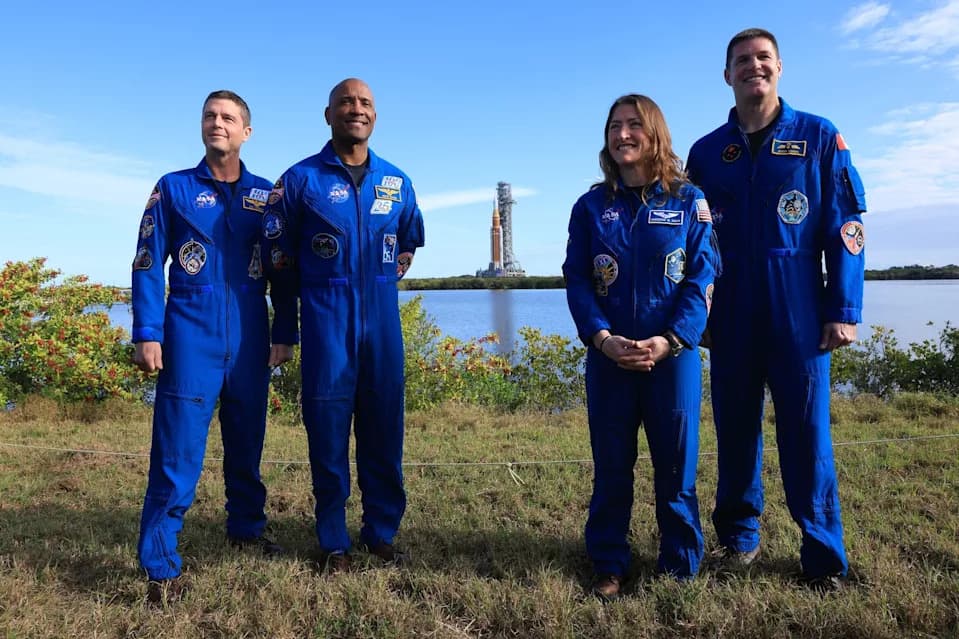
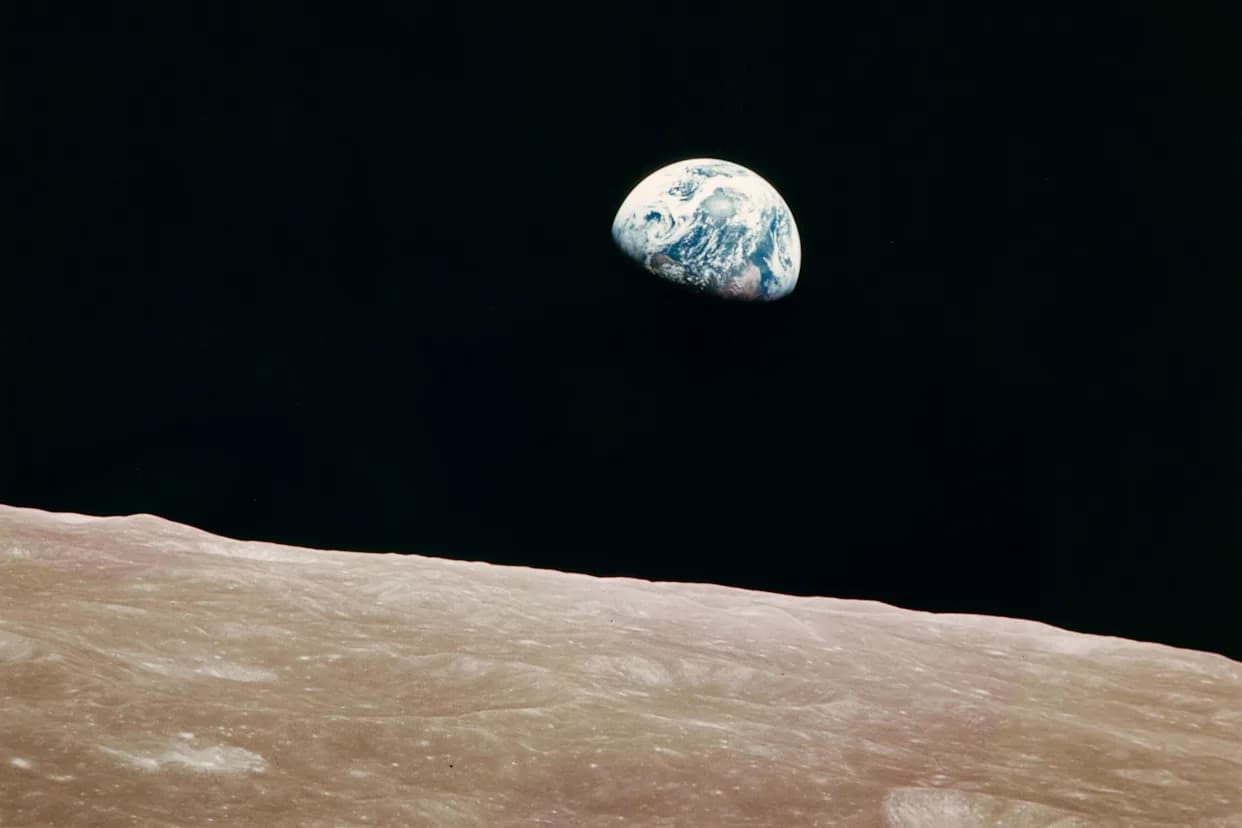
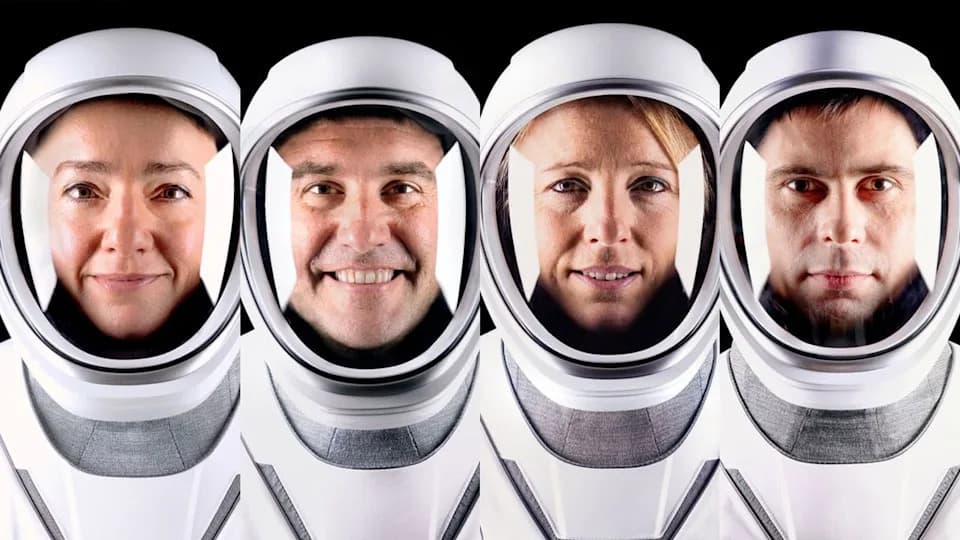
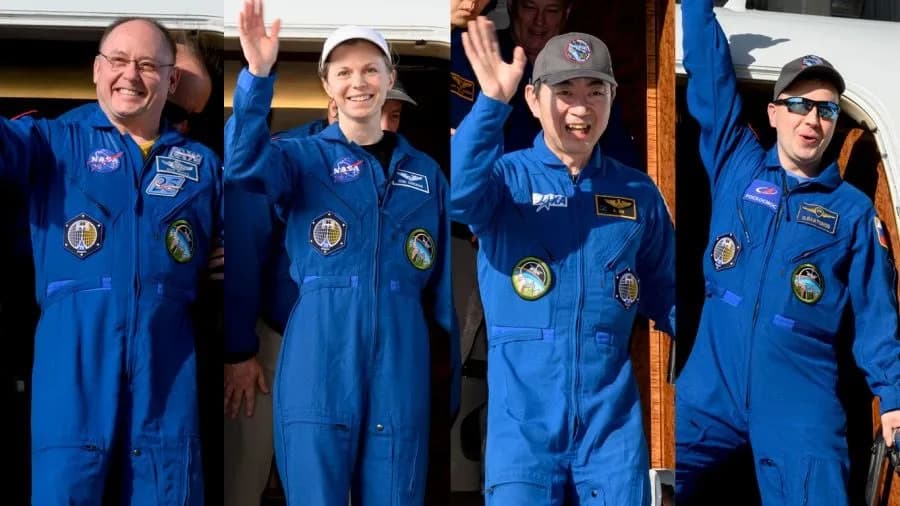
As human spaceflight evolves—commercial providers expand access and NASA prepares Artemis II for a lunar flyaround—preparing students, parents and educators to navigate diverse STEM pathways is more important than ever. The Challenger Center continues to add lesson plans and events to mark anniversaries and to help students explore space-related careers, keeping alive the spirit of outreach that McAuliffe embodied.
Today, the Challenger legacy is not only remembrance but action: immersive learning, educator-astronaut programs and community mentorship that turn tragedy into enduring educational opportunity.
Help us improve.