Mexico has pledged to supply a minimum of 350,000 acre-feet of Rio Grande water to the United States each year and agreed to a plan to repay outstanding delivery shortfalls from the prior cycle. The two countries will hold monthly meetings to monitor flows, improve predictability and prevent future deficits. Deliveries will remain conditional on hydrological conditions, with human consumption and agriculture prioritized. The move reaffirms commitments under the 1944 Water Treaty, which requires 1.75 million acre-feet every five years.
Mexico Agrees To Deliver Minimum 350,000 Acre-Feet of Rio Grande Water Annually, Pledges Repayment Plan
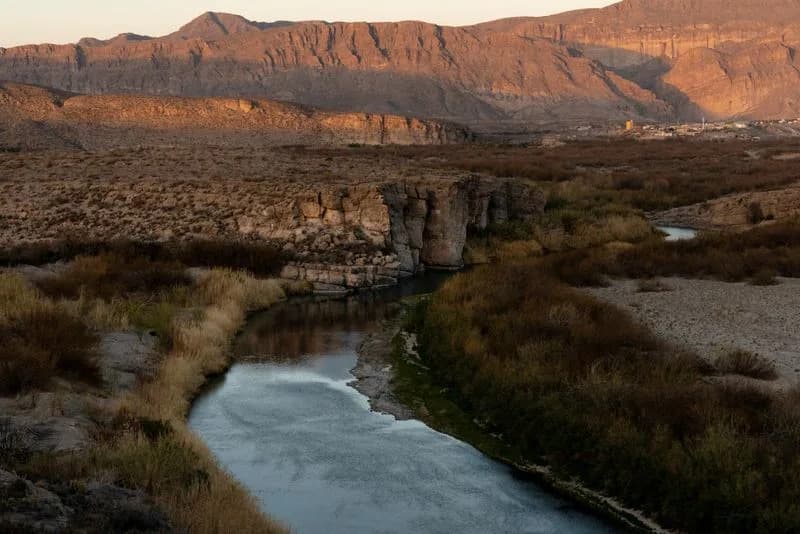
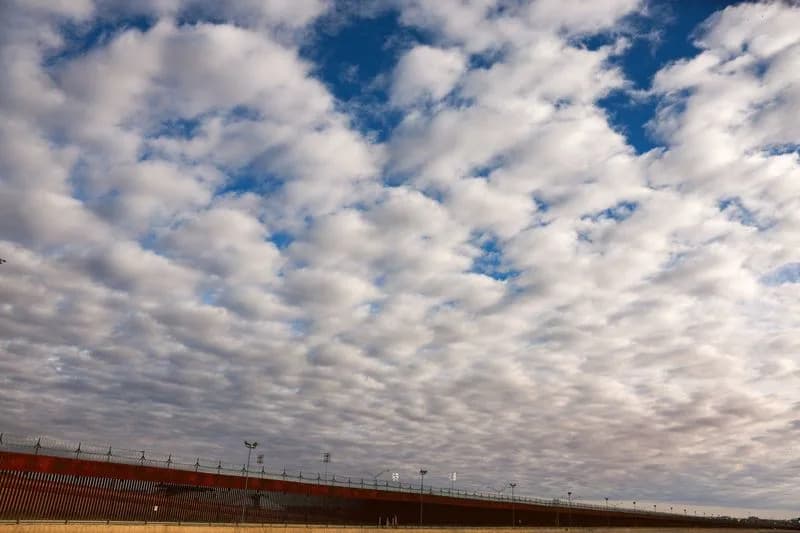
The sun sets over the Rio Grande River separating Mexico and the United States in Big Bend National Park, Texas, U.S., February 22, 2025. REUTERS/Cheney Orr
Mexico has pledged to deliver at least 350,000 acre-feet of water per year to the United States, U.S. officials said in a joint statement on Tuesday after recent bilateral talks to manage treaty-mandated flows from the Rio Grande basin.
The U.S. secretaries of state and agriculture said the commitment includes a detailed plan to fully repay an outstanding water debt accumulated during the previous delivery cycle. Officials emphasized that monthly coordination meetings will be held to monitor flows, ensure timely deliveries and help prevent future shortfalls.
Conditional Deliveries and Priorities. Mexican authorities noted that actual deliveries will depend on hydrological conditions and reservoir levels. They stressed that human consumption and agricultural needs will be prioritized when allocating available water.
"The agreement reached makes it possible to strengthen the orderly management of water resources in the Rio Grande basin and to move toward planning with greater predictability and shared responsibility in the face of the effects of drought," the Mexican Foreign Ministry said.
The agreement reaffirms obligations under the 1944 Water Treaty, which requires Mexico to deliver 1.75 million acre-feet of Rio Grande water to the United States every five years. In recent years Mexico has at times struggled to meet those obligations, citing drought linked to climate change and rising local demand.
U.S. officials said the Departments of State and Agriculture and the U.S. International Boundary and Water Commission worked to secure Mexico's commitment to both meet treaty obligations and to eliminate the prior-cycle deficit, strengthening water security for Texas communities and U.S. agricultural producers.
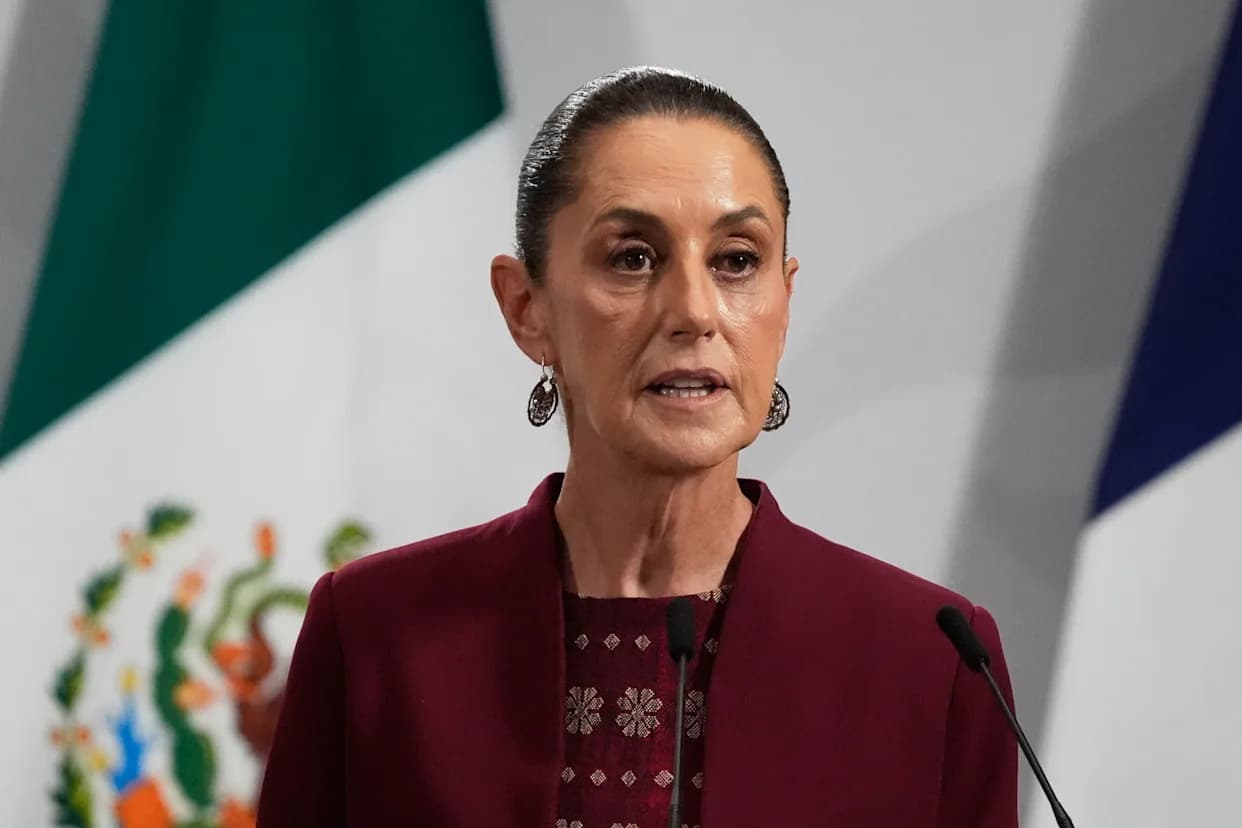
Officials added that U.S. President Donald Trump and Mexican President Claudia Sheinbaum discussed the treaty during a recent call and reaffirmed their joint commitment to resolve long-standing water management challenges and support affected communities on both sides of the border.
The two countries — which remain major trading partners — say the new commitments and monthly coordination are intended to improve predictability for water users and provide clearer steps to eliminate the prior-cycle deficit.
Reporting by Jasper Ward and Brendan O'Boyle; writing by Christian Martinez; editing by Susan Heavey and Rod Nickel.
Help us improve.