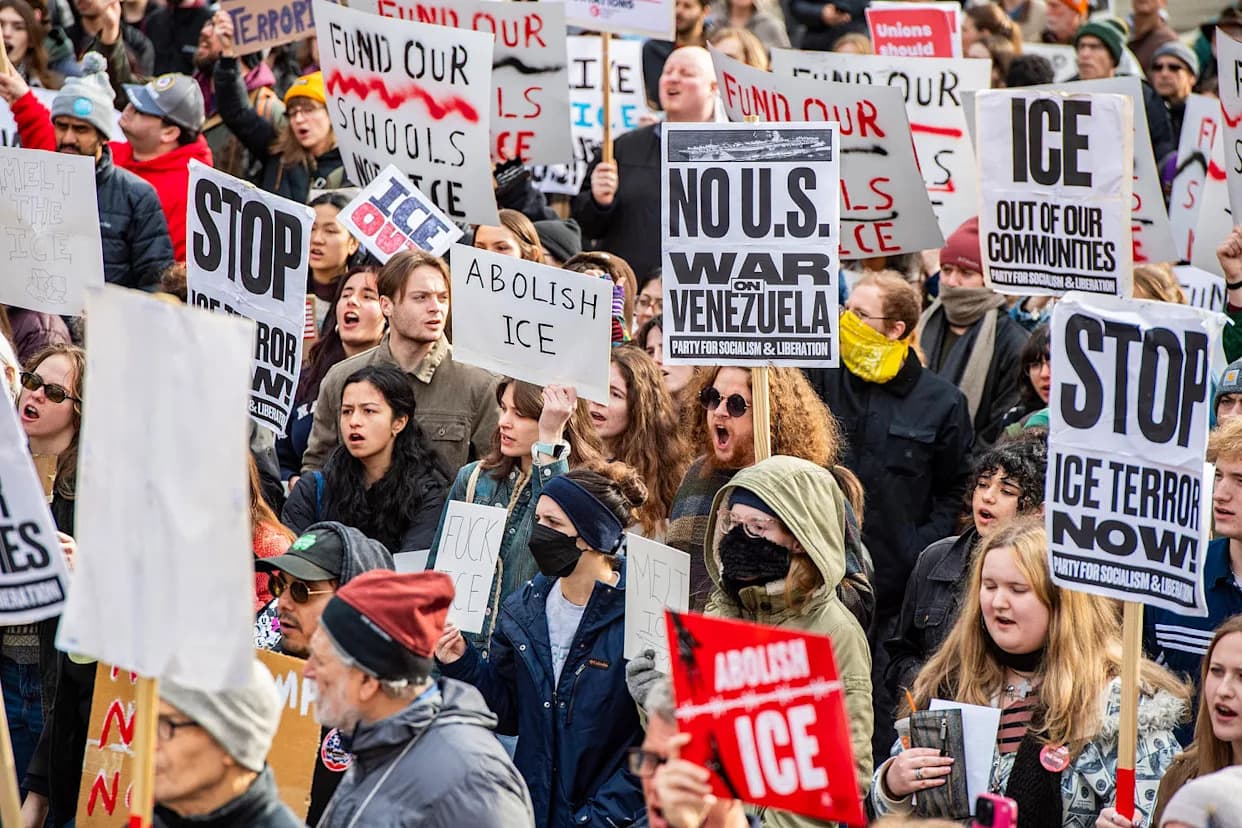
Activists called a nationwide “blackout” — a general strike urging no work, no school, no shopping — to protest ICE enforcement and recent fatal encounters involving federal agents. The movement grew from student-led actions in Minnesota and expanded to dozens of cities where businesses closed or donated proceeds and students staged walkouts. Organizers and advocacy groups framed the day as nonviolent pressure on lawmakers to withdraw ICE from targeted communities and to pursue reforms, including warrant requirements for arrests and limits on agents’ use of masks.
Nationwide ‘Blackout’ Protests Target ICE Enforcement After Fatal Encounters
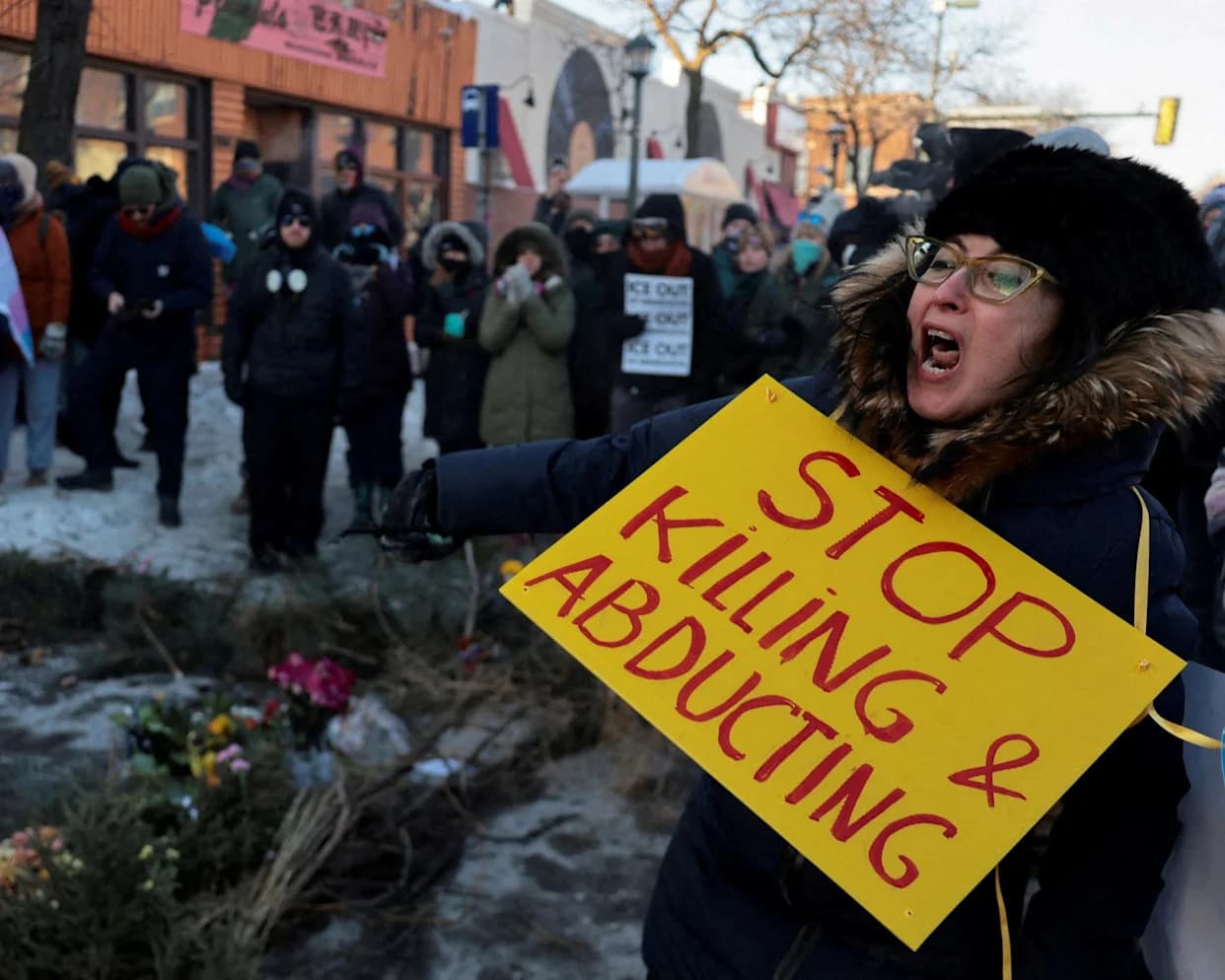
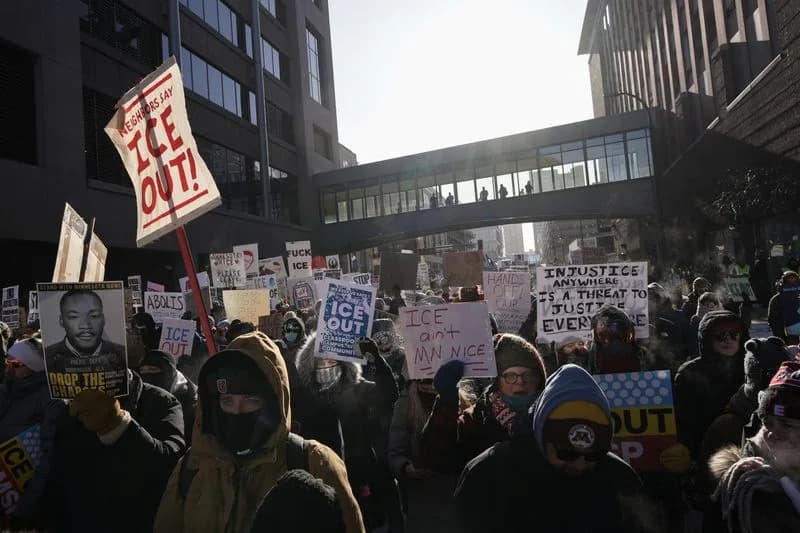
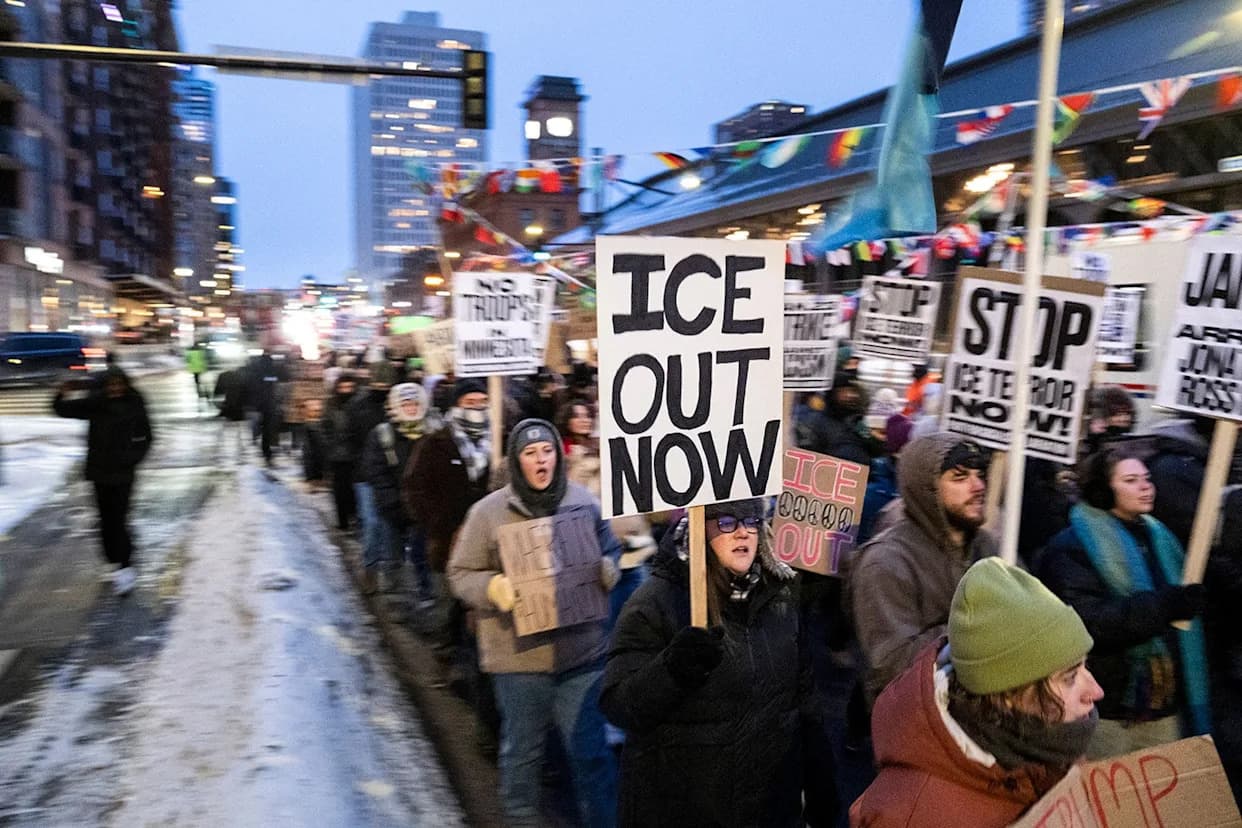
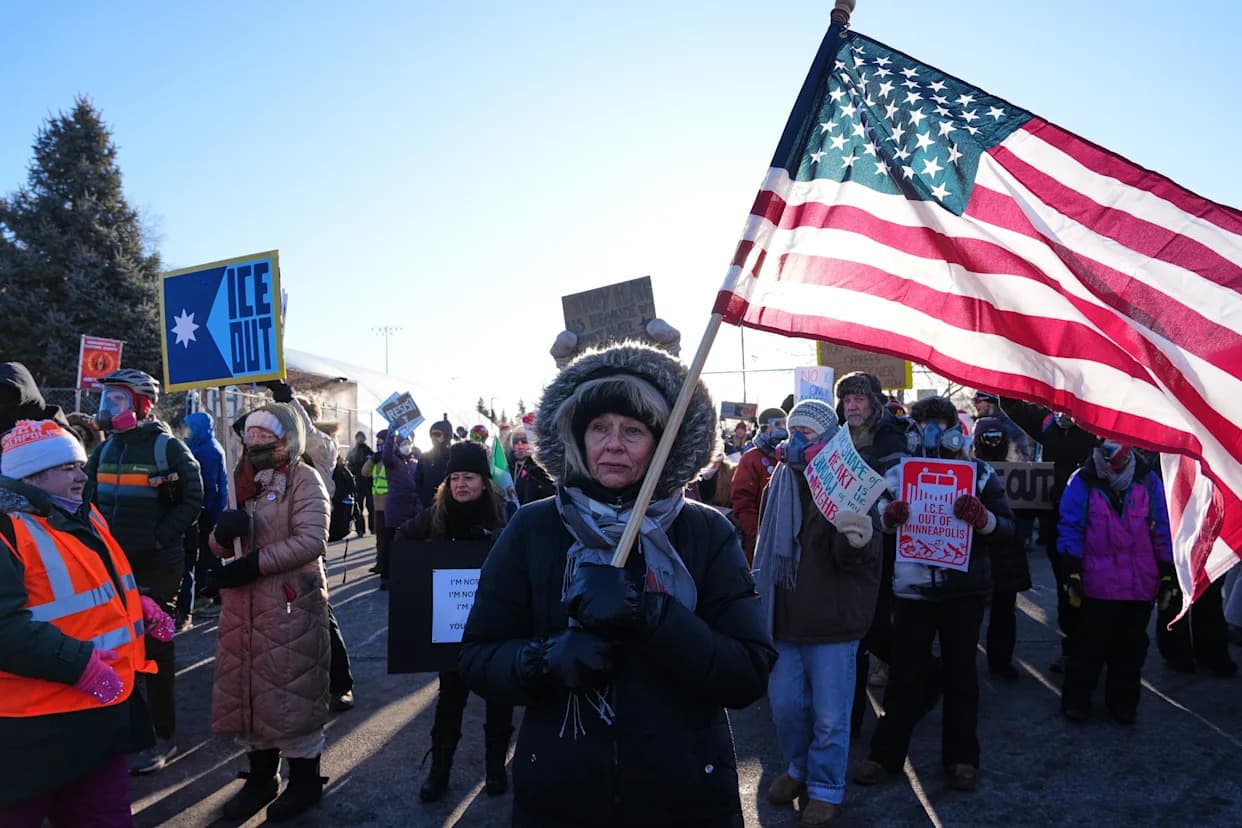
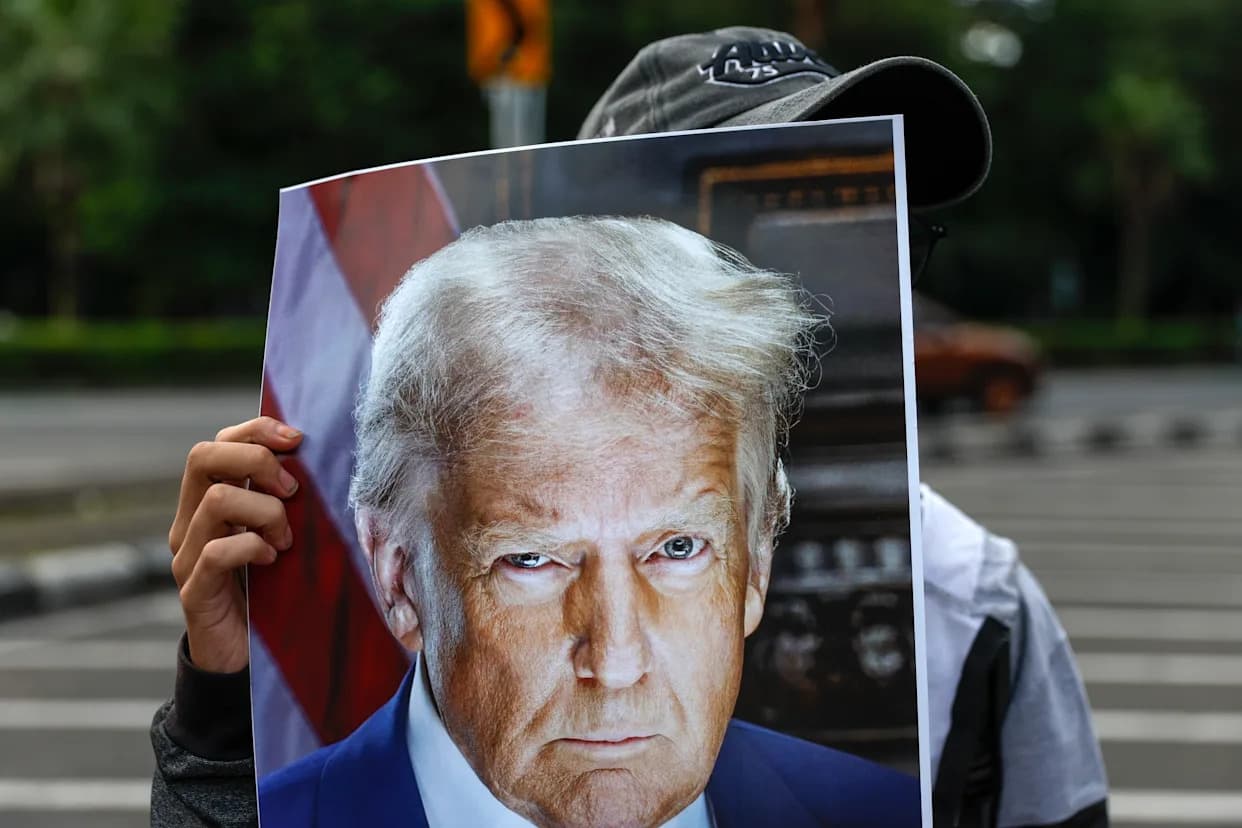
A protester in Minneapolis holds an anti-ICE placard.Photograph: Evelyn Hockstein/Reuters(Photograph: Evelyn Hockstein/Reuters)
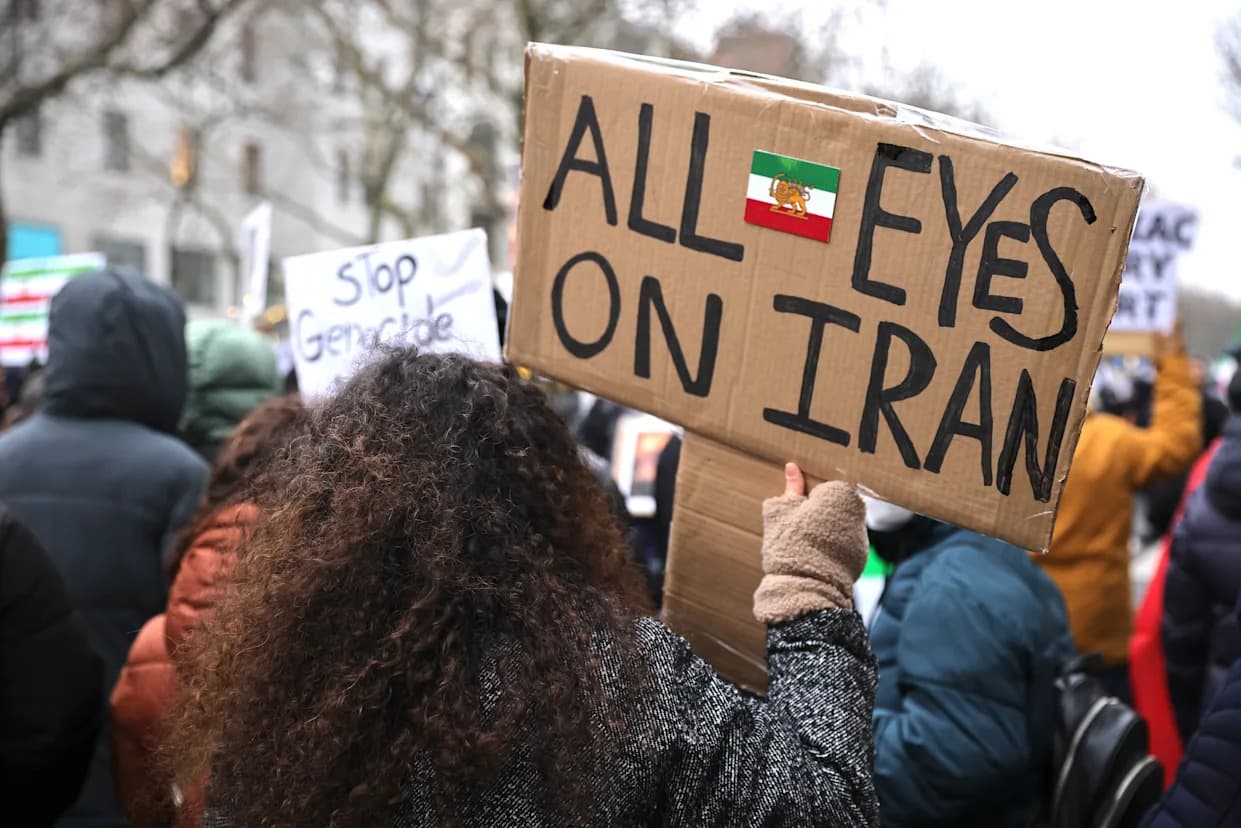
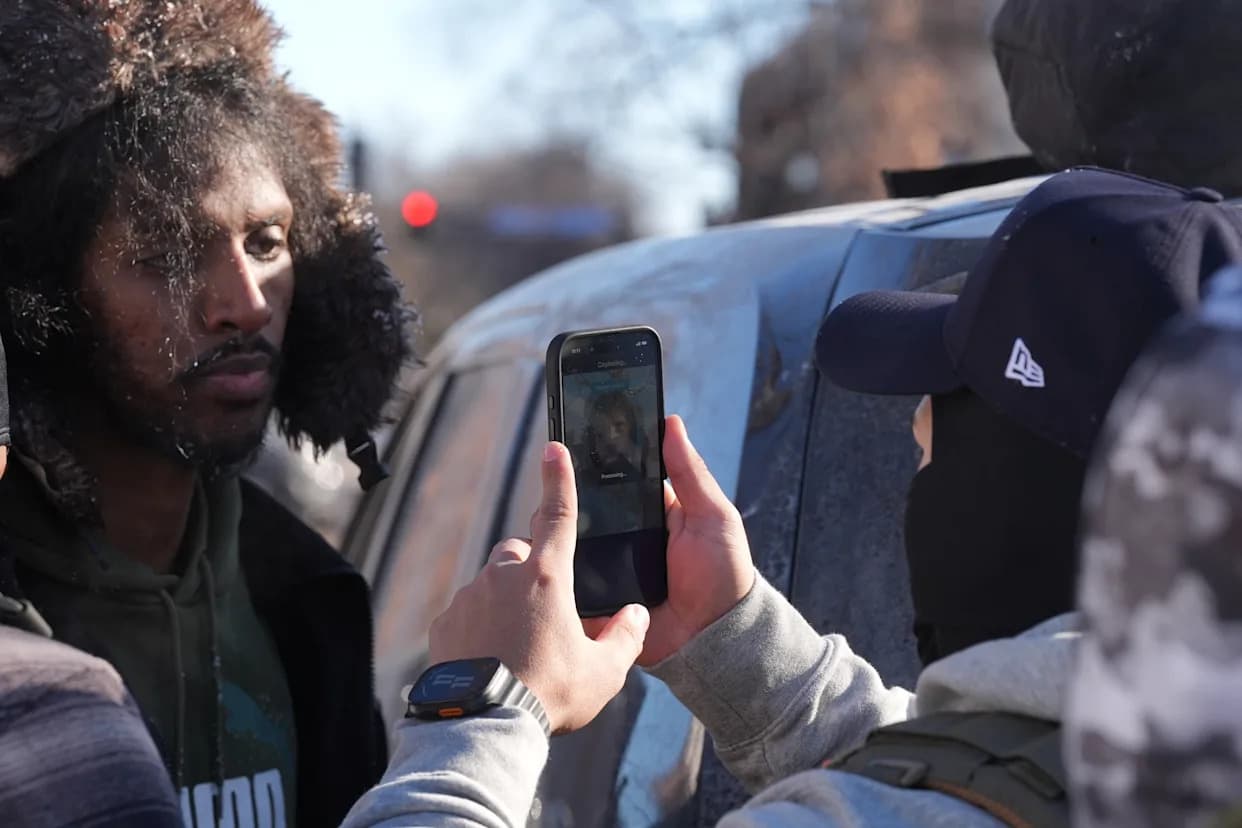
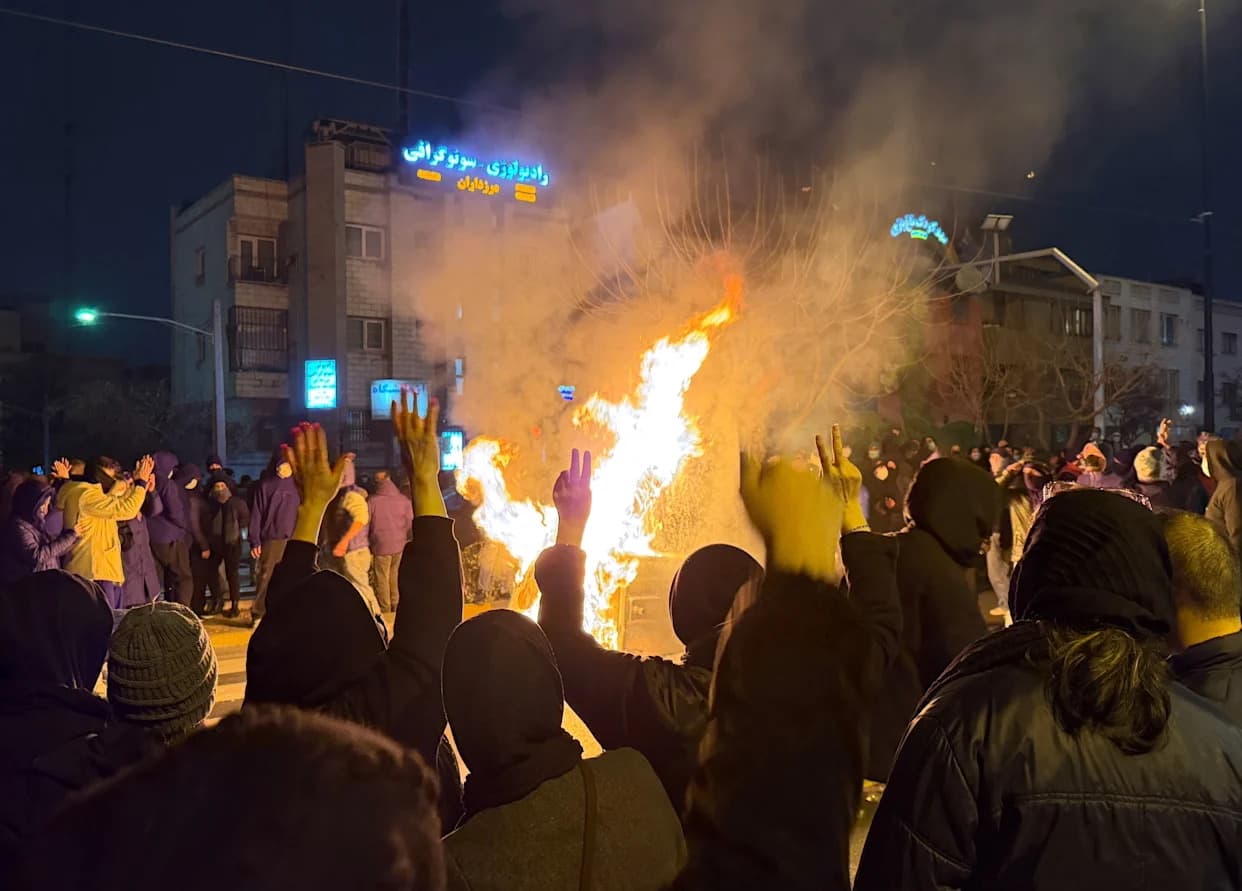
Activists across the United States organized a nationwide shutdown on Friday — branded a “blackout” or general strike — urging participants to observe “no work, no school, no shopping” in protest of Immigration and Customs Enforcement (ICE) operations and recent deadly encounters involving federal agents.
Origins and Organizers
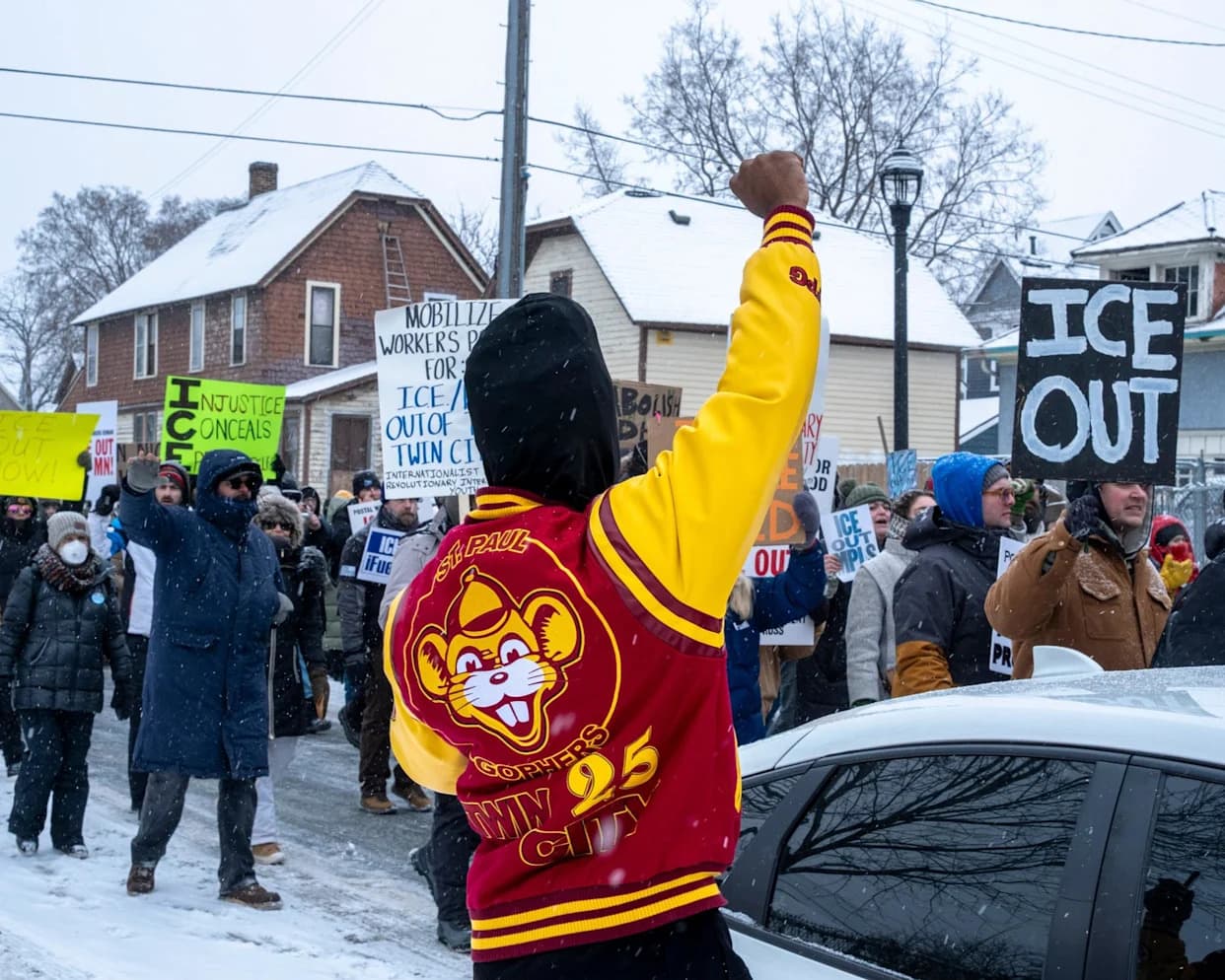
Student leaders at the University of Minnesota and allied community organizations say Friday’s actions grew out of local protests against a month-long ICE operation in Minneapolis. The initiative, planned after a coalition meeting on 21 January, aims to use economic pressure — work stoppages and consumer boycotts — as a means to demand accountability and policy change.
Fatal Encounters Cited
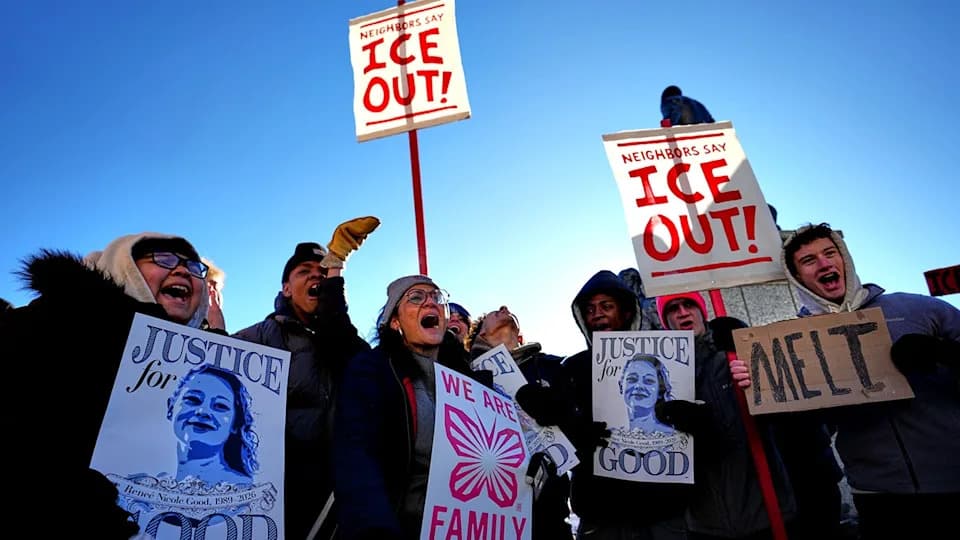
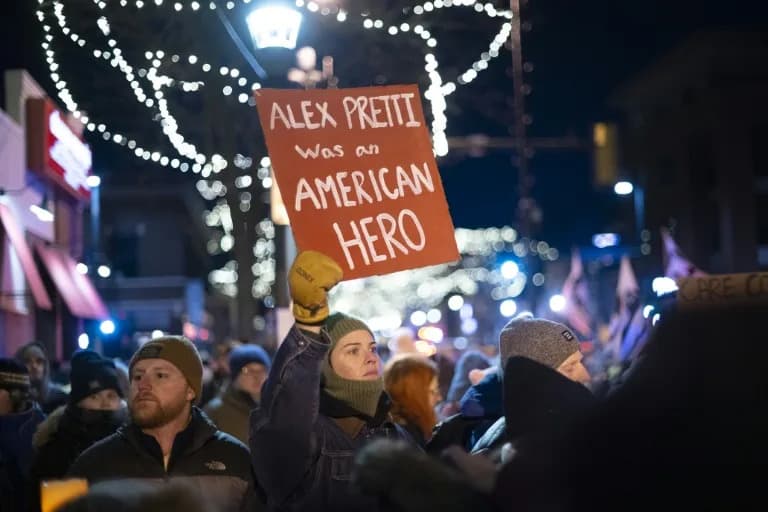
Protesters cite several recent deaths involving federal agents as a catalyst for the demonstrations, including the killings of Renee Good and Alex Pretti in Minneapolis, Keith Porter in Los Angeles and Silverio Villegas González in Illinois. Organizers say these incidents highlight aggressive enforcement tactics that merit national scrutiny.
Widespread Actions and Local Responses
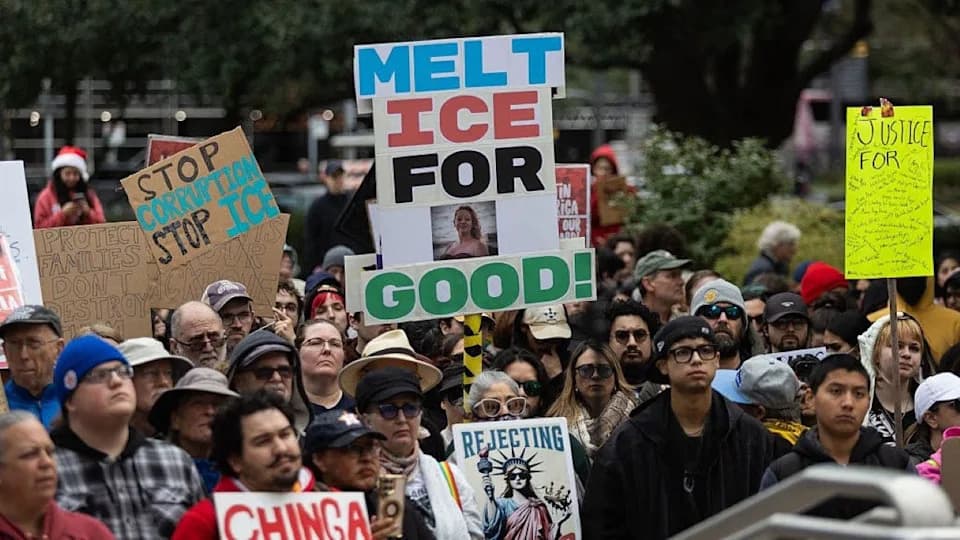
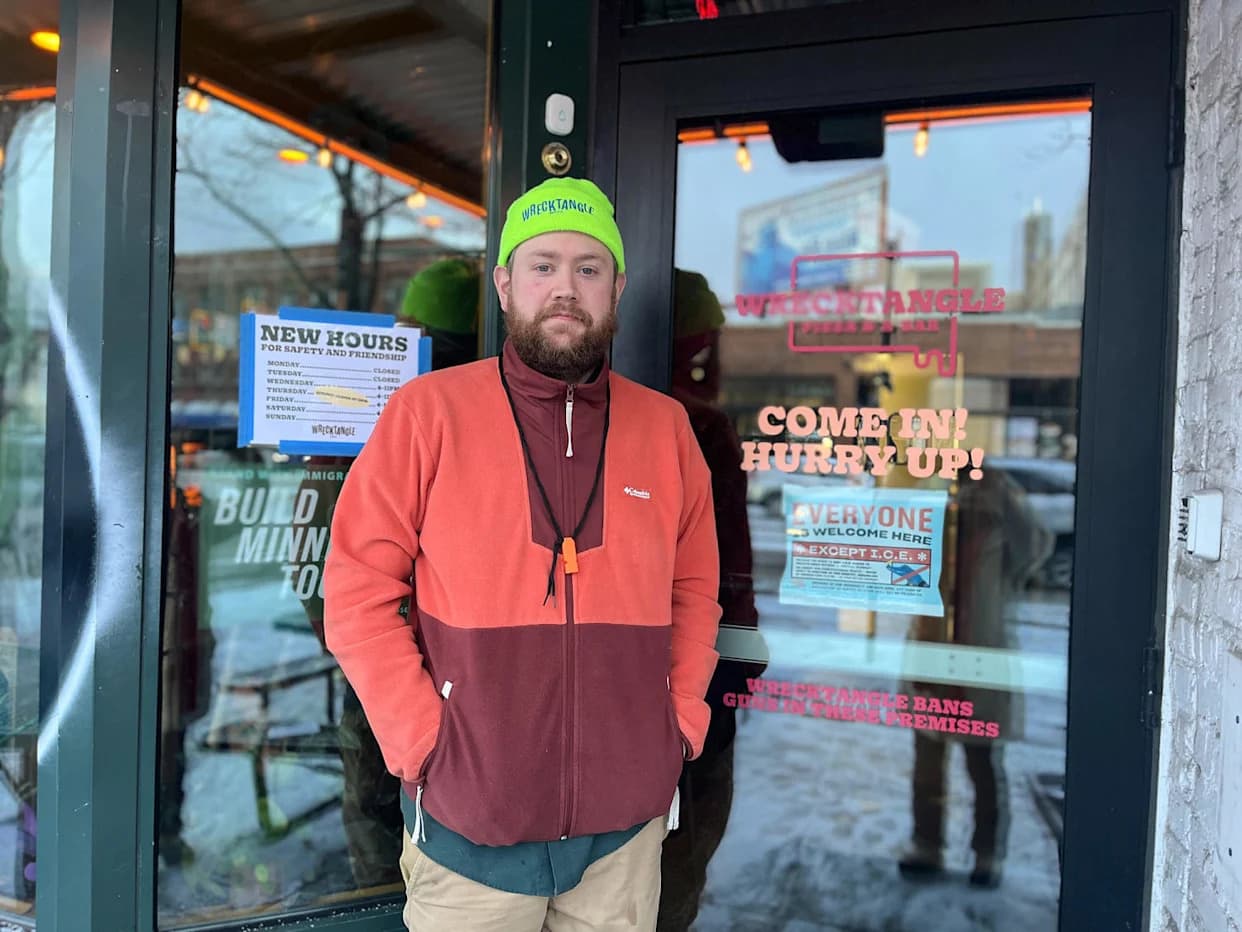
From Minneapolis to New York, businesses, students and volunteers joined the day of action. Thousands marched in freezing temperatures in Minnesota last week, inspiring the national call. In many cities restaurants, bookstores and cafes either closed for the day or shifted to donation-based models, directing proceeds to mutual aid or rent assistance.
Examples include Bench Pressed, a Minneapolis letterpress and shop donating Friday profits to renters; Little Joy Coffee in Northfield selling a $5 benefit latte with proceeds to mutual-aid funds; and Modern Times café temporarily adopting a donation-only model while closing for the strike.
Schools, Walkouts and Community Mobilization
Students staged walkouts and rallies in numerous states. More than 20 schools in Tucson were closed as staff participated in the strike. High school walkouts and video documentation emerged from cities including Knoxville, San Antonio, Salt Lake City and New York, where hundreds of students marched to a downtown park.
Organizing Networks and Political Impact
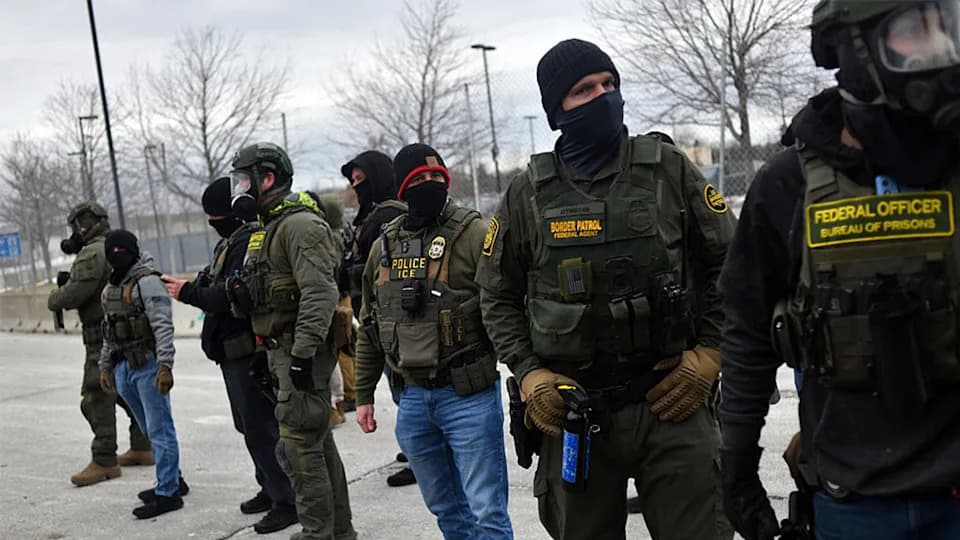
National and local groups — including the People’s Forum, the New York Immigration Coalition (NYIC) and a coalition of student associations representing Black, Somali, Liberian, Ethiopian and Eritrean students — supported the actions. Organizers framed the protests as nonviolent pressure intended to push lawmakers to reduce funding for ICE and impose stricter oversight, such as warrant requirements for arrests and restrictions on agents wearing masks.
Murad Awawdeh, president and CEO of NYIC, said the demonstrations seek both immediate relief for targeted communities and legislative action in Congress to block or condition funding for ICE and Border Patrol. Local elected officials, including Minneapolis City Council President Elliott Payne, publicly expressed support for student-led actions.
Broader Context
The protests coincided with discussions in Congress about a possible partial government shutdown and debate over Department of Homeland Security funding. Organizers hope the nationwide visibility of the actions will encourage lawmakers to pursue reforms and reduce enforcement operations they describe as harmful to immigrant and broader communities.
“We are calling for this strike because we believe what we have been doing in Minnesota should go national,” said Kidus Yeshidagna, president of the Ethiopian Students Union at the University of Minnesota. “This isn’t just an immigrant issue. This is a human-rights issue.”
The day of action combined public demonstrations, economic disruption and mutual-aid efforts as organizers tried to turn local resistance in Minnesota into a coordinated national movement.
Help us improve.