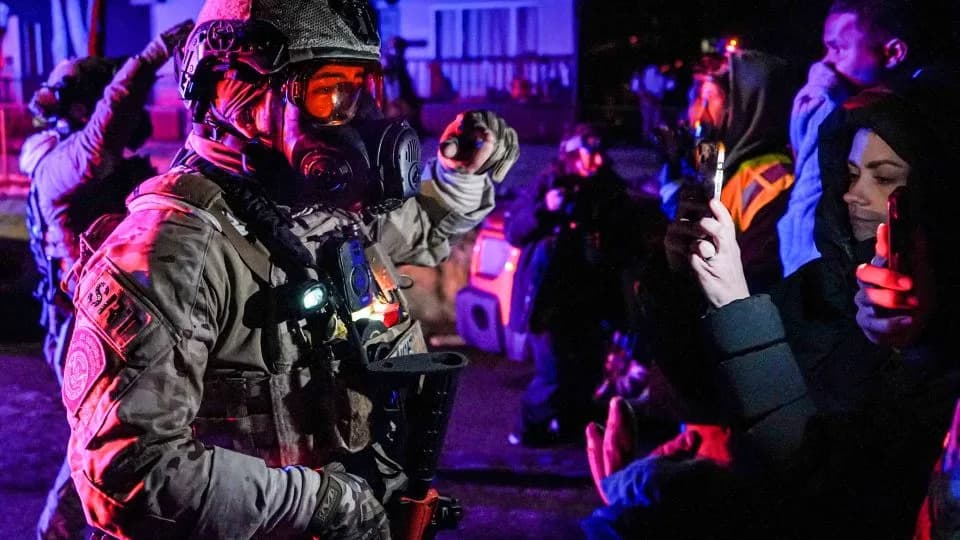
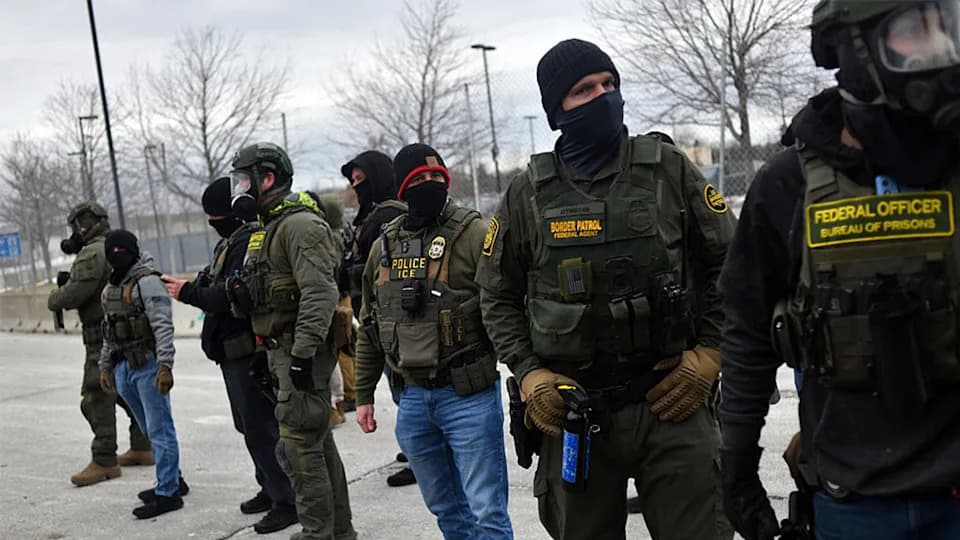
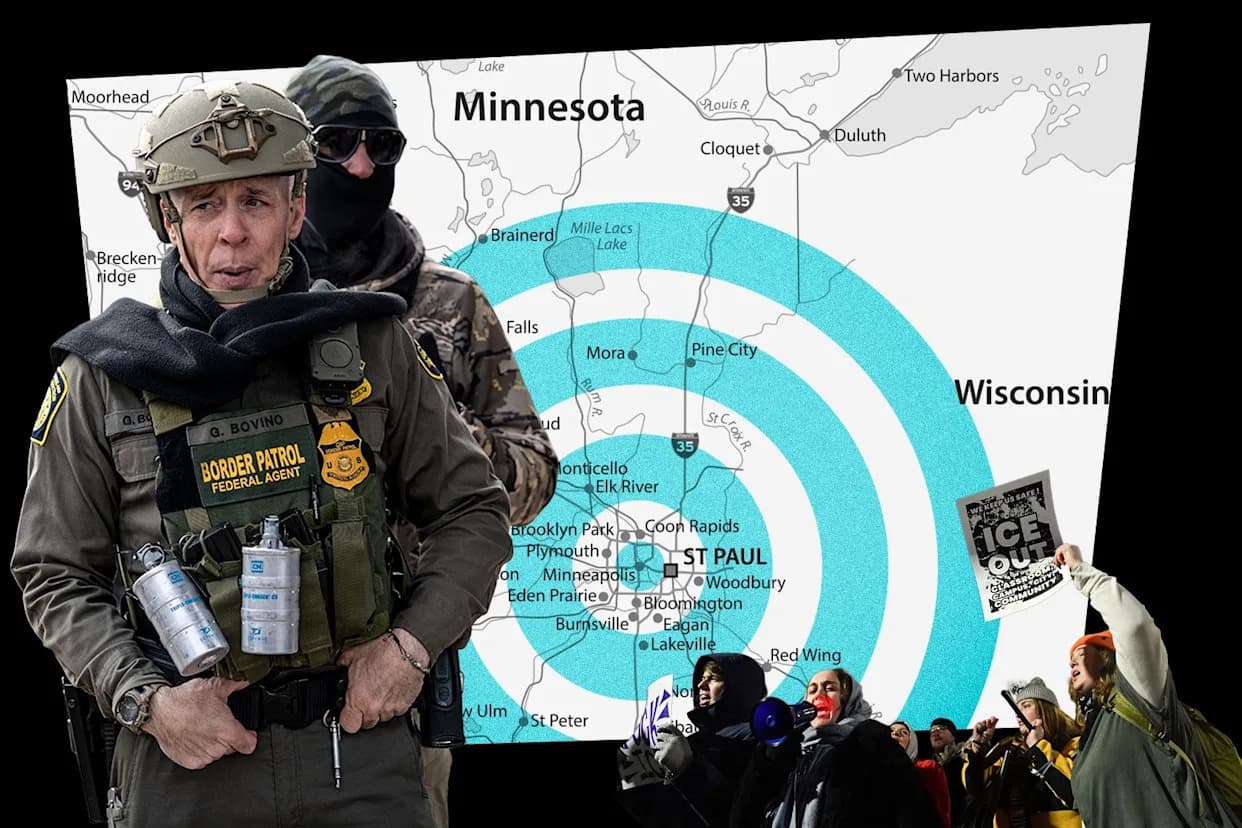
Labor unions, faith groups and community leaders in Minnesota have called a statewide economic blackout on Friday, Jan. 23, to protest the arrival of roughly 3,000 federal immigration agents and to mourn the fatal shooting of 37‑year‑old Renee Good by an ICE officer. Organizers urge residents not to work, shop or attend school and plan a 2 p.m. march and rally in downtown Minneapolis. Local officials say police are outnumbered, while DHS defends the deployment and repeats disputed claims about the shooting. Supporters say raids are tearing families apart and demand independent investigations and protections for immigrant communities.
Minnesota Unions Call Statewide Economic Blackout on Jan. 23 to Protest ICE Deployment After Fatal Shooting
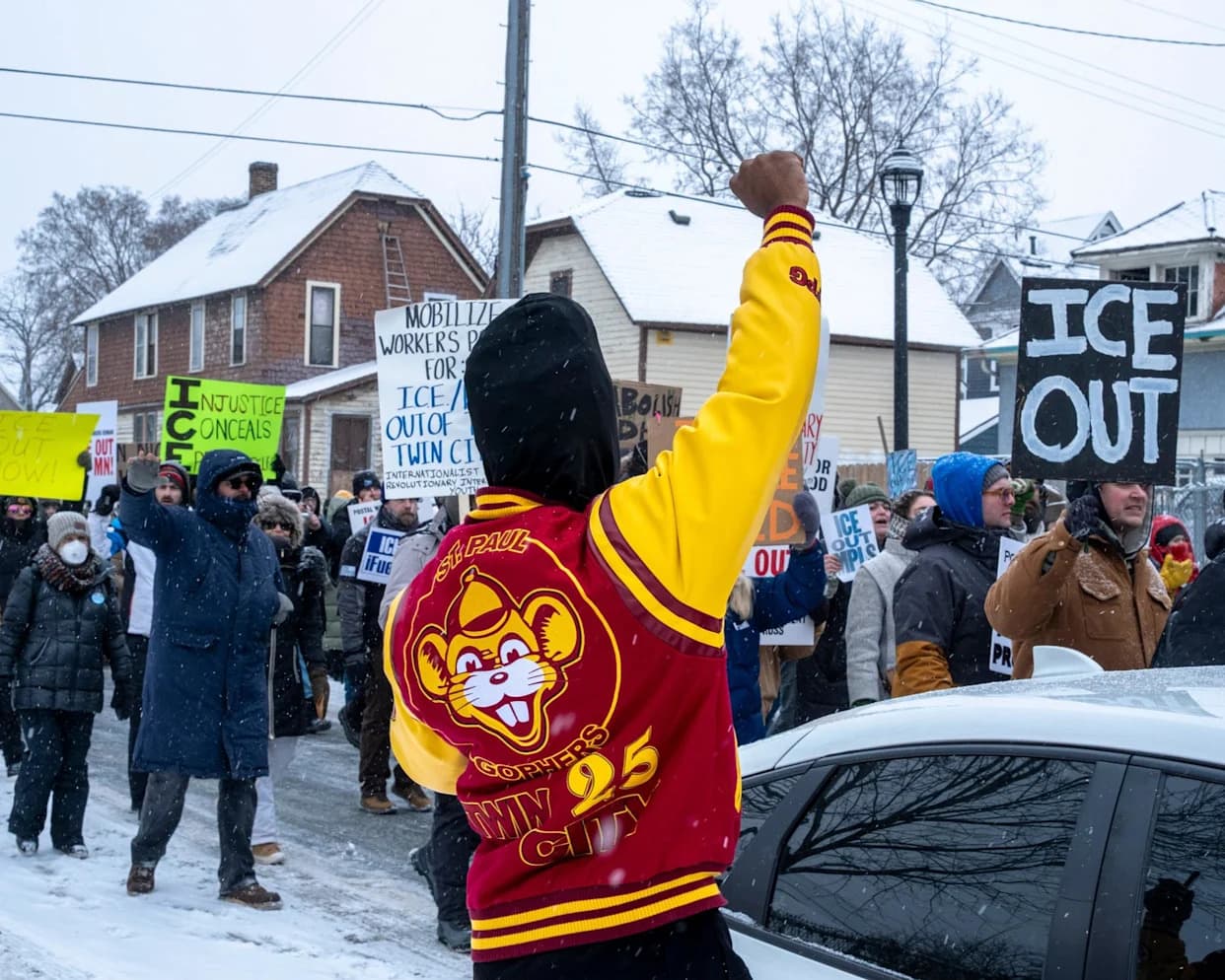
A spectator raises a fist in solidarity with protesters from the postal workers union gathered to demand ICE out of Minnesota in Minneapolis on Sunday.Photograph: Riley Harty/ZUMA Press Wire/Shutterstock(Photograph: Riley Harty/ZUMA Press Wire/Shutterstock)
Labor unions, community organizers and faith leaders across Minnesota have called for a statewide economic blackout on Friday, Jan. 23, to protest the arrival of hundreds of federal immigration agents and to mourn the recent killing of 37‑year‑old Renee Good by an ICE officer in Minneapolis.
What Organizers Are Asking
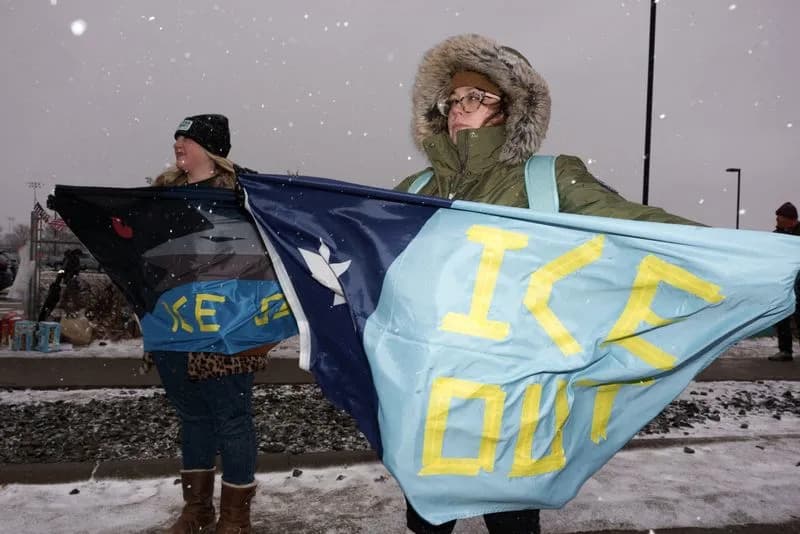
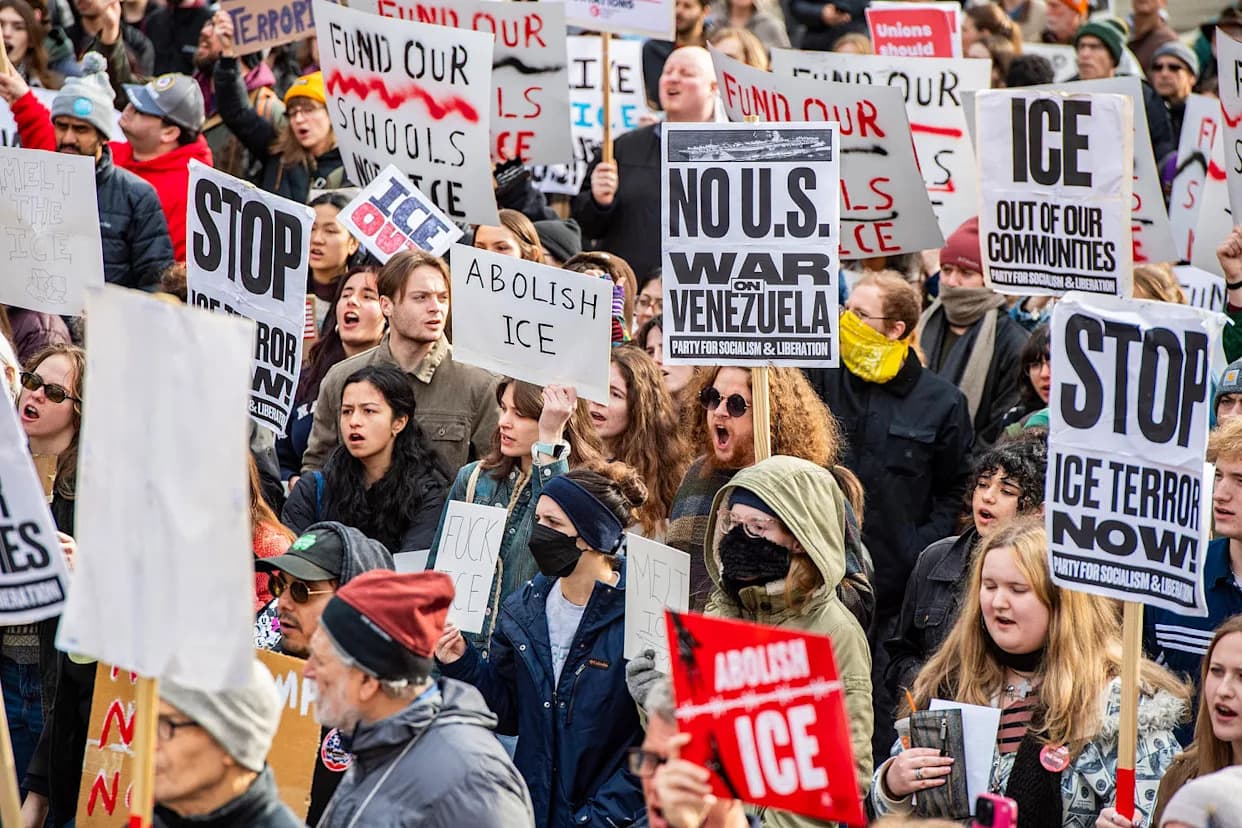
Organizers are urging Minnesotans to refrain from working, shopping or attending school that day as a show of solidarity. The action includes a march and rally at 2 p.m. downtown Minneapolis, and is supported by several local unions and community groups.
Who Is Involved
Key labor backers include Communications Workers of America (CWA) Local 7250, Unite Here Local 17, the Saint Paul Federation of Educators and Minneapolis Federation of Educators Local 59, and the Minneapolis Regional Labor Federation, AFL‑CIO. Organizers say the blackout is meant to demonstrate labor’s collective leverage and to call attention to what they describe as a coordinated escalation of immigration enforcement that is disrupting families and communities.
“There is an unprecedented and outrageous attack being waged against the people of Minnesota. I have never seen anything like it in my life,”
said Kieran Knutson, president of CWA Local 7250.
Federal Deployment and Local Response
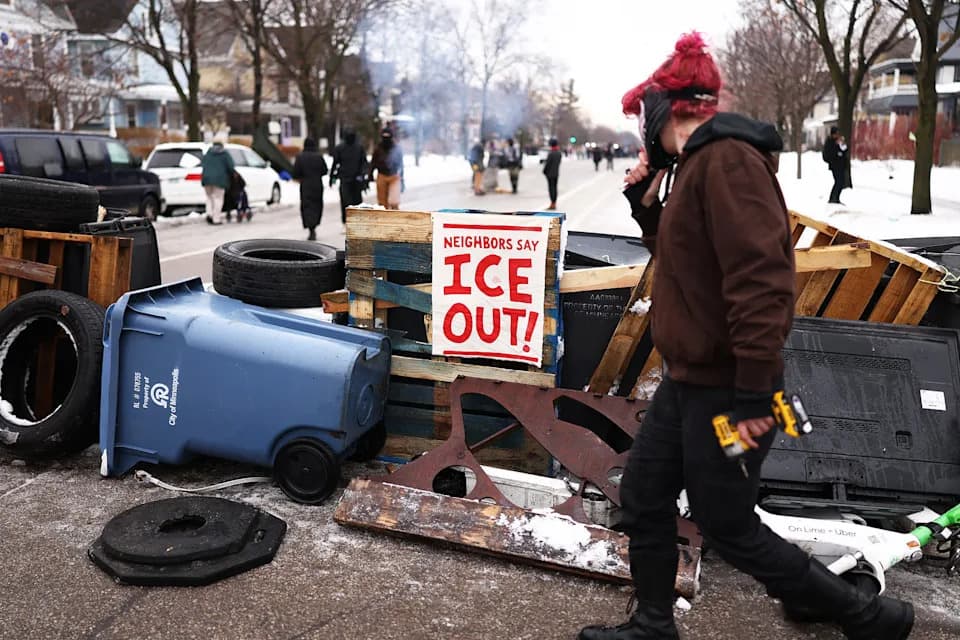
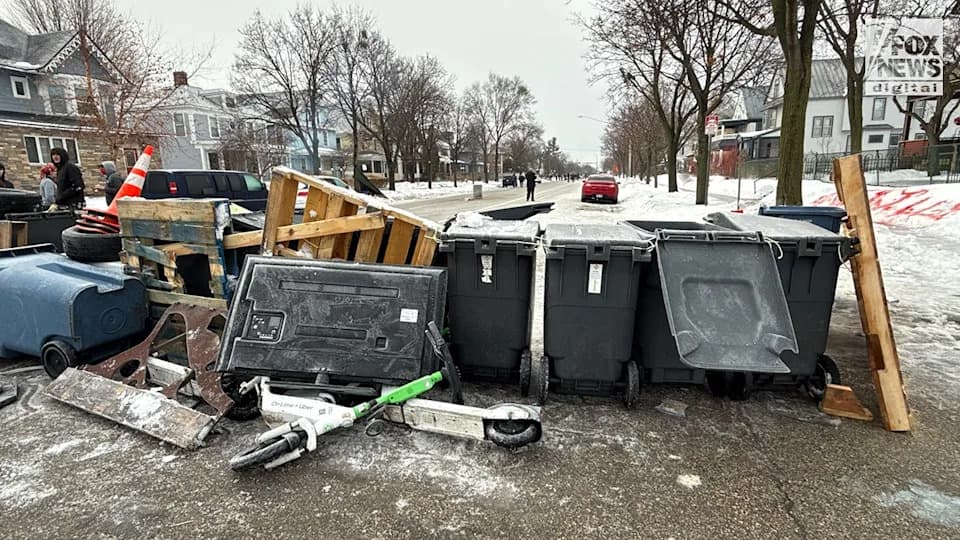
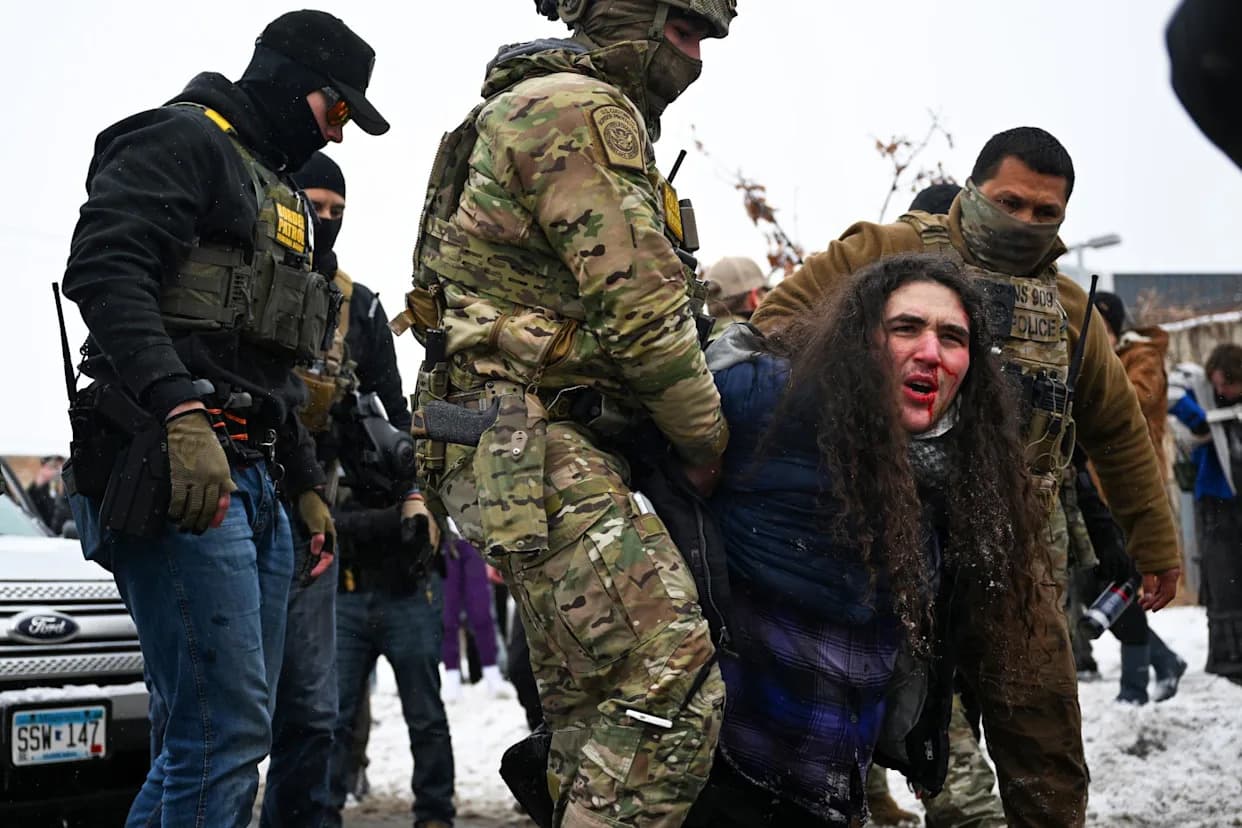
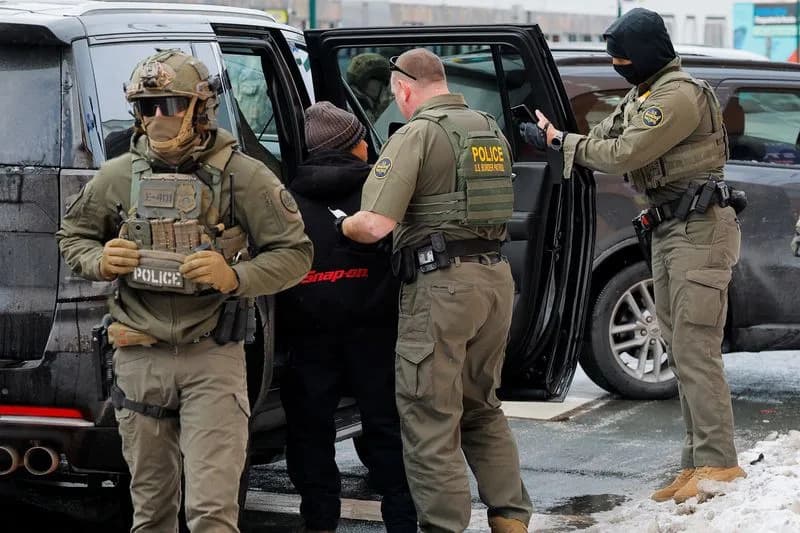
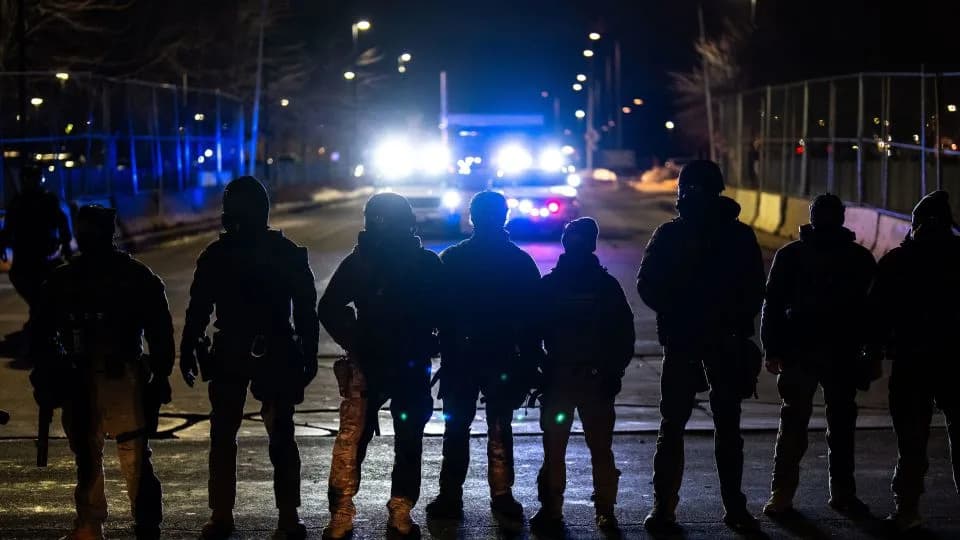
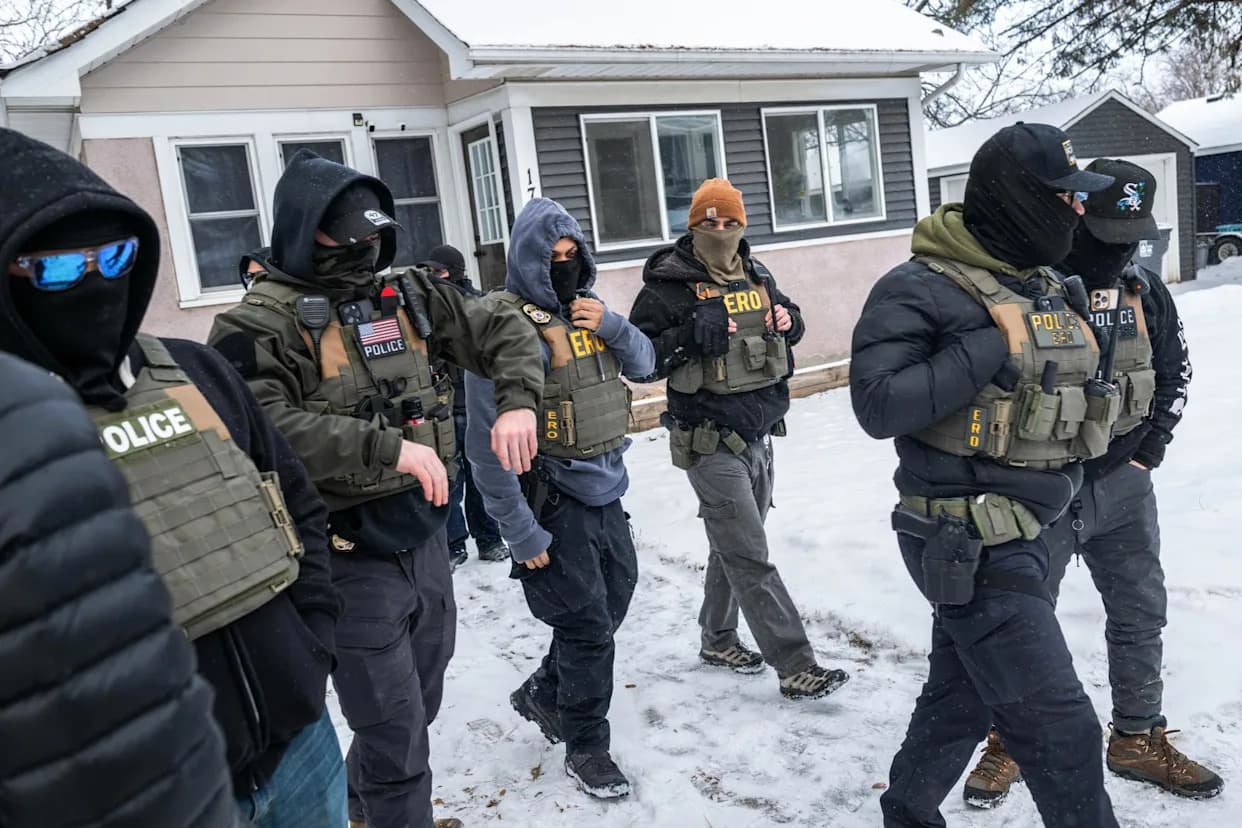
The administration has said it sent roughly 3,000 federal immigration agents to the region as part of what it calls a large enforcement operation. Authorities report more than 2,400 arrests in recent weeks. Minneapolis Mayor Jacob Frey has warned that local police are outnumbered and outgunned by the influx of federal officers and expressed concern about escalating street confrontations.
Contested Account of the Shooting
The Department of Homeland Security has defended the enforcement operation and reiterated the administration’s claim that Renee Good "weaponized" her vehicle before the shooting. That characterization has been disputed by local and state officials and eyewitnesses. Video footage released after the incident appears to show Good’s car turning away from the officer as he opened fire; investigators and community leaders have called for further review.
Department of Homeland Security Statement
A DHS spokesperson condemned the planned blackout, saying it would harm law‑abiding Minnesotans and accusing organizers of defending dangerous criminals. The spokesperson also said federal officers have faced a rise in assaults and vehicle attacks but did not provide evidence to support that claim. Advocates and local leaders said many people targeted in recent operations have had no criminal records and that some U.S. citizens have been detained, underscoring the controversy.
Next Steps
Organizers held a press conference outside the Hennepin County Government Center to announce the event and to outline demands, including calls for accountability, independent investigations into the shooting, and protections for immigrant communities. The planned blackout aims to pressure state and corporate leaders to respond and to draw national attention to the enforcement surge.
Note: The White House did not respond to multiple requests for comment on the planned blackout.
Help us improve.