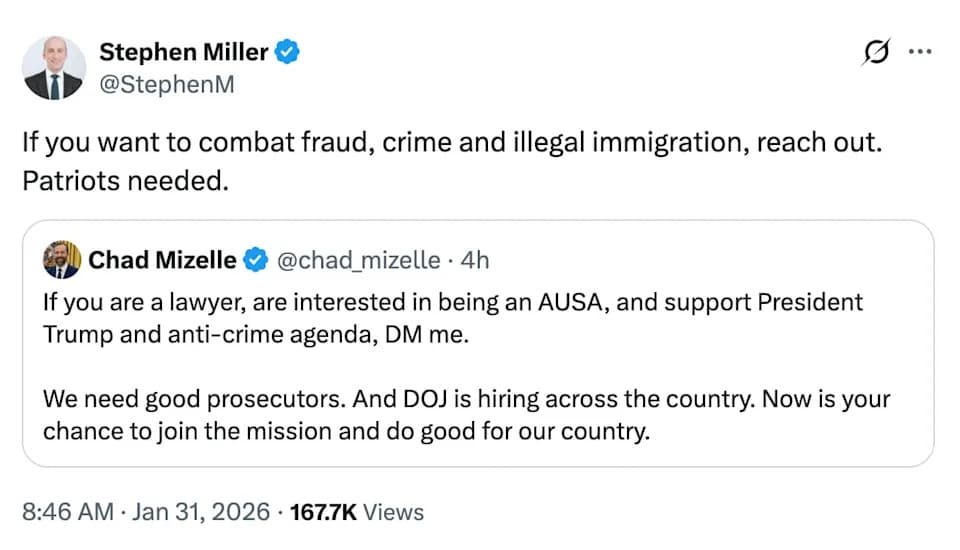
The White House has created a new assistant attorney general role focused on fraud investigations and President Trump has nominated Colin McDonald to lead it. The administration says the position will have "all the authority of a special counsel" and will be managed out of the White House, reporting to JD Vance and the president rather than to the attorney general. Critics warn that routing the post through the West Wing undermines the traditional firewall protecting DOJ independence and could politicize federal prosecutions. McDonald’s nomination requires Senate confirmation.
White House 'Fraud Czar' Nomination Raises Fears Over DOJ Independence
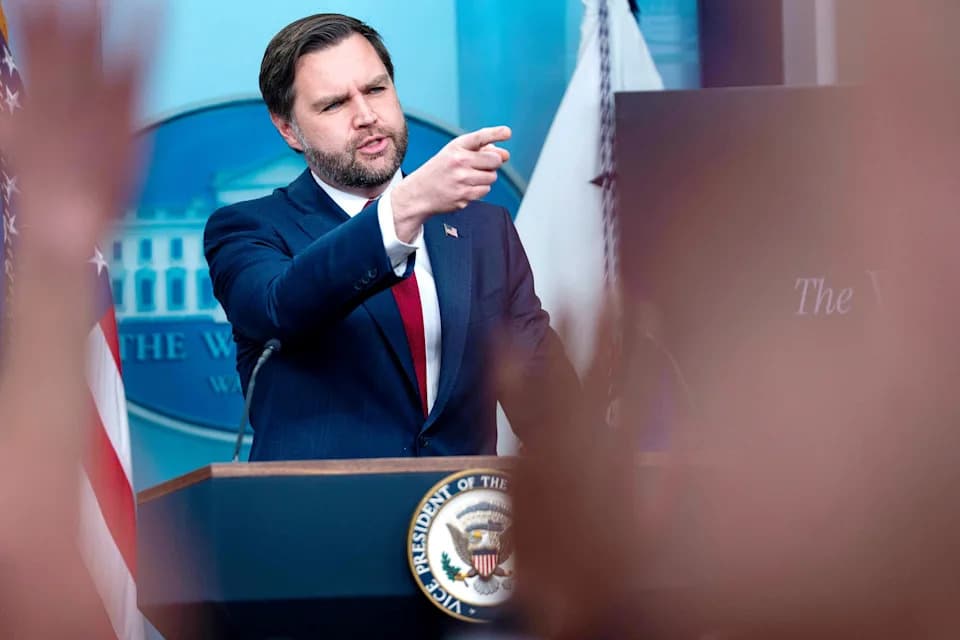
The White House has announced a newly created senior Justice Department role focused on fraud investigations — and the way the position will be structured is drawing sharp criticism.
What was announced: Senator JD Vance said the new assistant attorney general would possess "all the authority of a special counsel," concentrate exclusively on fraud probes, and operate "run out of the White House" rather than through Main Justice. The prosecutor would report to Vance and President Donald Trump rather than to the attorney general.
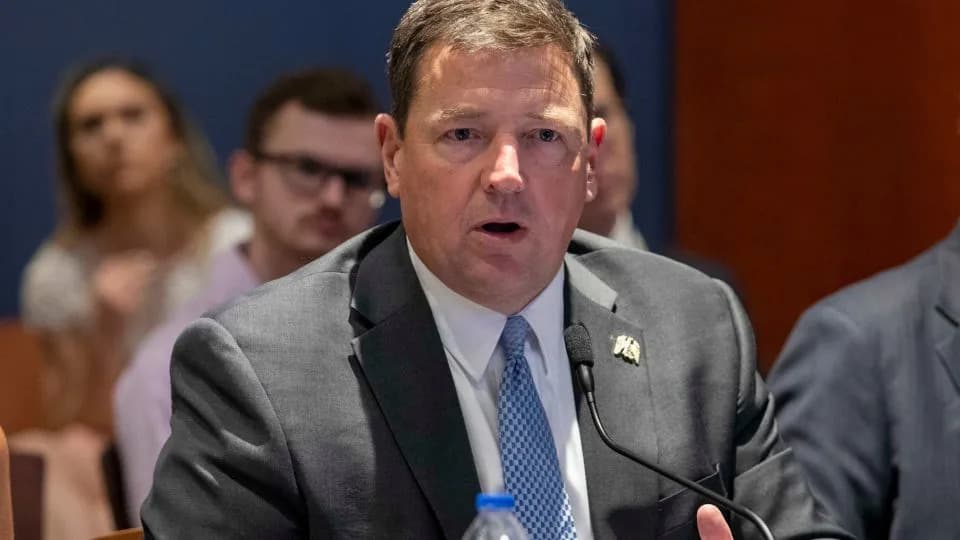
The nominee: This week President Trump nominated federal prosecutor Colin McDonald to lead the unit. If confirmed by the Senate, McDonald would serve as the "first ever Assistant Attorney General for National FRAUD Enforcement," a post the administration has dubbed a national "fraud czar." McDonald currently serves as associate deputy attorney general and has more than a decade of experience as a federal prosecutor.
What "fraud" means here
Officials have framed the role as focused on alleged fraud in federal social insurance programs and state-administered benefit systems, rather than on consumer scams or the president's own business entities. The White House emphasizes investigations of improper claims linked to programs such as unemployment insurance and other federal benefits.
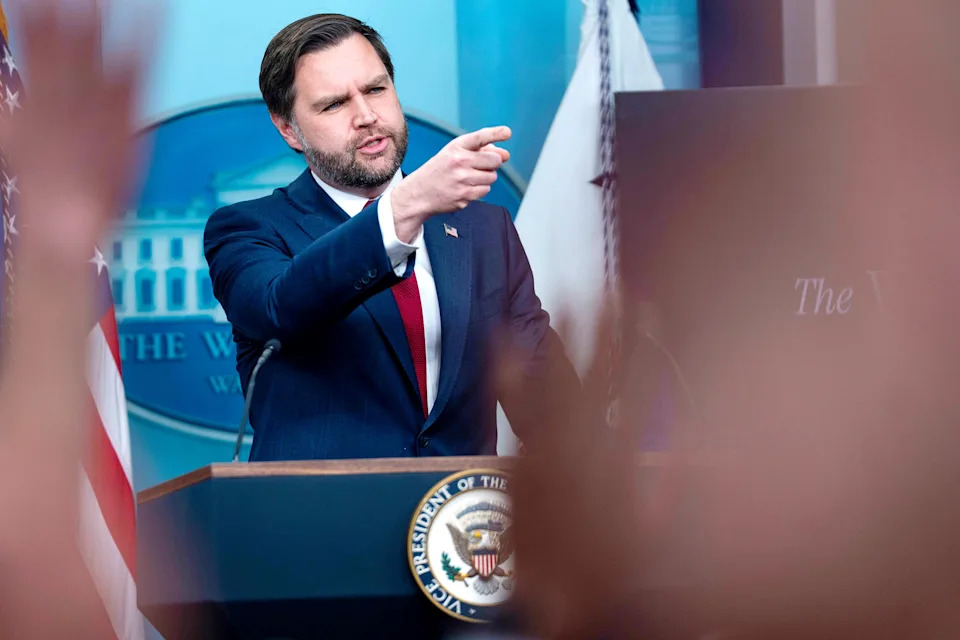
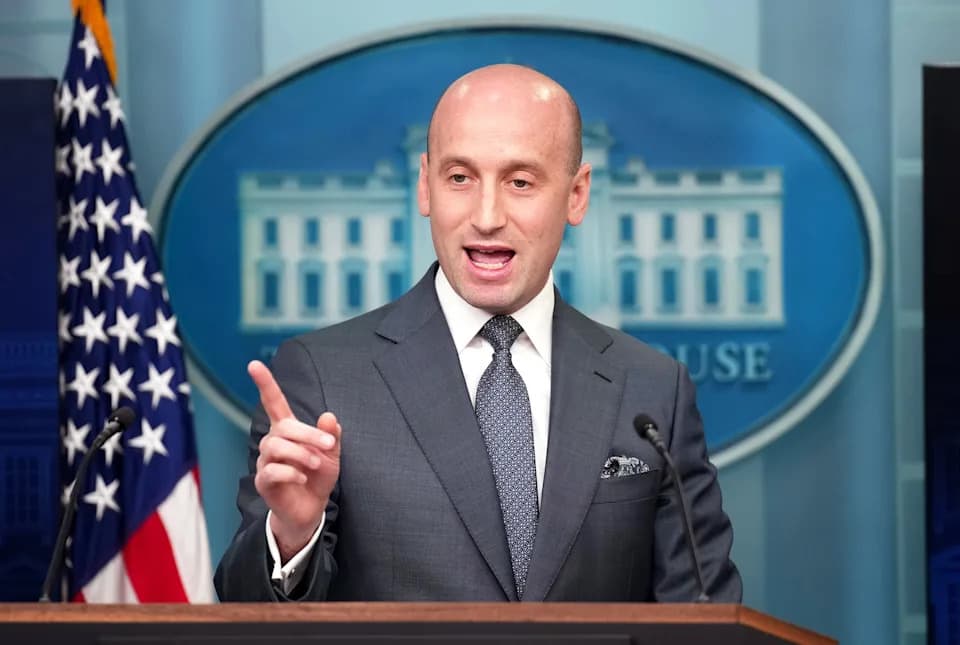
Vice President JD Vance during a news conference in the James S. Brady Press Briefing Room Jan. 8, 2026.(Bonnie Cash / UPI / Bloomberg via Getty Images)
Why critics are alarmed
Over the past several decades, a widely respected norm developed to protect the Justice Department's independence: while the president nominates the attorney general, Main Justice operates with a firewall from direct White House control. Critics say routing an assistant attorney general through the West Wing undermines that firewall and risks turning sensitive prosecutorial decisions into political tools.
As The Wall Street Journal put it: the Justice Department has become one in which the president, not the attorney general, "calls the shots."
Those concerns are amplified by last year’s events, when prosecutors were dismissed, partisan loyalists were appointed to key posts, and the president publicly urged the attorney general to target perceived political opponents. Appointing an assistant attorney general who reports to the White House — rather than to the attorney general — deepens fears that politics, not prosecutorial independence, will drive enforcement priorities.
Process and next steps
Colin McDonald must be confirmed by the Senate before he can lead the new DOJ unit. The nomination and the White House's decision to advertise the role as a White House-run operation are likely to prompt hearings and vigorous debate about the independence of federal law enforcement.
This article updates our earlier related coverage and originally appeared on MS NOW.
Help us improve.