Donald Trump’s recent clemency decisions show a clear emphasis on white‑collar offenders: most of the 13 pardons issued this month went to people convicted of fraud. High‑profile beneficiaries include Wanda Vázquez Garced and Julio Herrera Velutini. Analysts say over half of the president’s 88 individual pardons were for white‑collar crimes and estimate about $1.3bn in restitution and fines could be lost to victims. The White House defends a thorough review process, while critics call the pardons a politically charged giveaway.
Fraud Focus: Why Is Trump Pardoning Convicted Fraudsters?
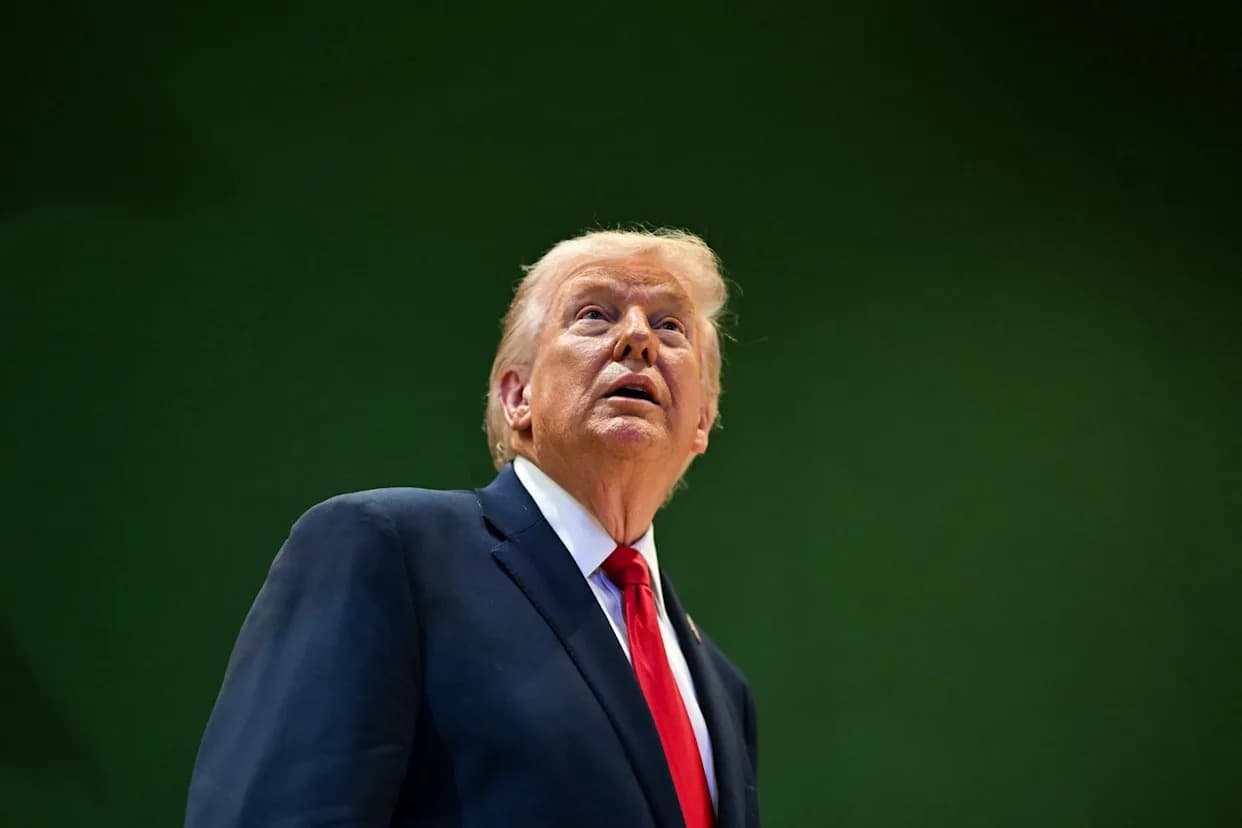
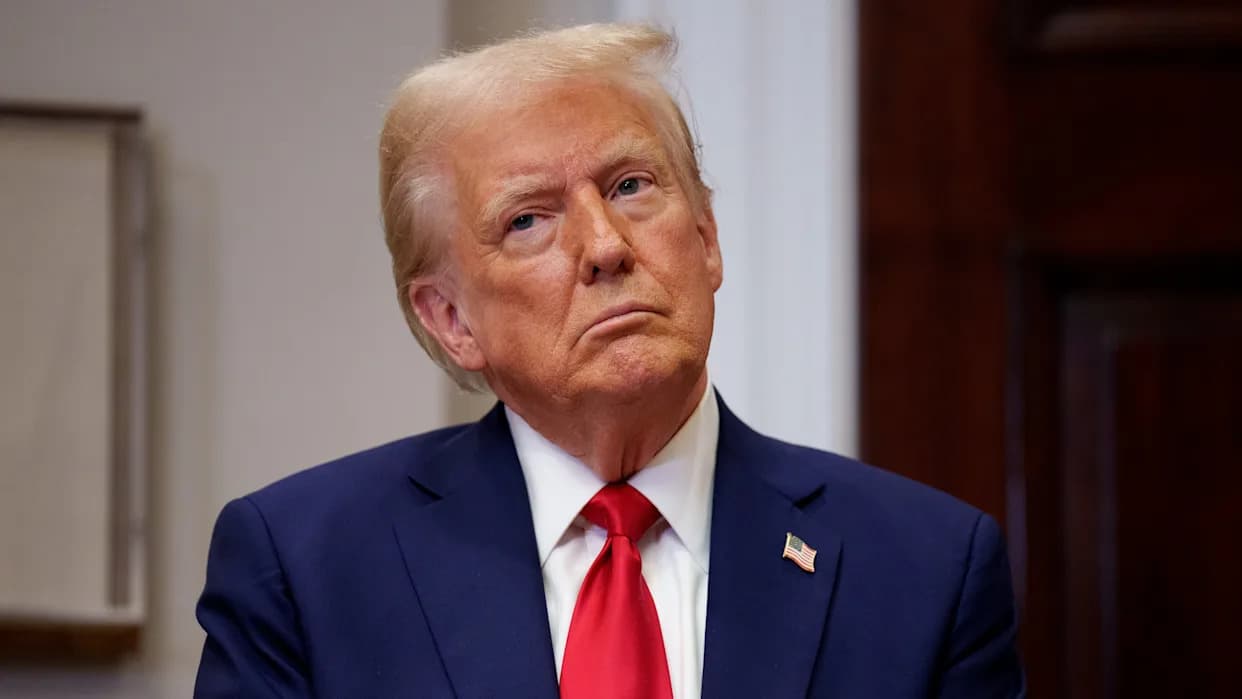
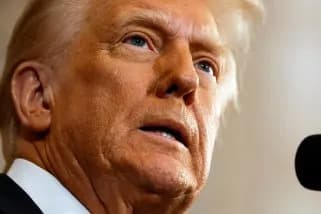
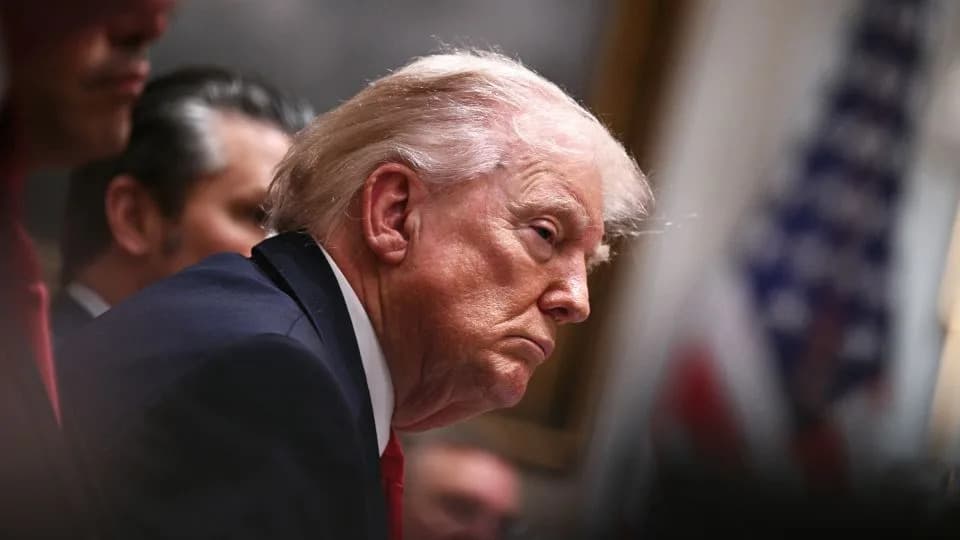
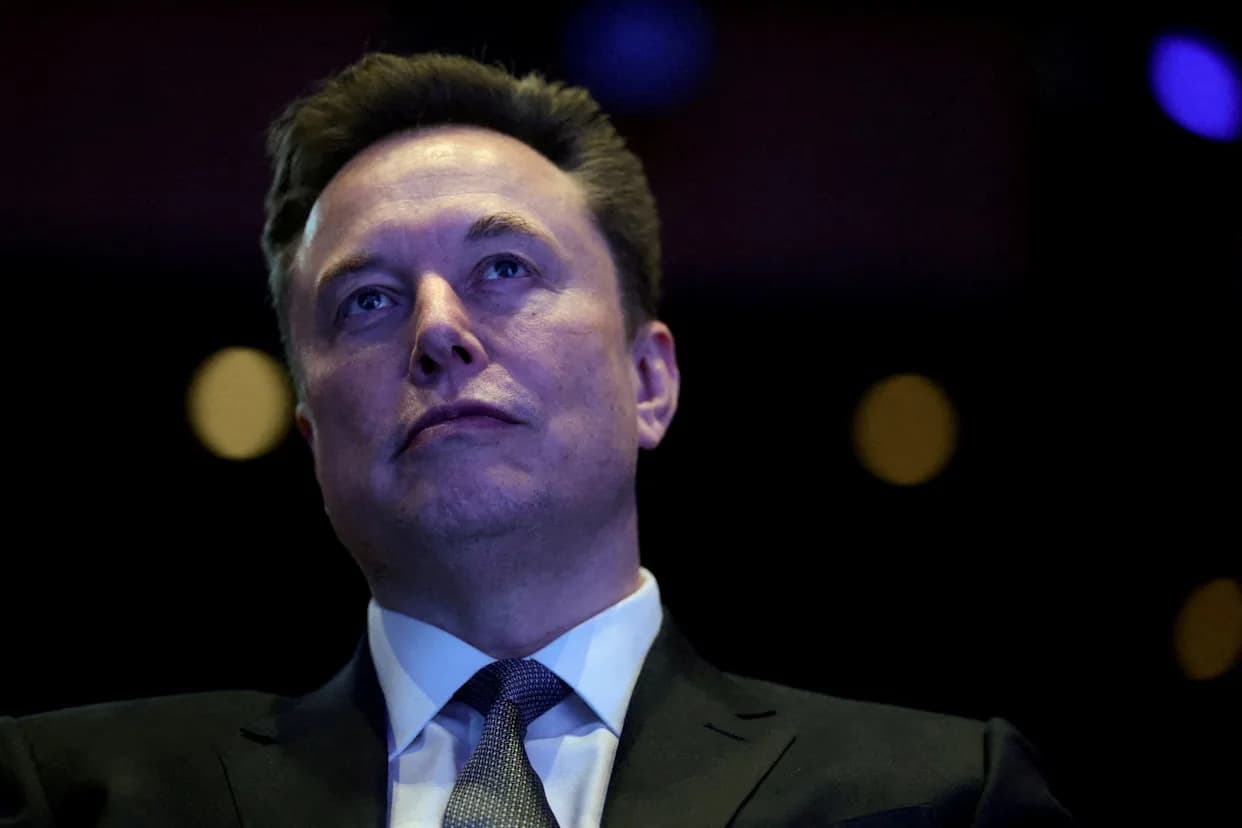
Donald Trump at the World Economic Forum in Davos this week.Photograph: Fabrice Coffrini/AFP/Getty Images(Photograph: Fabrice Coffrini/AFP/Getty Images)
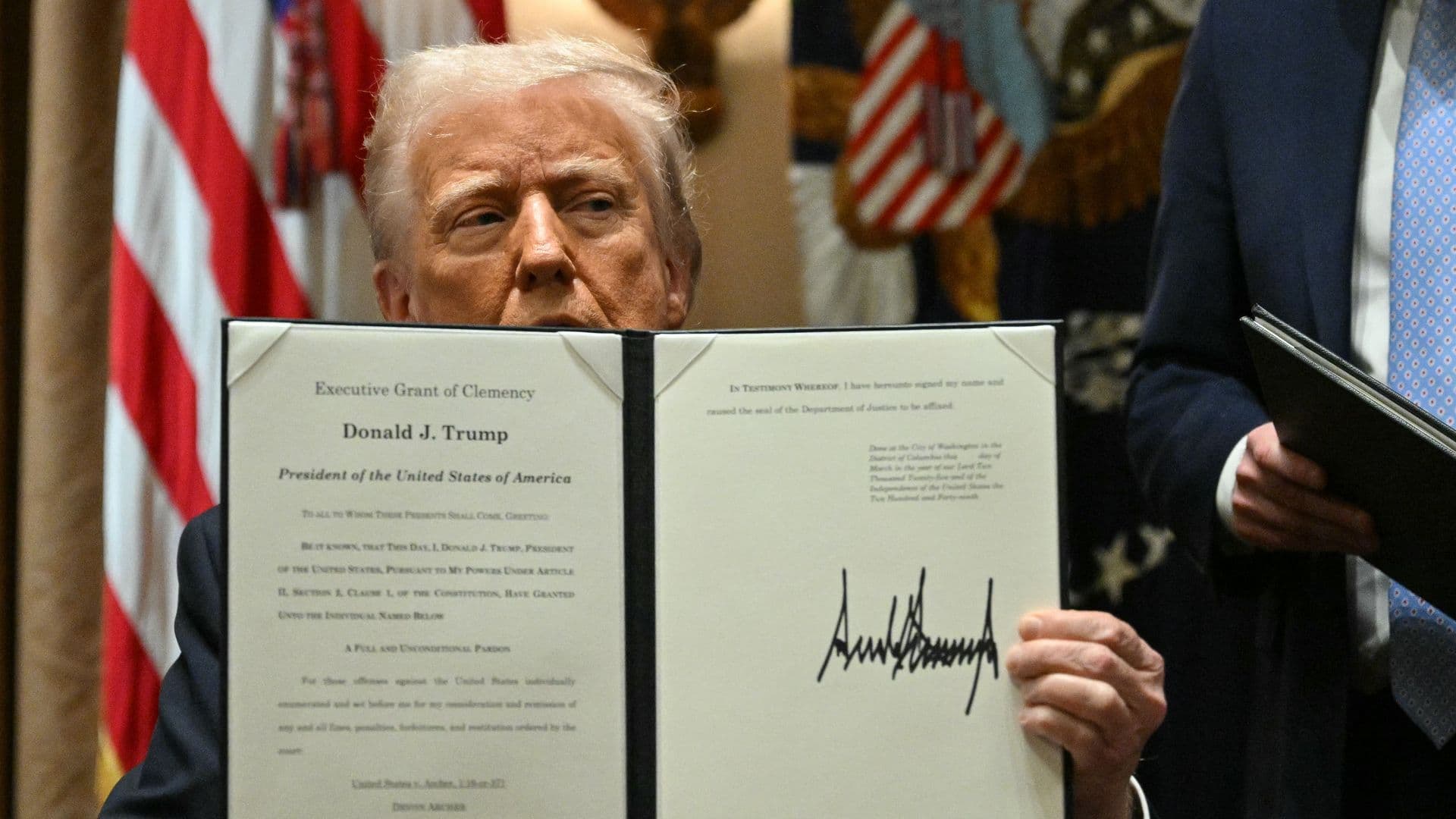
Donald Trump’s recent clemency choices have drawn renewed scrutiny as a growing share of his pardons target people convicted of fraud. While last year’s mass pardons for those tied to the January 6 attack grabbed headlines, the administration’s latest moves highlight a pattern of leniency toward white‑collar offenders.
Who Received Pardons
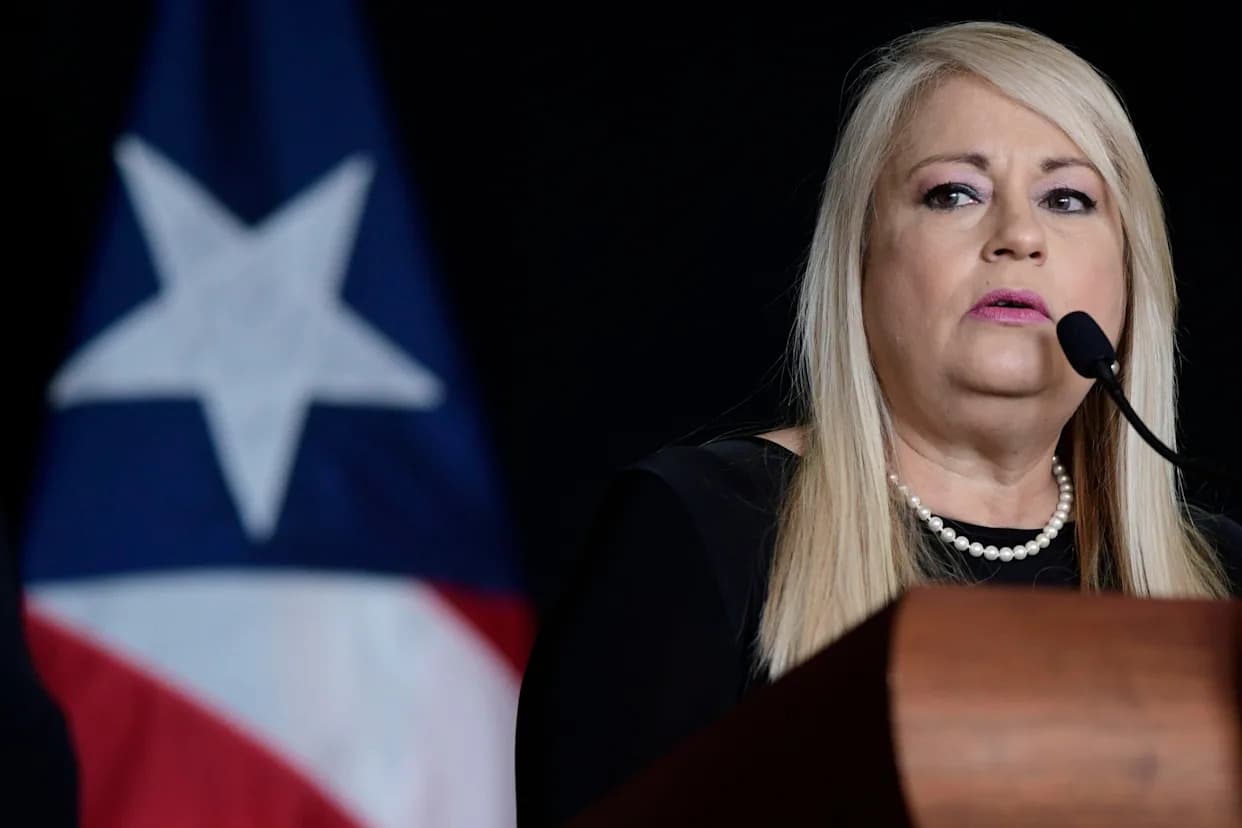
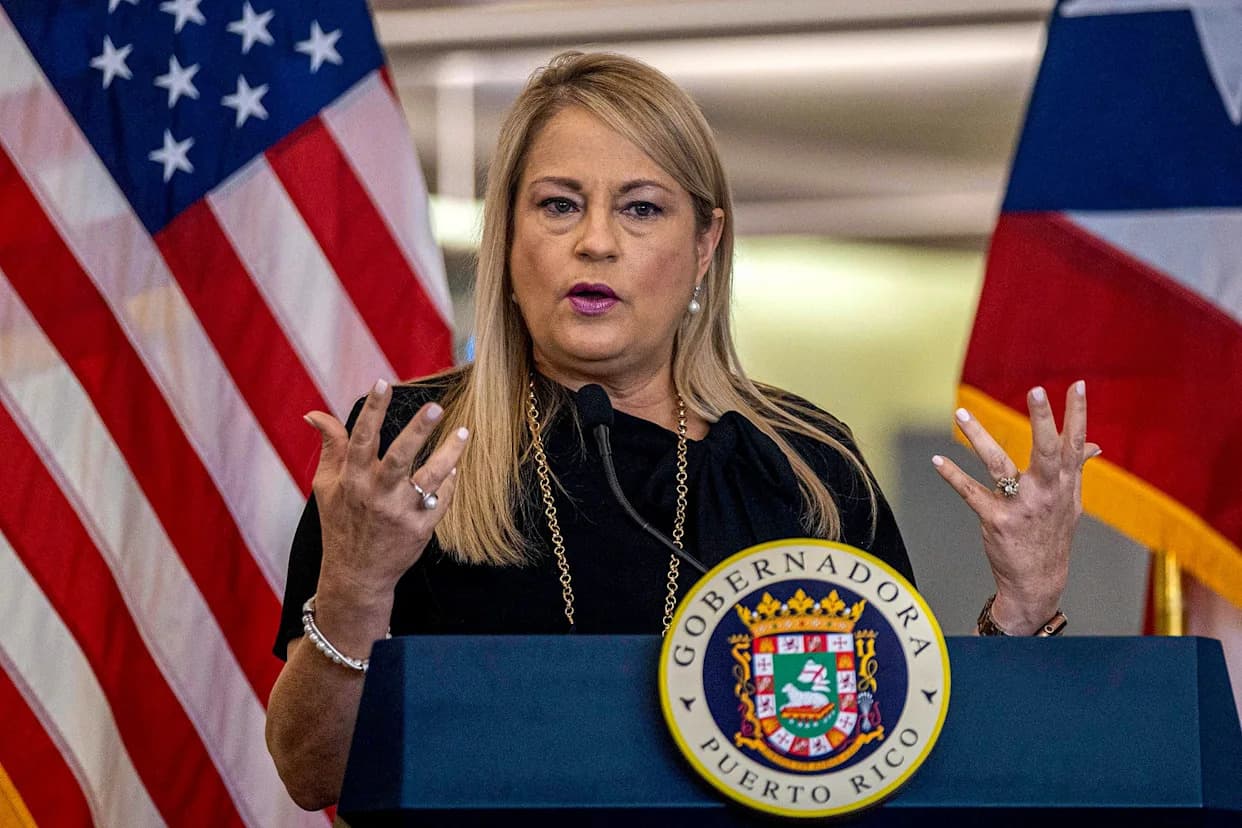
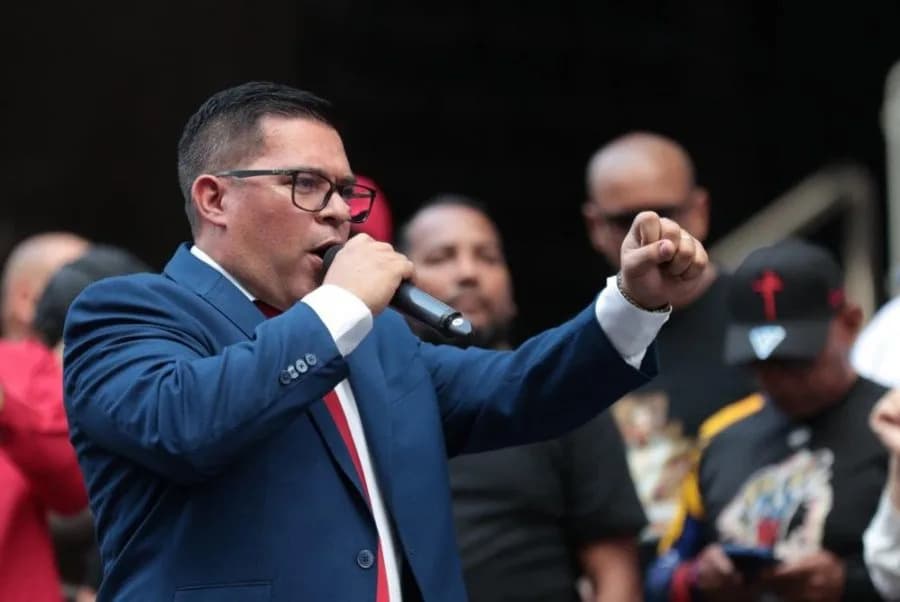
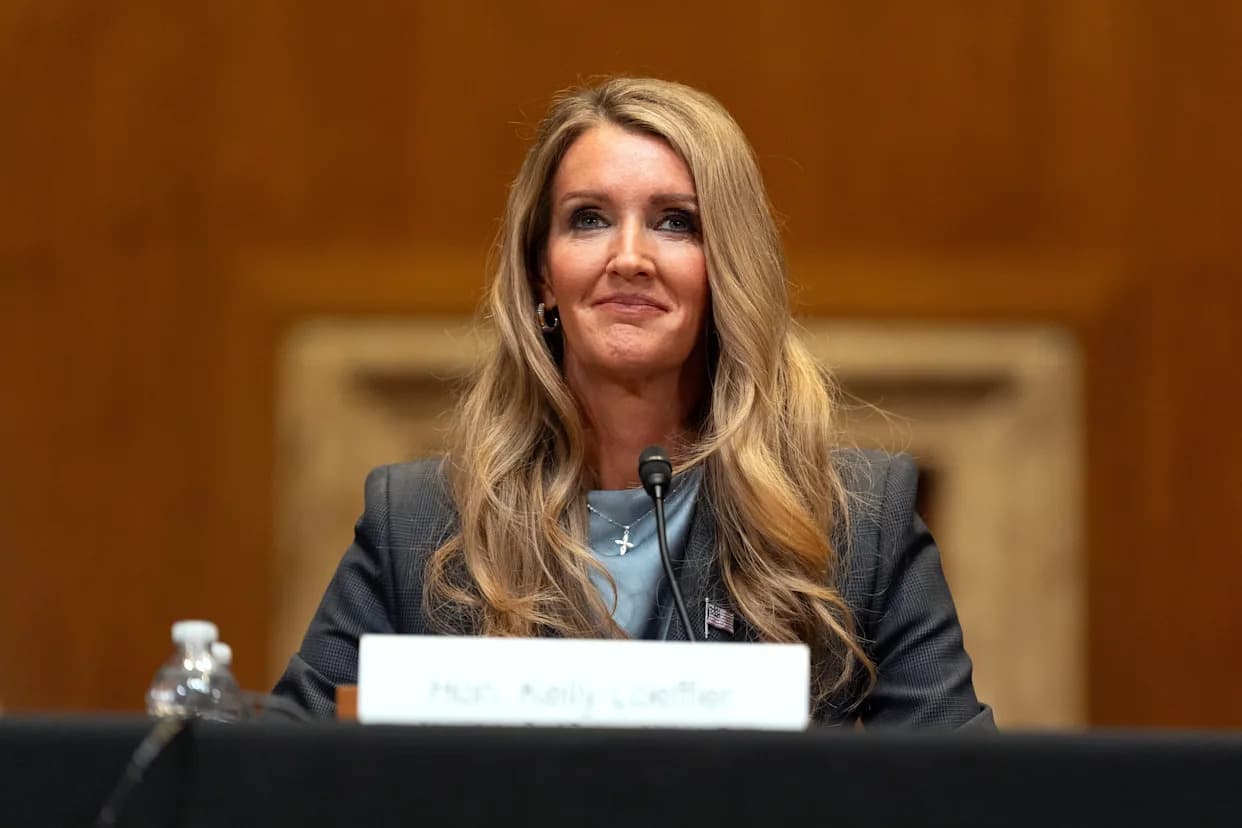
Of the 13 pardons quietly issued this month, most went to people convicted of fraud. Notable recipients included Wanda Vázquez Garced, the former governor of Puerto Rico, who pleaded guilty to a campaign finance violation; Venezuelan banker Julio Herrera Velutini; and former FBI official Mark Rossini, both convicted of wire fraud. Media reports note that Herrera Velutini’s daughter, Isabel Herrera, donated $2.5 million to the pro‑Trump PAC MAGA Inc. and later gave another $1 million in July 2025; a White House official told CBS News the pardons and donations were unrelated.
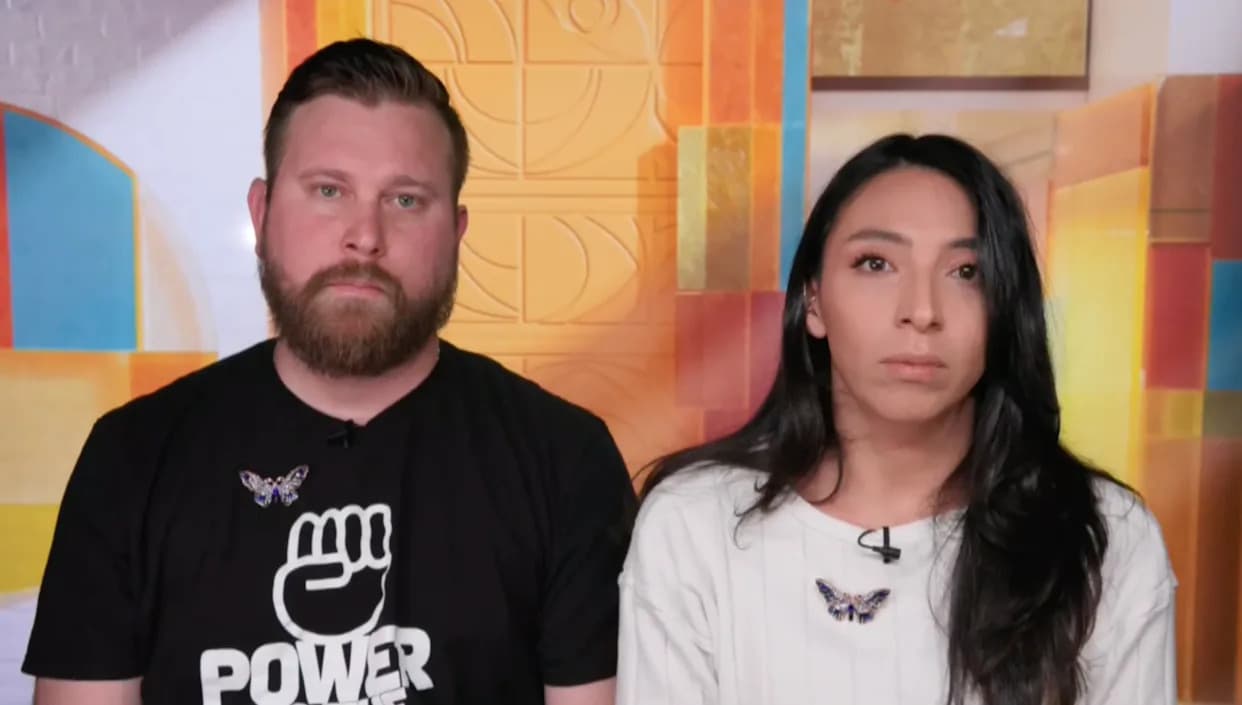
Another clemency this month was granted to Adriana Camberos, whose sentence had previously been commuted in 2021 for her role in a fake 5‑Hour Energy scheme; in 2024 she and her brother were convicted in a separate fraud case involving deceptive purchases of groceries to resell for profit.
Scope And Impact
News analyses show that more than half of Trump’s 88 individual pardons have been for white‑collar offenses — including money laundering, bank fraud and wire fraud. Democrats on the House Judiciary Committee estimate these pardons may have deprived victims and the government of roughly $1.3 billion in restitution and fines.
“Our analysis shows that Trump’s criminal pardon spree is, in addition to everything else, an astonishing giveaway to lawbreakers to keep the money they stole…” — Representative Jamie Raskin
Appeal And Criticism
Critics argue the pardons undercut the administration’s public emphasis on combating fraud. Republicans and the president have criticized alleged fraud in several Democratic‑run states, and the administration has taken steps — later blocked by courts — to cut federal funds to some states on fraud grounds. Opponents call the pardons a politically charged double standard: targeting alleged fraud in certain jurisdictions while clearing convicted fraudsters close to wealth or power.
California Governor Gavin Newsom recently launched a website section to track what he described as “President Trump’s pattern of pardoning convicted fraudsters and corrupt insiders,” framing the clemencies as politically motivated and hypocritical.
White House Response
The White House defended its process, saying pardons undergo a thorough review involving the Department of Justice and the White House counsel’s office before reaching the president. A statement emphasized presidential discretion and said the president prioritizes cases he believes involved abuse or over‑prosecution by a "weaponized" DOJ.
Questions remain about the criteria applied and the wider political implications: the pardons raise policy and ethical concerns about restitution for victims, consistency in the application of justice, and whether political donations or connections influence clemency decisions.
Help us improve.