The article criticizes a weekend recruitment push by former DOJ official Chad Mizelle that solicited lawyers who support President Trump for Assistant U.S. Attorney roles, a message amplified by White House aide Stephen Miller. It argues that implying political loyalty as a hiring requirement undermines prosecutors’ oath to the Constitution and threatens DOJ independence. Critics say recent clemencies and Miller-backed policies have weakened fraud prosecutions and prompted DOJ departures, heightening concerns about politicization. The piece warns that conditioning hiring on partisan support could deter qualified candidates and damage public trust.
Stephen Miller Amplifies Troubling MAGA Recruitment Drive for Federal Prosecutors
Serving as a federal prosecutor has long been regarded as one of the profession’s most respected roles. Assistant U.S. attorneys traditionally navigate Republican and Democratic administrations while focusing on casework rather than the incumbent president’s political agenda.
That norm appeared to erode over the weekend when former Trump Justice Department official Chad Mizelle posted a recruitment message on X aimed at lawyers who back President Trump. Mizelle — who left the administration but remains connected to its networks — wrote:
"If you are a lawyer, are interested in being an AUSA, and support President Trump and anti-crime agenda, DM me. We need good prosecutors. And DOJ is hiring across the country. Now is your chance to join the mission and do good for our country."
White House deputy chief of staff Stephen Miller amplified the post and added his own pitch:
"If you want to combat fraud, crime and illegal immigration, reach out. Patriots needed."
The joined messages imply that political support for the current president is a desirable—if not required—qualification for federal prosecutor jobs. That implication is deeply problematic for two main reasons.
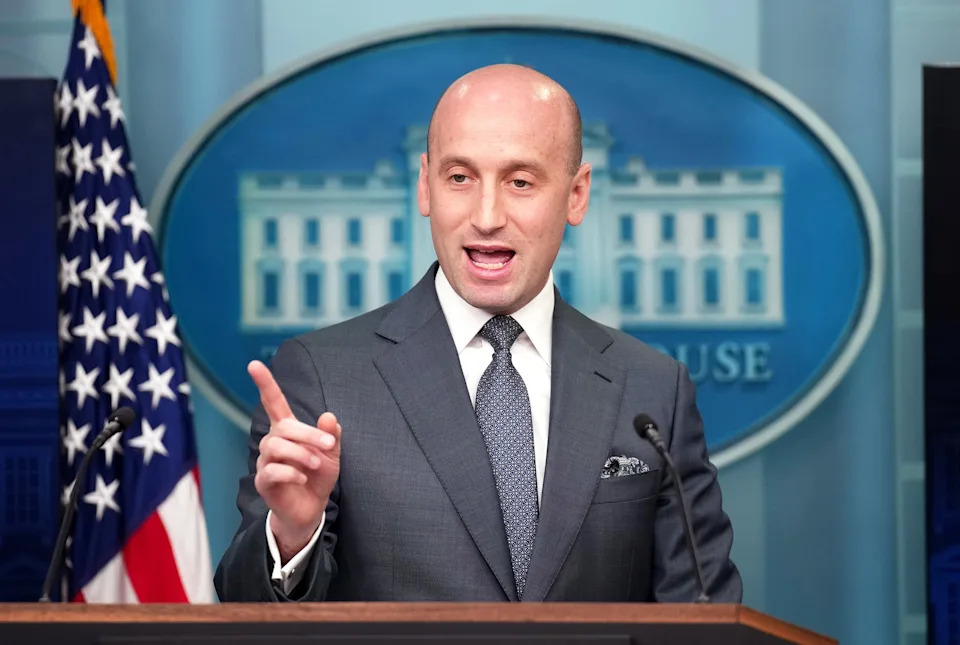
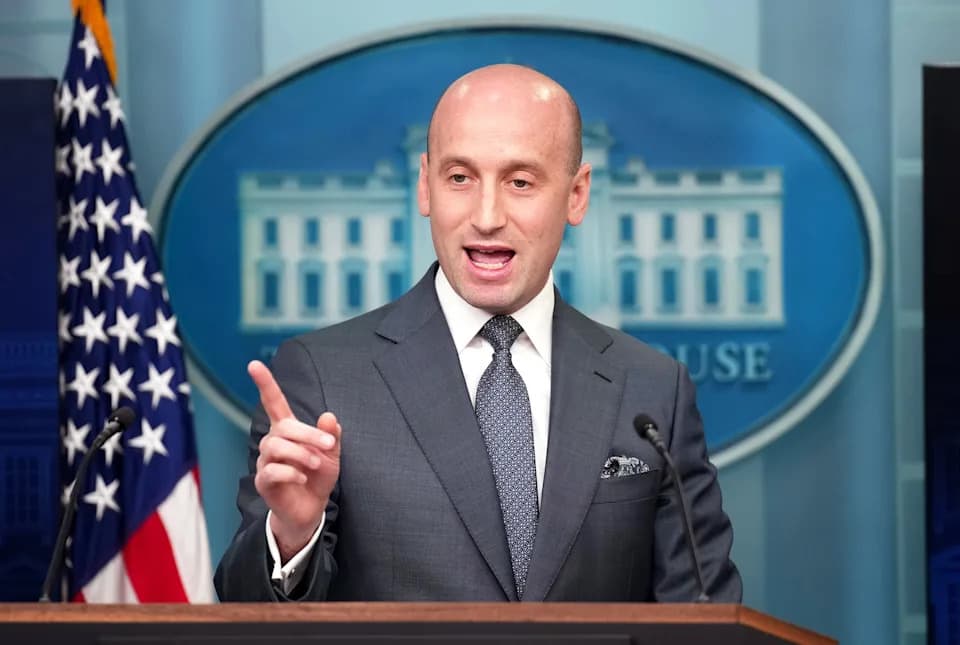
White House Deputy Chief of Staff Stephen Miller on May 1, 2025 at a daily press briefing in the Brady Press Briefing Room at the White House.(Andrew Harnik / Getty Images)
Ethical and Institutional Concerns
Federal prosecutors take an oath to the Constitution, not to any individual political leader. Conditioning hiring on expressed political loyalty risks undermining prosecutorial independence and the impartial administration of justice. Expecting fealty to a party or president conflicts with the ethical duty prosecutors have to apply the law fairly and without partisan influence.
Practical Consequences
Beyond ethics, the approach is short-sighted. Many skilled attorneys who do not support a particular president still want to prosecute nonpolitical cases involving violence, drugs, fraud and other crimes that affect public safety across the political spectrum. Narrowing the applicant pool to political supporters could deter qualified candidates and weaken the department’s ability to carry out its mandate.
Critics also argue Miller’s emphasis on "combating fraud" rings hollow in light of recent developments. They point to presidential clemencies that have benefited some fraud convicts, in some cases undoing or complicating prosecutors’ prior work. Separately, Miller-backed anti-immigrant initiatives — notably cited in places like Minnesota — are reported to have contributed to recent DOJ departures, including the exit of a senior fraud prosecutor, part of a broader concern about politicization and staffing disruptions.
For prosecutors who remain, many choose to stay because of professional commitment to the rule of law, not because of recruitment appeals from partisan figures. If political loyalty becomes a hiring criterion, it risks further eroding trust in the Justice Department’s independence and deterring capable candidates who prioritize impartial enforcement.
Bottom line: Recruiting prosecutors on the basis of political alignment raises ethical red flags, practical risks to the department’s effectiveness, and the prospect of deeper politicization of an institution meant to function above partisan battles.
Help us improve.