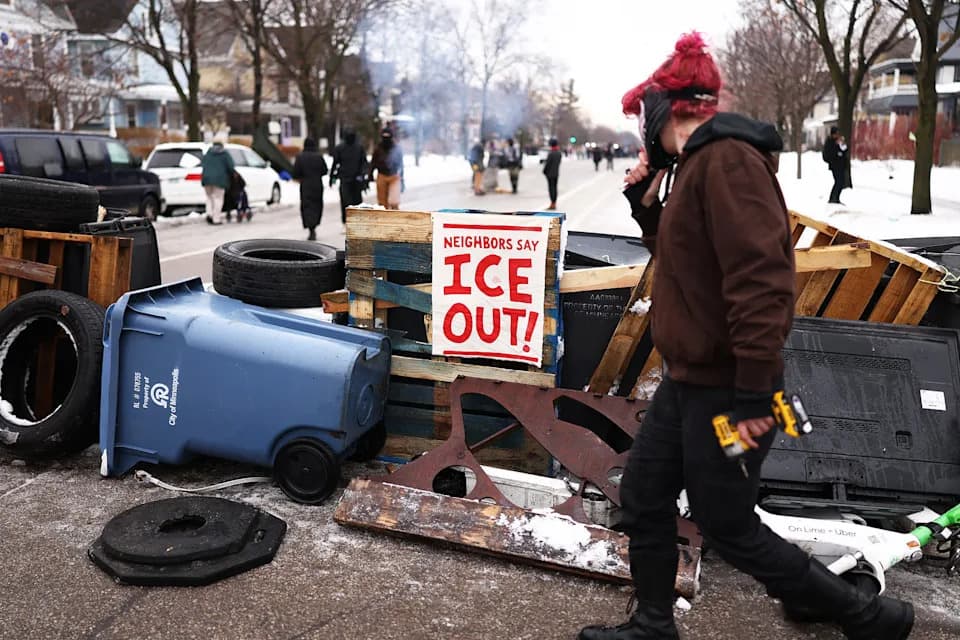
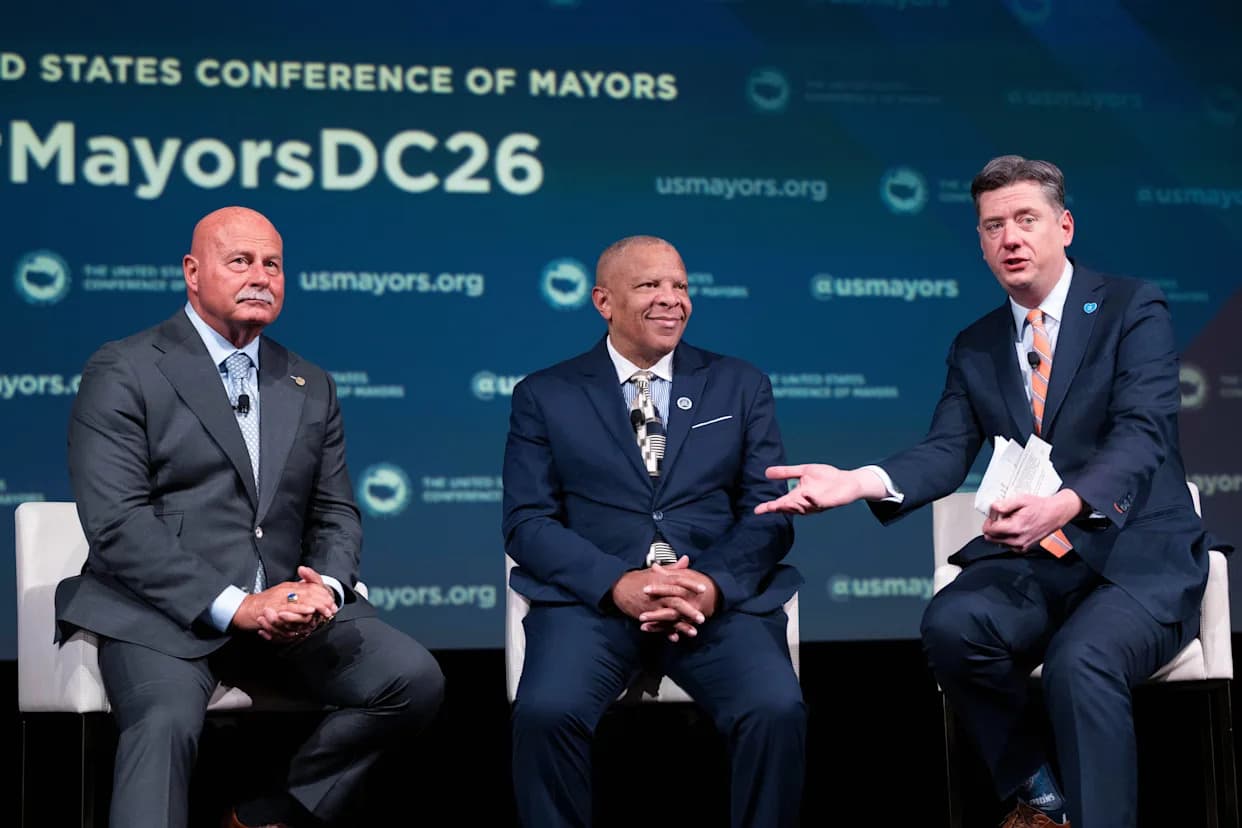
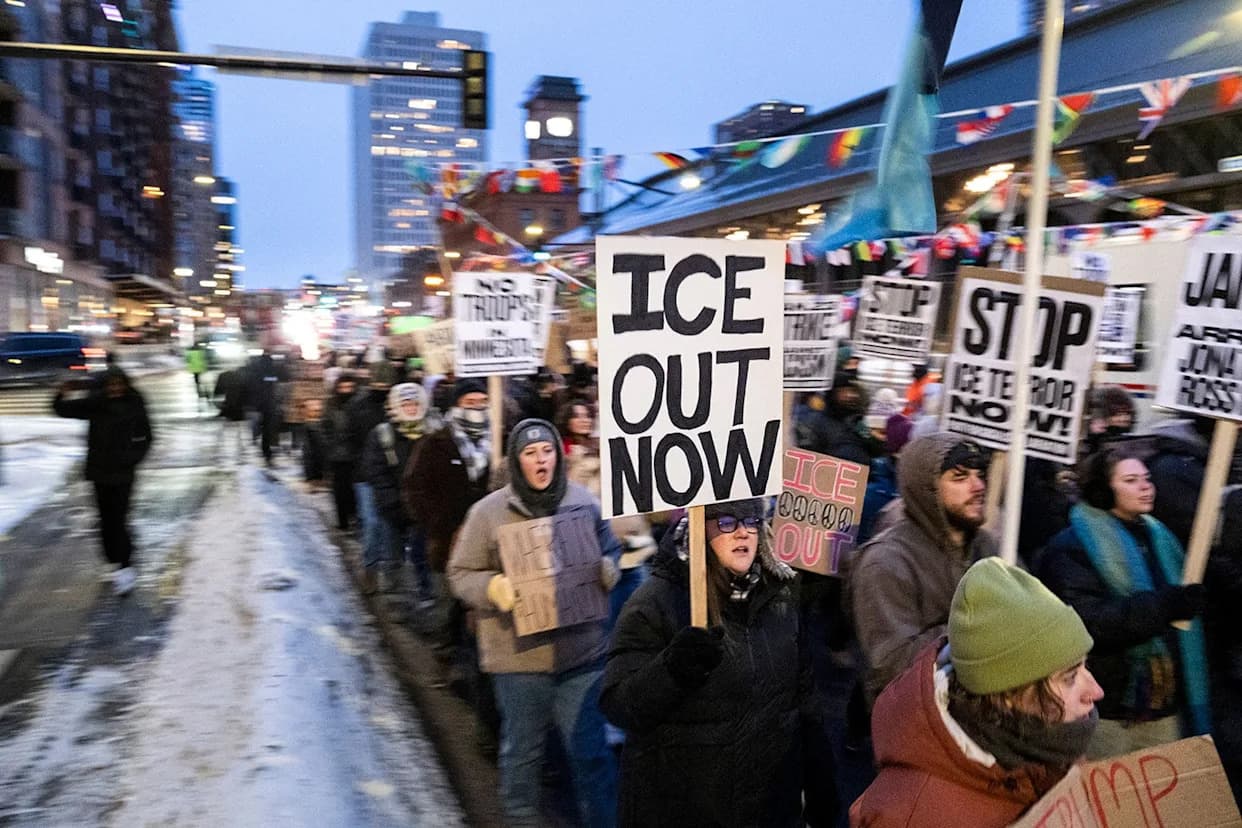
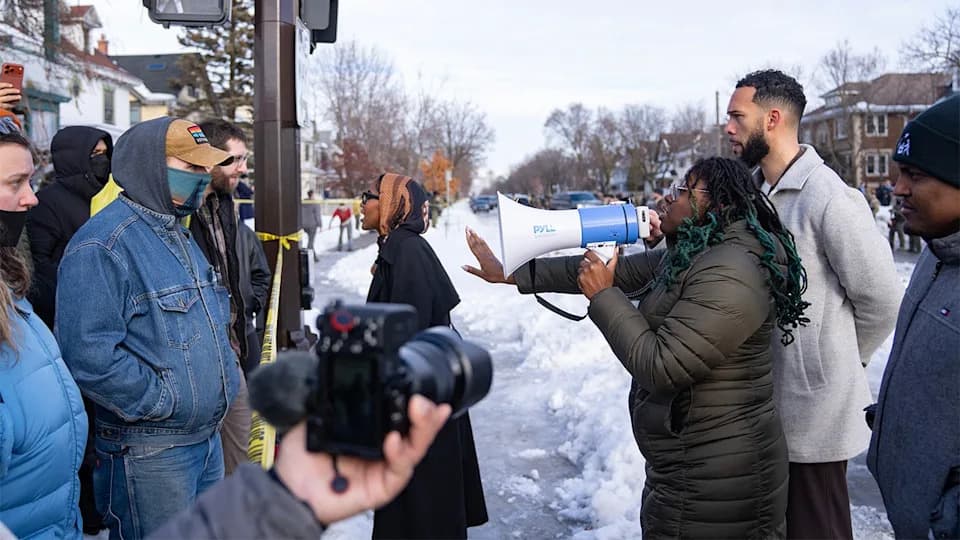
Seattle Mayor Katie Wilson announced an executive order banning federal immigration enforcement on city-owned and city-controlled property and directed the Seattle Police Department to investigate and document reported ICE activity. Responding officers must use body and in-car cameras, verify federal agents' credentials, secure scenes and preserve evidence. The city will invest $4 million in legal services for immigrants and launch the "Stand Together Seattle" initiative, including a community-run hotline. The White House criticized the move and cited a reported rise in assaults against ICE officers.
Seattle Mayor Bans ICE From City Property, Orders Police To Document Federal Immigration Actions
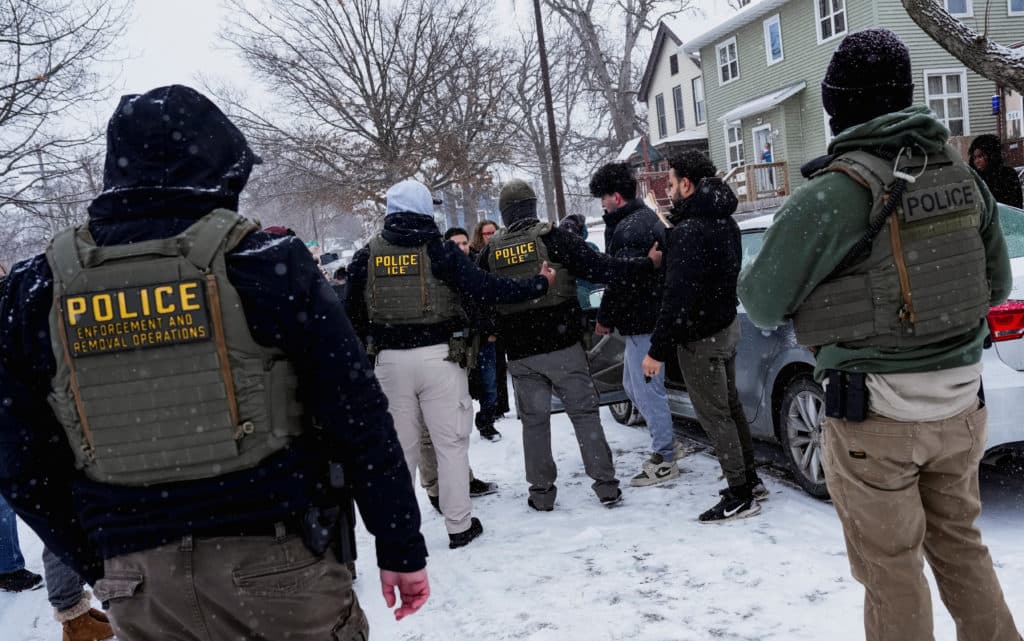
Seattle mayor pushes local police to track, investigate ICE agents' enforcement activities
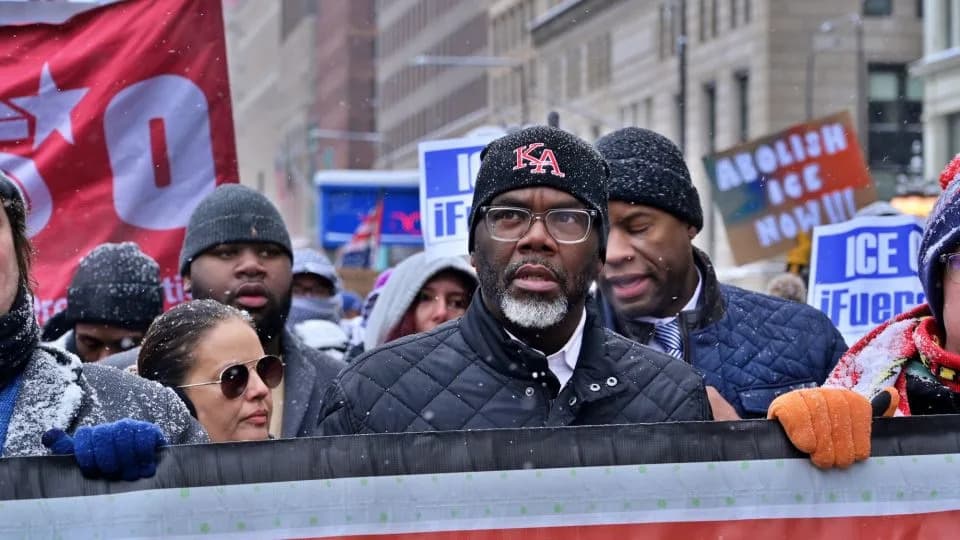
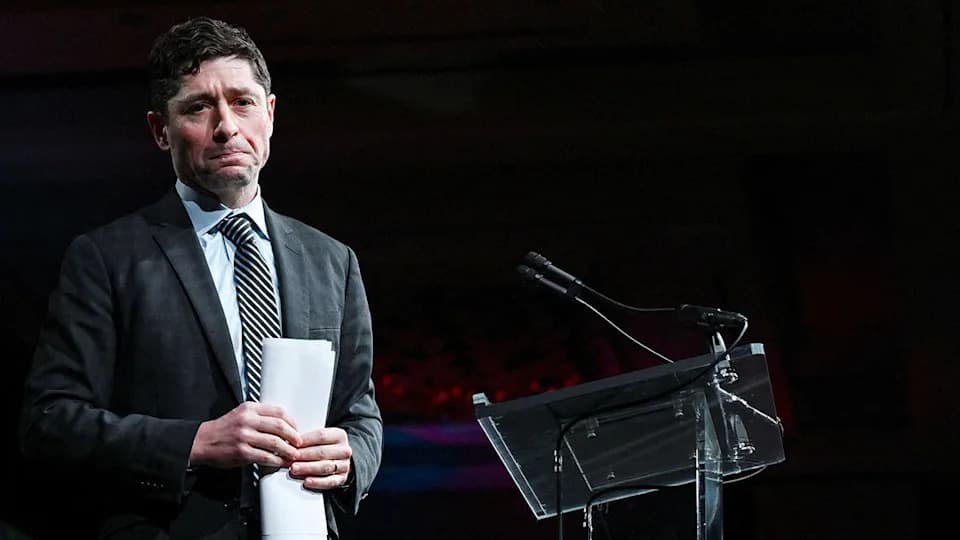
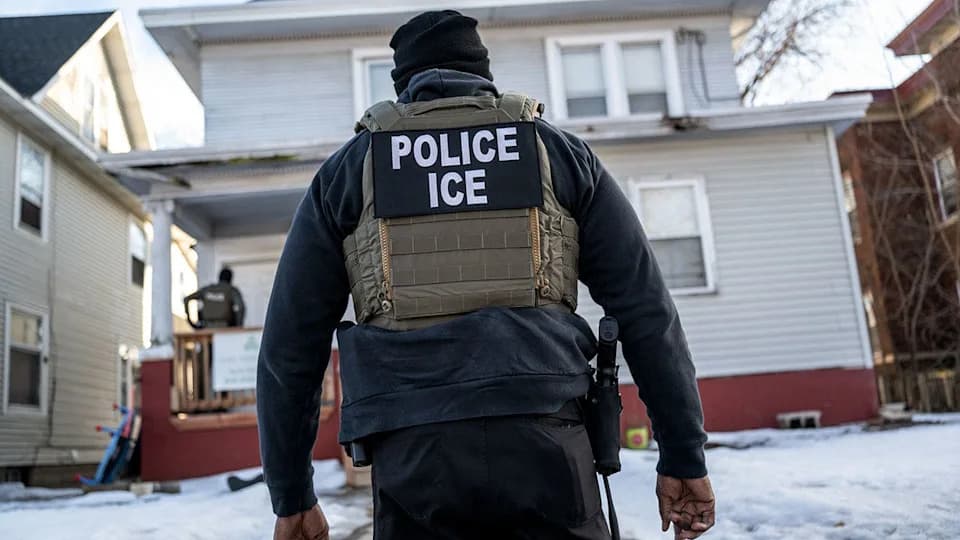
Seattle’s newly sworn-in mayor, Katie Wilson, announced a package of measures on Thursday designed to limit federal immigration enforcement on city property and to require local police to investigate and document reports of U.S. Immigration and Customs Enforcement (ICE) activity.
What the Executive Order Does
Wilson said she will sign an executive order prohibiting federal immigration authorities from conducting enforcement operations on city-owned or city-controlled property. The restriction covers a wide range of public spaces — including city parks, parking lots, plazas, vacant lots, storage facilities, garages and the Seattle Center, the city’s entertainment and tourism campus that includes the Space Needle.
Police Documentation And Procedures
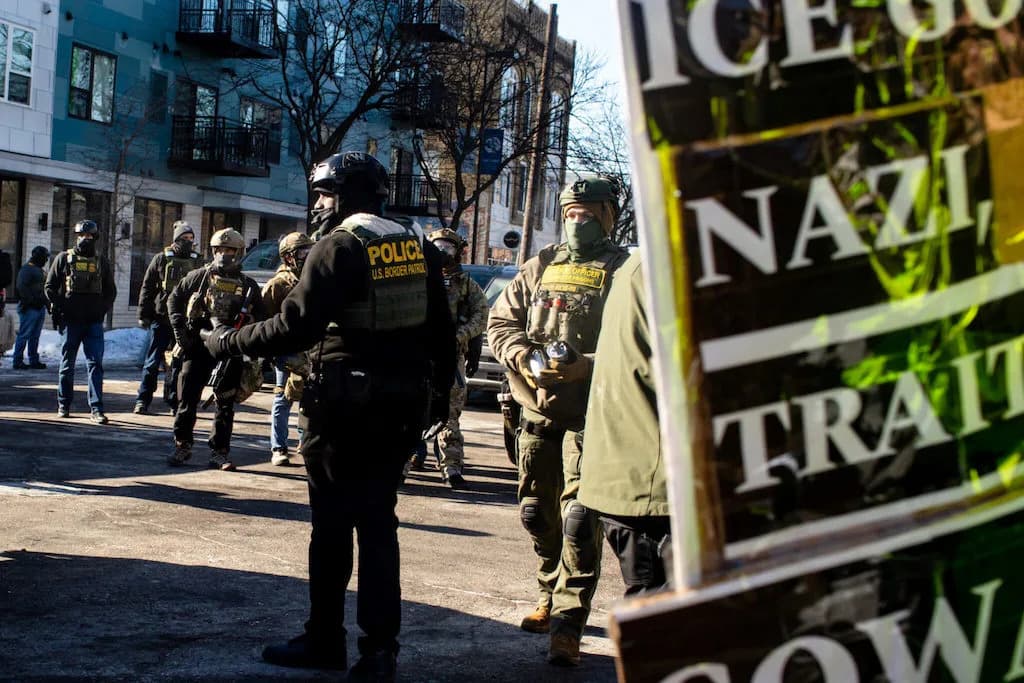
Under the mayor’s plan, the Seattle Police Department (SPD) must "investigate, verify, and document" reports of ICE or other federal immigration enforcement actions when notified. Officers responding to such reports will:
- Record events using body-worn and in-car cameras;
- Confirm the identity and official credentials of federal agents;
- Secure scenes where potentially unlawful acts are alleged and preserve evidence for prosecutors;
- Log and report verified incidents to a city-managed system and to community partners.
SPD Chief Shon Barnes emphasized that the department’s priority is public safety for everyone and reiterated that local officers must follow laws that limit city participation in immigration enforcement. He also noted that city police do not have authority over federal agents or federal immigration policy but will document incidents when notified.
Support For Immigrant Communities
The mayor’s package includes a $4 million allocation to support organizations providing legal defense and services to immigrant communities. Officials will also launch the "Stand Together Seattle" initiative, which asks private property owners to post notices clarifying that federal agents may not enter without a warrant and establishes a community-operated hotline to collect and share reports of enforcement activity through trusted, community-led partners.
Reactions
Mayor Katie Wilson: "Whoever you are, and wherever you come from: if Seattle is your home, then this is your city. It’s our responsibility as city leaders to move quickly and get organized so we can keep people safe."
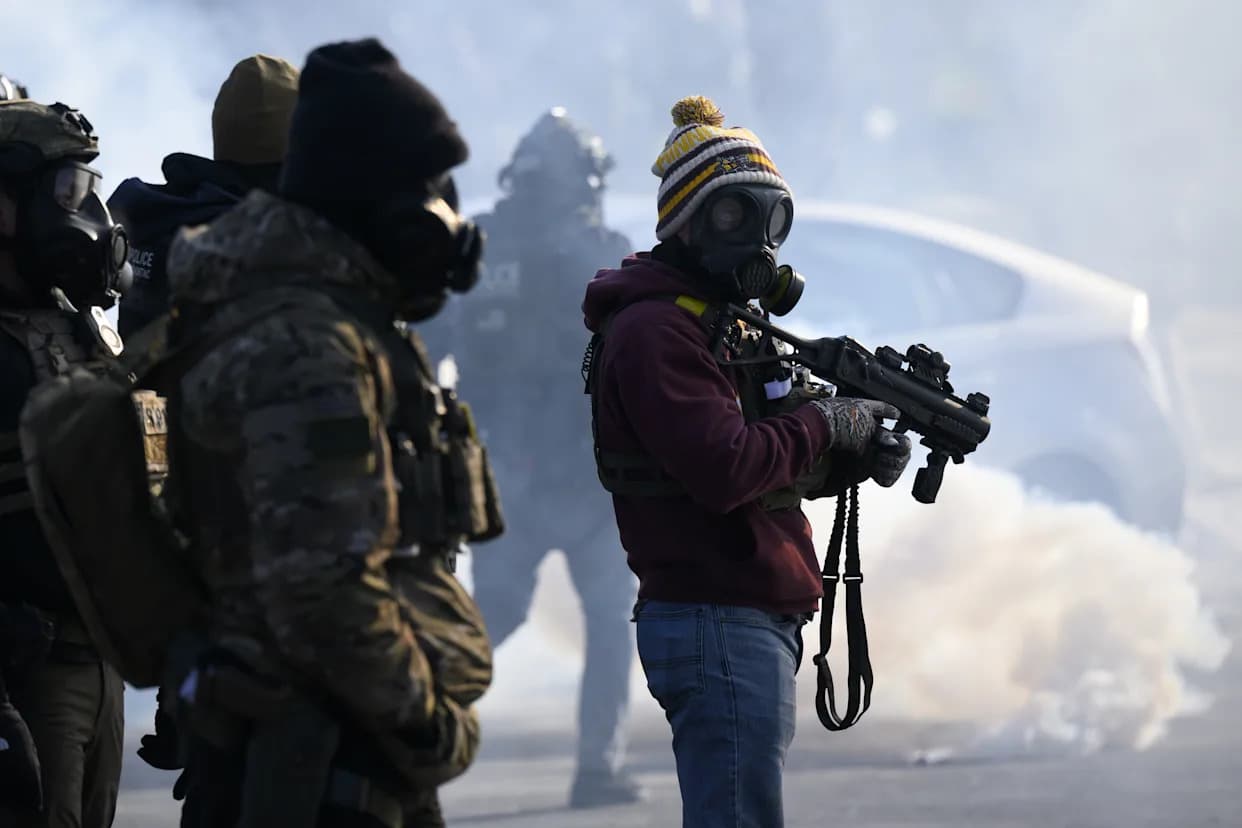
White House response: A White House spokesperson criticized local leaders for declining to cooperate with ICE, saying such refusals force federal agents into community operations that can become confrontational. The statement cited a reported 1,300% increase in assaults on ICE officers; that figure was presented by the White House and reported by media outlets.
Councilman Bob Kettle: Called recent federal actions in other cities "absolutely unacceptable" and said the council will continue work to create "a Safer Seattle" backed by local law enforcement.
Context And Legal Limits
Seattle’s measures stop short of obstructing federal law enforcement, which retains authority over federal immigration law. Instead, the policies focus on restricting the use of city property for federal enforcement, documenting federal activity, supporting immigrants with legal services, and encouraging community notification and coordination. Some elements of the plan — such as posting private-property notices and the scope of local documentation — may prompt legal and procedural questions as implementation proceeds.
City officials framed the actions as steps to protect residents’ safety and civil liberties while preserving evidence and transparency around federal enforcement operations.
Help us improve.