Estonian Prime Minister Kaja Kallas rejected calls for a pan‑European army, warning it could create dangerous command confusion with NATO. She told a security conference in Norway that the chain of command—"who gives orders to whom"—is the most important military asset in a crisis. Norway’s prime minister and Dutch Prime Minister Mark Rutte also opposed a separate European force and stressed that Europe still relies on U.S. military support unless defence spending is substantially increased.
Kaja Kallas Warns a Europe-Wide Army Could Create Dangerous Command Gaps
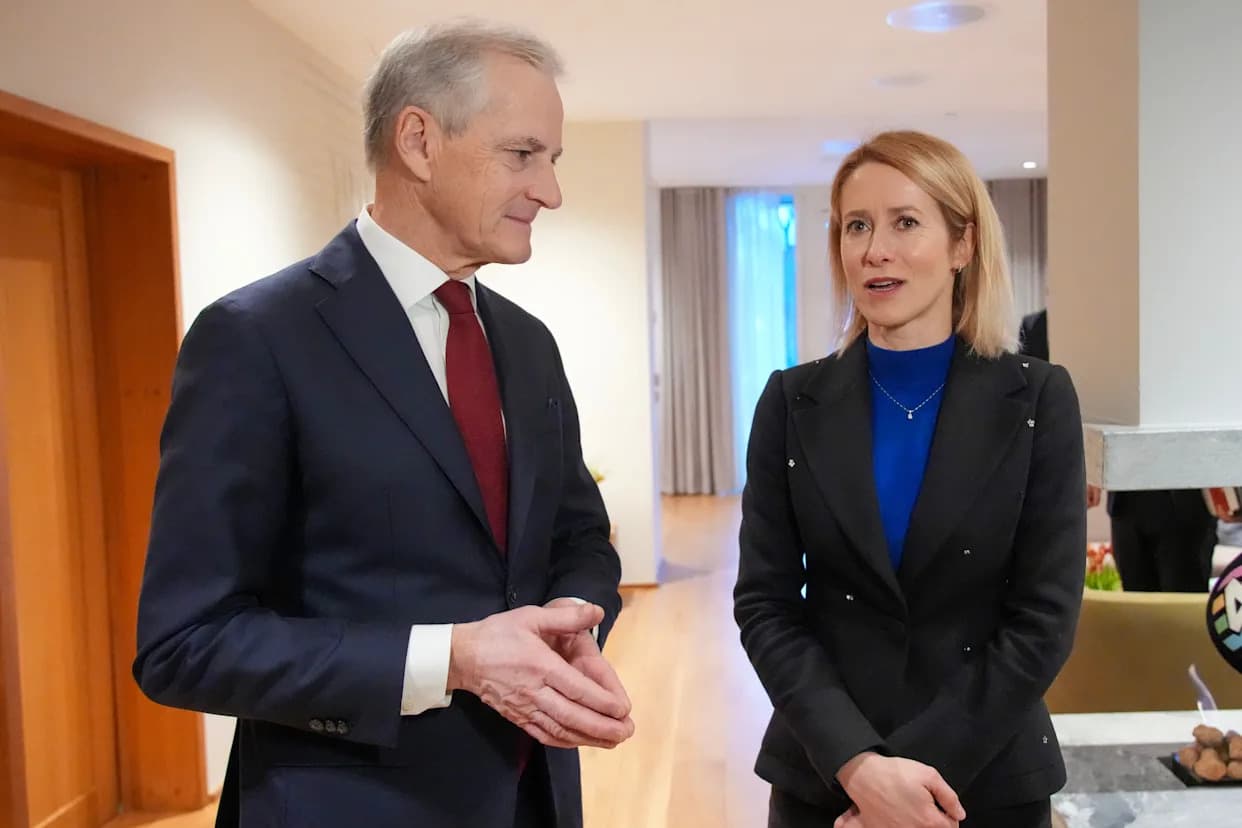
Norway's Prime Minister Jonas Gahr Store, left, and EU Foreign Affairs Chief Kaja Kallas talk during their meeting in Oslo, Monday, Feb. 2, 2026. (Ole Berg-Rusten/NTB Scanpix via AP)(ASSOCIATED PRESS)
Estonian Prime Minister Kaja Kallas on Monday dismissed proposals for a pan‑European army, warning that creating a separate European force could be "extremely, extremely dangerous" because it risks confusing command structures with NATO.
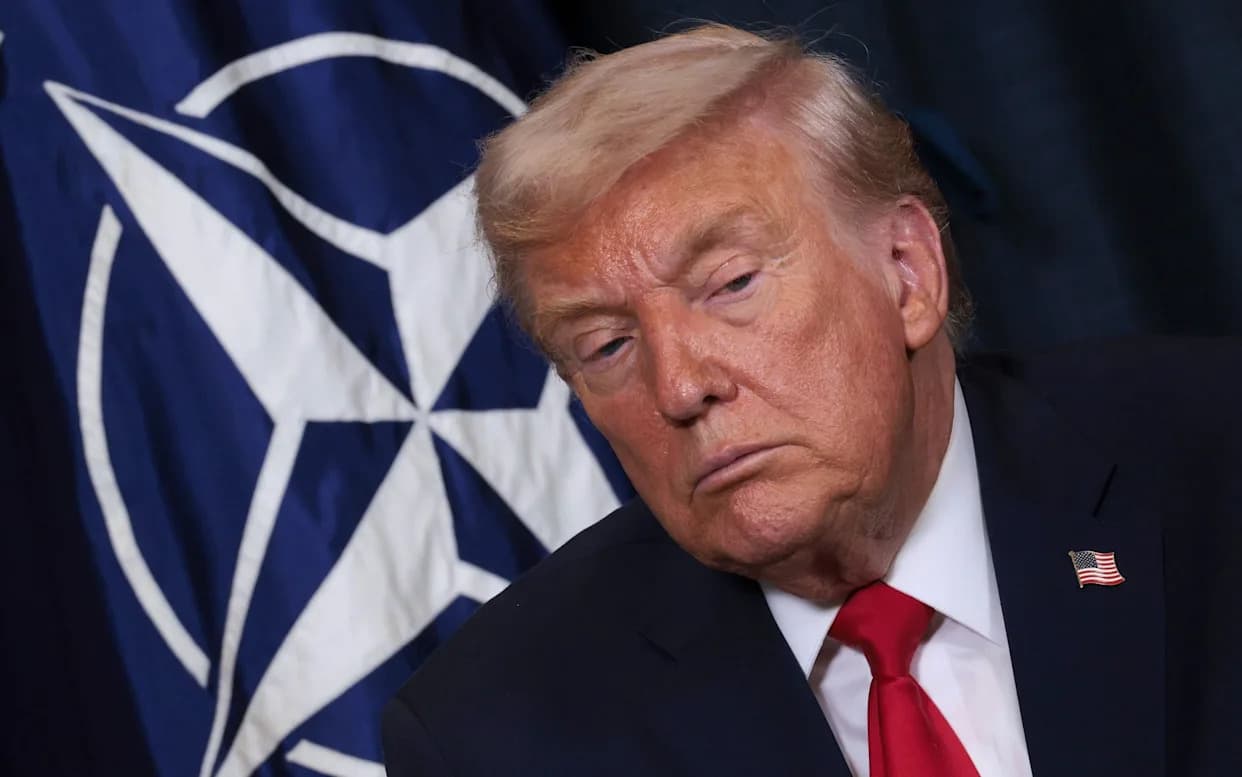
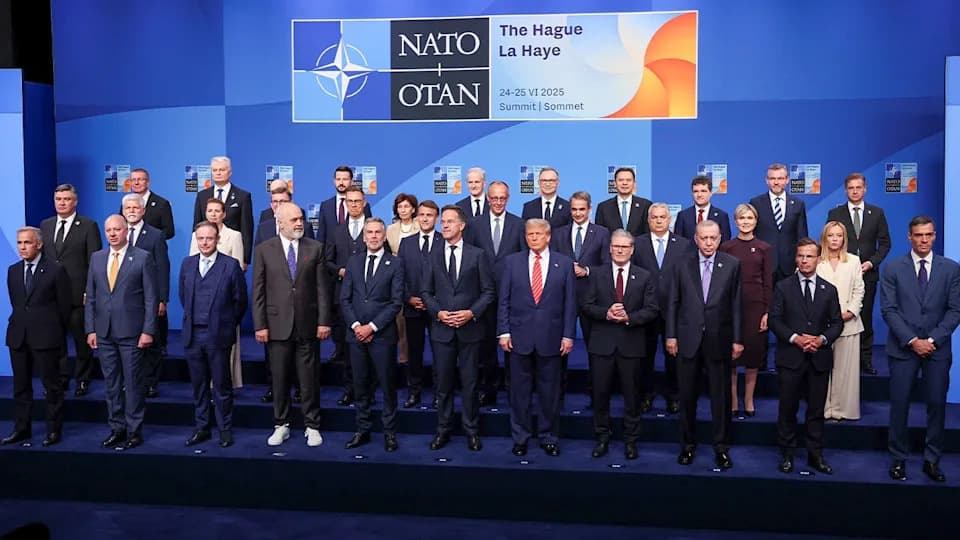
The idea of a Europe‑wide military has resurfaced amid tensions within NATO following President Donald Trump’s controversial comments about possibly annexing Greenland, the semiautonomous territory of NATO ally Denmark.
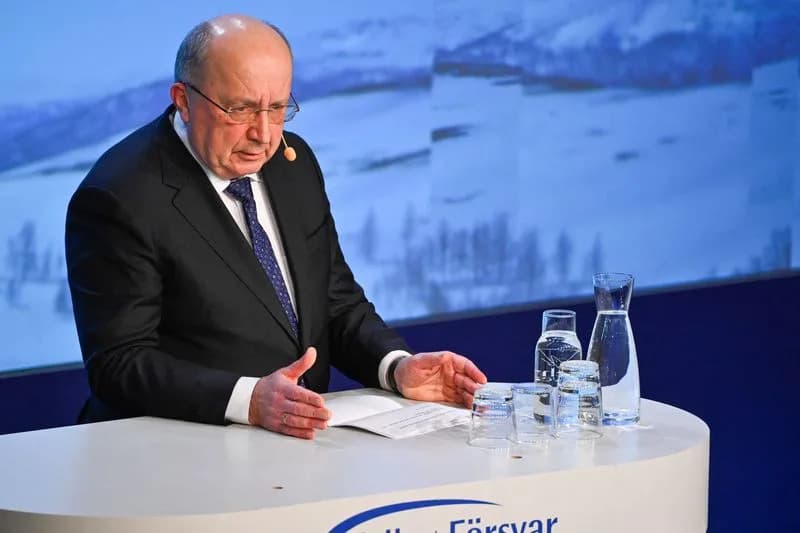
Speaking at a security conference in Norway, Kallas said practical problems make a separate European army unrealistic for NATO members. "Those who say that we need a European army, maybe those people haven’t really thought this through practically," she said. "If you are already part of NATO then you can’t create a separate army."
Chain of command is central, Kallas added, arguing that in a crisis the most critical military asset is clarity about who gives orders to whom. "If you have, like the European army and then you have the NATO (one), then, you know, the ball just falls between the chairs. And this is extremely, extremely dangerous."
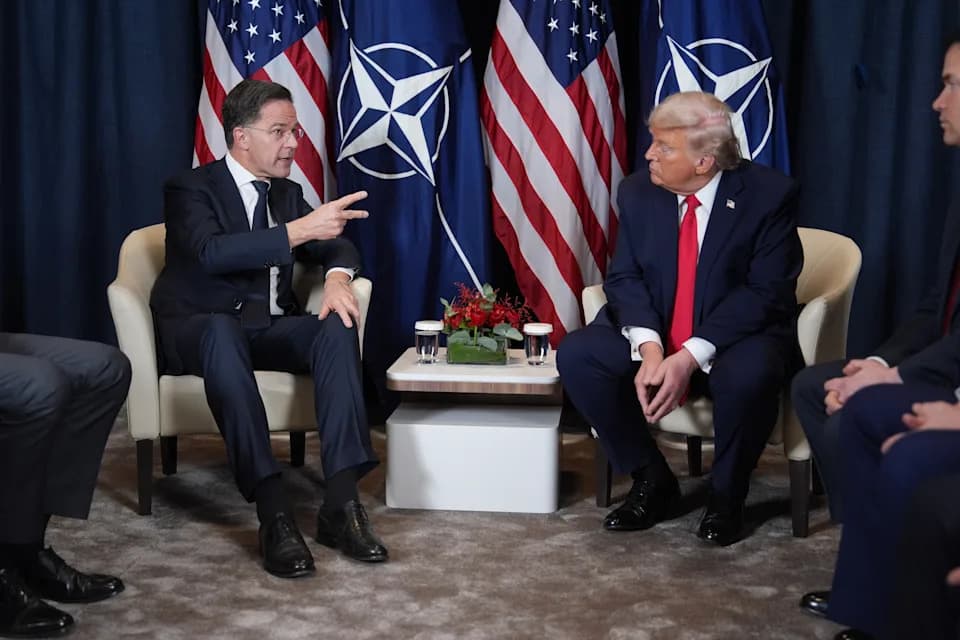
NATO’s military operations are directed by a Supreme Allied Commander, a post traditionally held by a senior U.S. officer, which illustrates the alliance’s integrated command structure.
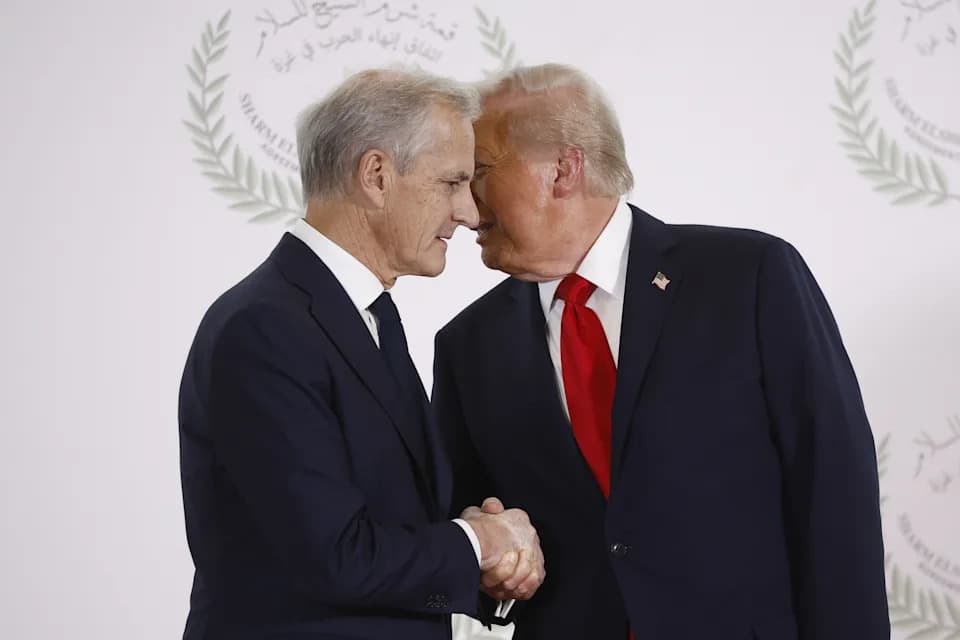
Norway’s Prime Minister, Jonas Gahr Støre, told the conference that while NATO’s decision‑making among allies is complex, it is a trained and established system. He rejected the idea of a separate European army as "not a road we should travel." (Norway is not a member of the European Union.)
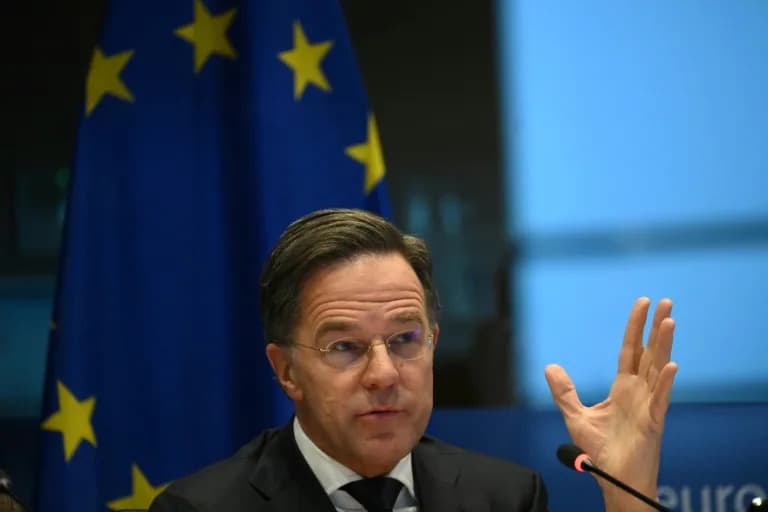
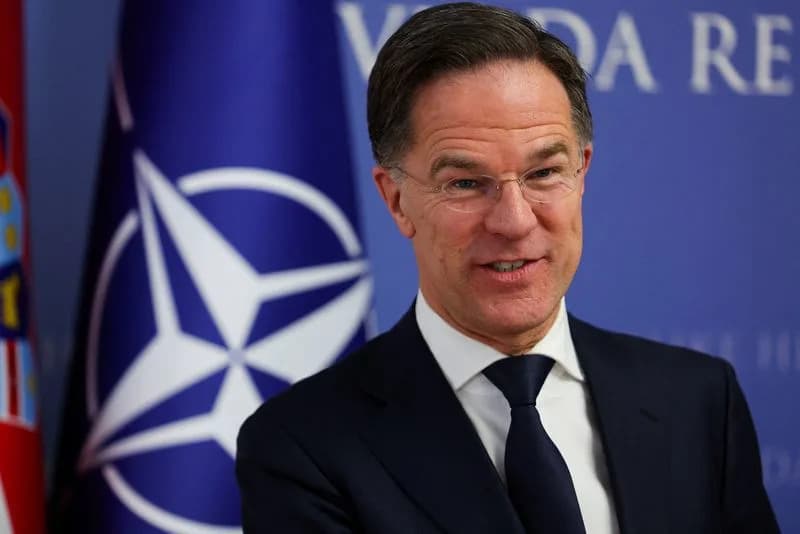
Separately, Dutch Prime Minister Mark Rutte warned EU lawmakers last week that Europe cannot currently defend itself without U.S. military support and would need to substantially increase defence spending to change that calculus. "If anyone thinks here … that the European Union or Europe as a whole can defend itself without the U.S., keep on dreaming. You can’t," he said, adding that Europe and the United States "need each other."
The debate underscores a broader discussion in Europe about burden‑sharing, strategic autonomy, and how best to strengthen defence capabilities without creating overlapping or conflicting military structures.
Help us improve.