The UN warns that about 100,000 people are sheltering in roughly 100 overcrowded temporary centres in Mozambique after floods that have killed nearly 140 people and displaced about 400,000 since October 1. UNHCR says women, girls, the elderly and people with disabilities are at heightened risk and has appealed for urgent protection and assistance. UNHCR seeks $38.2 million for its 2026 response, while WFP needs $32 million for the next three months to reach more than 450,000 people. Damaged roads and washed-away bridges are hampering relief efforts, and agencies warn further displacement is possible as rain continues.
UN Warns of Severe Overcrowding in Mozambique Flood Shelters — Urgent International Aid Needed
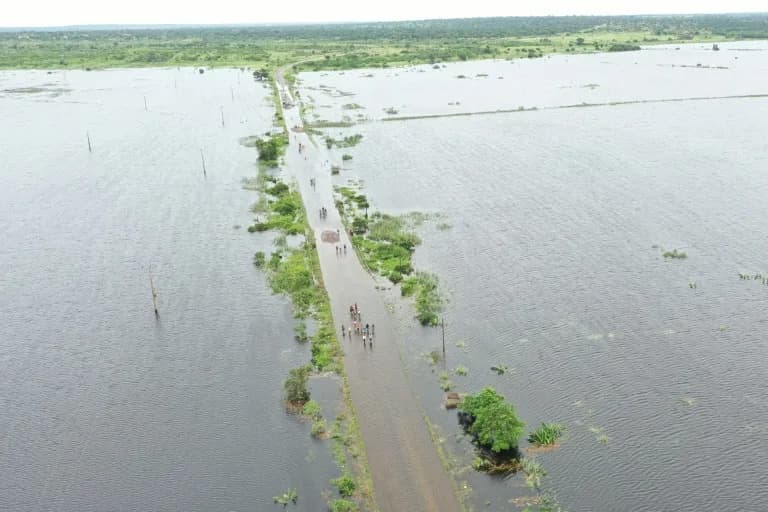
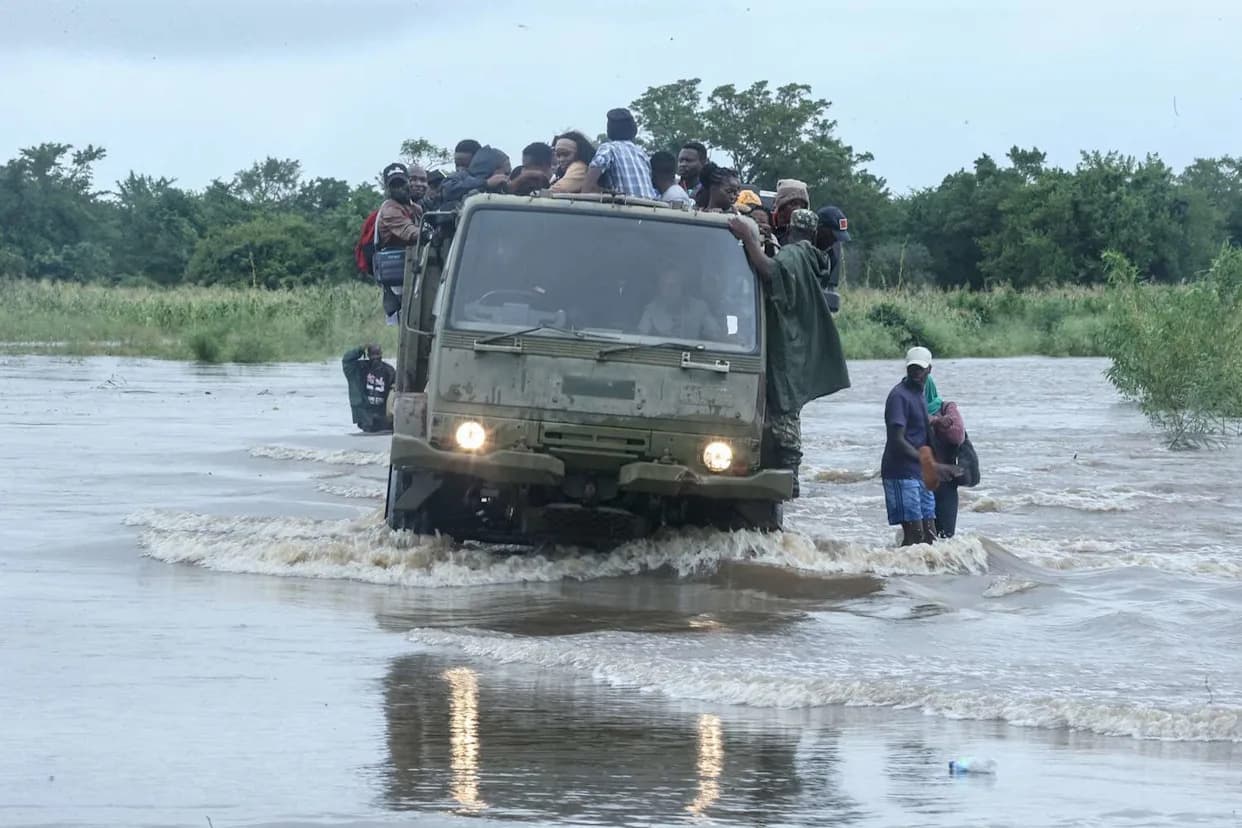
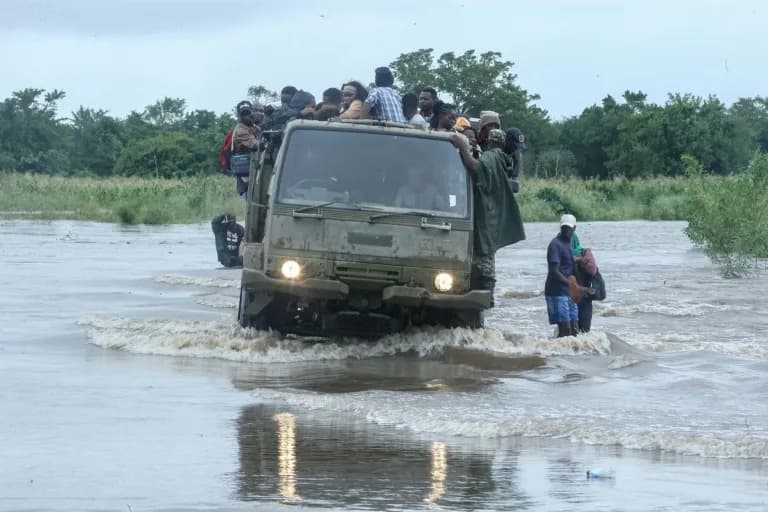
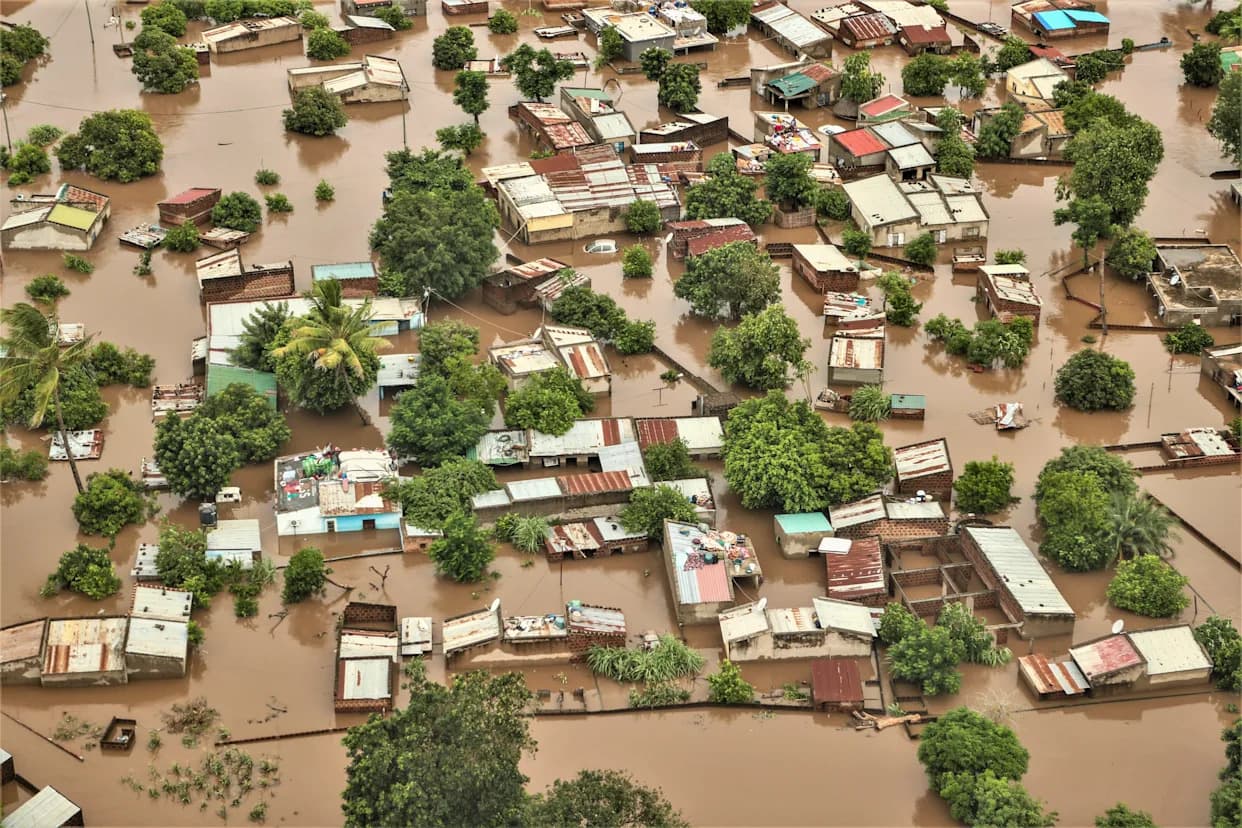
The latest bout of flooding has claimed nearly 140 lives in Mozambique since October 1 (Emidio JOZINE)(Emidio JOZINE/AFP/AFP)
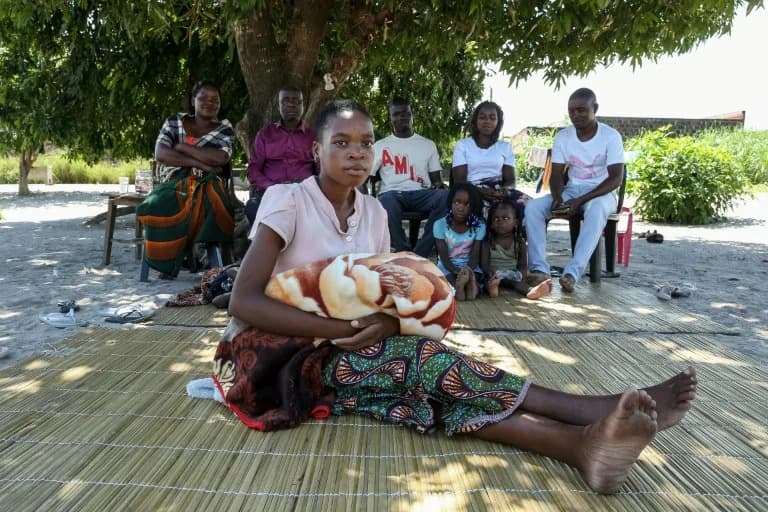
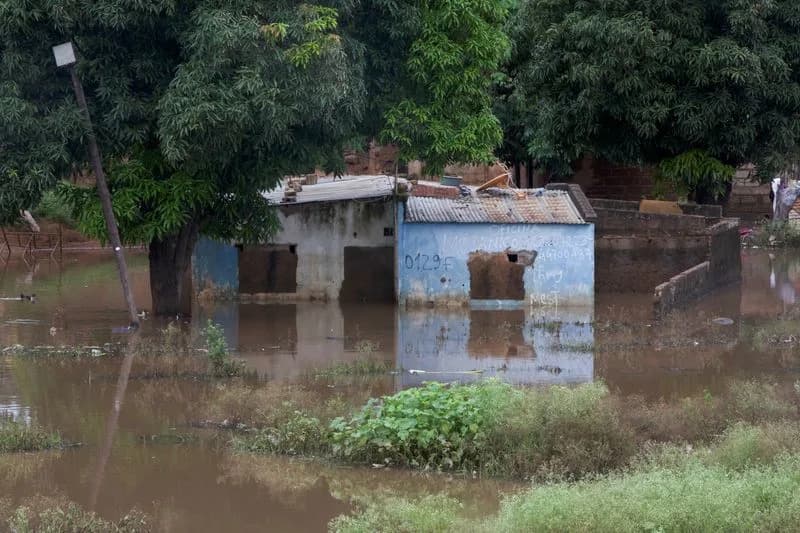
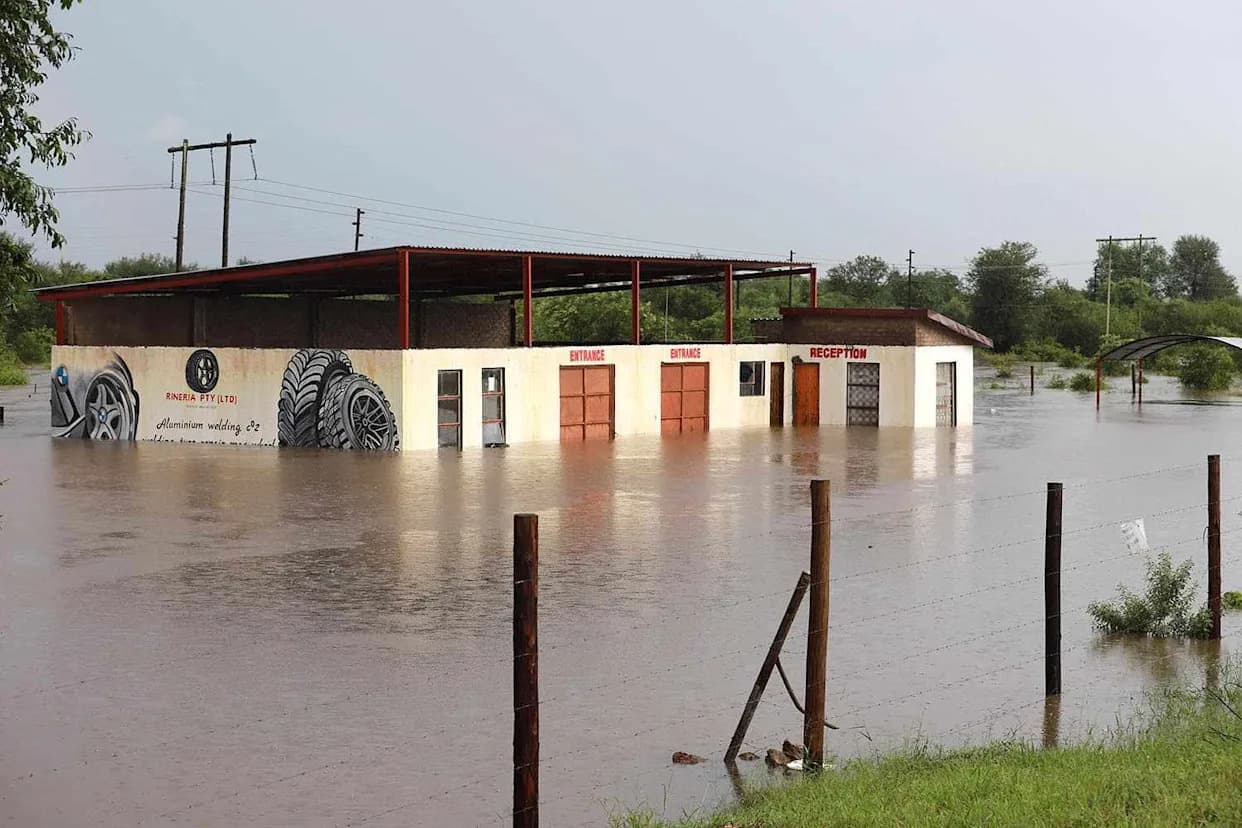
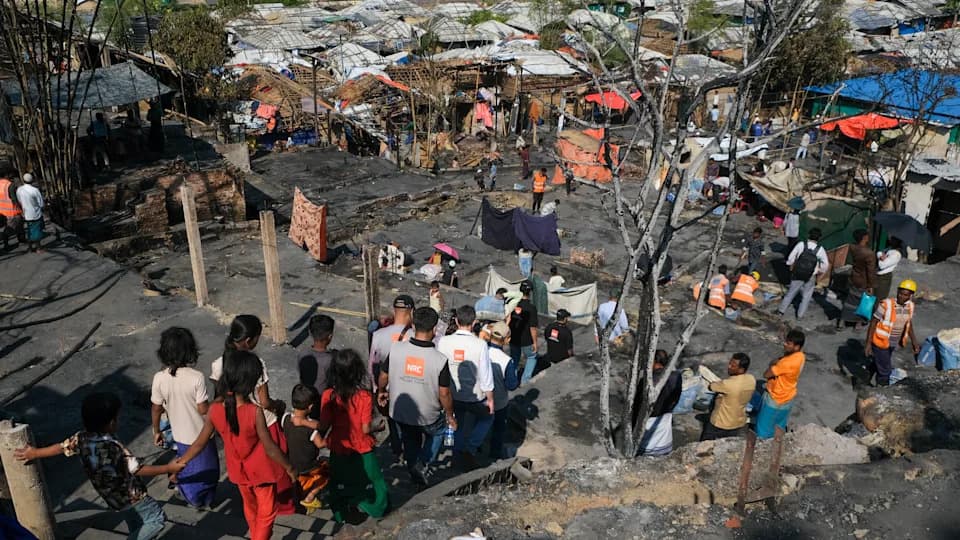
The United Nations on Friday warned that temporary shelters across Mozambique are severely overcrowded, as recent flooding has displaced nearly 400,000 people and killed almost 140 since October 1. An estimated 100,000 people are now staying in about 100 temporary accommodation centres — including schools and public buildings — where conditions are described as dangerous for the most vulnerable.
Protection Concerns and Vulnerable Groups
According to the UN refugee agency (UNHCR), many sites — especially in remote areas — lack adequate privacy, lighting and basic services. Women and girls face an elevated risk of violence, sexual exploitation and abuse, and many need urgent psychosocial and protection support. Elderly people and those with disabilities are also struggling to access assistance because reception sites are often not designed to meet their needs.
People Still Cut Off
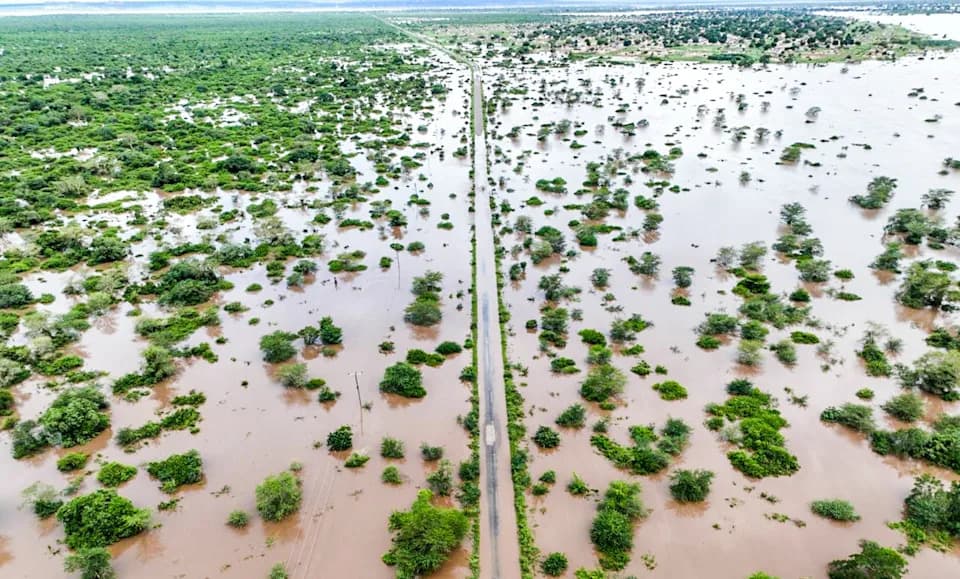
Beyond those in formal shelters, many remain stranded in the worst-affected districts where roads are submerged and bridges have been washed away. Continued rainfall is forecast, and UN agencies warn that further displacement is possible unless assistance is rapidly scaled up.
Aid Appeals and Response
UNHCR in Mozambique is appealing for $38.2 million to fund its 2026 response. The World Food Programme (WFP) urgently requires $32 million to support operations over the next three months and to reach more than 450,000 people. WFP officials say the agency is operating with about 40 percent less funding than a year ago, straining its capacity to mount a full-scale response.
With roads badly damaged, WFP is deploying amphibious vehicles, boats, heavy trucks, fixed-wing aircraft and helicopters to deliver food and relief items to cut-off communities. Aid agencies are calling for rapid international support to expand life-saving assistance and protection services before conditions worsen.
UNHCR: "With continued rainfall forecast and flood risks remaining high, further displacement is possible. Urgent international support is critical to scale up life-saving assistance and protection services."
Reporting from UN agencies and WFP statements; quotes attributed to UNHCR and Ross Smith, WFP emergency preparedness and response chief.
Help us improve.