Mozambique has recorded 13 deaths after two weeks of heavy rains and flooding, but officials and aid agencies warn the toll will likely rise as floodwaters recede and more bodies are found. Floods have inundated towns, submerged parts of Maputo to rooftop level and affected over half a million people; neighbouring South Africa was also hit. UNICEF cautions that many of the missing may be children. Authorities say this is the worst flooding since 2000, though early warnings and evacuations may have reduced fatalities.
Mozambique Floods: 13 Dead, Hundreds of Thousands Affected — Toll Expected To Rise
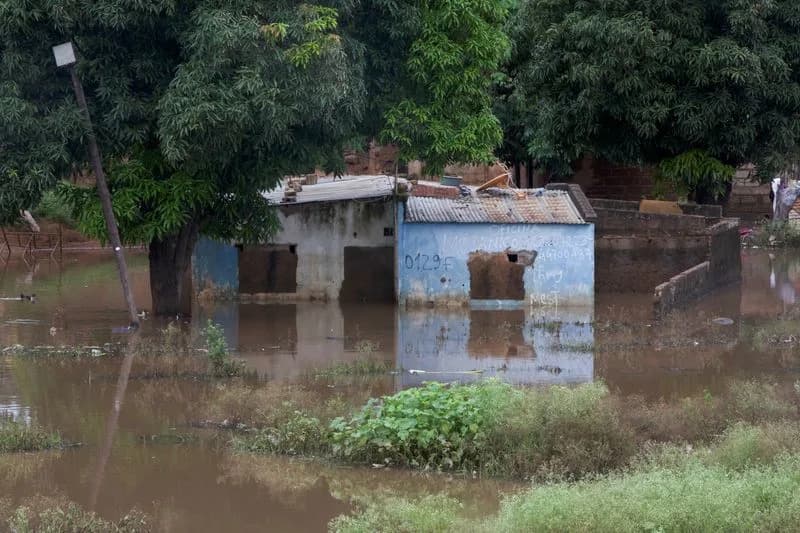
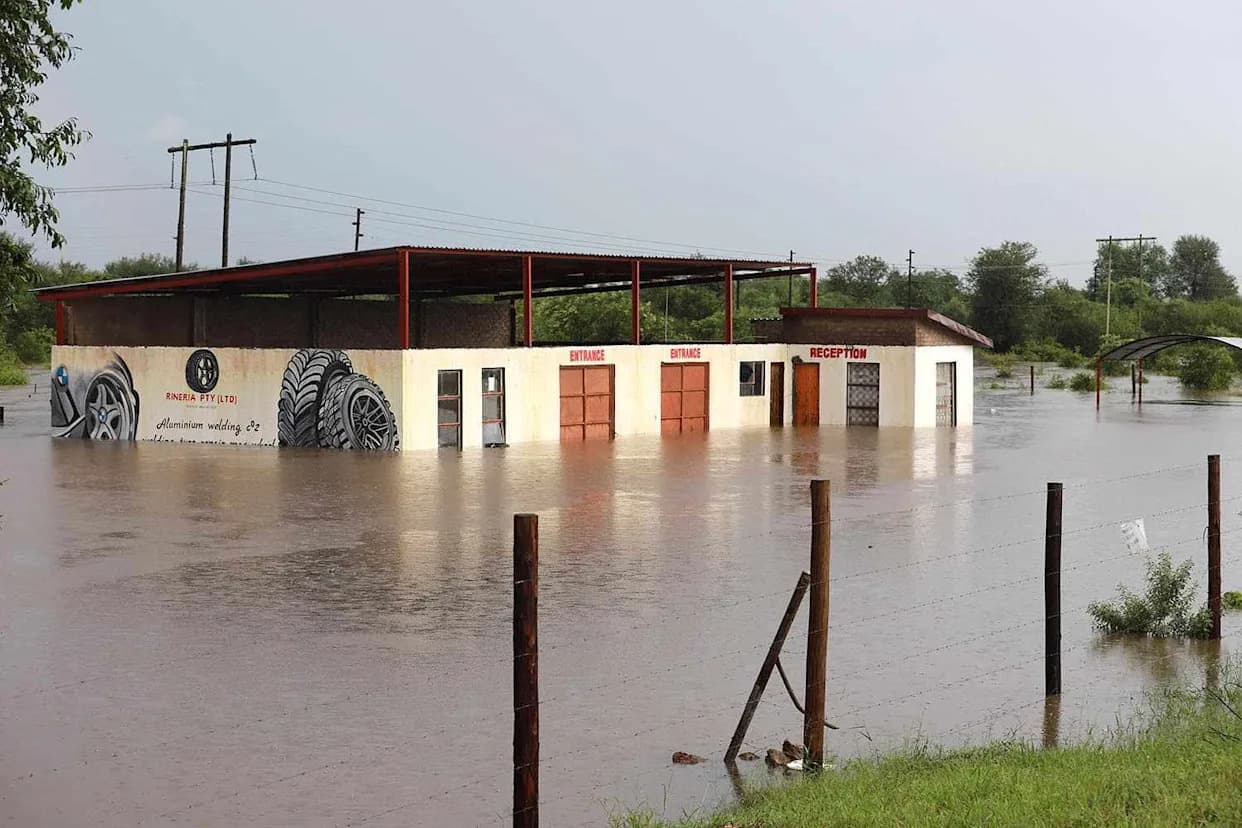
A house stands partially submerged in floodwater after weeks of heavy rainfall in Maputo, Mozambique, January 21, 2026. REUTERS/Amilton Neves
MAPUTO, Jan 22 (Reuters) — Mozambican authorities reported 13 deaths from severe flooding over the past two weeks, but officials and aid workers warn the toll is likely to rise as waters recede and more bodies are discovered.
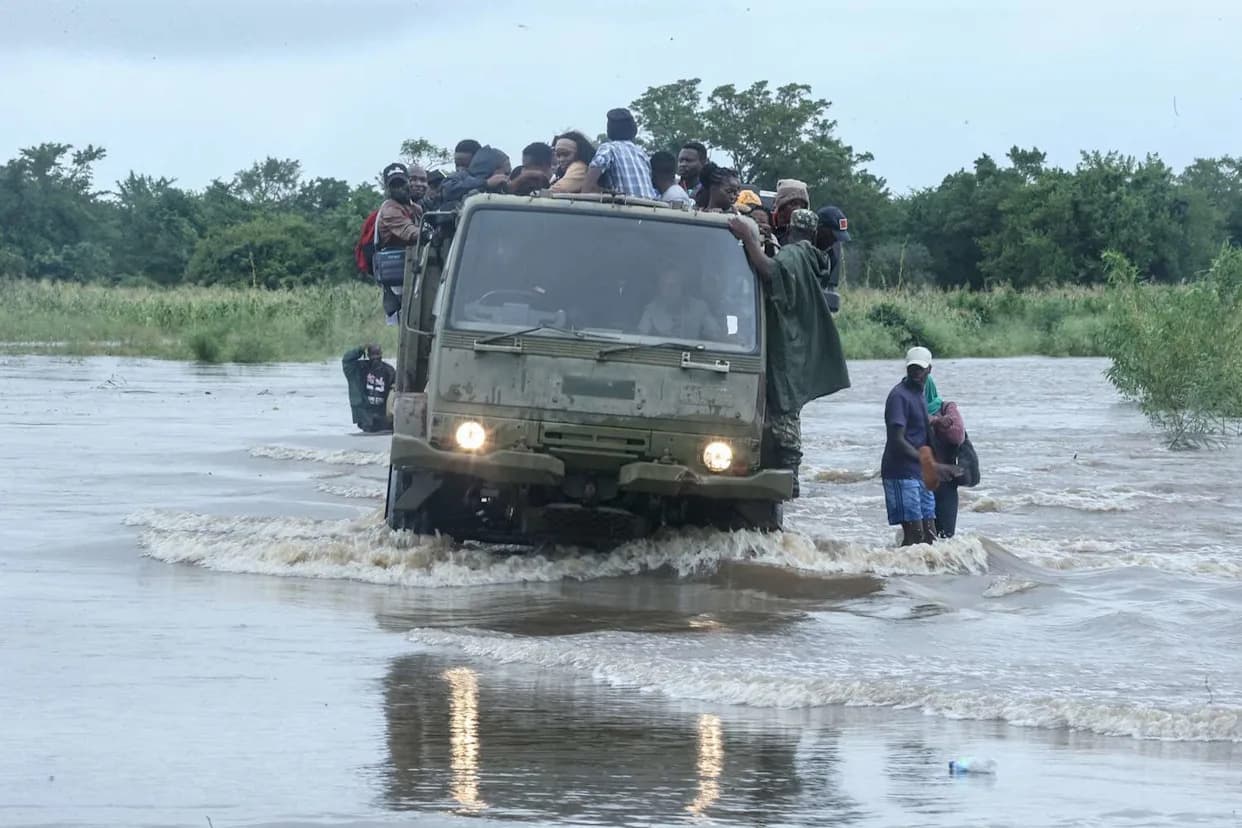
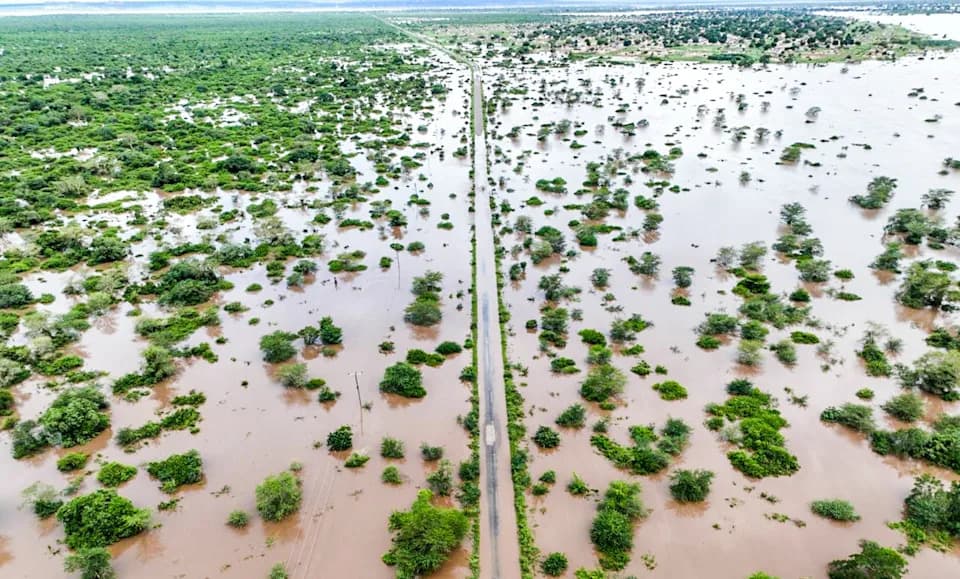
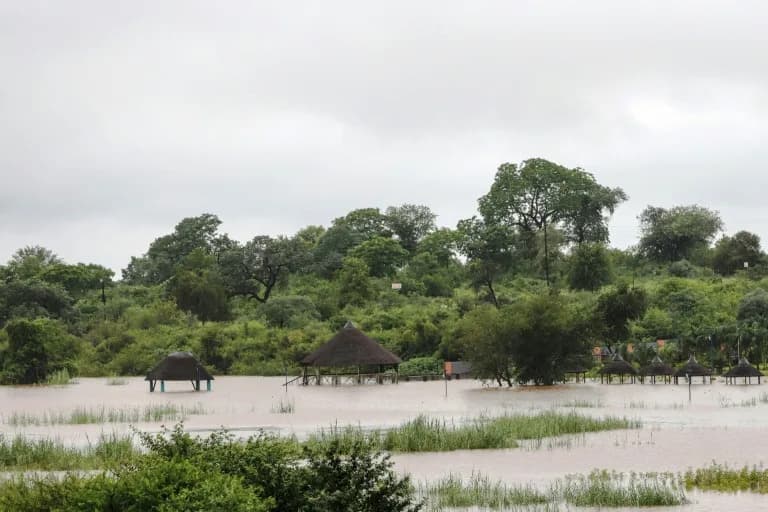
Intense rains caused rivers and dams to overflow, inundating towns and affecting more than half a million people across the country. Parts of neighbouring South Africa were also hit by floods. By Thursday, rainfall had eased in some areas, but floodwaters remained high: several buildings in the capital, Maputo, were submerged up to their rooftops and a major national highway was flooded, cutting the city off from other regions and leaving some communities inaccessible.
Human impact:
"I won't give up," shopkeeper Justino Zita said as he waded through brown water that filled his shop in Maputo. "We won't give up but we will have difficulty."
Mary Louise Eagleton, UNICEF's representative in Mozambique, said the agency expects the number of dead and injured to increase and warned that many of those swept away or killed may be children. Officials describe the flooding as the worst the country has experienced since at least 2000, when roughly 700 people died.
Response and challenges
Authorities said improved early-warning systems and mandatory evacuations may have reduced fatalities this time. Paulo Tomas, spokesperson for the National Institute for Disaster Risk Management, noted that many people complied with evacuation orders. However, he added that the relatively lower confirmed death toll so far may reflect limited access to some locations and the fact that several zones remain submerged.
Relief agencies are mobilising to deliver food, clean water and medical support, while search-and-rescue teams continue to survey areas as floodwaters fall. Aid workers caution that recovery and accounting for the missing will take time as access improves and floodwaters subside.
(Reporting by Manuel Mucari and Custodio Cossa; additional reporting by Nellie Peyton; editing by Alexander Winning)
Help us improve.