Severe floods in southern Mozambique have killed nearly 140 people and affected roughly 650,000 since December. Tens of thousands are sheltering in temporary centres after heavy rains destroyed homes, crops and infrastructure. Personal accounts include a 17-year-old who gave birth on a school desk and farmers whose livelihoods were wiped out. Authorities warn the toll could rise as intense rains and a nationwide red alert continue.
‘I Wanted to Die’: Survivors Describe Devastation as Floods Ravage Southern Mozambique
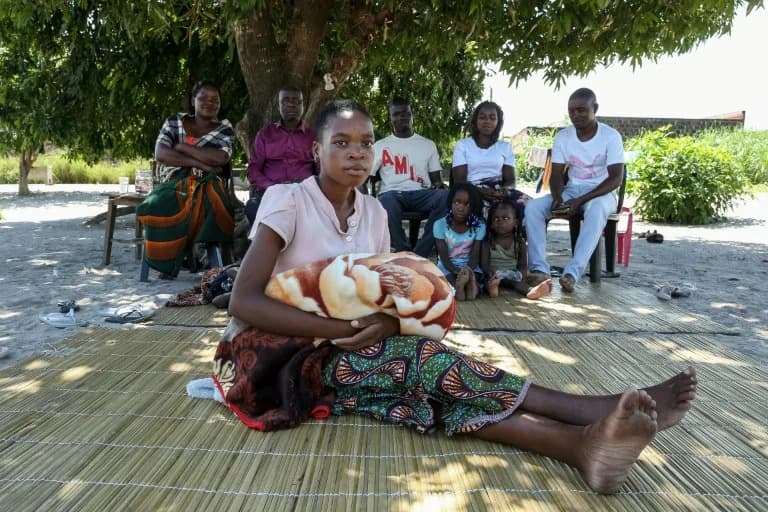
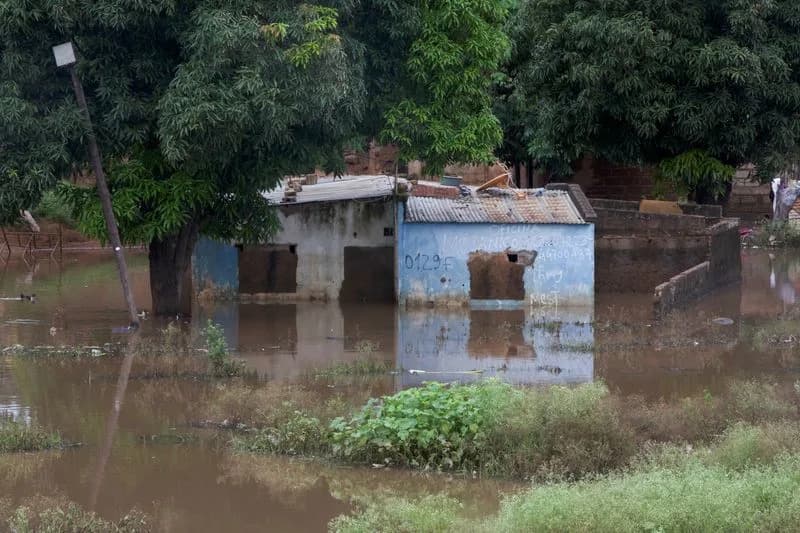
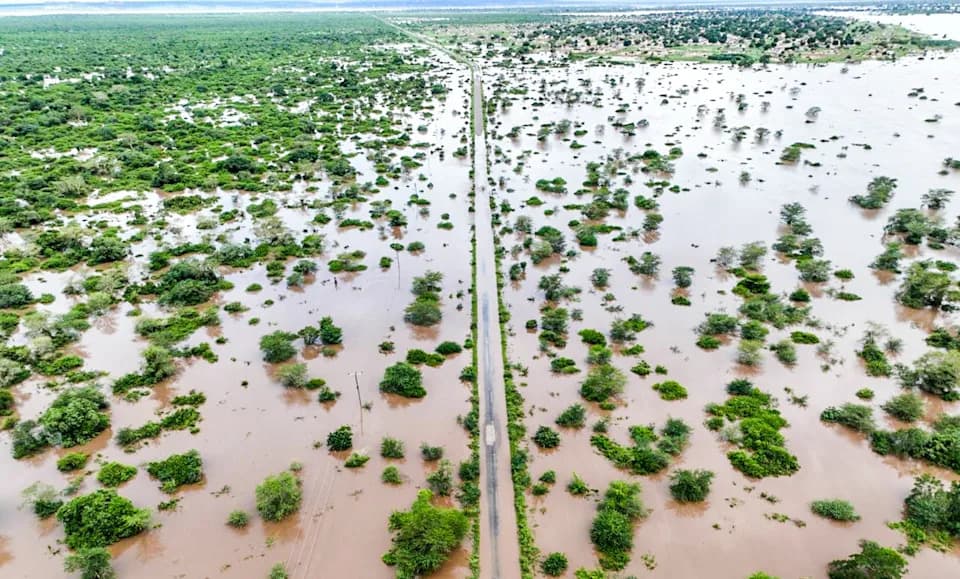
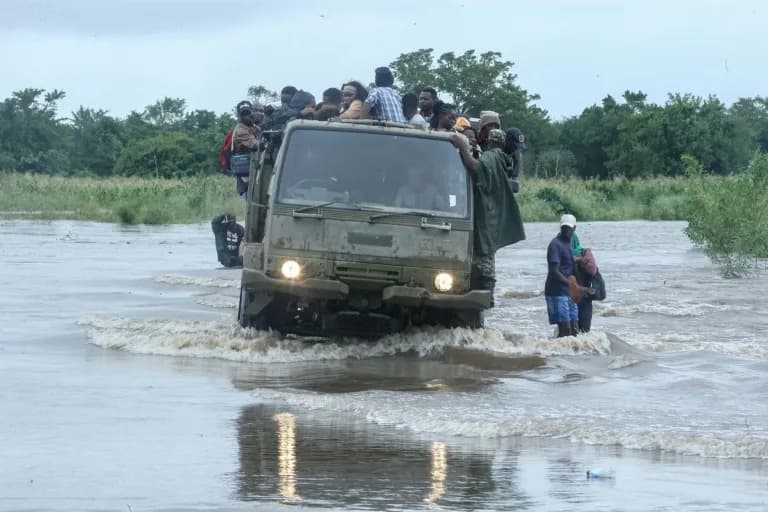
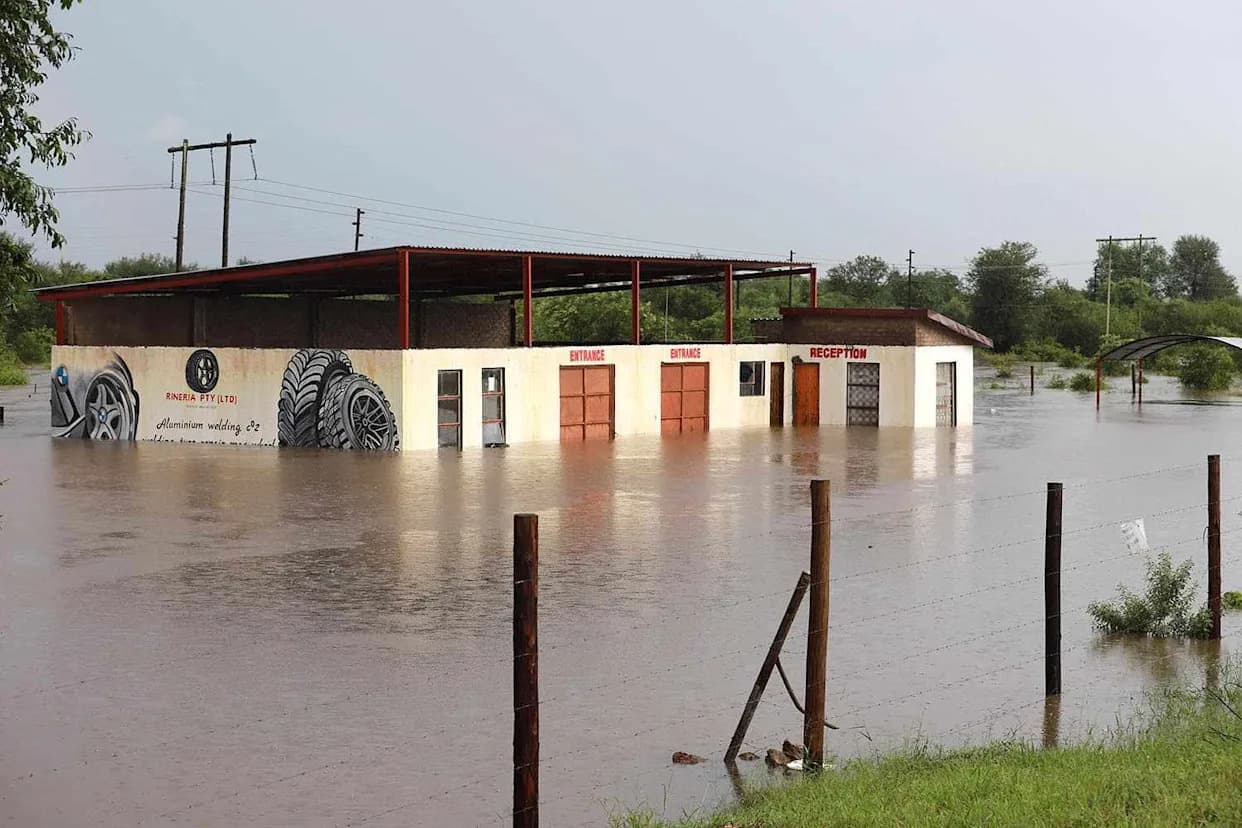
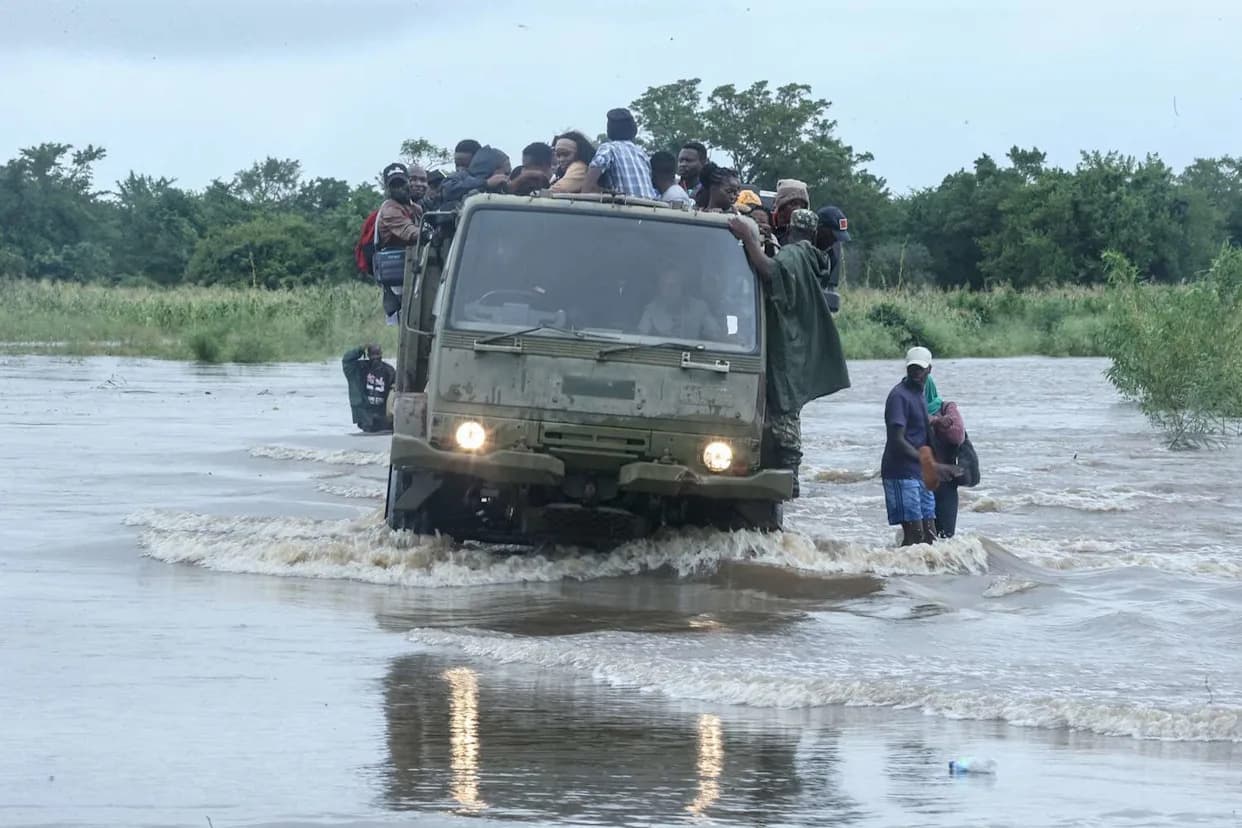
Some 650,000 Mozambicans have been affected by torrential rains since December (Emidio JOZINE)(Emidio JOZINE/AFP/AFP)
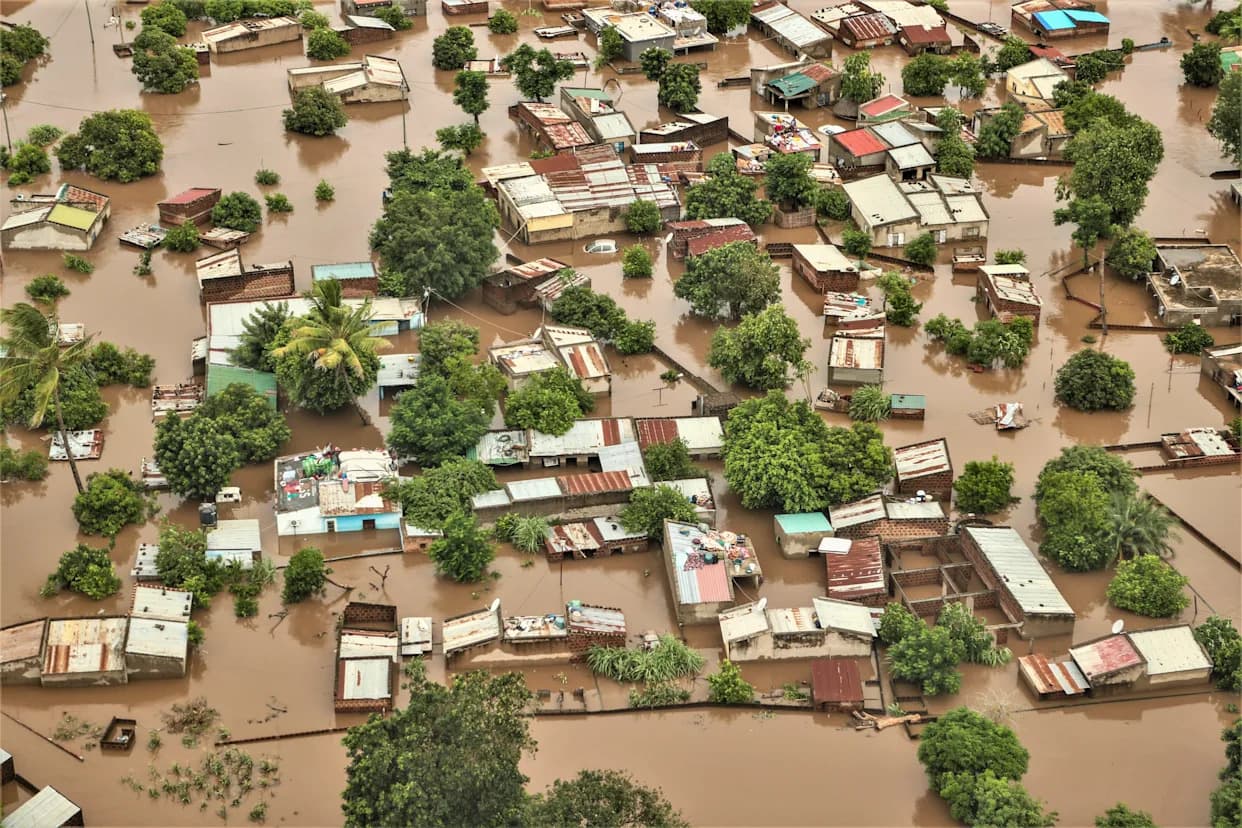
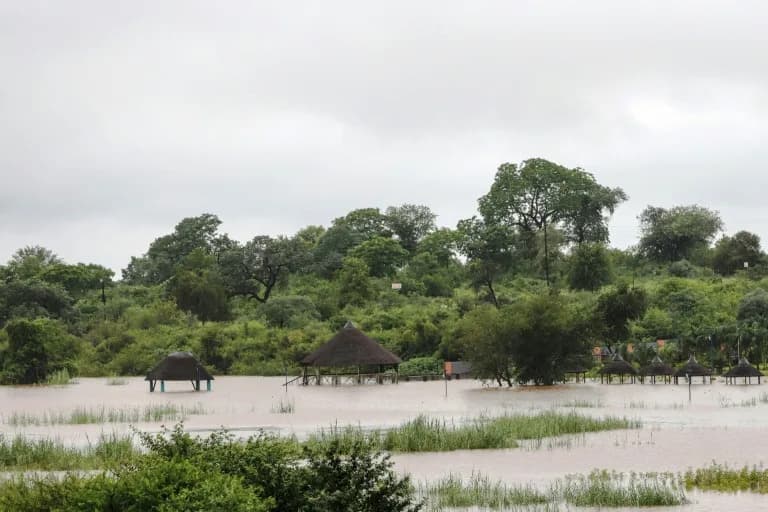
Heavy seasonal rains and catastrophic flooding have devastated parts of southern Mozambique, killing nearly 140 people since October and displacing hundreds of thousands. Families are sheltering in makeshift centres, crops and livestock have been swept away, and vital roads and infrastructure remain cut off as authorities warn the death toll could still rise under a nationwide red alert.
Personal Stories of Survival
Seventeen-year-old Erica Raimundo Mimbir delivered her first child on the dry surface of a school desk after days stranded by rising waters in Maputo Province. "I wanted to die because of the labour pains and the conditions," she told AFP. Evacuated by boat the next day, she is now staying with relatives while caring for her premature baby, Rosita, born on 19 January weighing 1.5 kilograms (3.3 pounds).
The newborn was named after Rosita Salvador, whose mother famously gave birth in a tree during floods in 2000. Salvador, who became a symbol of resilience following that disaster, died this month after a long illness.
In Manhica district's 3 de Fevereiro village a low-built school has been converted into one of 99 emergency shelters. About 500 people sleep on mats across its 11 classrooms, their clothes draped over blackboards and window bars as families assess what they have lost.
"Right now I know my children are safe but my mother's heart isn't at peace," said Elsa Paulino, a 36-year-old mother of five, who was separated from three of her children when floodwaters submerged roads after she attended a funeral.
Widespread Damage and Humanitarian Challenges
The National Disasters Management Institute reports nearly 140 deaths since 1 October. The UN says roughly 650,000 people have been affected since December, and the UN Office for the Coordination of Humanitarian Affairs (OCHA) estimates about 100,000 people are sheltering in 99 temporary accommodation centres.
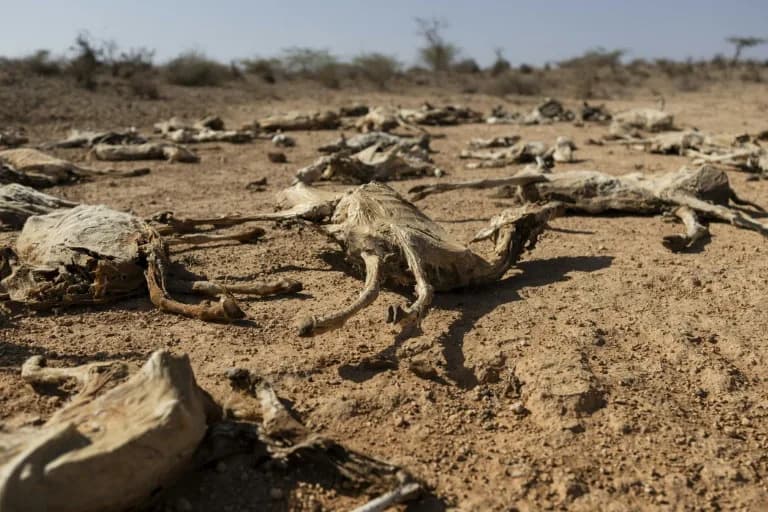
Floods have destroyed critical infrastructure — roads, bridges, power lines and water systems — hampering relief deliveries and isolating communities. The N1 highway linking Maputo to northern districts remains cut. OCHA reports approximately 325,000 head of livestock have died and about 285,000 hectares (704,250 acres) of farmland have been damaged.
For farmers like 67-year-old Salvador Maengane, the losses are total. "All my farmland was flooded," he said. Maengane, who cultivates five hectares in Xinavane, had expected to harvest maize and vegetables in March and sugarcane in May. "Everything was lost and I have nothing to sell. All my family's livelihood is gone."
Outlook and Needs
Officials warn more heavy rains are expected and a nationwide red alert remains in force. Authorities and humanitarian agencies face urgent needs for shelter, water, sanitation, medical care and food, as well as repairs to roads and communications to reach isolated communities. The full extent of the damage and any further rise in casualties will depend on weather conditions in the coming days.
Sources: National Disasters Management Institute; UN OCHA; field reporting by AFP.
Help us improve.