Venezuela's interim president Delcy Rodríguez said the transitional government has begun unblocking sovereign assets frozen abroad and will direct the funds to health care, public services and the energy sector. The money is planned to flow into two sovereign funds — one for social needs and one for infrastructure recovery — and a public digital platform will allow citizens to track projects and revenues. Rodríguez said the process is being handled via diplomatic channels with Washington, though neither side has disclosed exact amounts released.
Venezuela Says It Has Begun Releasing Frozen Sovereign Assets To Fund Health, Utilities And Energy
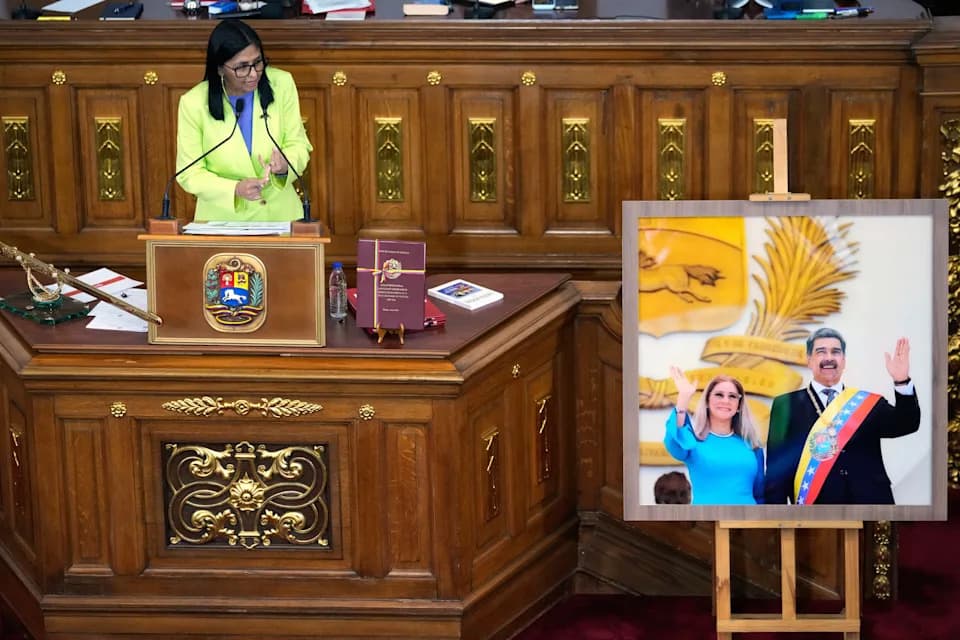
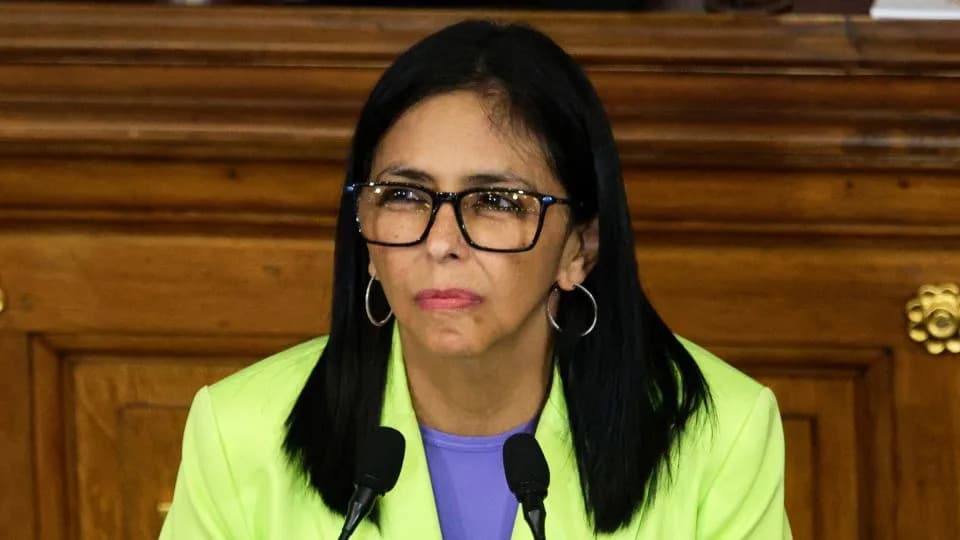
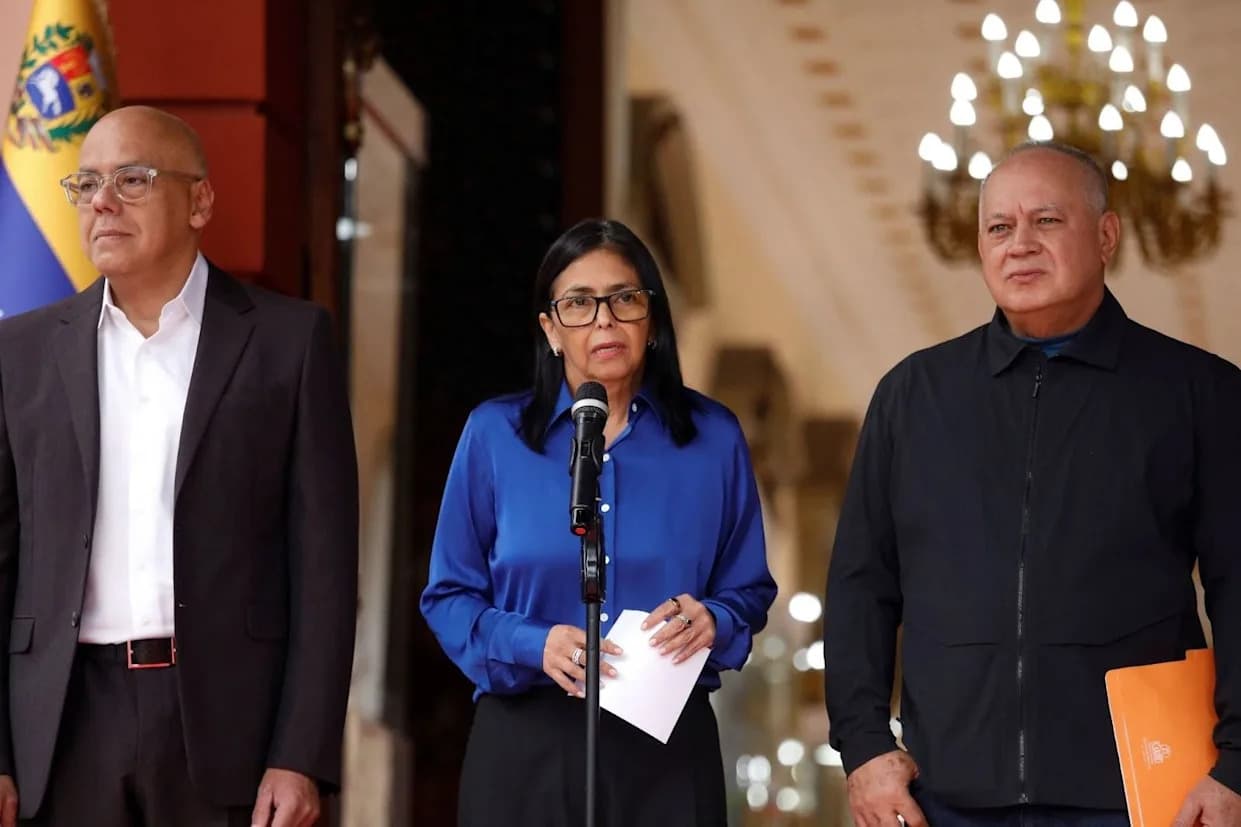
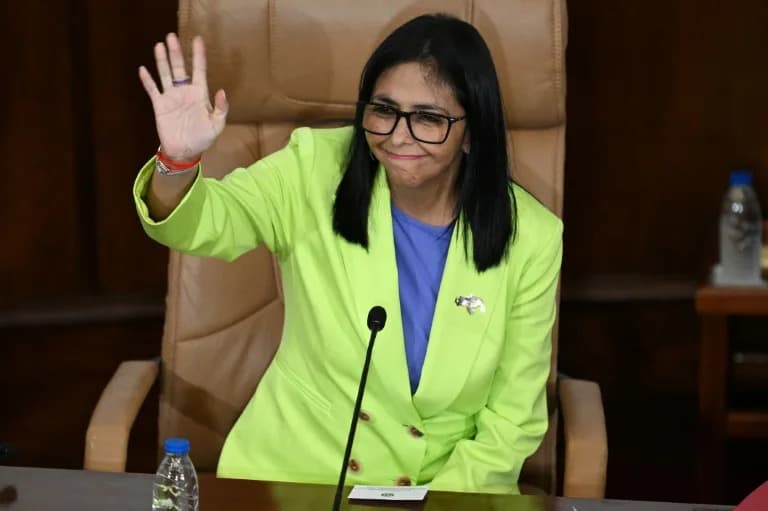
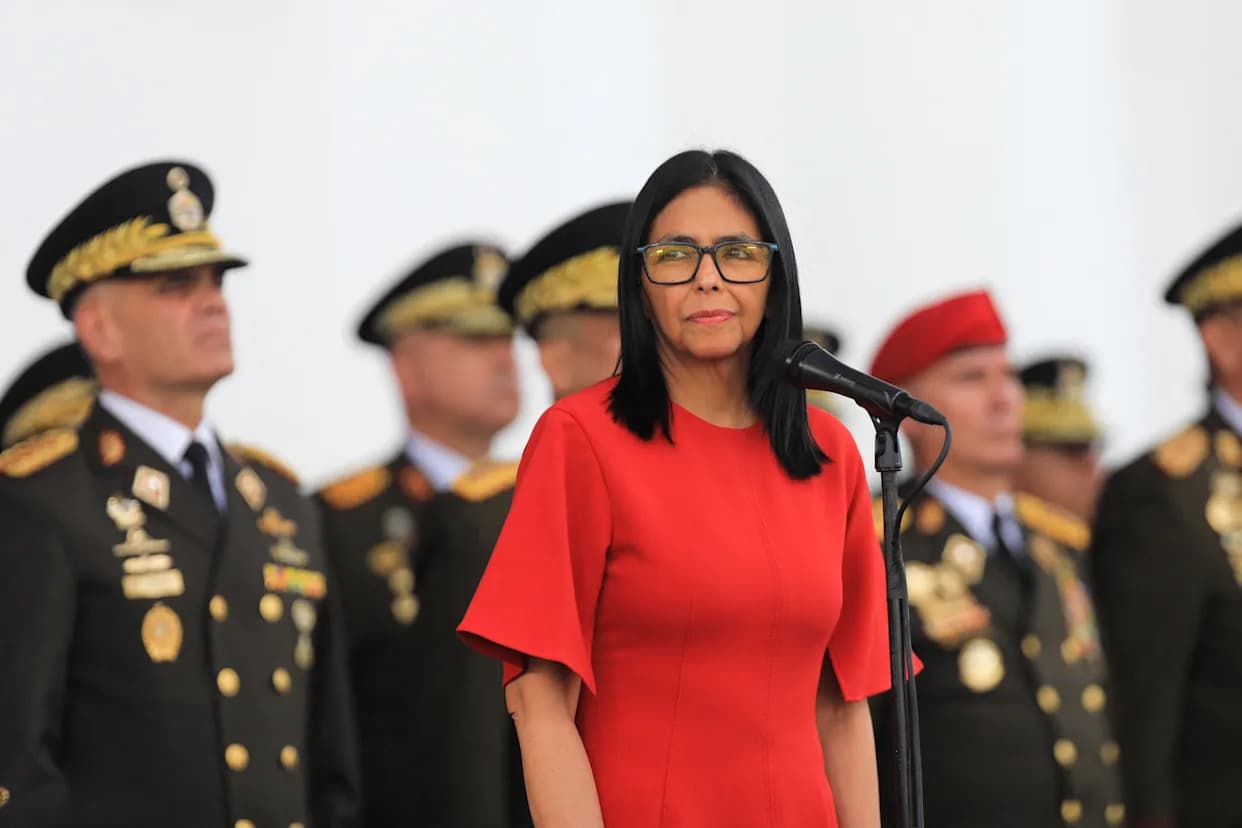
Jan. 28 (UPI) — Venezuela's interim president, Delcy Rodríguez, announced that the transitional government has begun unblocking sovereign assets frozen abroad. Rodríguez said the newly accessible funds will be used to invest in health care, public services and the energy sector.
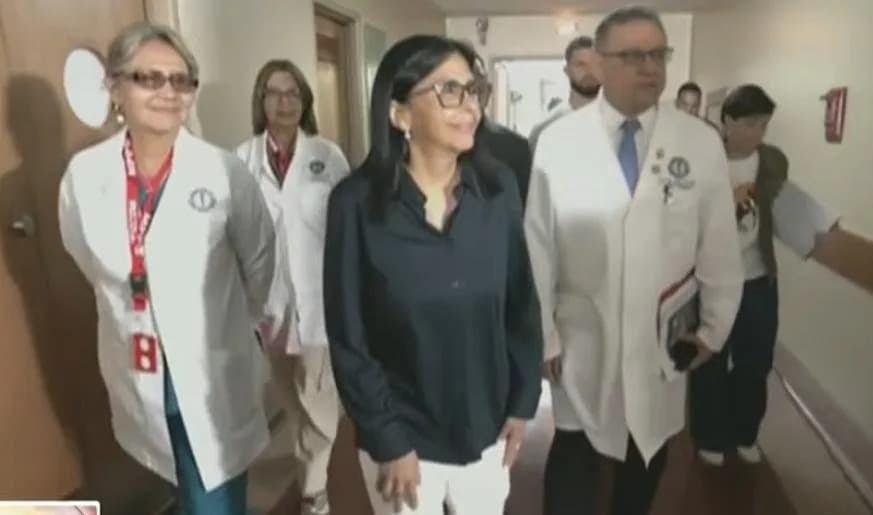
The announcement came during an event at the University Hospital of Caracas, where Rodríguez led the inauguration of a Nephrology Service and a care day for kidney patients. The event was broadcast on state-run Venezolana de Televisión.
"We are unblocking resources from Venezuela that belong to the Venezuelan people," Rodríguez said. "That will allow us to invest significant resources in hospital equipment — equipment that we are acquiring in the United States and other countries — and equipment for the electricity and gas sectors in Venezuela."
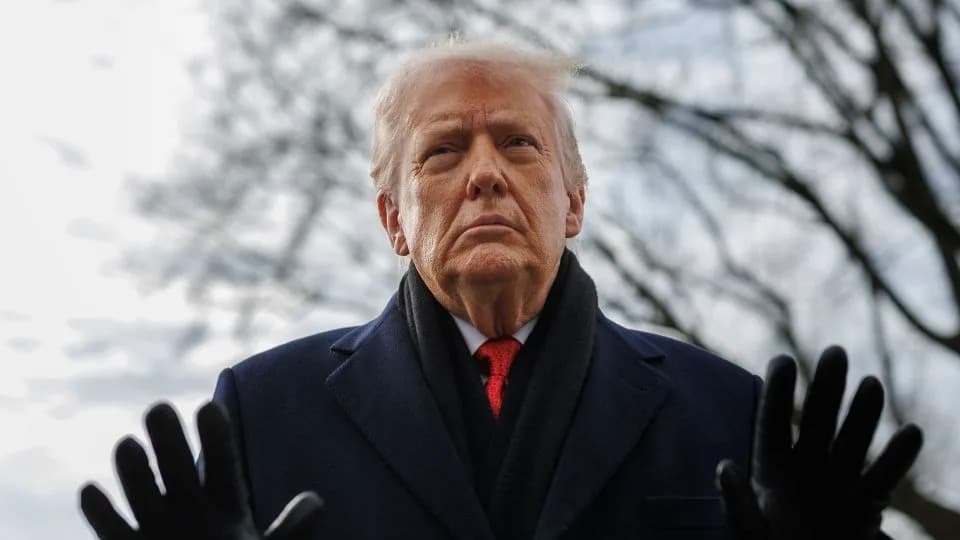
Rodríguez said the process is being handled through diplomatic channels with Washington and other partners. She described efforts to resolve differences through diplomatic dialogue and said communications have been opened with senior U.S. officials as part of a bilateral work agenda.
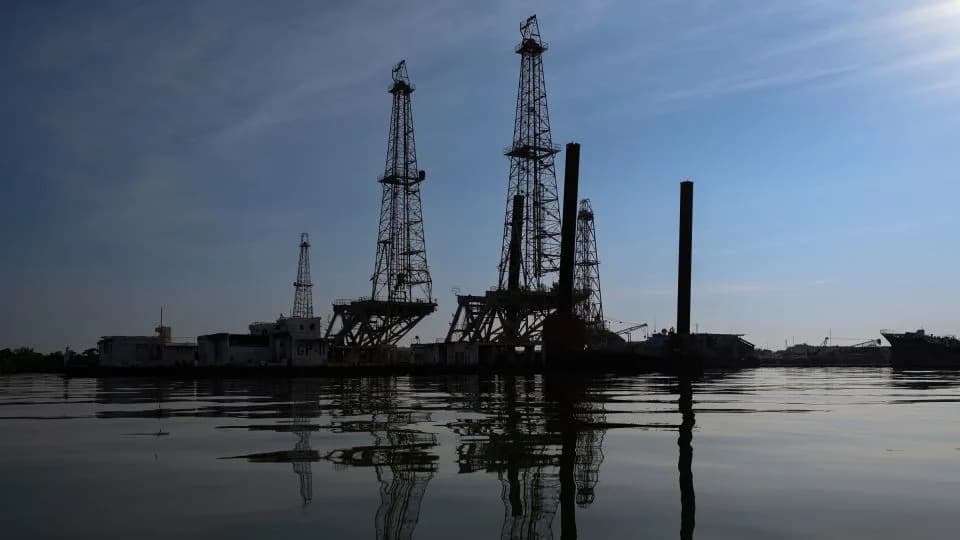
According to Rodríguez, the unblocked assets will be routed into two previously announced sovereign funds: one focused on social needs — including workers' income, health, education, food and social protection — and a second dedicated to the recovery of public services and infrastructure such as electricity, water and roads.
To increase transparency, Rodríguez said the government will launch a public digital platform that allows citizens to consult ongoing projects and reported revenues. "There will be an application where any citizen will be able to log in and see the projects that are being carried out and the revenues being reported there," she said.
In 2022, then-President Nicolás Maduro estimated that about $30 billion in Venezuelan assets remained immobilized abroad because of international sanctions and various legal disputes. That estimate included gold reserves, bank deposits, state-owned company assets and claims linked to arbitration proceedings across multiple jurisdictions.
Venezuela has been subject to U.S. sanctions since 2019, including restrictions tied to oil exports following Maduro's 2018 re-election, which Washington did not recognize. Other U.S.-allied countries have implemented financial measures as well.
On Jan. 5, the Swiss Federal Council ordered the immediate freezing of assets in Switzerland held by Maduro and persons associated with him, citing preventive measures to avoid potential outflows while judicial matters are evaluated. The Swiss action is separate from the reports Rodríguez described about unblocking assets through diplomatic channels.
So far, U.S. authorities have not publicly confirmed the release of any specific sums, and the Venezuelan government has not provided detailed figures or timelines for the assets Rodríguez said are being unblocked.
Help us improve.