Bombogenesis—often called a "bomb cyclone"—is the rapid intensification of a mid-latitude low-pressure system. The conventional criterion is a sharp drop in central pressure (24 millibars in 24 hours at 60° latitude), though the threshold varies with latitude. These storms commonly form when cold air collides with warm ocean waters and frequently occur in winter, producing heavy snow, strong winds and coastal flooding.
Bombogenesis Explained: What Is a 'Bomb Cyclone' and Why It Matters
What is bombogenesis?
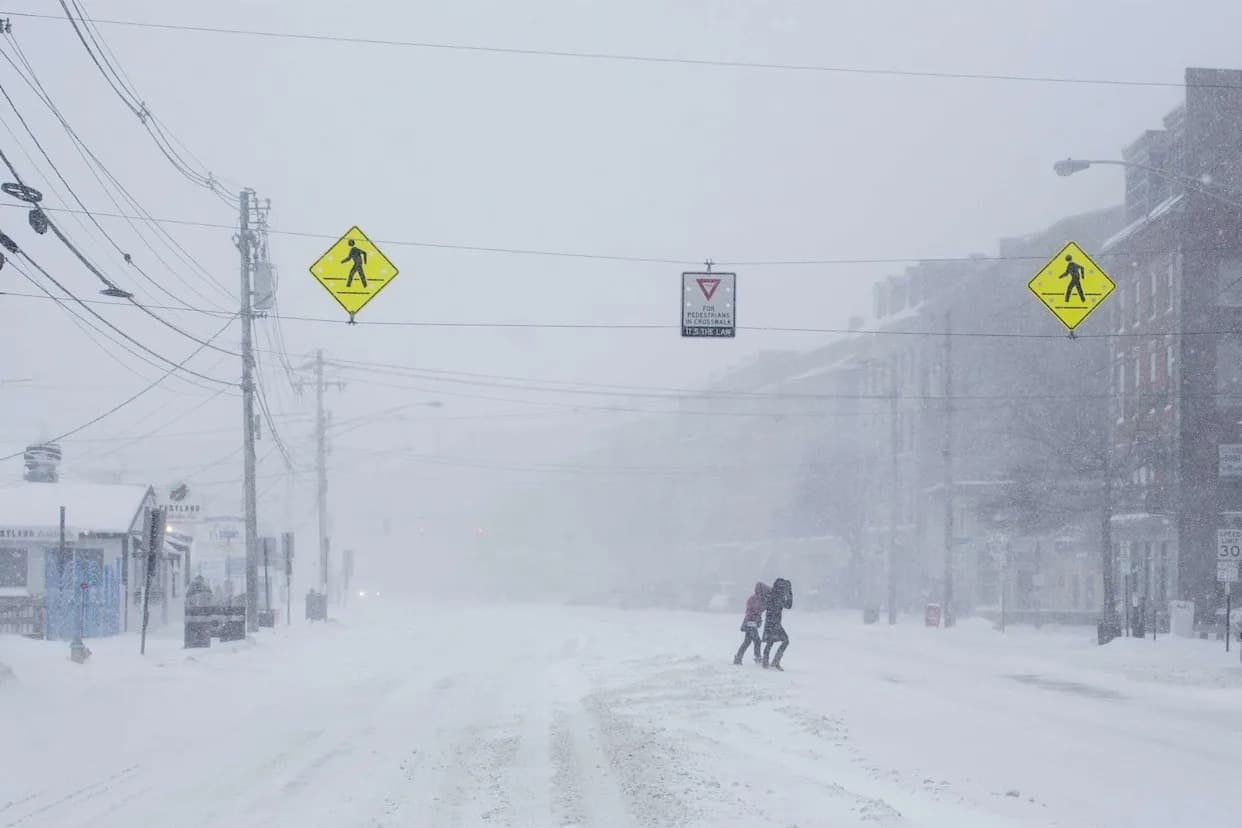
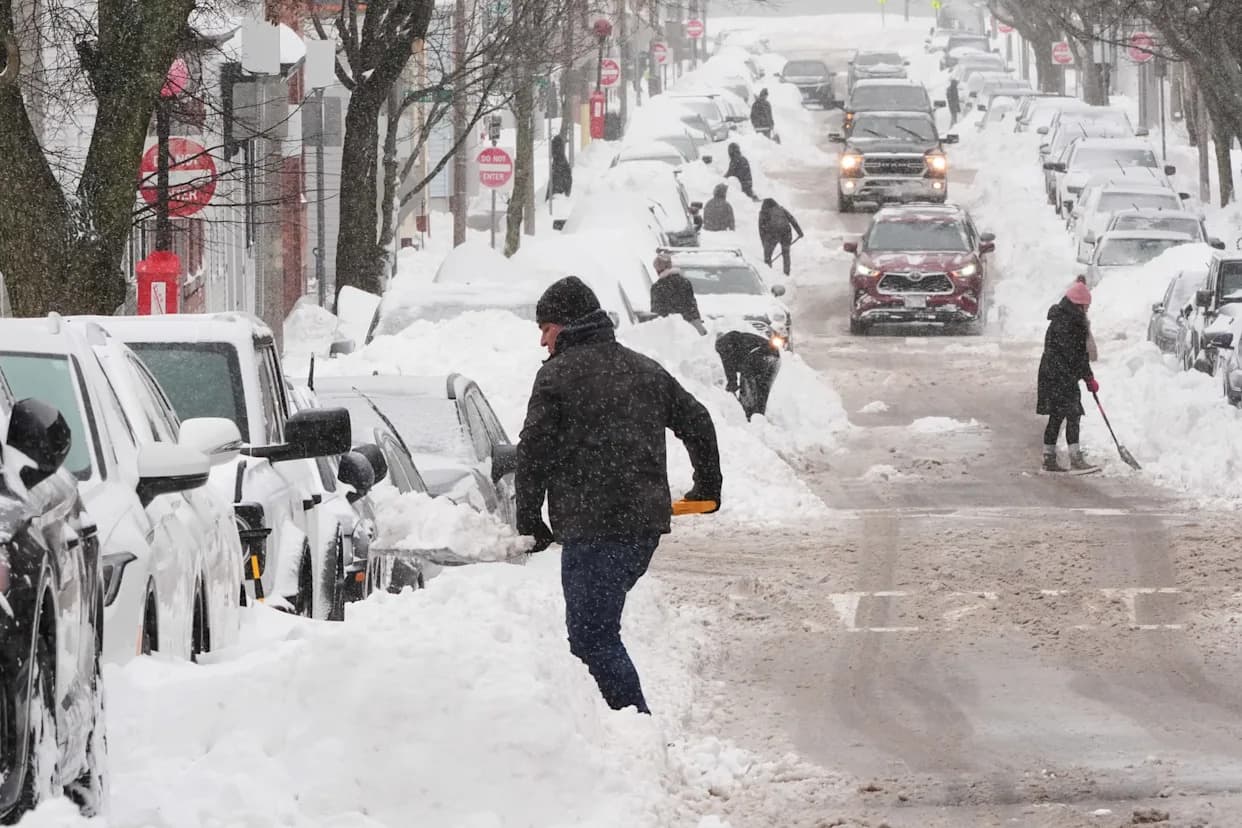
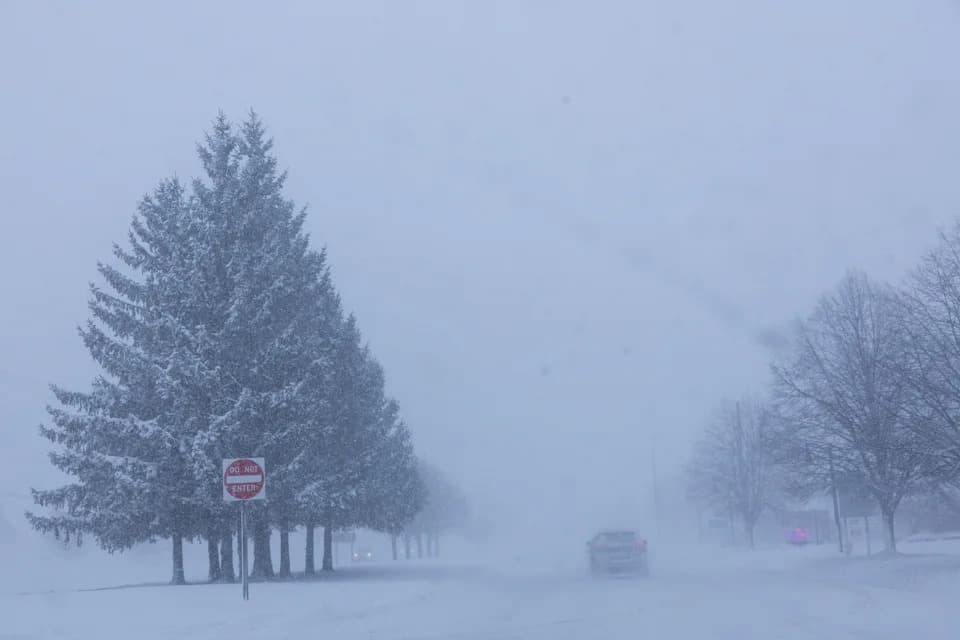
Bombogenesis, commonly called a bomb cyclone, describes a mid-latitude storm that intensifies very rapidly and can bring heavy snow, intense rain, damaging winds and coastal flooding. These storms attract attention because their rapid deepening often produces widespread, high-impact weather over short time spans.
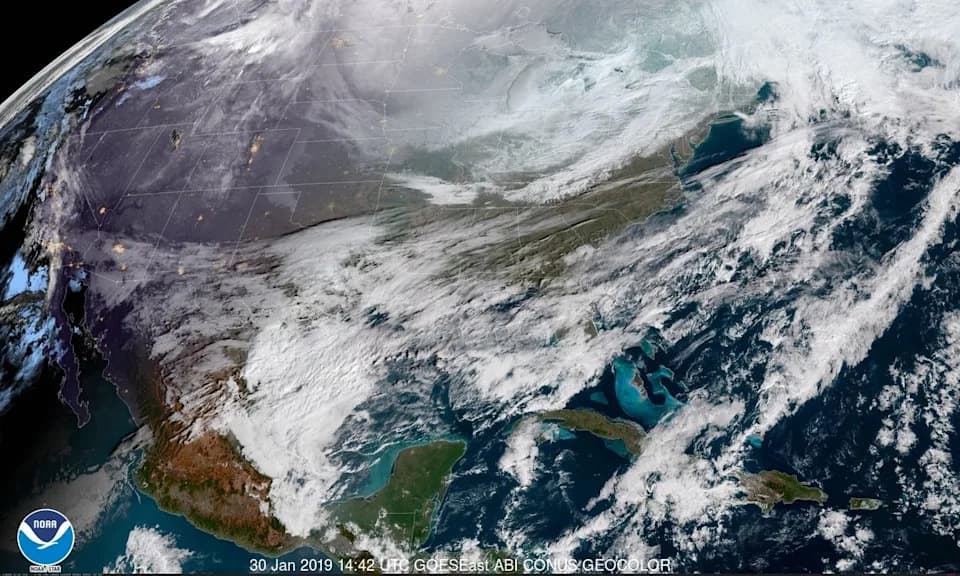
What It Is: A bomb cyclone is a low-pressure system outside the tropics (a mid-latitude cyclone) that undergoes rapid intensification. The popular name comes from the meteorological term bombogenesis, sometimes also called explosive cyclogenesis.
How Meteorologists Define It
Meteorologists measure bombogenesis by how quickly the storm's central pressure falls. The conventional benchmark is a drop of 24 millibars (24 hectopascals) in 24 hours at 60° latitude; the exact threshold varies with latitude. When a storm meets that rapid pressure fall, it qualifies as a bomb cyclone.
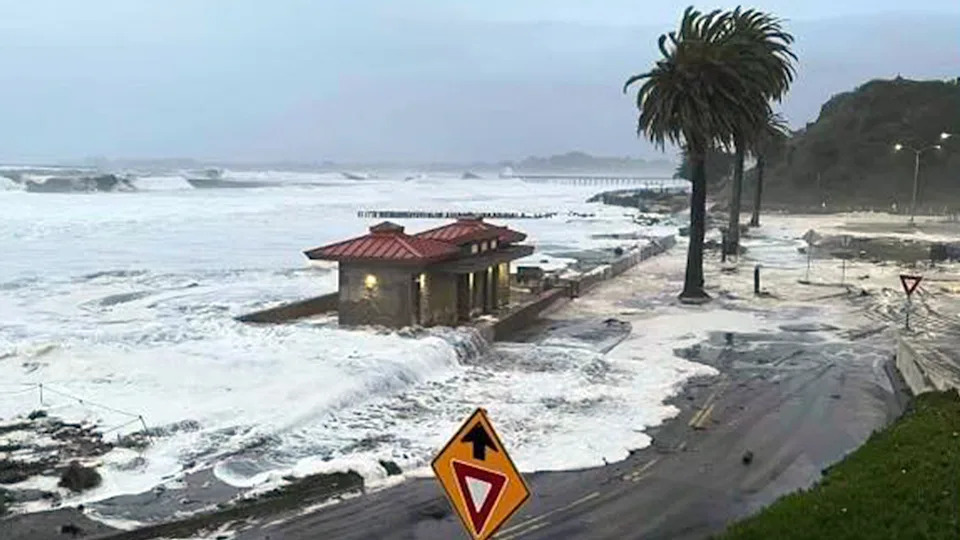
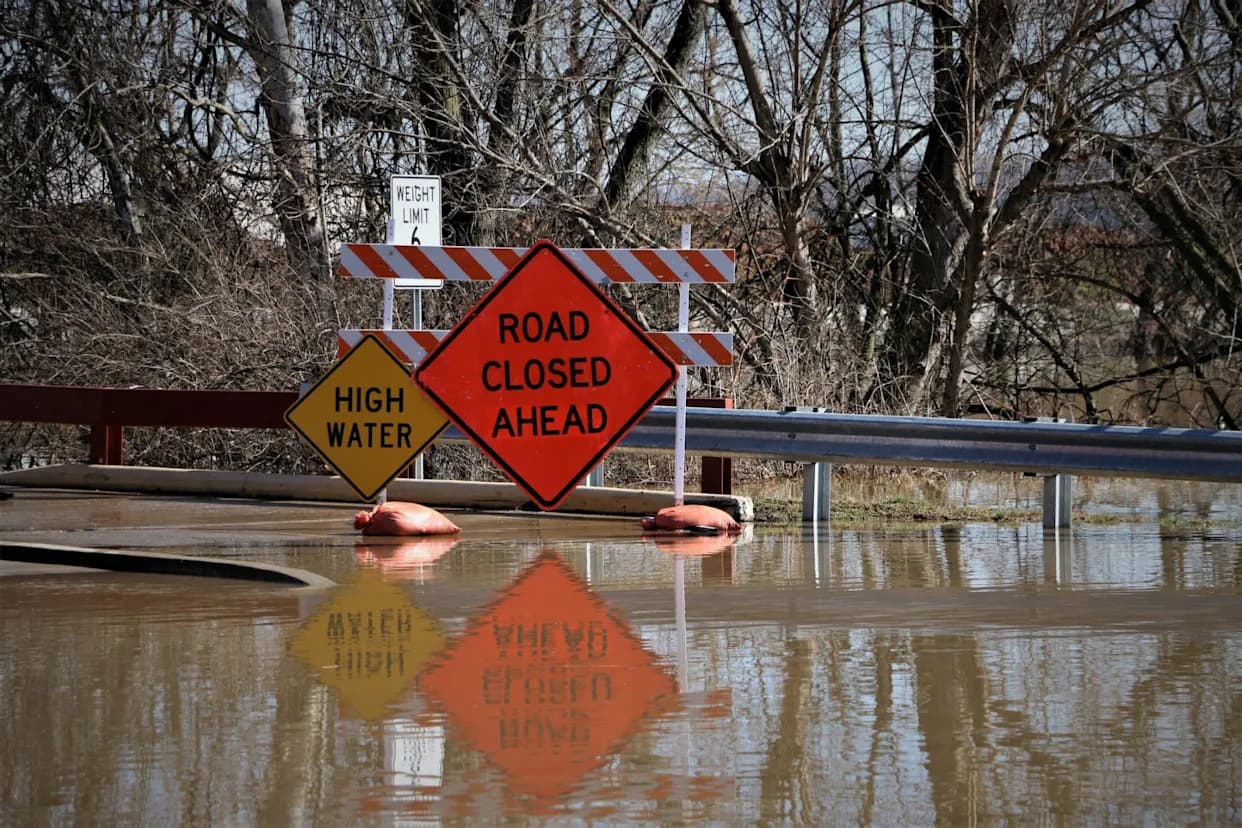
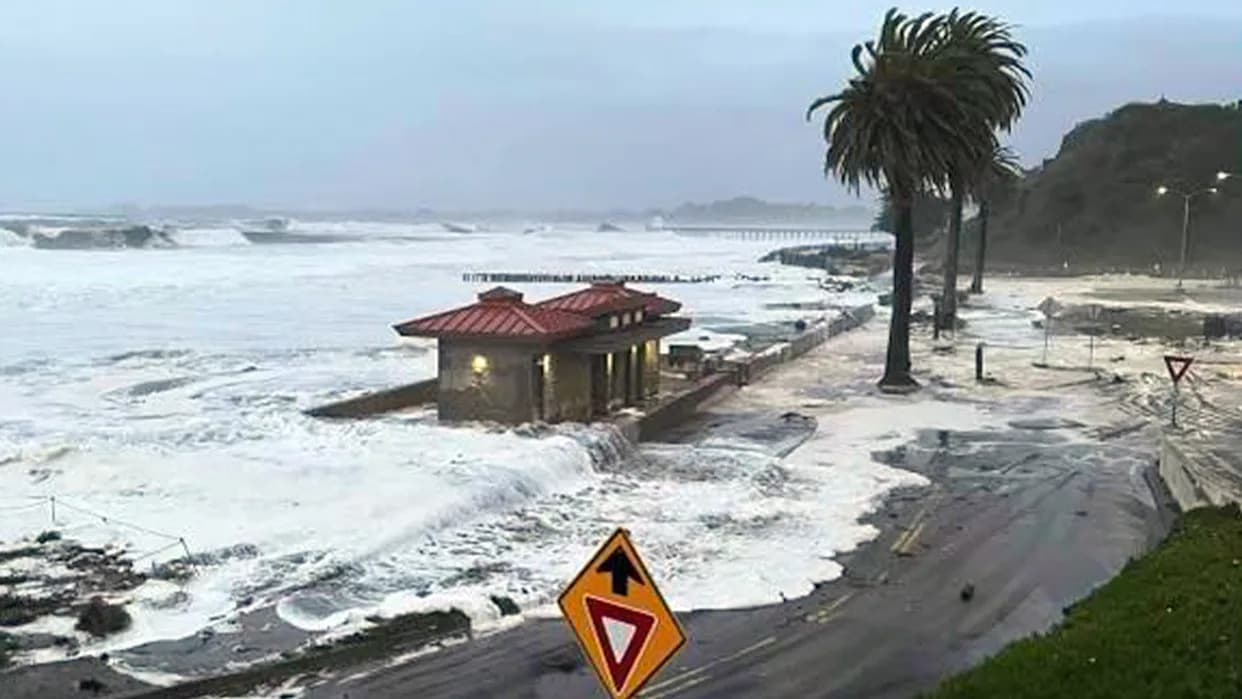
Flooding is seen in Santa Cruz County, California, during a powerful and deadly bomb cyclone.(FOX Weather)
Typical Causes
Bombogenesis often occurs when contrasting air masses collide — for example, very cold continental air meeting relatively warm ocean water. This temperature contrast fuels strong upward motion and intensification of the low-pressure center.
Where and When They Occur
Bomb cyclones are more common over the oceans—particularly the North Pacific—but they also form in the Atlantic and, occasionally, over land. A climatological study published in the Journal of Applied Meteorology and Climatology found that about 69% of bomb cyclone events happen from December through February into early March, when temperature contrasts are often strongest.
Impacts
When they strike populated coasts or inland regions, bomb cyclones can produce:
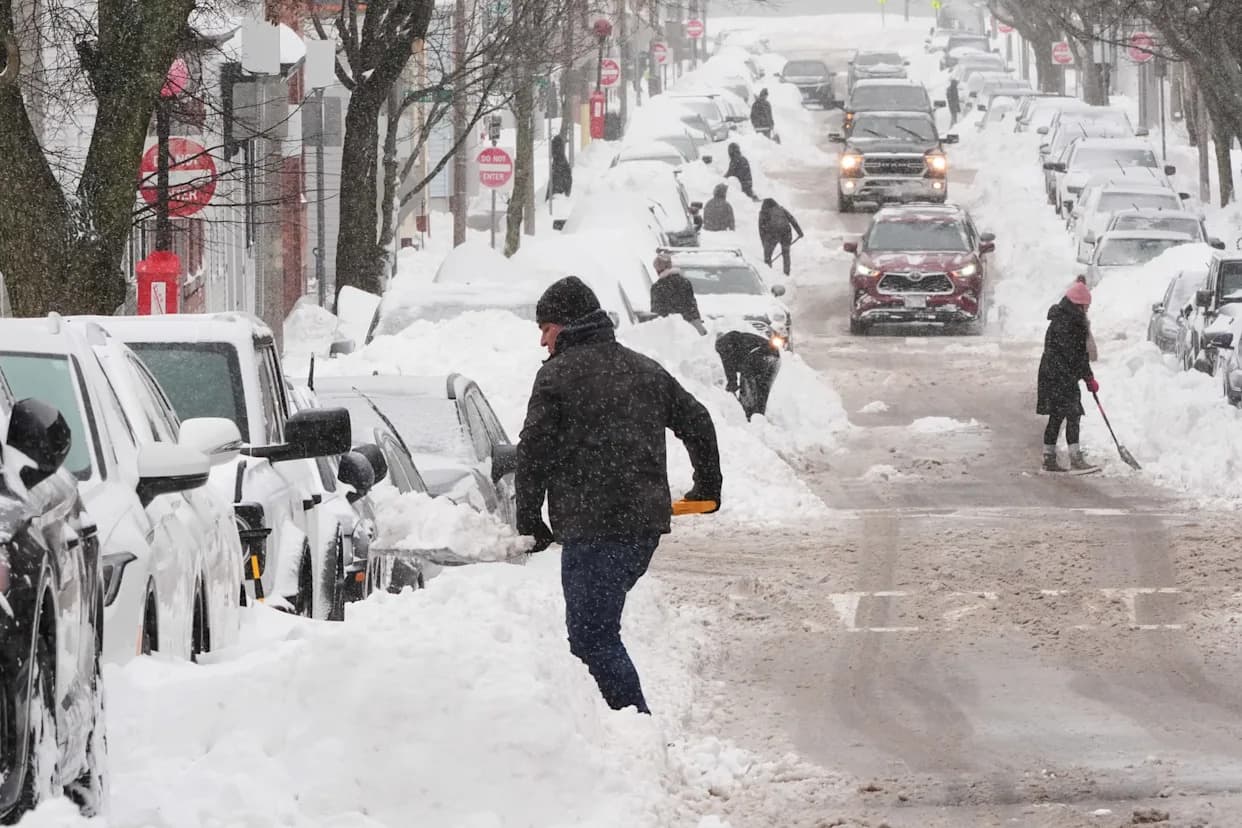
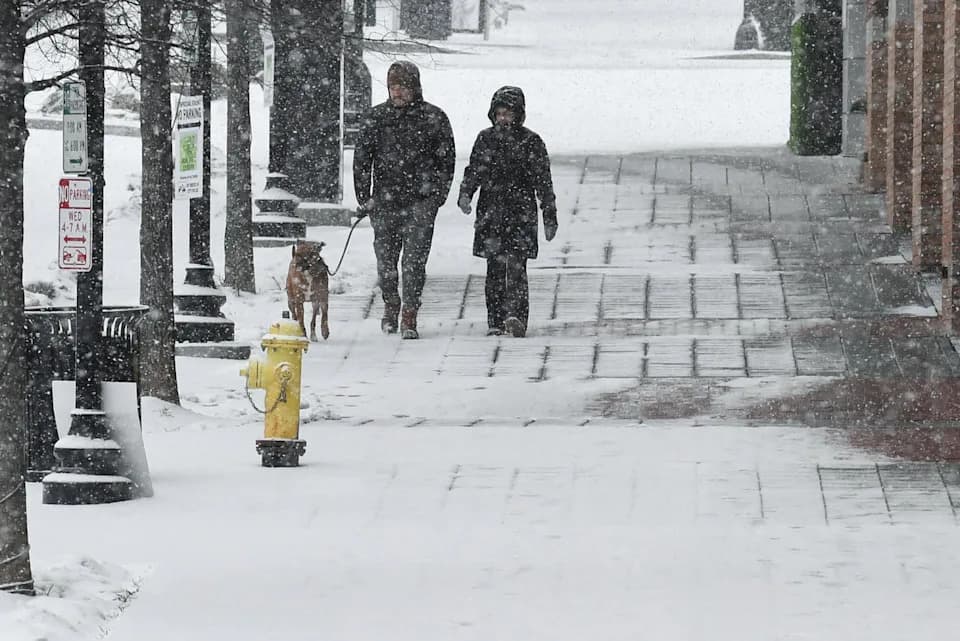
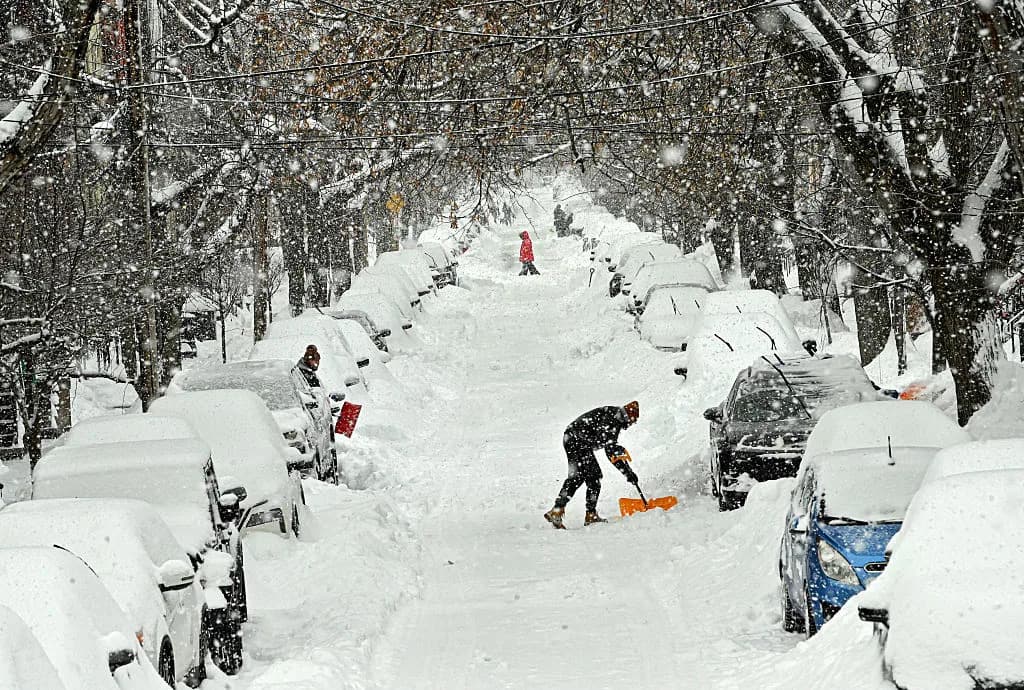
- Heavy snowfall and blizzard conditions
- Flooding and coastal storm surge
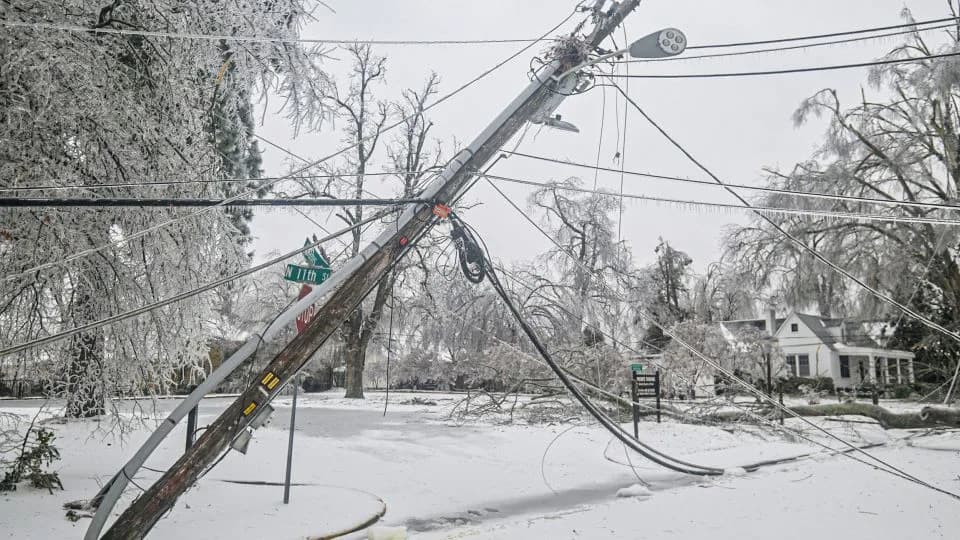
- Very strong, gusty winds that can down trees and power lines
- Rapidly changing conditions that complicate forecasting and preparation
Bottom line: Bombogenesis describes the rapid deepening of a mid-latitude cyclone. Because these storms can strengthen quickly and pack multiple hazards, they are closely monitored by meteorologists and emergency managers.
Help us improve.