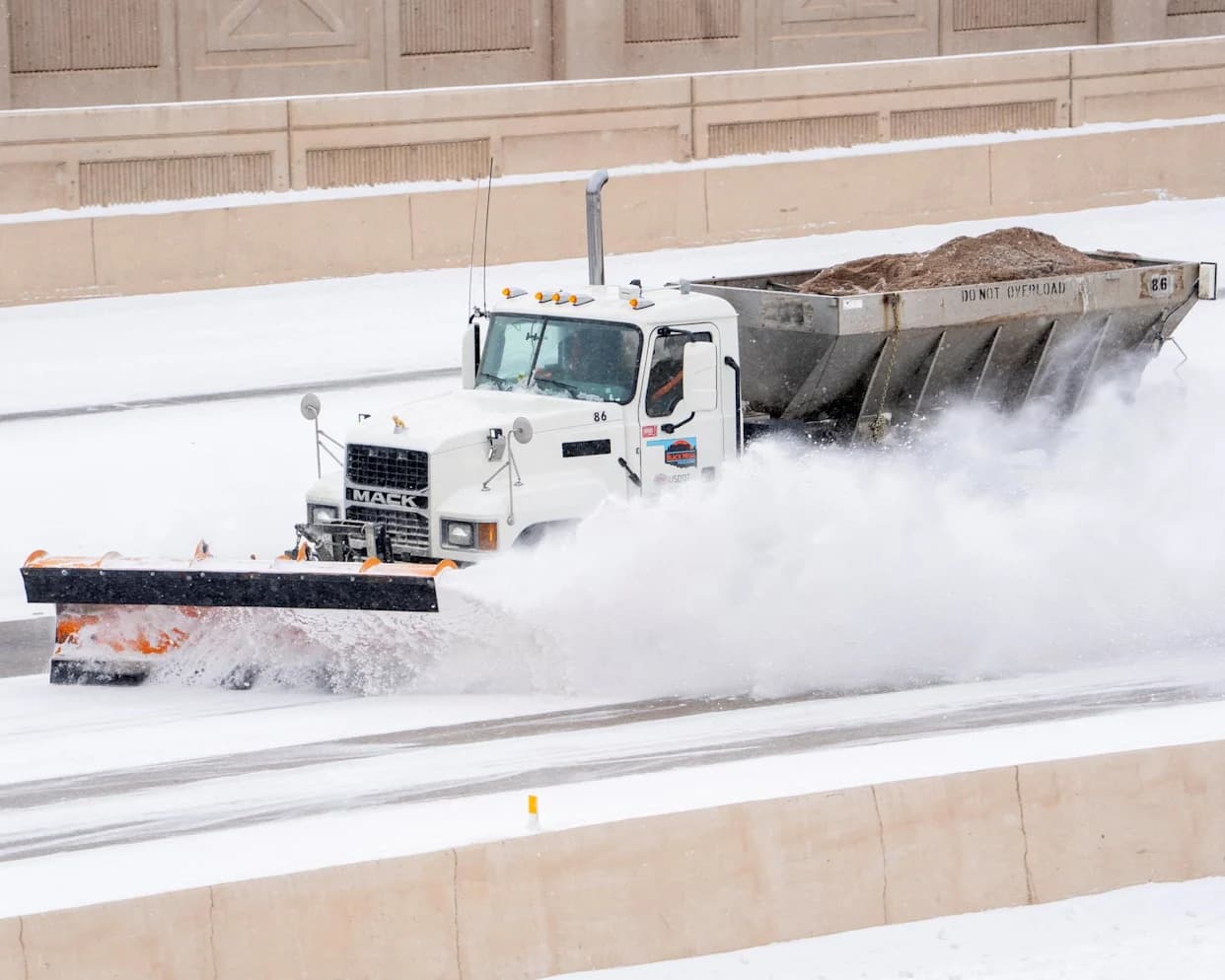
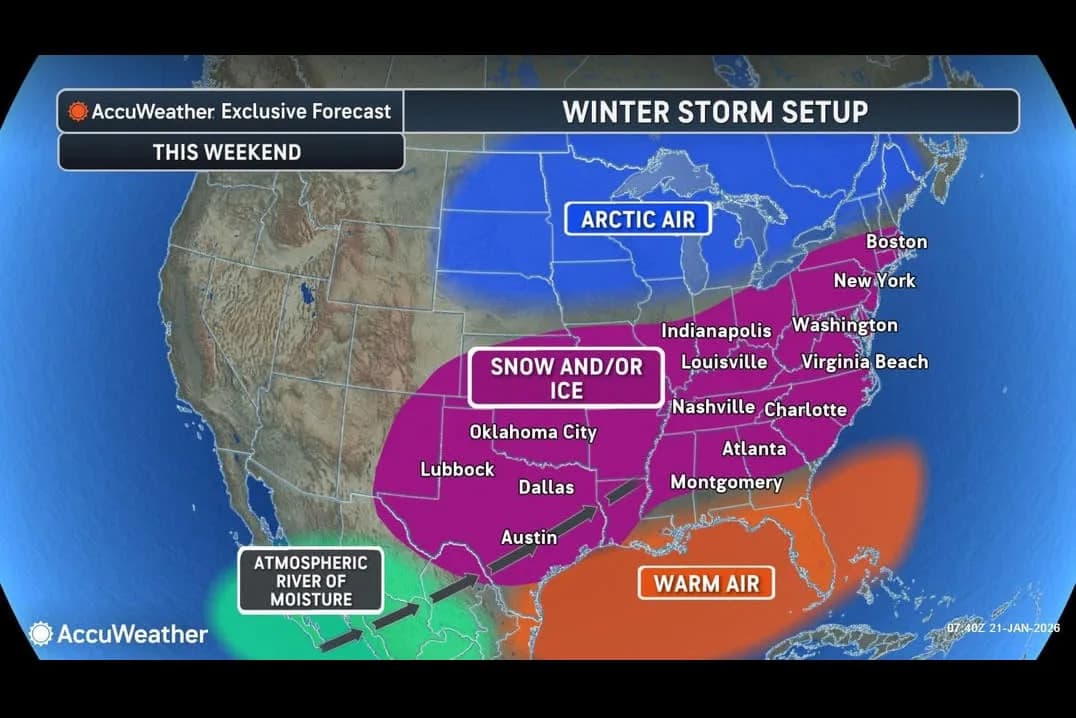
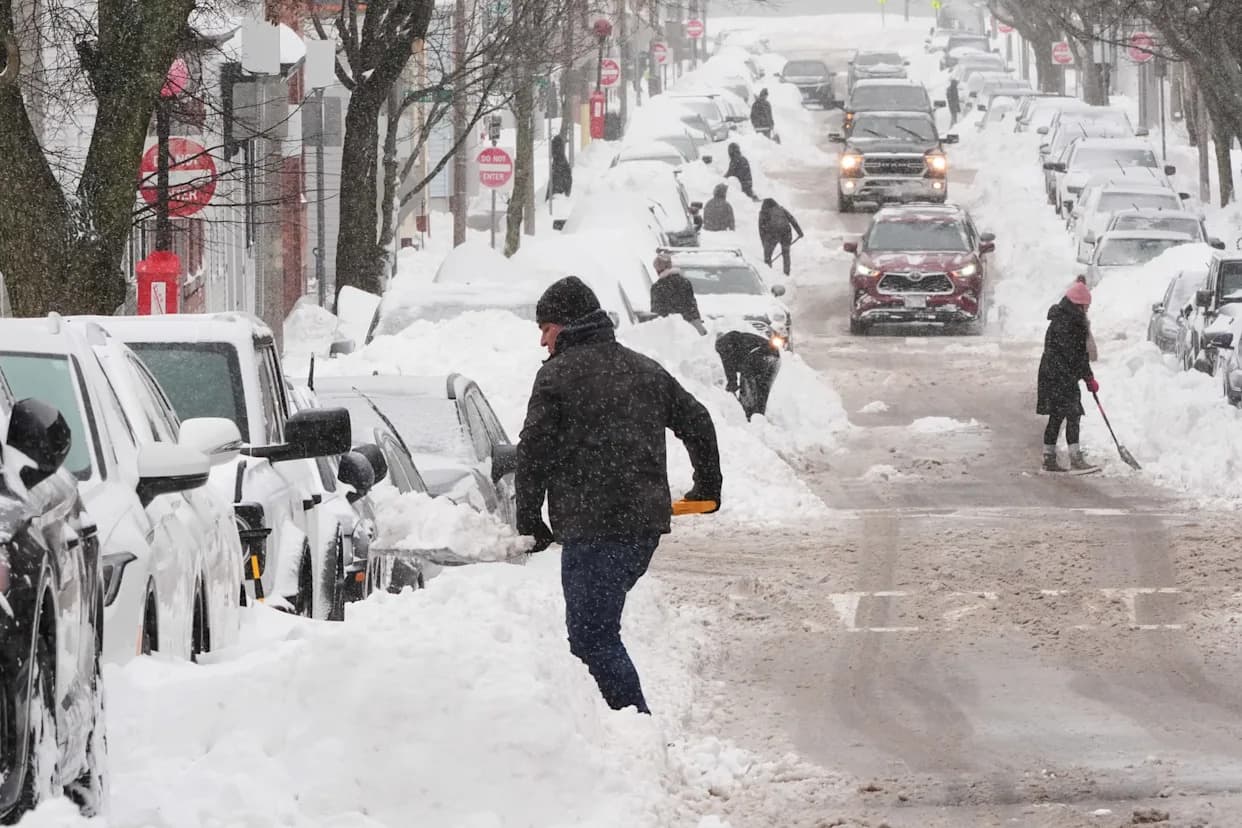
More than 219 million people were under winter weather alerts as an "explosively deepening coastal cyclone" brought heavy snow, fierce winds and dangerously cold air from the Gulf Coast to New England. Parts of the mountainous Southeast saw more than a foot of snow while Florida faced a damaging freeze and Miami could record its coldest night in over a decade. The storm caused widespread power outages, hazardous travel and an elevated coastal flooding risk for the Outer Banks; forecasters warned Arctic air and an incoming Alberta clipper would keep temperatures well below average into next week.
Bitter Arctic Blast Targets Southeast — 219 Million Under Winter Alerts, Coastal Blizzard Risk
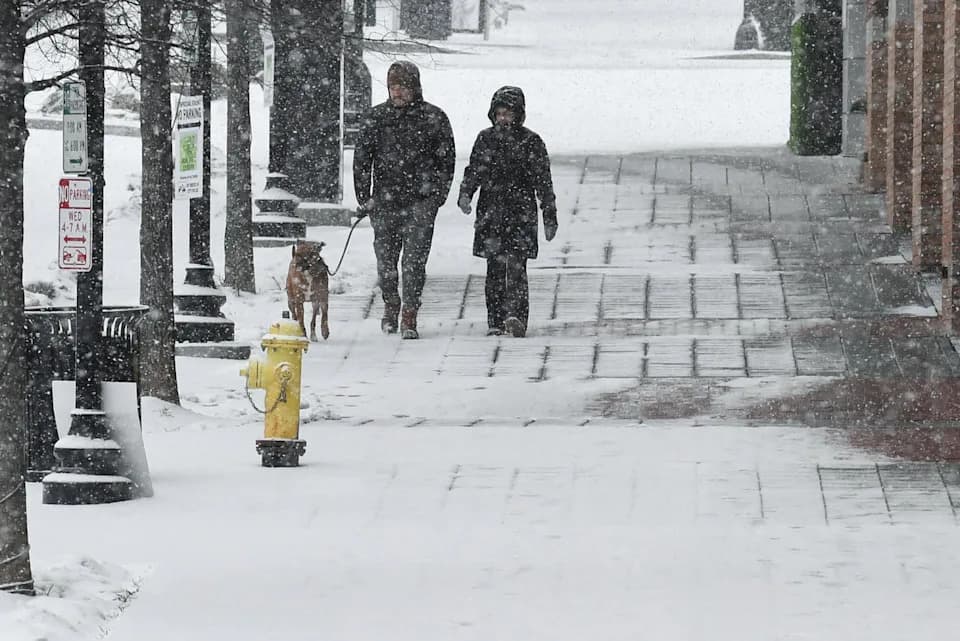
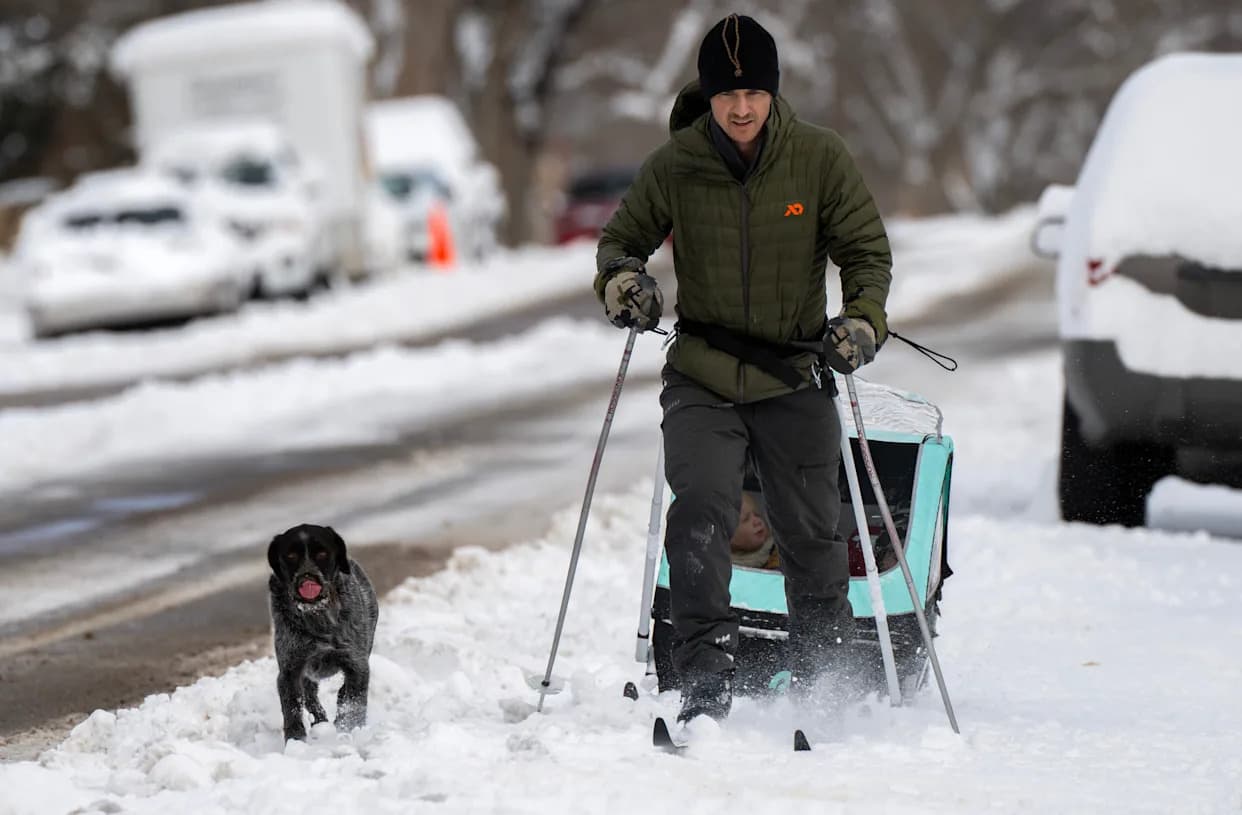
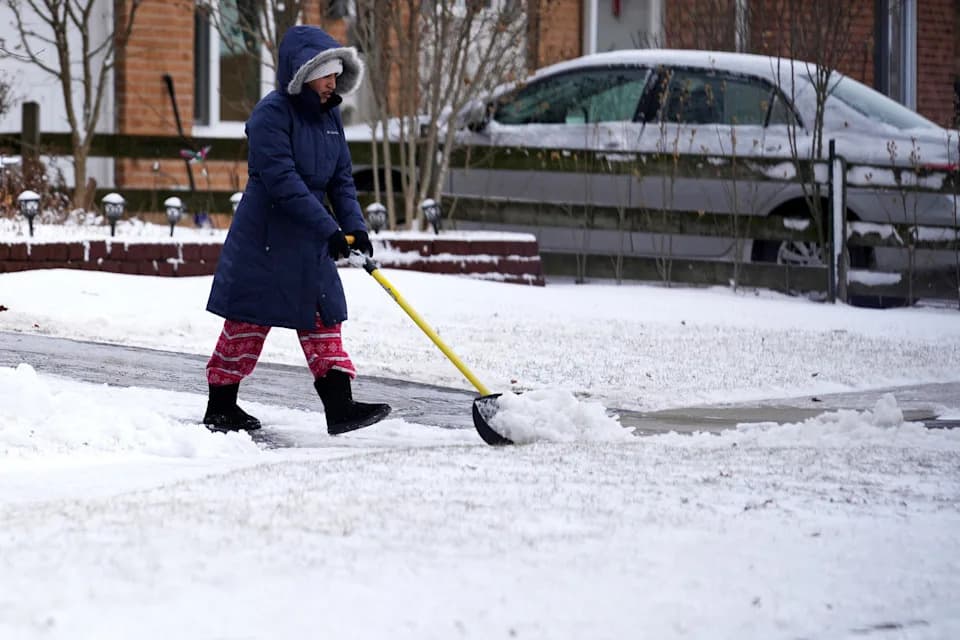
People walk through the snow in Greenville, S.C., on Saturday. (Alex Martin / The Greenville News via USA Today Network)(Alex Martin)
More than 219 million people were under winter weather alerts Saturday as an "explosively deepening coastal cyclone," according to the National Weather Service (NWS), brought heavy snow, high winds and dangerously cold air from the Gulf Coast to New England.
Storm Overview
The NWS warned the coastal low would intensify overnight with the potential for blizzard conditions, moderate to heavy snowfall and strong winds across the Carolinas. Cold weather advisories and extreme cold warnings — which signal risks of hypothermia and frostbite for anyone exposed outdoors — stretched from the Gulf Coast northward to New England.
Snow, Cold and Impacted Communities
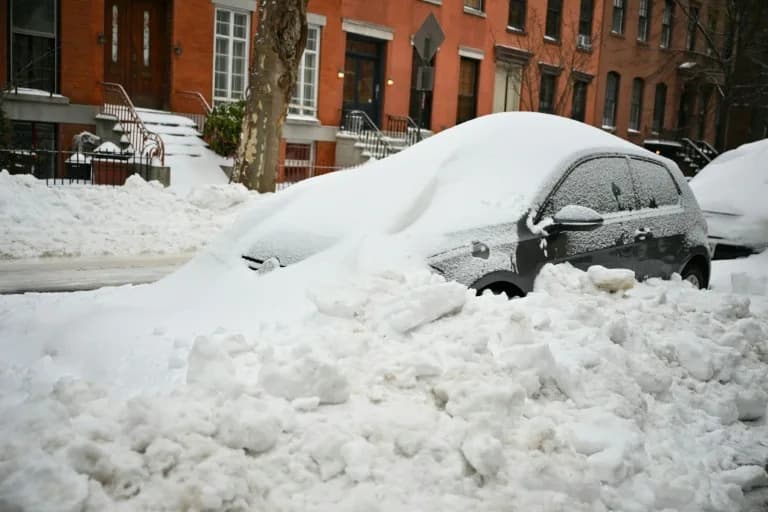
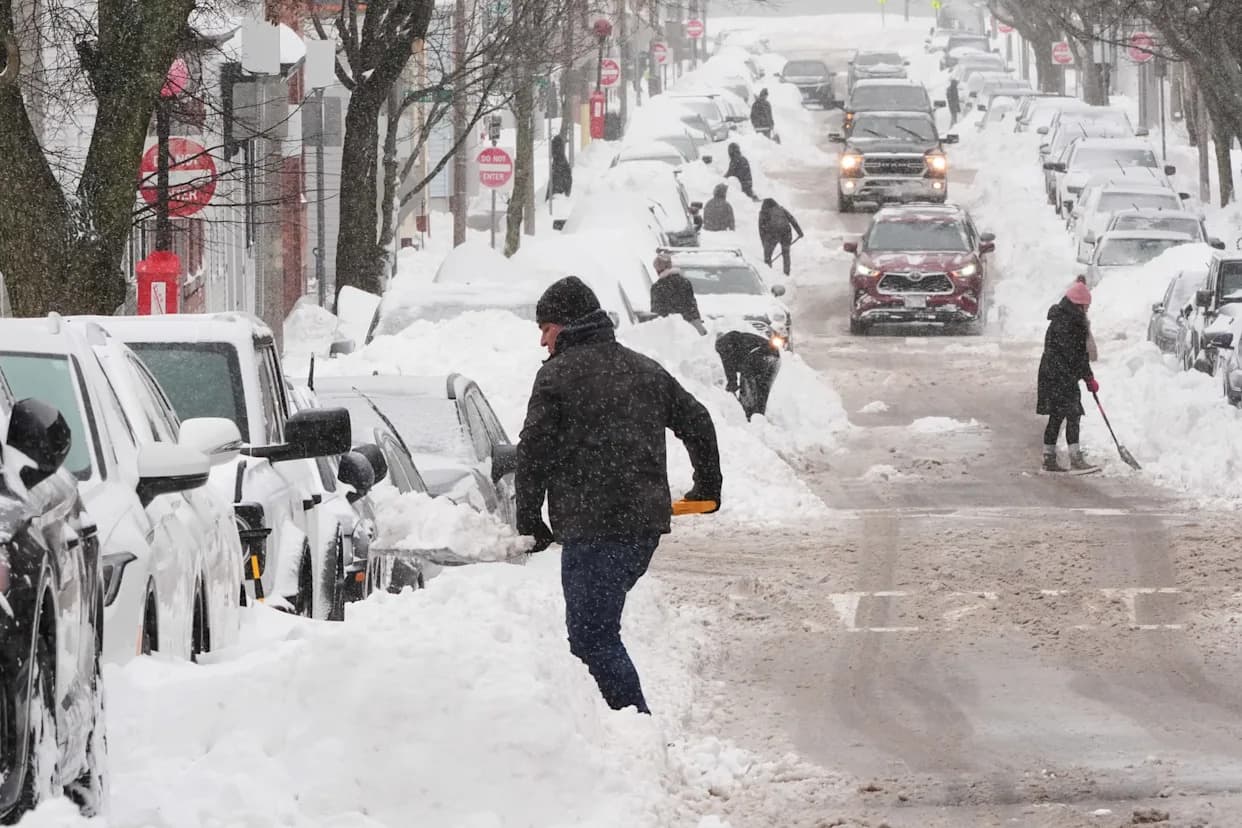
Parts of the mountainous Southeast recorded over a foot of snow. By Saturday afternoon, locations in North Carolina, Tennessee and Virginia had received more than 12 inches; Tiger, Georgia, reported 7.5 inches. The Blue Ridge mountain community of Faust, North Carolina, logged 14.5 inches over 24 hours, per NWS data. Other areas of North Carolina reported 3–8 inches depending on location.
Florida faced a damaging freeze threat: Miami was forecast to near 35°F — potentially its coldest night in more than a decade — with wind chills plunging into the single digits in northern Florida and the teens across central parts of the state.
Travel, Power and Public Safety
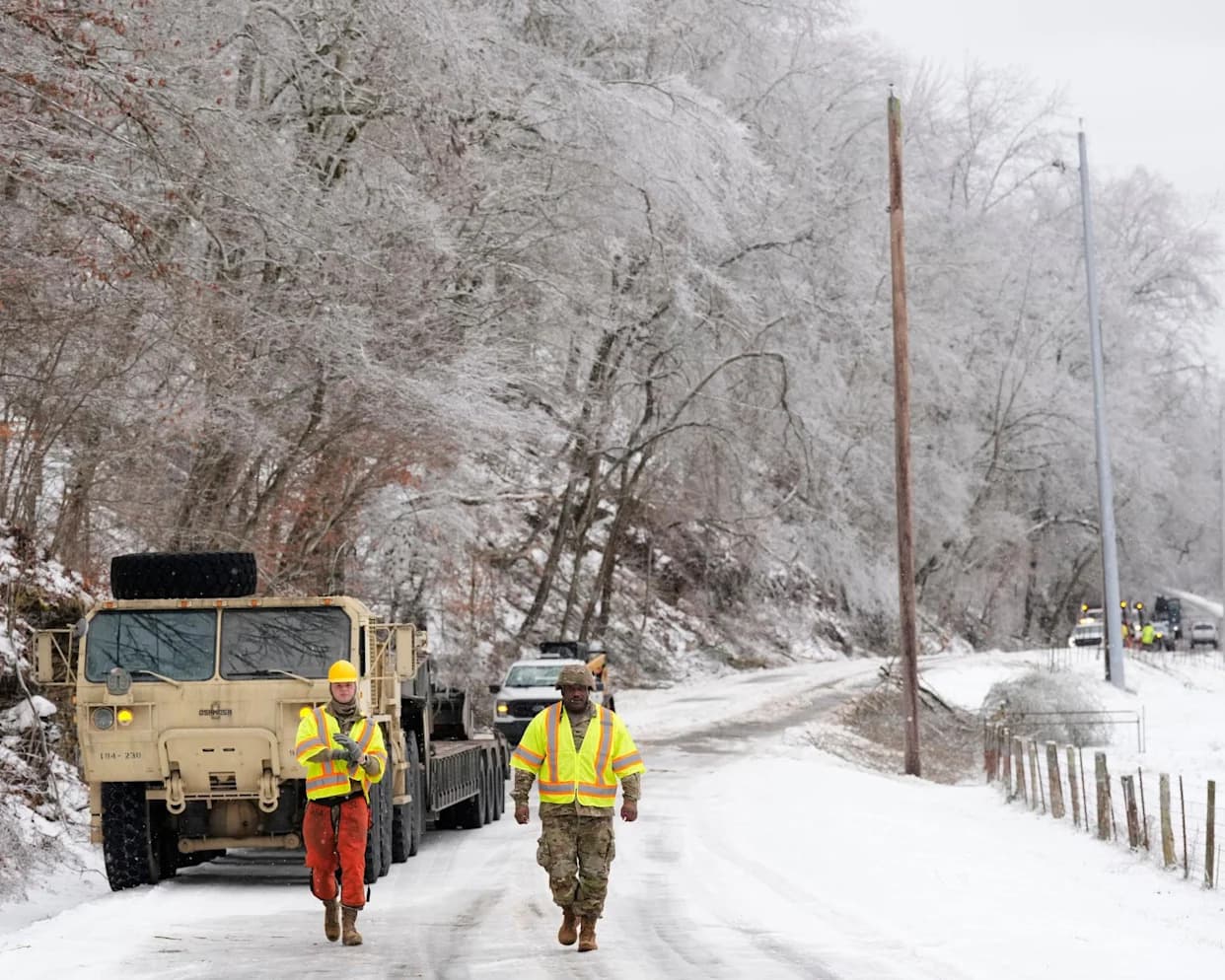
Hazardous travel and rolling outages were widespread. More than 190,000 utility customers were without power across the Southeast on Saturday night; Mississippi accounted for roughly 59,000 of those outages, according to PowerOutage.us. The North Carolina State Highway Patrol reported about 750 collisions on Saturday. A semi-truck became stuck on I-40 near Iredell County, and in Gaston County a train collided with a truck — authorities reported no injuries in that incident.
Officials imposed a curfew in coastal Onslow County from 6 p.m. to 6 a.m. daily until further notice. State and local transportation agencies urged residents to avoid nonessential travel to protect crews and first responders.
Coastal Flooding And Blizzard Risk
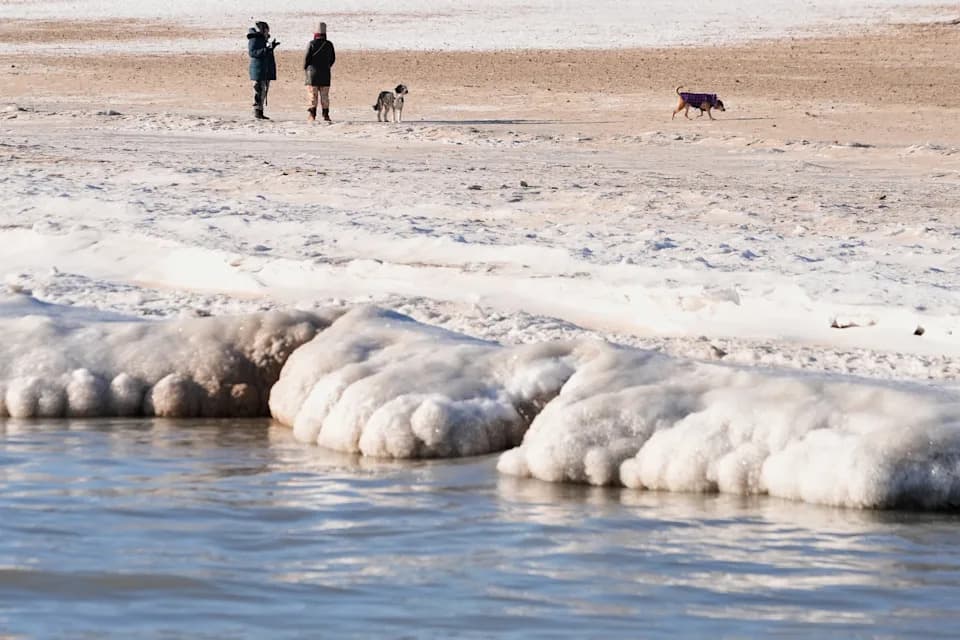
Gusty coastal winds were expected to create near-blizzard conditions along parts of the coast, sharply reducing visibility and making travel dangerous. The same winds increased the risk of coastal flooding: forecasters warned of 2 to 4 feet of inundation possible for the Outer Banks of North Carolina.
Forecast And Outlook
Snow was expected to continue into Sunday morning across the Carolinas, Tennessee and Georgia and to reach as far north as Cape Cod as the low moved offshore and tracked northeast. The storm was forecast to intensify as it moved out to sea, with gusts of 30 to more than 60 mph possible across parts of the mid-Atlantic and New England.
Federal forecasters said Arctic air would keep temperatures 10 to 30 degrees below average across much of the eastern U.S. into next week. An Alberta clipper moving southeast from western Canada was also expected to bring additional precipitation to the Great Lakes region.
Context: This event followed a deadly storm the previous week that claimed more than 100 lives across the U.S., including multiple fatalities in Tennessee and Mississippi.
Source: Reporting from the National Weather Service, state and local officials, and utility outage trackers.
Help us improve.