Two men in China were detained after allegedly posting an AI‑altered image showing two male giant pandas mating; the doctored photo included a caption claiming the Chengdu pandas mated without human help. Authorities suspended the suspects' social accounts and cited laws against spreading false information and disrupting public order. The two men are reported to be 29 and 33 years old; the length of their administrative detention was not disclosed. The incident raises concerns about AI‑manipulated content, online speech and government censorship.
China Detains Two Over AI-Altered Photo of Male Pandas; Authorities Cite 'Fake News'
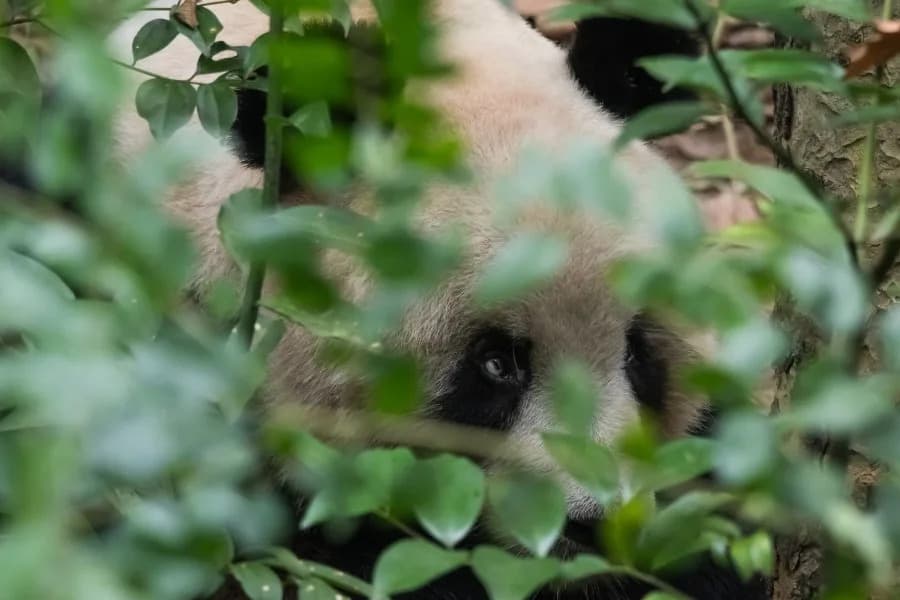
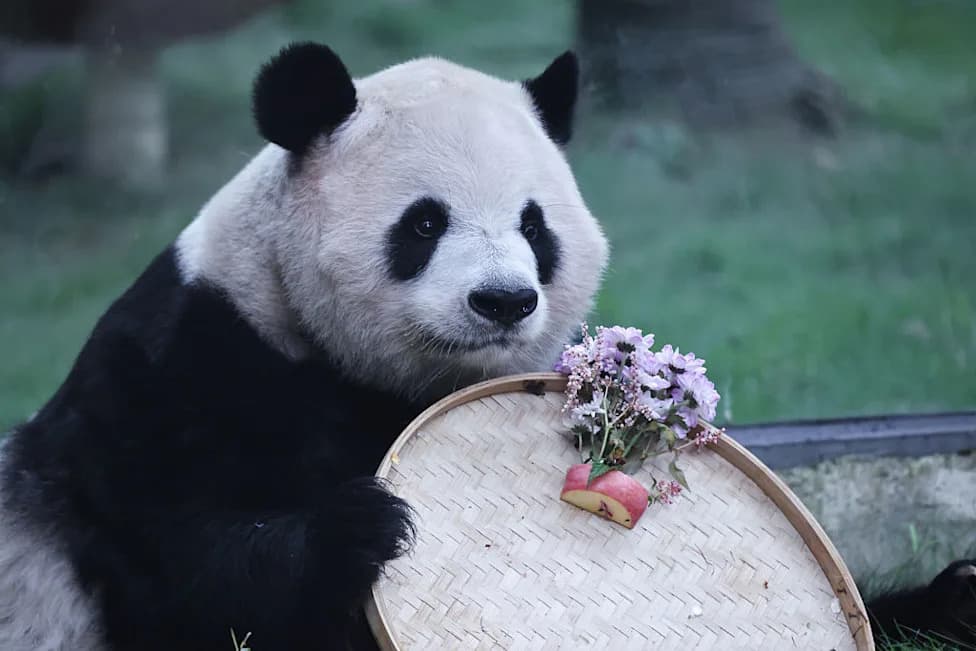
Two men in China were recently detained after allegedly posting an AI-altered image purporting to show two male giant pandas engaging in sexual activity. Authorities said the image, which circulated online, had been digitally manipulated and carried a caption claiming: 'Chengdu: Two male Sichuan giant pandas successfully mate for the first time without [human] intervention.'
Police moved to suspend the suspects' social media accounts and said the pair were detained on administrative grounds for spreading what officials described as 'fake news' that 'disrupted the order of cyberspace.' Authorities cited laws against spreading false information and disturbing public order; officials did not disclose how long the men would be held. Reports identify the two suspects as 29 and 33 years old.
Chengdu, home to a major panda conservation center, is widely regarded as one of mainland China's more LGBTQ+-friendly cities. That reputation has sometimes put the city at odds with broader government approaches toward LGBTQ+ issues, and some observers say authorities may be sensitive to content that appears to ridicule or stigmatize the city.
'Can you really read that in the manipulated image? I didn’t,' said Wang Xuetang, a lawyer with J. Tongue Law Office in Shenzhen, criticizing online jokes that framed the incident as a broader stigmatization of Chengdu.
The case underscores growing tensions over AI-manipulated media, online expression, and the Chinese government's efforts to police cyberspace amid socially sensitive topics. It also highlights legal and ethical questions about the use of AI to create deceptive images and the consequences faced by people who share them.
Help us improve.