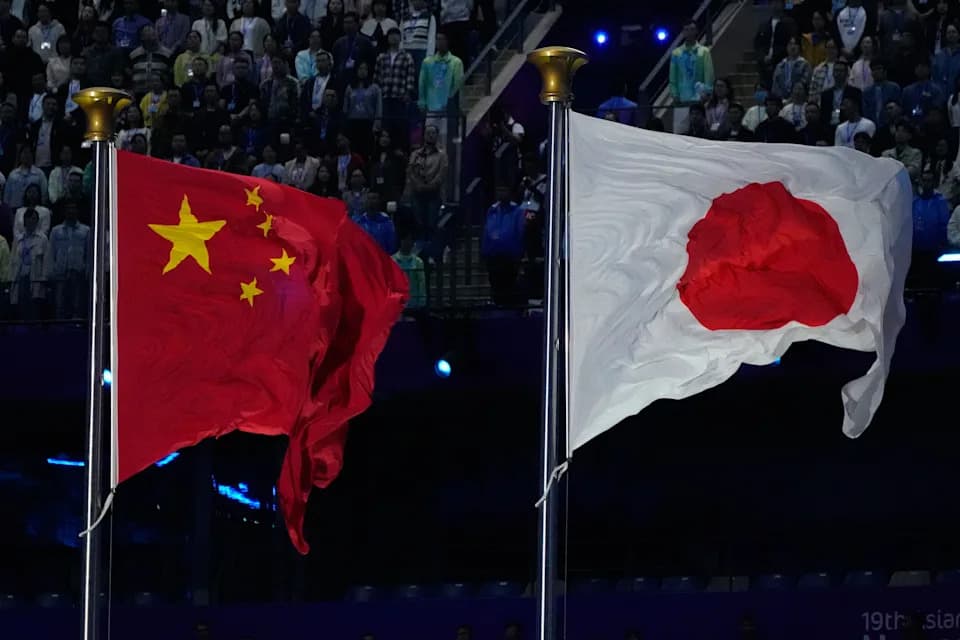
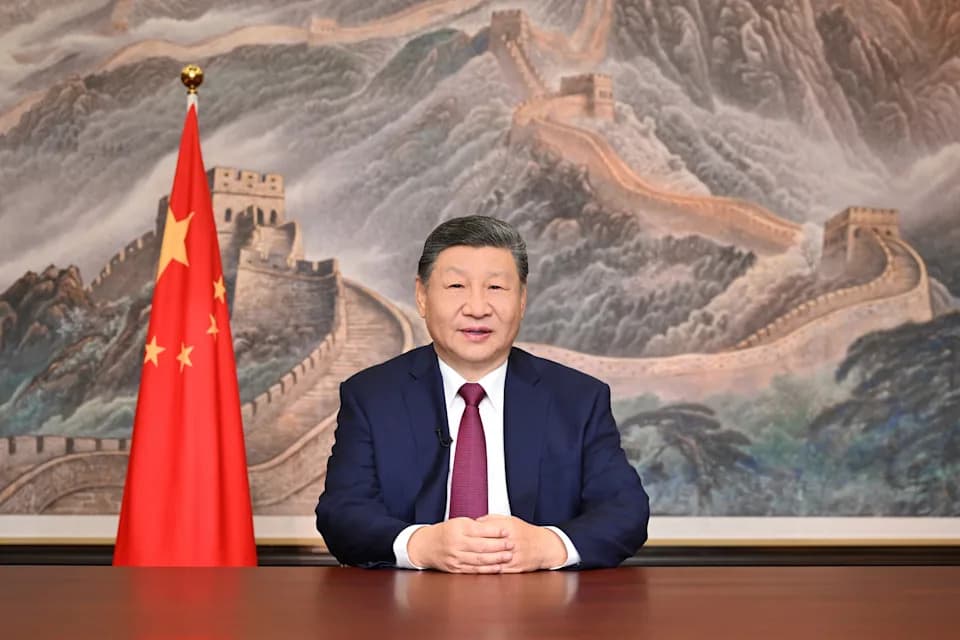
China has urged citizens to avoid travel to Japan during the Lunar New Year, citing a rise in crimes against Chinese nationals and earthquake risks amid strained ties with Tokyo. The advisory stems from anger over a November remark by Japan’s Prime Minister Sanae Takaichi on Taiwan, which prompted Beijing to impose export curbs and cancel flights. Major Chinese airlines have extended flexible change-and-cancellation policies for Japan flights until Oct. 24, and China is simultaneously boosting tourism ties with South Korea.
China Urges Citizens To Skip Japan Over Lunar New Year Amid Diplomatic Fallout With Tokyo
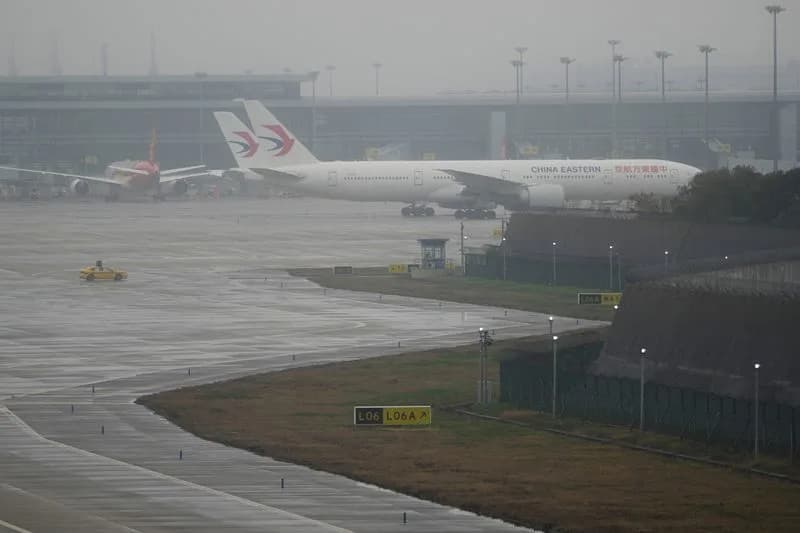
China Eastern Airlines aircrafts are parked at Pudong International Airport in Shanghai, China, March 21, 2023. REUTERS/Aly Song
Beijing on Monday advised Chinese citizens to avoid travelling to Japan during the upcoming Lunar New Year, citing security concerns tied to ongoing diplomatic tensions between the two countries.
The Chinese Foreign Ministry pointed to "a surge in crimes targeting Chinese citizens" and the risk of earthquakes, saying nationals "face serious security threats in Japan" in an official advisory. The warning follows Beijing's sustained anger over a November remark by Japanese Prime Minister Sanae Takaichi about democratically governed Taiwan.
That November comment — which suggested a hypothetical Chinese attack on Taiwan could prompt a Japanese military response — triggered strong reactions in Beijing. China has since imposed export controls, cancelled some flights, and seen sharp criticism in state media. China’s Defence Ministry also warned Tokyo it would face a "crushing" military defeat if it intervened by force over Taiwan.
Major Chinese carriers including Air China, China Eastern and China Southern Airlines on Monday extended their free change-and-cancellation policies for Japan-related flights until Oct. 24. The lenient rules were first introduced in November and have been extended multiple times; the latest extension pushes the flexible window well into the autumn.
Japan's tourism minister said last week that visits by Chinese tourists to Japan plunged 45% in December, even as overall inbound tourism to Japan reached a record high for the year. The drop underscores how diplomatic tensions have affected travel patterns between the two neighbours.
Prime Minister Takaichi has not formally retracted her November remark but has tried to soften the fallout by reaffirming Japan's adherence to the "One China" policy and disputing Beijing's characterization of her comments. At a Jan. 19 press conference announcing a snap election, she said: "China has conducted military exercises around Taiwan, and economic coercion is increasingly being used through control of key supply-chain materials. The international security environment is becoming more severe."
While discouraging travel to Japan, Beijing has simultaneously promoted stronger tourism ties with South Korea. Visa-free arrangements and other facilitations have helped spur two-way visits, which Chinese state media describe as reflecting deeper economic exchanges between Beijing and Seoul.
What This Means: The advisory is likely both a genuine security warning and part of broader diplomatic pressure tactics. Travellers should monitor government advisories, airline policies and regional developments before planning trips to East Asia.
Reporting by Xiuhao Chen and Ryan Woo; additional reporting by Tim Kelly in Tokyo; editing by Christian Schmollinger and Hugh Lawson.
Help us improve.